 EN
EN  ZH
ZH 
What Should Buyers Check Before Choosing a Dental Unit for Sale?

Choosing a dental unit for sale should start with the procedures, workflow, and service requirements of the intended users—not with the longest feature list. A practical evaluation covers clinical functions, infection-control provisions, ergonomics, maintenance, warranty, configuration, and manufacturer support.
What Should Buyers Check Before Choosing a Dental Unit for Sale?
Which Dental Procedures and Users Will the Dental Unit Need to Support?
The first check is whether the unit matches the procedures and working habits of the intended clinic, school, or training centre. A general dental clinic may prioritise accessible handpieces, positioning controls, lighting, and water functions, while a training centre may place greater emphasis on repeatable controls and easy operation.
- Define the main procedures and operator roles before comparing models.
- Separate essential functions from optional upgrades.
- Confirm whether the unit can be configured for the intended room and workflow.
Why Should Buyers Compare Functionality With Actual Clinical Workflow?
A feature is useful only when it solves a real workflow problem. Easy-to-reach controls, clear chair-position settings, accessible handpiece placement, and convenient cleaning functions can affect how the operatory is used throughout the day.
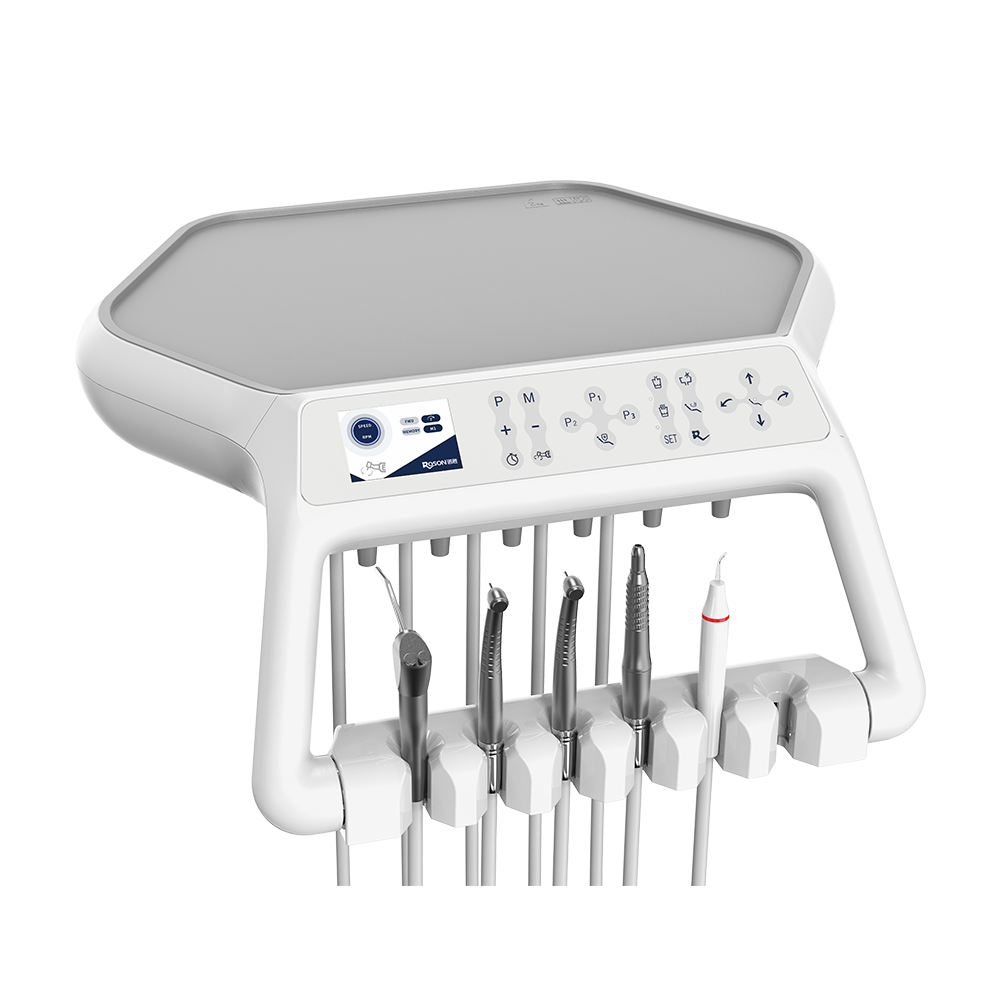
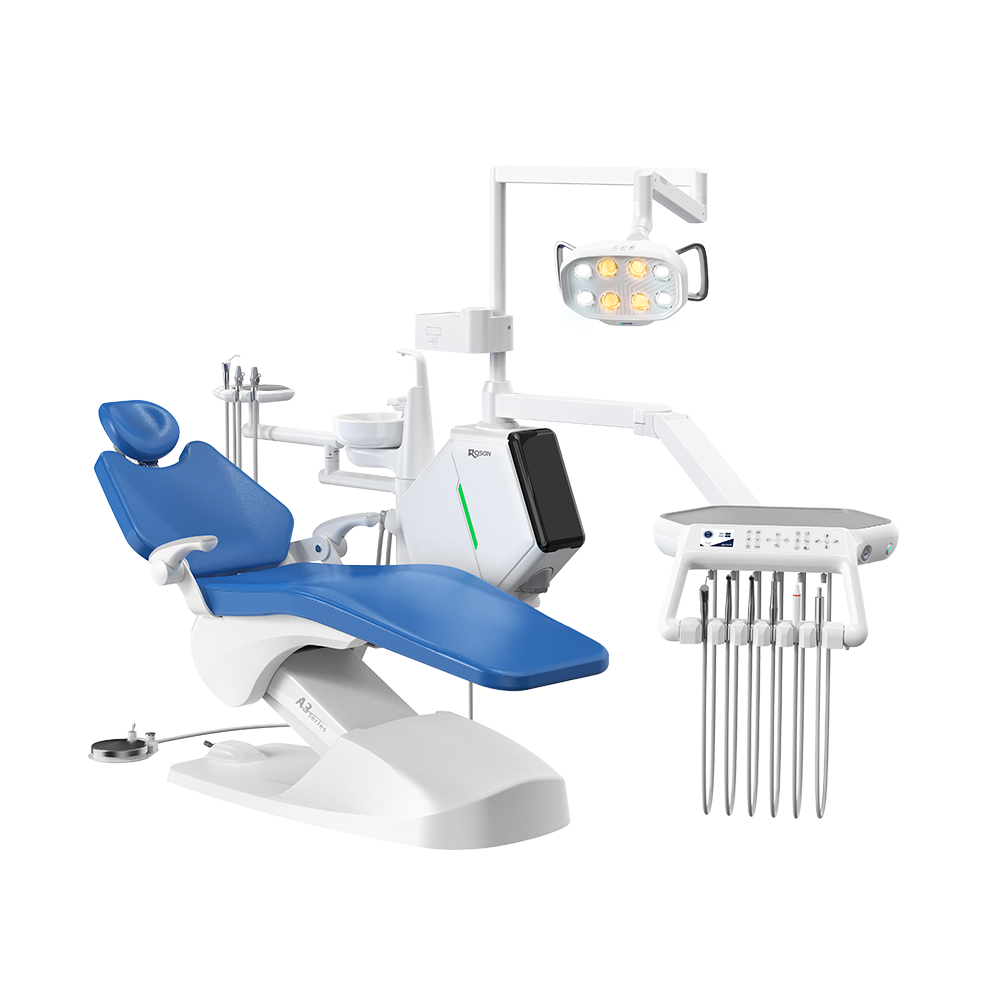
For example, the ROSON A3 features three customizable memory chair positions, a four-level adjustable handpiece holder, a medical-grade colour LCD screen, and one-touch intelligent drainage. These functions are designed around clinical utility—positioning, access, monitoring, and cleaning —rather than padding the feature list.
Which Dental Unit Features Matter Most for Daily Treatment?
How Should Buyers Evaluate Ergonomics and Patient Comfort?
Buyers should evaluate ergonomics by asking whether the dentist, assistant, and patient can use the unit comfortably through repeated procedures. Chair positioning, instrument access, lighting, water delivery, and upholstery all contribute to the working environment.
The A3 offers multiple colour choices, configurable handpiece placement, adjustable lighting, a water heating system, and several upholstery options. Its dental light also provides adjustable brightness and colour temperature.
- Check operator reach and instrument placement.
- Review patient-facing comfort functions separately from clinical functions.
- Ask for the exact configuration included in the quotation.
What Infection-Control Functions Should Buyers Check?
Buyers should treat infection control as a system-level requirement that includes the dental unit, water management, cleaning procedures, and manufacturer instructions. CDC guidance notes that dental unit waterlines can support biofilm formation and recommends appropriate water-quality management and manufacturer guidance for maintenance.
The A3 includes an advanced micro-electrolysis disinfection system, identified in the configuration table as an electrolytic oxidized disinfection system. It also provides one-touch intelligent drainage that automatically raises the chair and triggers a five-minute spittoon flushing cycle.
These features should still be evaluated against the buyer’s local infection-control requirements and the manufacturer’s maintenance instructions rather than treated as a substitute for the complete infection-prevention programme.
How Important Are Controls and Equipment Accessibility?
Controls matter because repeated treatment tasks should not require unnecessary movement or complicated adjustments. The A3’s LCD interface displays unit operation, performs a startup self-check, displays error codes, and stores three chair positions.
How Should Buyers Compare Dental Unit Quality, Maintenance, and Support?
What Should Buyers Check About Materials, Durability, and Warranty?
Buyers should request written warranty terms and identify exactly which components are covered. This is more useful than relying on broad statements about durability.
We provide five-year warranties for the water and air pipelines, breathable seamless microfiber leather, and TIMOTION motor, plus a three-year warranty for the RoLight dental light.
- Confirm warranty duration by component.
- Check what installation, parts, labour, and exclusions mean in practice.
- Ask which spare parts should be stocked locally.
What Support Should Dental Equipment Distributors Expect From a Manufacturer?
Distributors should assess support as part of the product package because installation, training, marketing, documentation, and after-sales communication can affect how easily a product is sold and supported locally. ROSON provides dedicated support and contact channels alongside its dental-unit range.
For distributor projects, buyers should also clarify available product materials, training resources, promotional support, language requirements, lead times, and configuration processes before placing an order.
How Does Roson Approach Dental Unit Selection for Different Buyers?
What Can Buyers Expect From Our A3 Flagship Model?
We offer a range of dental-chair models, including A1 PRO, S9+, A3, and N2 PRO, with the A3 serving as our Flagship Model. It supports configuration choices including handpiece placement, upholstery, colours, and optional built-in equipment.
For buyers seeking a dental unit with documented disinfection, digital control, positioning, water-management, and configuration features, the A3 provides a concrete model to evaluate. However, buyers should compare the required configuration and quotation rather than assuming every listed option is included as standard.
How Can Configuration and Service Support Fit Distributor Requirements?
A distributor should compare not only unit specifications but also the manufacturer’s ability to support local sales and service requirements. A useful quotation should identify the model, standard configuration, optional items, warranty terms, documentation, and support available for the destination market.
For clinics, schools, and training centres, the same comparison can focus more heavily on workflow, operator training, patient comfort, maintenance, and the exact functions needed for daily use.
What Should Buyers Confirm Before Requesting a Dental Unit Quote?
Before requesting a quote, prepare a short specification sheet so suppliers are comparing the same requirements. This reduces the risk of comparing different configurations under similar-looking product names.
- Intended procedures and number of operators
- Required disinfection and water-management functions
- Chair, light, handpiece, control, and accessory configuration
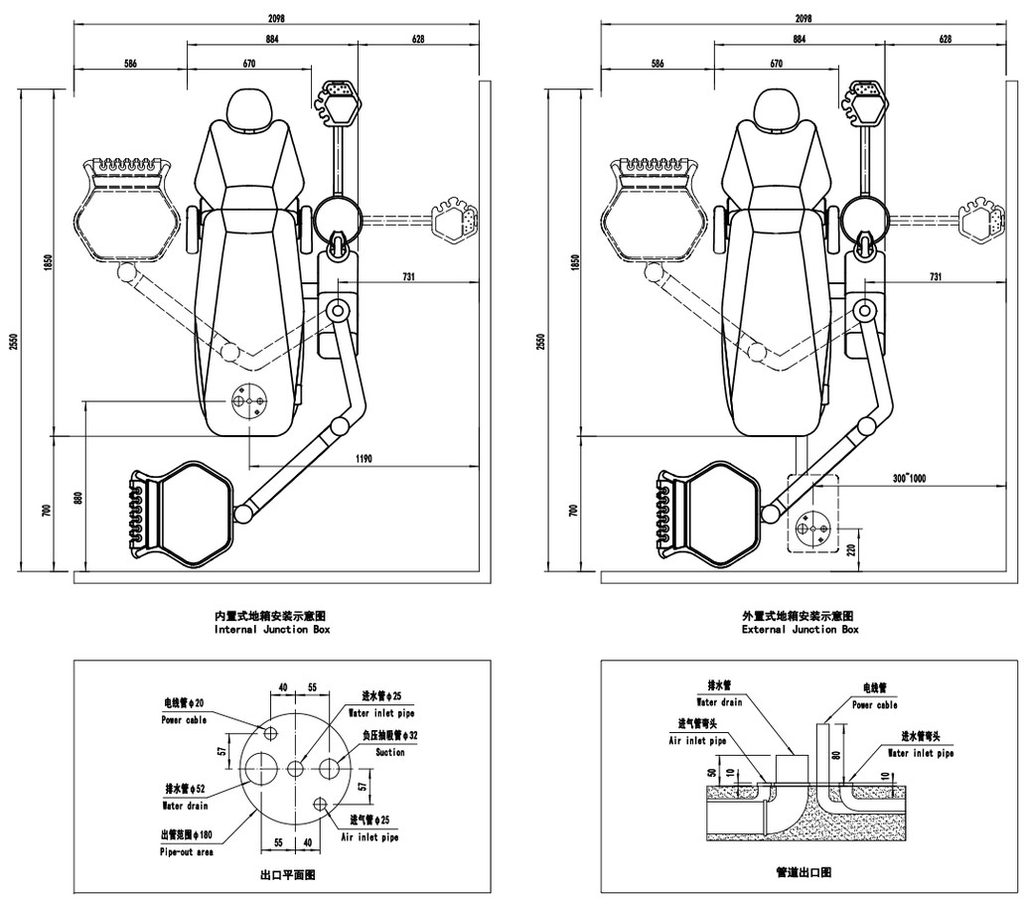
- Installation environment and local requirements
- Warranty, spare parts, training, and after-sales support
What Should Buyers Confirm Before Purchasing a Dental Unit?
Which Specifications and Configurations Should Buyers Put in Writing?
The final quotation should clearly distinguish standard equipment, optional equipment, and customer-specific configuration. The A3 configuration table separates standard, optional, and non-optional items, which can help buyers document the required package.
What Questions Should Buyers Ask the Manufacturer Before Ordering?
Ask the manufacturer to confirm the exact configuration, warranty coverage, installation requirements, maintenance procedures, spare-parts availability, training materials, and support process.
If the required information is not clear on the product page, contact us to request a detailed quotation and configuration confirmation.
Conclusion: How Can Buyers Choose a Dental Unit With Fewer Procurement Risks?
A practical way to choose a dental unit is to compare clinical workflow, infection-control requirements, ergonomics, configuration, warranty, maintenance, and supplier support together. A model should be assessed against the actual users and procedures rather than selected from a feature list alone.
For distributors, that means evaluating the manufacturer’s product documentation and commercial support as well as the unit itself. For clinics and training centres, it means matching the configuration to daily treatment and teaching needs. Buyers considering ROSON can review the A3 specifications, compare other models in our dental-unit range, and contact us to confirm the configuration before purchasing.
About the Author