 EN
EN  ZH
ZH 
What Does a Dental Equipment Supplier Provide for Modern Clinics?

A modern dental equipment supplier provides more than individual pieces of equipment. The supplier should help a clinic coordinate instrument delivery, compressed air, suction, imaging, sterilization, lighting, storage, installation, and technical support.
For B2B buyers, the challenge is selecting equipment that fits the clinic’s treatment scope, layout, workload, and maintenance capacity. A complete plan can reduce compatibility problems.
What Core Treatment Equipment Should a Dental Equipment Supplier Provide?
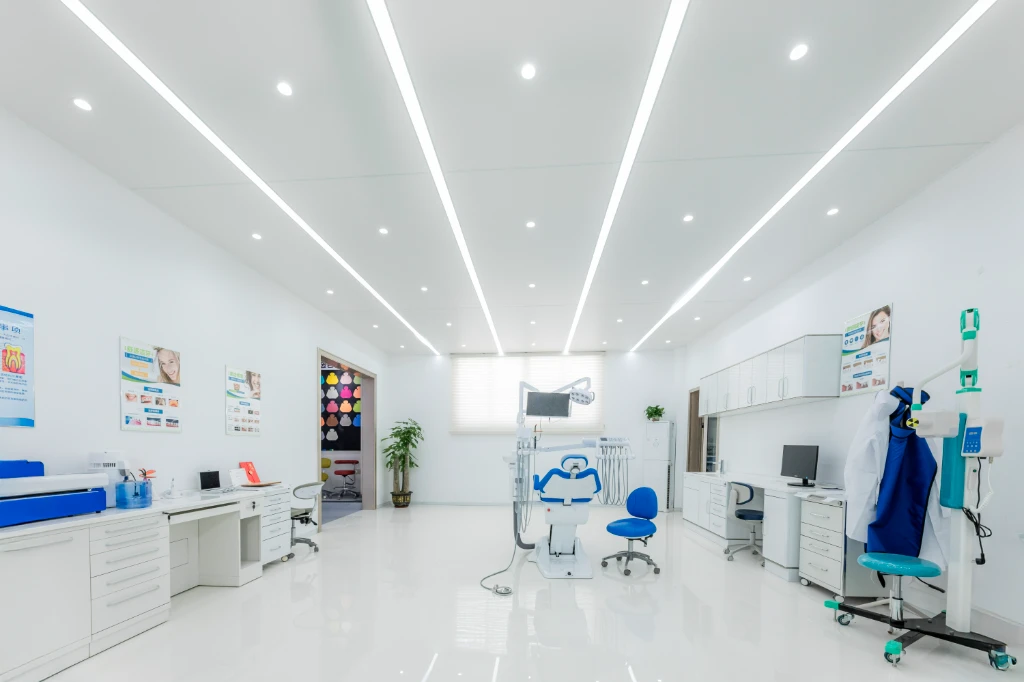
The core requirement is a treatment system that organizes the patient, dentist, assistant, instruments, water, air, and lighting within one practical workspace.
A typical operatory may require:
- A dental chair or complete dental unit
- An operating light and dental stool
- Instrument controls and handpiece connections
- A cuspidor, suction system, and water supply
- A delivery tray or mobile cart
- Procedure-specific accessories
How Does the Dental Unit Affect Daily Workflow?
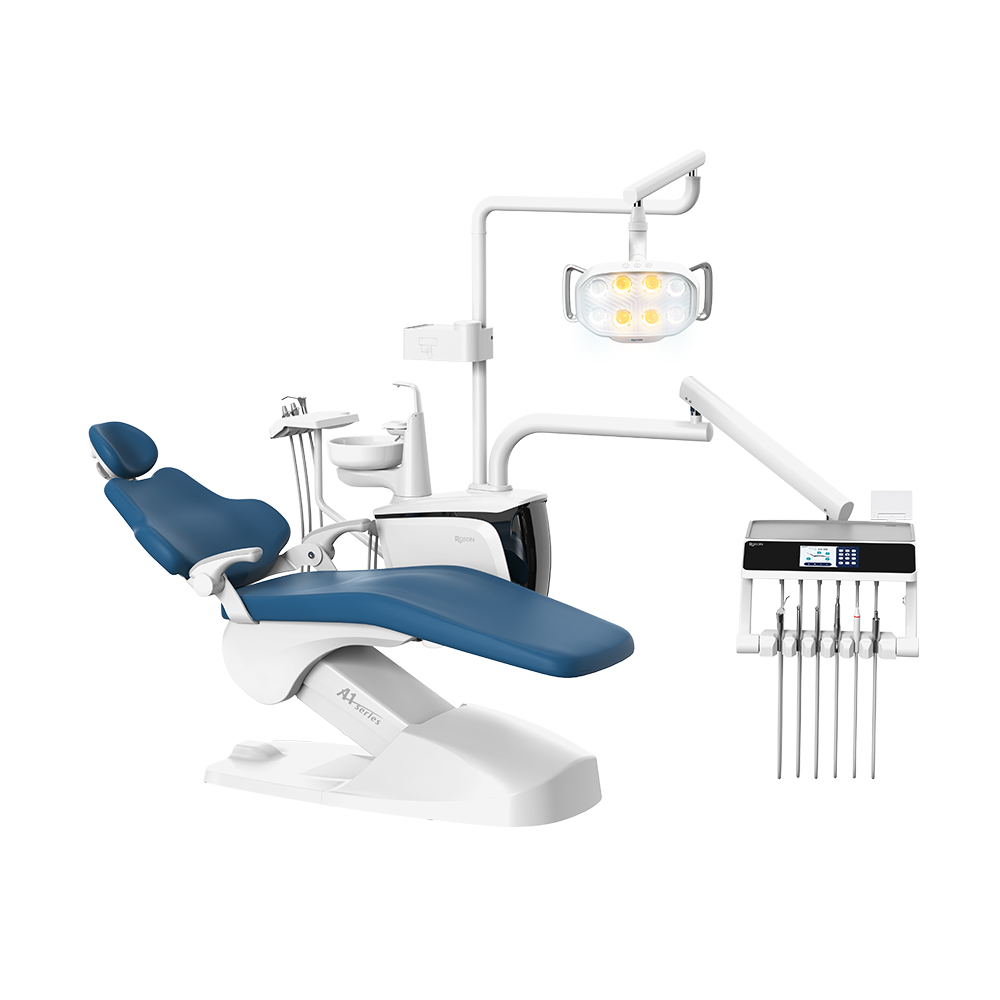
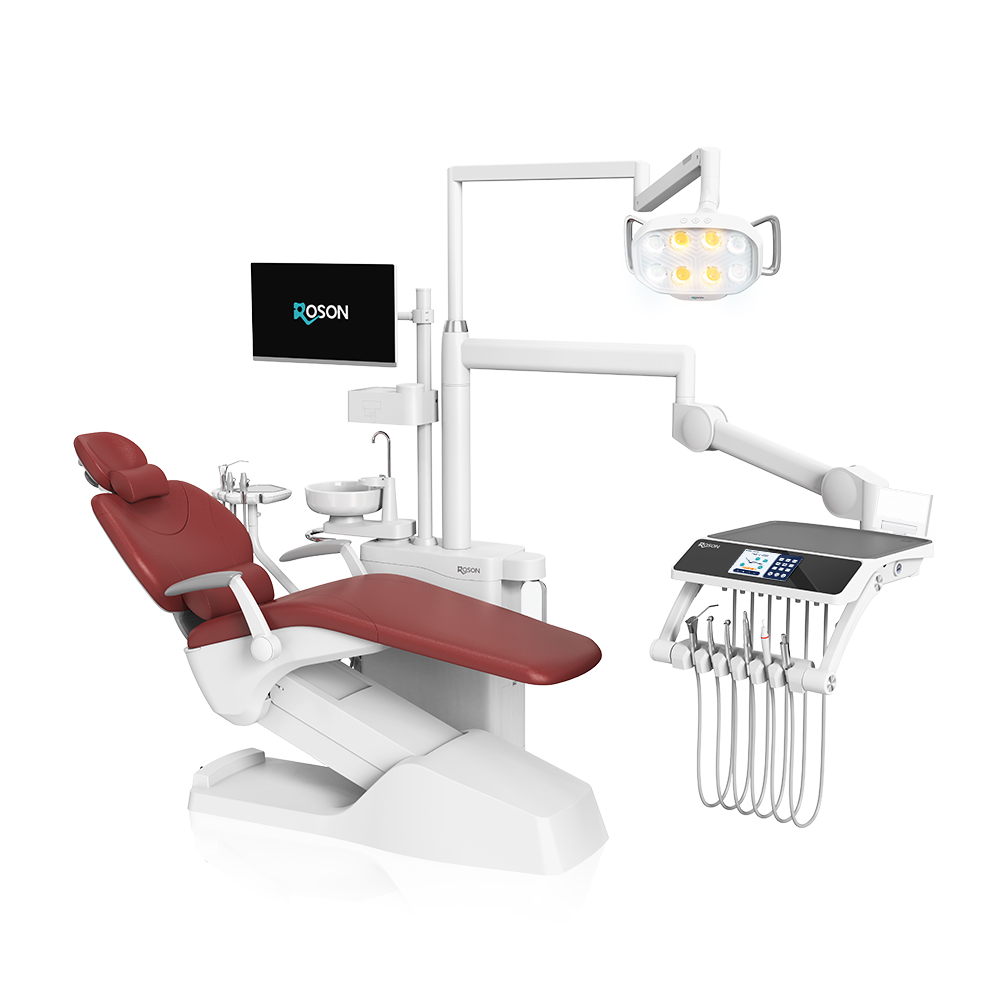
The dental unit affects workflow by determining how easily clinicians position patients, reach instruments, control functions, and clean the treatment area.
Buyers should compare the delivery layout, tray capacity, foot controls, chair movement, headrest adjustment, assistant controls, and cleaning access.
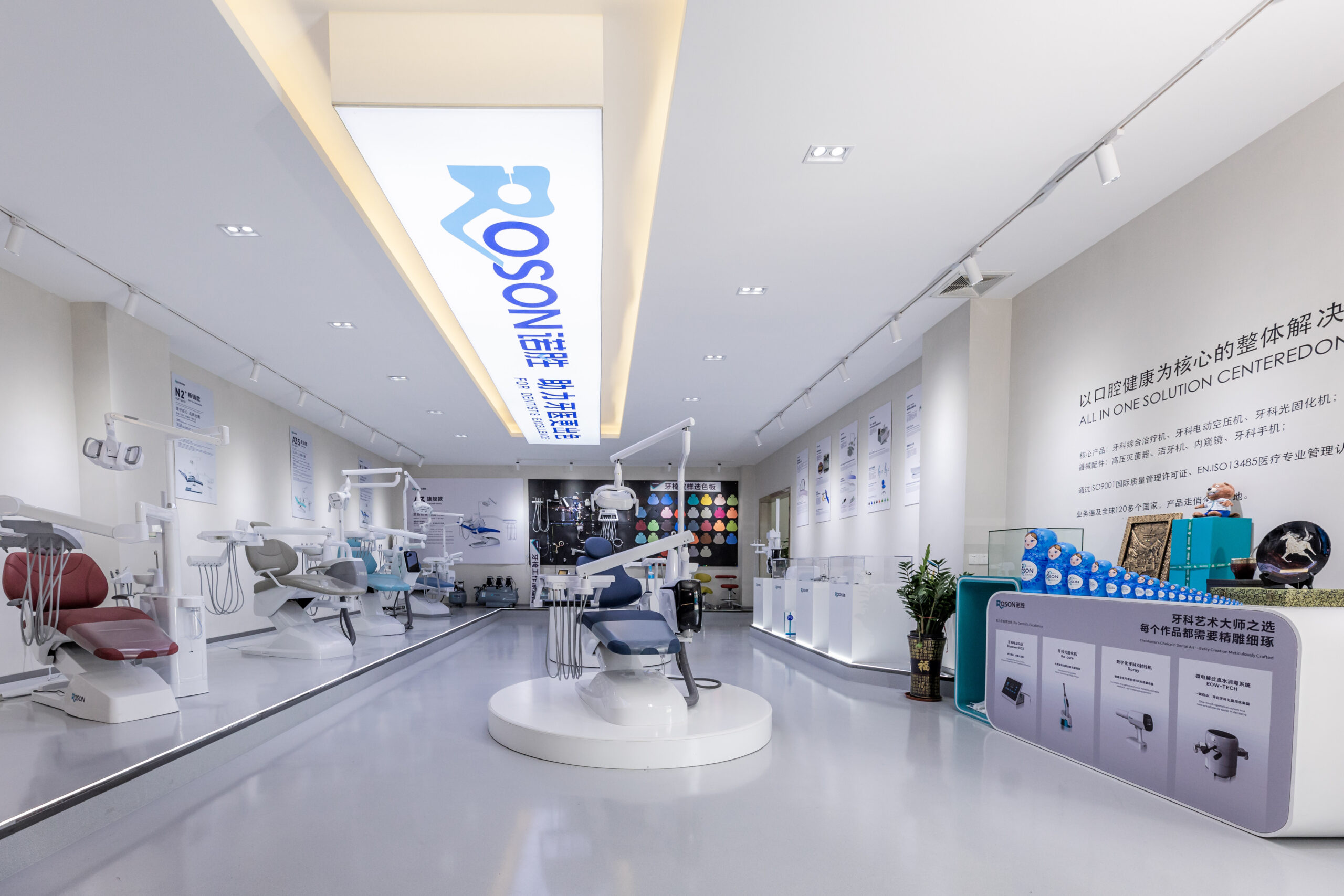
Roson lists A and S dental chair ranges, together with stools, lights, upholstery options, built-in scalers, electric micromotors, curing lights, and handpieces. Functions vary by model, so buyers should verify the exact configuration.
Which Supporting Devices Should Be Planned with the Chair?
Supporting devices should be planned with the chair because capacity, connections, and placement directly affect operatory performance.
Roson’s portfolio includes dental air compressors, suction units, X-ray equipment, intraoral cameras, scanners, curing lights, ultrasonic scalers, cabinets, root canal equipment, portable units, and laboratory equipment. This range allows buyers to discuss a coordinated package with one dental equipment supplier.
How Should a Dental Equipment Supplier Match Equipment to Clinic Capacity?
A dental equipment supplier should match equipment to the number of operatories, simultaneous use, treatment mix, available space, and planned expansion.
| Planning factor | Key question | Purchasing impact |
| Chair count | How many units run together? | Determines compressor and suction capacity |
| Treatment scope | Which procedures are offered? | Affects instruments and optional functions |
| Room layout | Fixed system or mobile cart? | Changes installation planning |
| Expansion | Will more chairs be added? | May justify extra utility capacity |
How Do Clinics Select the Right Dental Air Compressor?
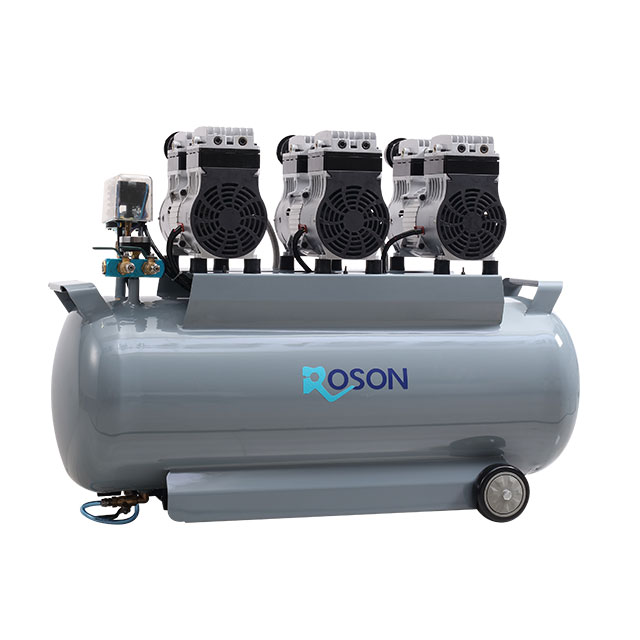
Clinics select a compressor by checking supported chair count, airflow, tank volume, power, noise, drainage, and maintenance requirements.
Roson lists RA01 through RA08 configurations for one to eight dental units. Published airflow ranges from 60 to 320 L/min at 0.4 MPa, while tank capacity ranges from 32 to 128 litres. The comparison also identifies differences in wattage, noise, automatic drainage, and intelligent-start availability.
An undersized compressor may struggle when several chairs operate together, while an oversized system may waste space and budget. The supplier should calculate simultaneous demand before recommending a configuration.
Why Do Compatibility and Ergonomics Matter?
Compatibility and ergonomics matter because suitable products can still create an inefficient room when dimensions, controls, connections, or movement paths conflict.
A mobile cart offers flexible placement, while a fixed delivery system may keep the floor area more organized. The right choice depends on room dimensions, working position, assistant access, and procedure type.
Before ordering, buyers should provide a floor plan, utility locations, preferred delivery style, local voltage, planned accessories, and existing equipment details.
What Infection-Control Equipment Should a Dental Equipment Supplier Provide?
A dental equipment supplier should provide products that support instrument processing, treatment-unit hygiene, documented operation, and repeatable maintenance.
Key requirements include:
- Dental autoclaves for instrument sterilization
- Treatment units with accessible cleaning areas
- Suction and water-related components
- Model-specific cleaning and maintenance manuals
- Training for correct equipment operation
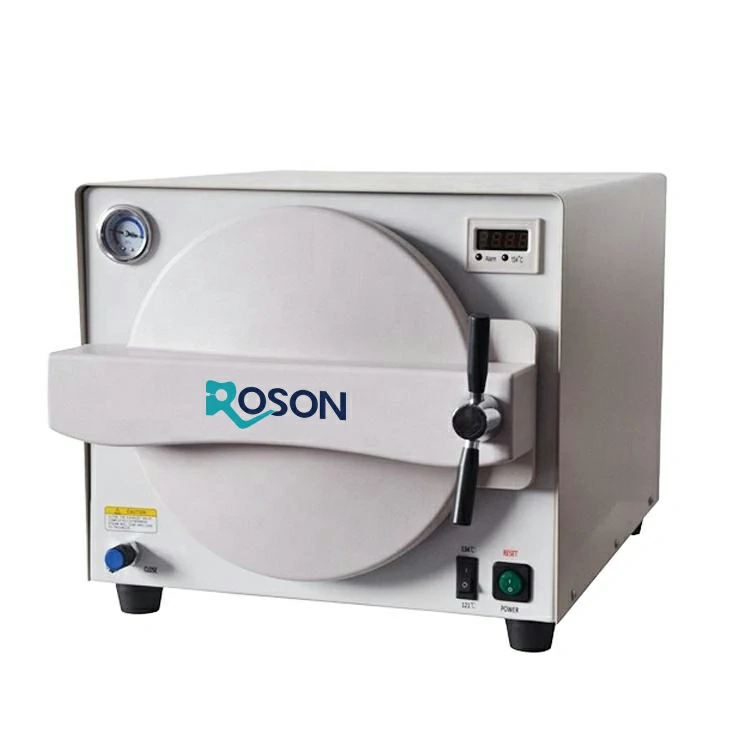
What Should Clinics Check When Selecting an Autoclave?
Clinics should check the sterilization class, vacuum process, safety protection, record storage, cleaning access, and maintenance instructions.
Roson’s dental autoclave page describes a European Class B configuration with three-pulse pre-vacuum. Listed features include a fully open clean-water tank, double overpressure protection, automatic pressure release, overtemperature protection, a cooled vacuum pump, steam separation, and USB storage for more than one million sterilization records.
Buyers should also ask how cycles are selected, how records are exported, what daily cleaning is required, and which replacement parts or consumables must remain available.
How Can Equipment Design Simplify Cleaning and Maintenance?
Equipment design simplifies cleaning when high-contact areas are accessible, removable parts are manageable, and procedures are clearly documented.
Clinics should review upholstery seams, control surfaces, cuspidor access, tubing layout, water tanks, suction components, and service panels. More functions do not automatically create a manageable hygiene process.
How Does Roson Support Clinics and Distributors?
We support clinics and distributors through equipment manufacturing, product selection, compatibility reviews, installation planning, training, quality control, and after-sales assistance.
Its support scope includes:
- Product and configuration consultation
- Installation and space-planning assistance
- Manuals, videos, and training
- Production traceability and inspection
- Warranty and after-sales feedback
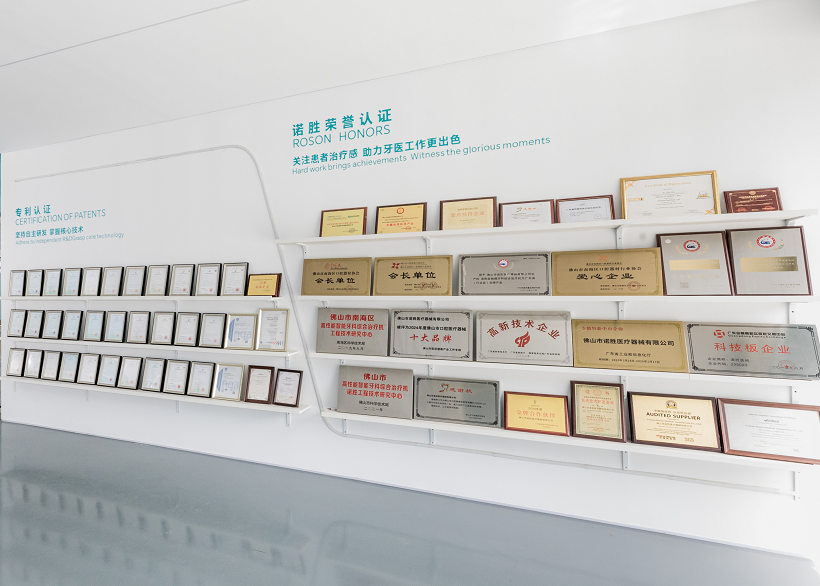
Founded in 2005 in Foshan, we operate a facility of more than 10,000 square metres and serve customers in more than 100 countries. Our product scope includes dental units, compressors, curing lights, imaging products, infection-control equipment, and related dental devices.
What Support Is Available Before an Order?
Before an order, we provide product-selection advice, detailed specifications, customized solution design, compatibility checks, installation and space-planning assistance, and shipping schedule support.
A distributor may need model positioning and configuration options. A clinic owner may focus on operatory layout, utilities, staff operation, and maintenance. The consultation should reflect the buyer’s role.
How Are Quality and After-Sales Support Managed?
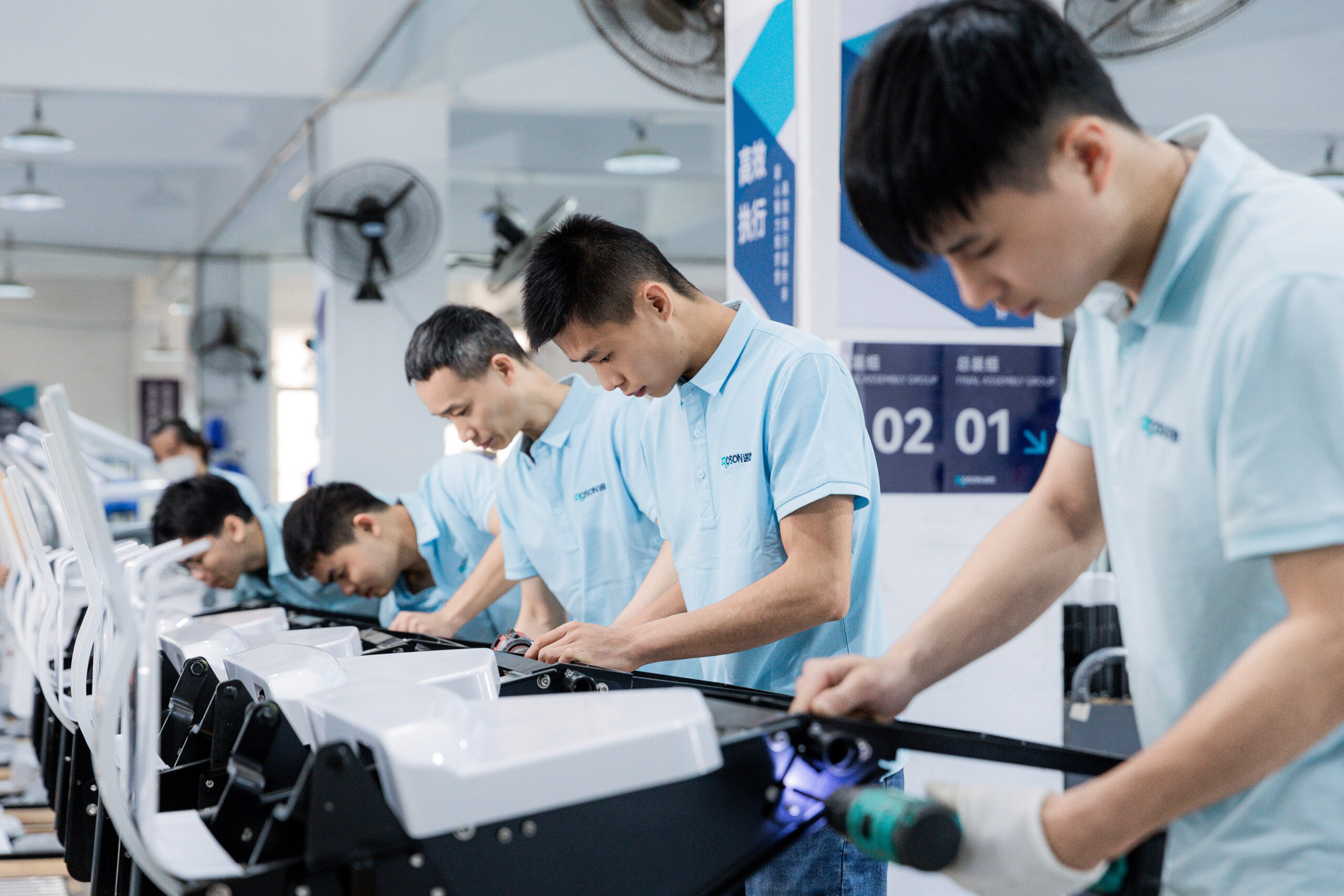
Our Manufacturing Execution System records critical production steps and component information. The documented process covers supplier quality engineering, incoming inspection, in-process debugging, outgoing inspection, packaging, and shipping.
We also provide a 12-month warranty for dental units, online tutorials, on-site training, manuals, video guides, customized training plans, inspection services, and a feedback-based after-sales process.
How Should B2B Buyers Evaluate a Dental Equipment Supplier?
B2B buyers should evaluate the complete purchasing and ownership process, not only the quoted unit price.
Use this supplier checklist:
- Are specifications and optional configurations documented?
- Can compatibility with current equipment be checked?
- Is installation and space-planning support available?
- Are manuals and staff training provided?
- How are spare parts, warranty cases, and technical questions handled?
- Can production and inspection records be traced?
- Does the supplier distinguish clinic needs from distributor needs?
Single-source purchasing can simplify communication and system matching. However, buyers should still compare each model with the clinic’s workload, layout, and procedures.
Conclusion: How Can Clinics Build a Reliable Equipment Plan?
A reliable equipment plan starts with the clinic layout, treatment scope, chair count, utility demand, hygiene workflow, and service expectations.
Before requesting a quotation:
- Prepare the floor plan and utility information.
- List required procedures, chairs, and accessories.
- Confirm training, maintenance, warranty, and support needs.
We combine dental units with compressors, imaging, sterilization, accessories, planning, training, and after-sales support. Explore our dental equipment portfolio or contact us for clinic equipment planning with your project requirements.
About the Author