 EN
EN  ZH
ZH 
Upgrading Your Chair: Lift System Factors

Is it Time to Upgrade Your Dental Chair?
A dental chair is the centerpiece of any treatment room, and its performance directly impacts clinical efficiency, patient comfort, and your practice’s bottom line. If your current chair is becoming unreliable, noisy, or lacks the smooth positioning needed for modern procedures, an upgrade is likely on your mind. The central decision you’ll face is choosing the lift system: a traditional hydraulic drive or a modern electromechanical one.
This article provides a technical comparison of hydraulic and electromechanical lift systems to help you make an informed decision. We will analyze the key differences in performance, reliability, maintenance requirements, and long-term cost, giving you a clear framework for selecting the right technology for your clinic’s needs.
Understanding the Core Technologies: Hydraulic vs. Electromechanical
At first glance, most dental chairs look similar. The real difference lies hidden beneath the upholstery in the lift mechanism that controls height and tilt. Understanding how each system operates is the first step in choosing the right one.
Hydraulic Lift Systems
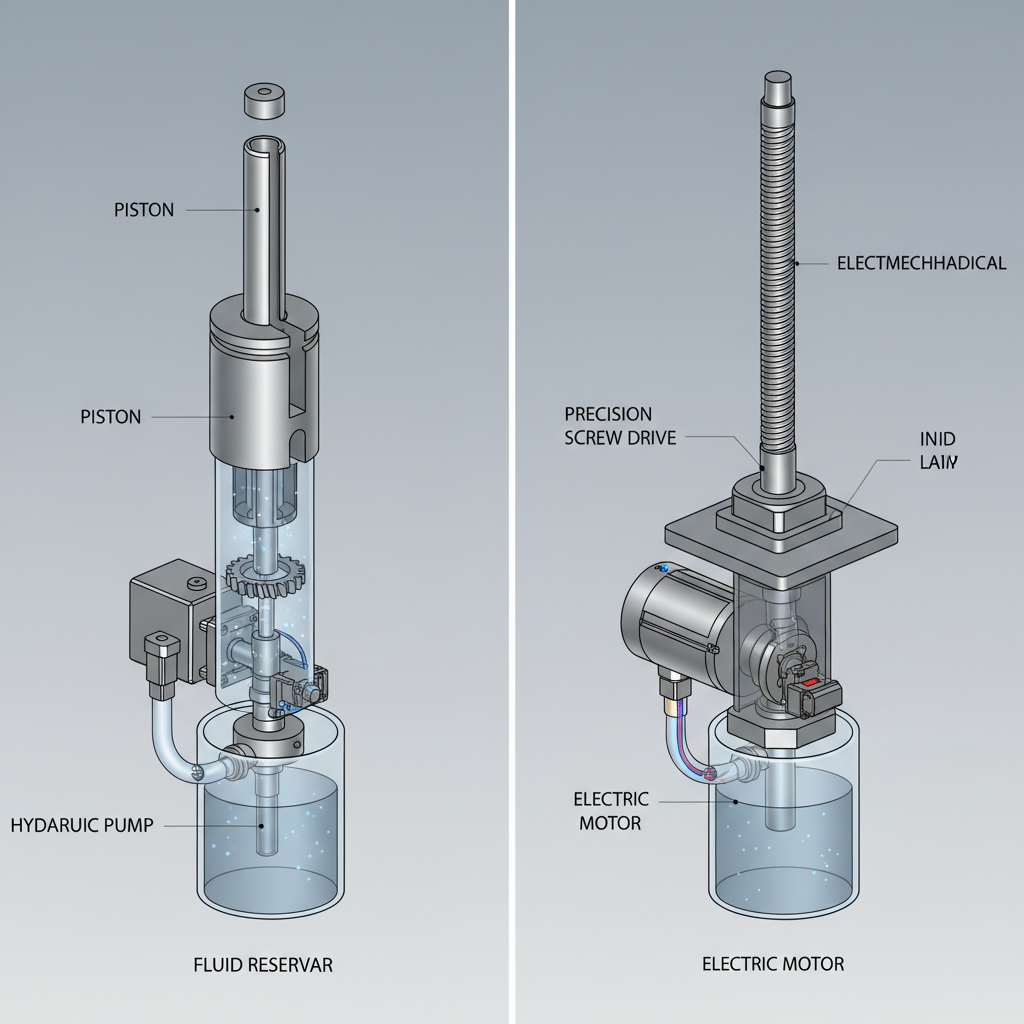
Hydraulic systems are the traditional workhorses of the dental industry. They function by using an electric pump to move incompressible hydraulic fluid into a piston, which raises the chair. Releasing the fluid from the piston allows the chair to lower smoothly under its own weight.
- Mechanism: Simple and powerful, relying on proven principles of fluid dynamics.
- Feel: Known for a robust and sturdy feel during operation.
- History: This technology has been used for decades, and many technicians are familiar with its service requirements.
Electromechanical Lift Systems
Electromechanical systems represent a more modern approach to chair movement. They use one or more electric motors connected to precision screw drives or gears to move the chair. These systems translate the motor’s rotational energy into smooth, linear motion.
- Mechanism: Relies on precision-engineered components like motors, actuators, and control boards for movement.
- Feel: Delivers exceptionally smooth, quiet, and repeatable positioning, which can significantly enhance patient comfort and operator precision.
- Technology: Offers greater control over speed, acceleration, and deceleration, allowing for more refined adjustments.
Performance Comparison for Clinical Environments
The choice between hydraulic and electromechanical systems has direct consequences on the daily workflow of a dental practice. Here’s how they stack up in key performance areas.
Smoothness, Precision, and Patient Comfort
For high-volume clinics handling more than 30–40 patient sessions per week, workflow friction can be a significant drain on productivity. Electromechanical lifts excel in this area. They deliver whisper-quiet, consistent motion without the slight jolts or vibrations that can sometimes accompany hydraulic systems. This level of precision is not just a luxury; it aids in meticulous procedures and significantly improves the experience for anxious patients. For practices focused on patient comfort, exploring options like those found in our clinic’s checklist for choosing comfortable chairs can be highly beneficial.
The smooth start and stop functions of electromechanical systems reduce patient apprehension, making them feel more secure during repositioning.
Durability and Load Capacity
Both systems are built to be durable, but their longevity depends on proper specification and maintenance. A critical mistake I often see is under-specifying the lift capacity. To prevent premature wear and actuator strain, you should always specify a lift rated for 25–30% more than your maximum expected load, which includes the patient and any attachments.
Hydraulic systems are mechanically simple and can handle heavy loads with ease. However, their reliability is tied to the integrity of their seals and hoses. Electromechanical systems, with fewer potential leak points, offer excellent durability as long as they are operated within their specified load limits. For a deeper analysis of this, understanding how chair durability impacts your clinic’s financial health is essential.
Maintenance, Reliability, and Long-Term Value
The long-term cost of a dental chair goes far beyond the initial purchase price. Maintenance needs, potential downtime, and serviceability are critical factors that influence the total cost of ownership (TCO). This is a core aspect of balancing affordability and durability in dental chairs.
Debunking a Common Myth: Upfront Cost vs. TCO
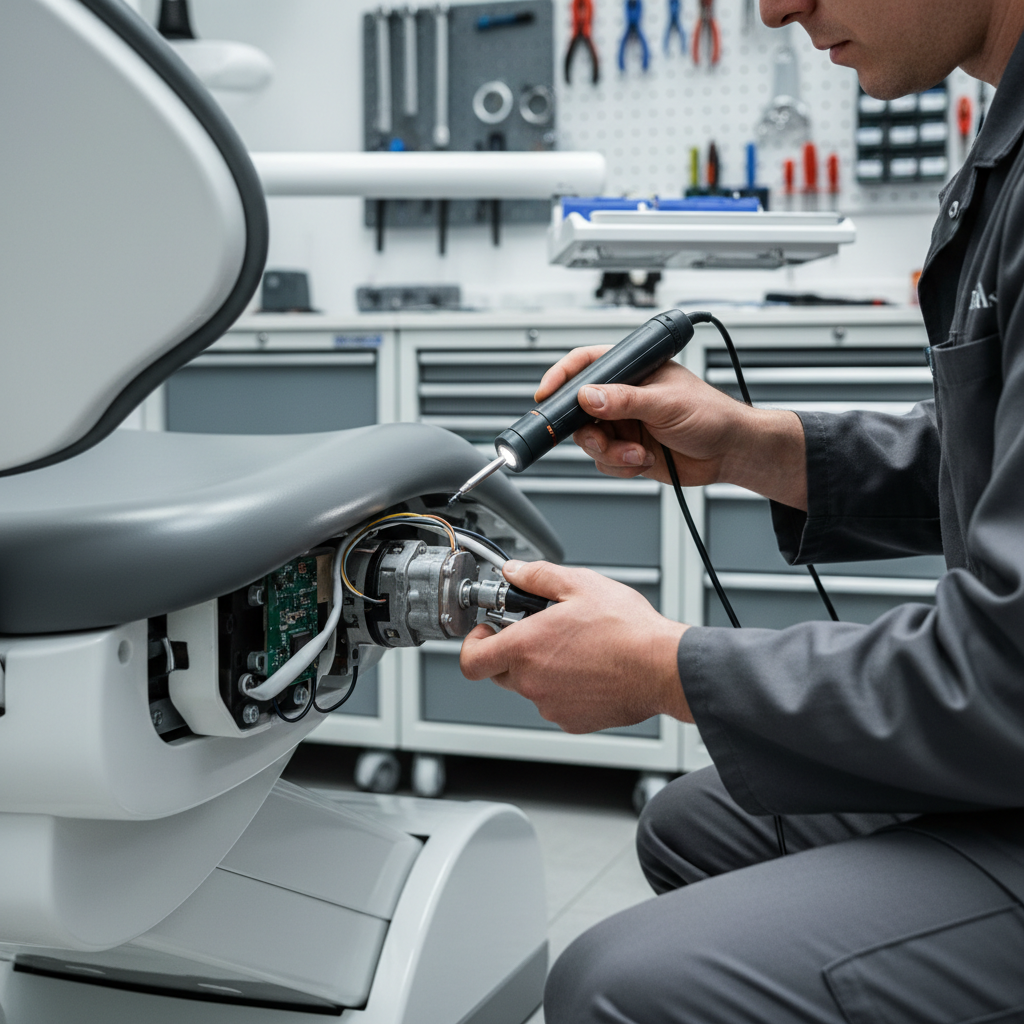
A common misconception is that hydraulic chairs are always the cheaper option. While they often have a lower initial purchase price, their TCO can be higher. Hydraulic systems carry the inherent risk of fluid leaks, which can damage flooring and cause unscheduled downtime. Their seals are wear-and-tear items that require periodic replacement.
I learned this lesson the hard way years ago when a slow leak from a hydraulic chair went unnoticed over a weekend, causing significant damage to the subfloor. The cost of repair and lost revenue from the two days of downtime far exceeded the initial savings on the chair. Electromechanical systems, while potentially more expensive upfront, often prove to be a better long-term investment due to their lower maintenance needs and higher reliability, directly contributing to the long-term value and ROI of a durable dental chair.
Comparative Maintenance Framework
To make the decision clearer, here is a breakdown of what to expect in terms of maintenance and reliability.
| Feature | Hydraulic Lift System | Electromechanical Lift System |
|---|---|---|
| Routine Maintenance | Annual inspection of hoses and seals. Hydraulic fluid service every 3–5 years, depending on use. | Minimal. Primarily involves inspection and lubrication of screw drives as per manufacturer guidelines. |
| Common Failure Points | Perished seals, hose leaks, pump motor failure. | Control board or fuse failure, actuator motor wear (often after many years). |
| Repair Complexity | Mechanically simple and often repairable by local technicians. Parts are generally accessible. | May require a specialized technician familiar with the electronics. Control boards are often plug-and-play. |
| Downtime Risk | Higher risk of sudden, disruptive failure (e.g., a major leak). | Lower risk of catastrophic failure. Issues are often preceded by warning signs (e.g., unusual noise). |
| Best For | Clinics with access to technicians familiar with hydraulics; budget-conscious buyers focused on upfront cost. | High-volume clinics; practices prioritizing quiet operation and patient comfort; those seeking lower long-term maintenance. |
Key Decision Factors for Your Practice
Choosing the right lift system requires looking beyond the technical specifications and considering your clinic’s unique operational context.
Retrofitting and Installation Challenges
Upgrading the lift system on an existing chair is a complex task that requires careful planning. Successful integration is more than just swapping parts. I’ve seen several common mistakes that lead to costly rework:
- Mismatched Mounting Plates: Assuming a new lift will fit an old chair base is a frequent error. Always verify bolt patterns and dimensions.
- Ignoring Center of Gravity: Changing the lift mechanism can alter the chair’s center of gravity, potentially affecting its stability, especially in fully reclined positions.
- Control Electronics Incompatibility: A new lift system may not communicate with the chair’s existing foot pedals or programmable position controls. Full electronic compatibility is crucial.
- Space Allocation: Failing to allocate adequate physical space for the new motor or pump assembly can halt an installation.
For a successful upgrade, it’s wise to consult cost-effective dental chair integration strategies to avoid these pitfalls.
Serviceability and Environmental Factors
Before any purchase, confirm the local availability of replacement parts and certified technicians. My advice is to maintain a small spare-parts kit on-site, including critical items like seals, a controller fuse, and quick-connect hoses. This small investment can prevent days of costly downtime.
Furthermore, consider your clinic’s environment. For practices in areas with unreliable mains power, an electromechanical chair should be budgeted with an uninterruptible power supply (UPS). Alternatively, a hydraulic system or an electromechanical model with a manual override might be a more resilient choice.
Quality and Regulatory Compliance
Regardless of the technology you choose, ensure the equipment complies with stringent quality and safety standards. Reputable manufacturers adhere to a robust quality management system, often certified under ISO 13485:2016 – Quality Management Systems. This standard ensures that the device is designed, produced, and serviced in a controlled and traceable manner.
For chairs sold within the European Union, CE Marking is mandatory, indicating conformity with health, safety, and environmental protection standards. Similarly, devices sold in the United States must comply with the FDA’s Quality System Regulation outlined in 21 CFR Part 820. These certifications are not just paperwork; they are your assurance of the product’s safety, reliability, and performance, reflecting trends in the broader dental equipment market noted by analysts like Frost & Sullivan.
Key Takeaways
Choosing between a hydraulic and an electromechanical lift system is a strategic decision that should be based on your practice’s specific priorities.
- Choose Hydraulic if: Your primary focus is on a lower upfront investment and you have access to technicians skilled in hydraulic service. It is a proven, powerful technology that remains a viable choice for many clinics.
- Choose Electromechanical if: Your practice prioritizes a superior patient experience, quiet operation, and precise positioning. It is the preferred choice for high-volume clinics where workflow efficiency and lower long-term maintenance are paramount.
The right dental chair is a long-term asset. By weighing these factors carefully, you can select a lift system that will serve your practice reliably for years to come, enhancing both your clinical workflow and your patients’ comfort.
Disclaimer: This article is for informational purposes only and does not constitute professional medical or financial advice. The information provided is not a substitute for consultation with a qualified equipment specialist or financial advisor. Always conduct your own due diligence and consult with professionals before making any purchasing decisions.
References
About the Author