 EN
EN  ZH
ZH 
Calculating the ROI of an Ergonomic Chair Investment

The Financial Case for Ergonomic Seating in Your Dental Practice
An ergonomic chair is more than a piece of furniture; it is a fundamental investment in the health of your practitioners and the financial well-being of your practice. While the initial cost can seem significant, a well-designed ergonomic chair delivers a measurable return on investment (ROI) by reducing injury-related costs, boosting procedural efficiency, and enhancing career longevity. This article breaks down the long-term financial benefits and provides a clear framework for calculating the value of this critical asset.
We will move beyond feature lists to analyze how specific ergonomic principles translate directly into operational gains. From minutes saved per procedure to a reduction in staff absences, the data reveals a compelling business case for prioritizing ergonomics in your equipment procurement strategy.
The Hidden Costs of Poor Ergonomics in Dentistry
The physical demands of dentistry are significant. Practitioners often hold static, awkward postures for extended periods, leading to a high prevalence of musculoskeletal disorders (MSDs). Research published in resources like PubMed consistently shows that dentists, hygienists, and assistants are at high risk for chronic pain in the neck, back, and shoulders. These conditions carry substantial and often overlooked costs.
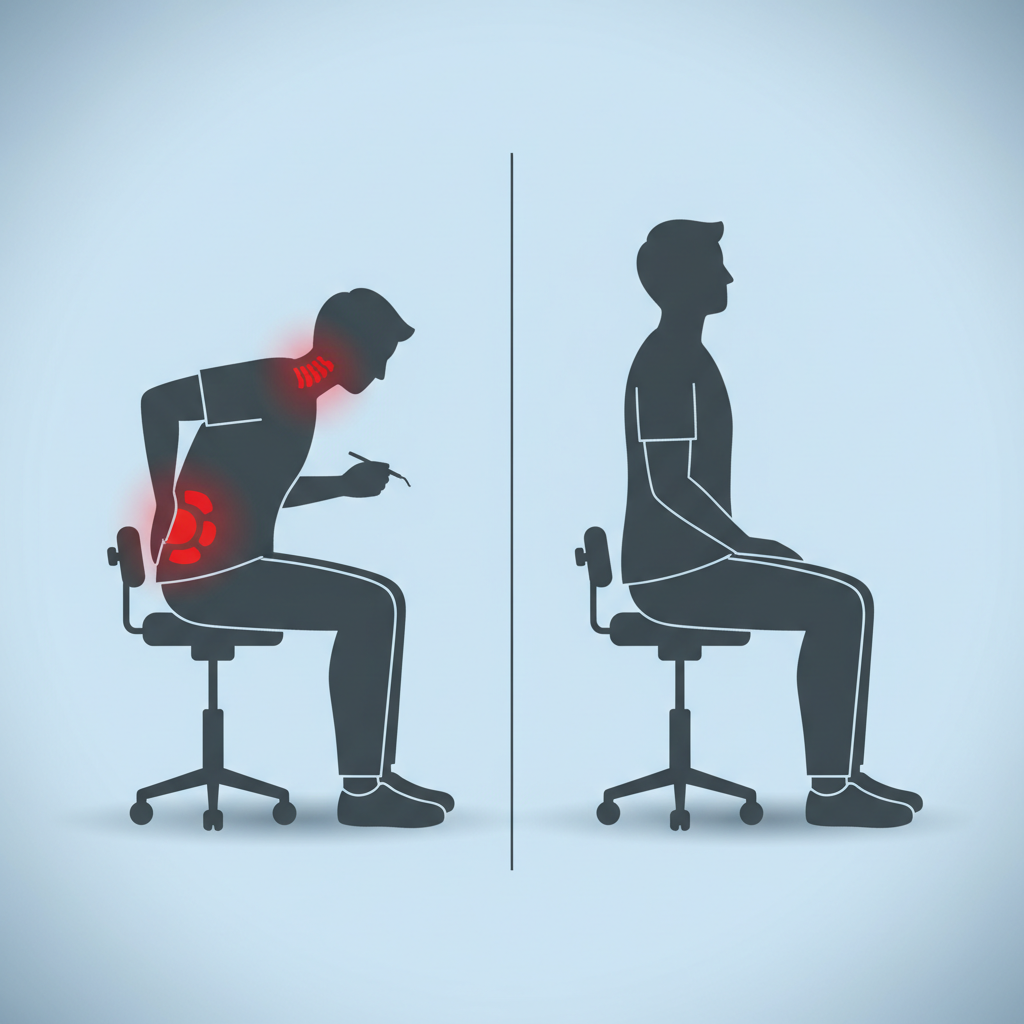
Direct Costs:
- Staff Absences: When a practitioner is unable to work due to pain, the practice loses revenue directly. The cost includes not only the lost production but also the potential expense of hiring a temporary replacement.
- Workers’ Compensation: MSDs can lead to insurance claims, which increase premiums and create administrative burdens.
- Medical Expenses: Treatment for chronic pain, physical therapy, and in severe cases, surgery, represents a significant financial drain.
Indirect Costs:
- Reduced Productivity: A practitioner working through discomfort is not performing at their peak. Their focus is divided, and their movements may be slower and less precise, leading to longer procedure times.
- Decreased Staff Morale: Chronic pain impacts mood and job satisfaction, which can affect the entire team’s morale and the quality of patient care.
- Early Retirement: The cumulative effect of physical strain forces many talented dental professionals into early retirement, representing a massive loss of experience and earning potential.
Failing to invest in proper ergonomics is not a cost-saving measure; it is an acceptance of these hidden, ongoing expenses that silently erode a practice’s profitability.
Quantifying the Gains: A Framework for Calculating ROI
The benefits of ergonomic seating are not just theoretical. We can quantify them to build a clear financial model. The primary drivers of ROI are increased efficiency and reduced downtime.
Step 1: Calculate Annual Time Savings
A common mistake is underestimating the small increments of time saved through better positioning and comfort. An ergonomic chair that allows for smoother movement and better patient access can easily save 1-2 minutes per procedure.
Let’s model this for a typical practice:
| Metric | Conservative Estimate | Calculation | Annual Impact |
|---|---|---|---|
| Procedures per Day | 20 | ||
| Time Saved per Procedure | 1 minute | 20 procedures * 1 min/proc | 20 minutes/day |
| Annual Time Saved | 20 mins/day * 5 days/wk * 48 wks/yr | 4,800 minutes (80 hours) | |
| Value of Time Saved | (at $75/hr staff wage) | 80 hours * $75/hr | $6,000 / year |
As this simple calculation shows, saving just one minute per procedure can translate into thousands of dollars in reclaimed staff time annually. This time can be used to see more patients, improve charting, or reduce overtime.
Step 2: Estimate the Payback Period
The payback period is the time it takes for the financial gains to equal the initial investment. Based on industry observations, this typically ranges from 6 to 24 months.
- Payback Period = (Cost of Chair) / (Annual Financial Gain)
For example, if a high-quality ergonomic chair costs $3,000 and the annual time savings are valued at $6,000, the payback period is just six months. Even for a solo practice with lower procedure volume, a 24-month payback period makes it a sound financial decision.
Step 3: Implement and Measure
To validate these benefits in your own practice, establish a baseline before making a change.
- Baseline Measurement: For two weeks, track procedure times for common treatments.
- Discomfort Log: Ask staff to keep a simple, anonymous log of any physical discomfort they experience.
- Post-Implementation Review: After introducing new ergonomic chairs and providing training, repeat the measurements. The quantifiable improvements in both time and well-being will make the value of your investment clear.
Key Ergonomic Features That Drive Financial Returns
Not all chairs are created equal. The ROI is directly linked to specific design features that support proper posture and reduce physical strain. Equipment manufactured under a robust quality management system, such as the ISO 13485:2016 standard, ensures that these features are reliable and durable.

-
Precise Adjustability: The ability to customize the fit is non-negotiable.
- Seat Height: The chair must adjust to allow the practitioner’s knees to be at approximately a 90° angle with their feet flat on the floor. This is the foundation of a stable posture.
- Seat Tilt: A forward tilt of 0-10° helps rotate the pelvis, which maintains the natural curve of the lower back and reduces strain during procedures.
- Lumbar Support: Look for depth adjustment of around 2-4 cm. This support should fit into the natural curve of the spine to prevent slouching.
-
Durability and Maintenance: A chair that frequently needs repairs creates downtime and added expense. High-quality construction and materials lead to a longer service life. A proactive maintenance schedule is key.
- Quarterly Inspections: Check for wear and tear on casters and upholstery.
- Biannual Lubrication: Lubricate pivots and rails every 6-12 months to ensure smooth, silent adjustments.
- Spare Parts: Keeping common spare parts on hand, like hydraulic seals or casters, can dramatically shorten downtime when a repair is needed.
Debunking a Common Misconception
The Myth: “An ergonomic chair is a luxury. We can save money by choosing a cheaper, basic model.”
This is one of the most persistent and costly misconceptions. Viewing an ergonomic chair through the lens of upfront price alone ignores the much larger financial impact of productivity loss and health-related expenses. As our ROI framework demonstrates, a basic chair is not cheaper in the long run.
The reality is that a well-designed ergonomic chair is a production tool. It directly enables a practitioner to work more efficiently, for longer, and with less risk of a career-ending injury. The initial savings from a cheaper model are quickly erased by the costs of just a few days of lost work or a single workers’ compensation claim. The investment in quality ergonomic equipment is a strategic decision that protects your most valuable asset: your skilled dental team.
Key Takeaways
Viewing an ergonomic chair as an investment rather than an expense is the first step toward building a more resilient and profitable practice. The financial returns are real, measurable, and significant.
- Poor ergonomics are expensive. The hidden costs of lost productivity, staff absences, and practitioner burnout silently drain practice resources.
- ROI is quantifiable. By calculating time savings and reduced downtime, you can demonstrate a payback period that is often less than two years.
- Function drives value. Specific features like precise adjustability and durable construction are what deliver the financial benefits.
- Investment protects your team. Prioritizing ergonomics is a direct investment in the health, well-being, and career longevity of your dental professionals.
Disclaimer: This article is for informational purposes only and does not constitute professional medical or financial advice. Dental professionals should consult with an ergonomics specialist or a qualified healthcare provider to address specific health concerns, especially if they have pre-existing conditions.
References:
- ISO 13485:2016 – Medical devices — Quality management systems — Requirements for regulatory purposes: https://www.iso.org/standard/59752.html
- PubMed – National Library of Medicine: https://pubmed.ncbi.nlm.nih.gov/
- CE Marking – European Conformity: https://ec.europa.eu/growth/single-market/ce-marking_en
About the Author