 EN
EN  ZH
ZH 
The ROI of Patient Comfort in Your Dental Practice

The Direct Link Between Patient Comfort and Clinic Profitability
Patient comfort is not a luxury; it is a core component of a successful dental practice. An uncomfortable or anxious patient is less likely to accept recommended treatments, return for follow-up appointments, or leave a positive review. The experience in the chair directly influences their perception of your entire practice, making it a critical business metric.
How Comfort Reduces Anxiety and Increases Treatment Acceptance
For many, a visit to the dentist is fraught with anxiety. An uncomfortable chair amplifies this stress. I’ve seen anxious patients become visibly more relaxed simply because the chair moved smoothly and quietly. Prioritizing chairs with slow, smooth actuation and a staged recline function can significantly lower the stress caused by sudden movements. A calm patient is more attentive and receptive when you discuss treatment plans, leading to higher case acceptance. They are partners in their own care, not just passive recipients.
The Business Cost of Negative Reviews and Patient Churn
In the digital age, a single negative review about an “old, uncomfortable chair” can deter dozens of potential patients. Patient churn is expensive. Acquiring a new patient costs significantly more than retaining an existing one. An investment in a comfortable and modern-looking chair is an investment in patient retention and marketing. It demonstrates a commitment to patient well-being that pays dividends through loyalty and word-of-mouth referrals, which market analysis from firms like MarketsandMarkets consistently identifies as a key driver in the dental industry.
Key Dental Chair Features That Drive ROI
Not all dental chairs are created equal. Focusing on specific ergonomic and functional features is crucial for maximizing your return on investment. These details impact both the patient experience and the clinician’s ability to work effectively.
Ergonomics for the Patient: More Than Just a Cushion
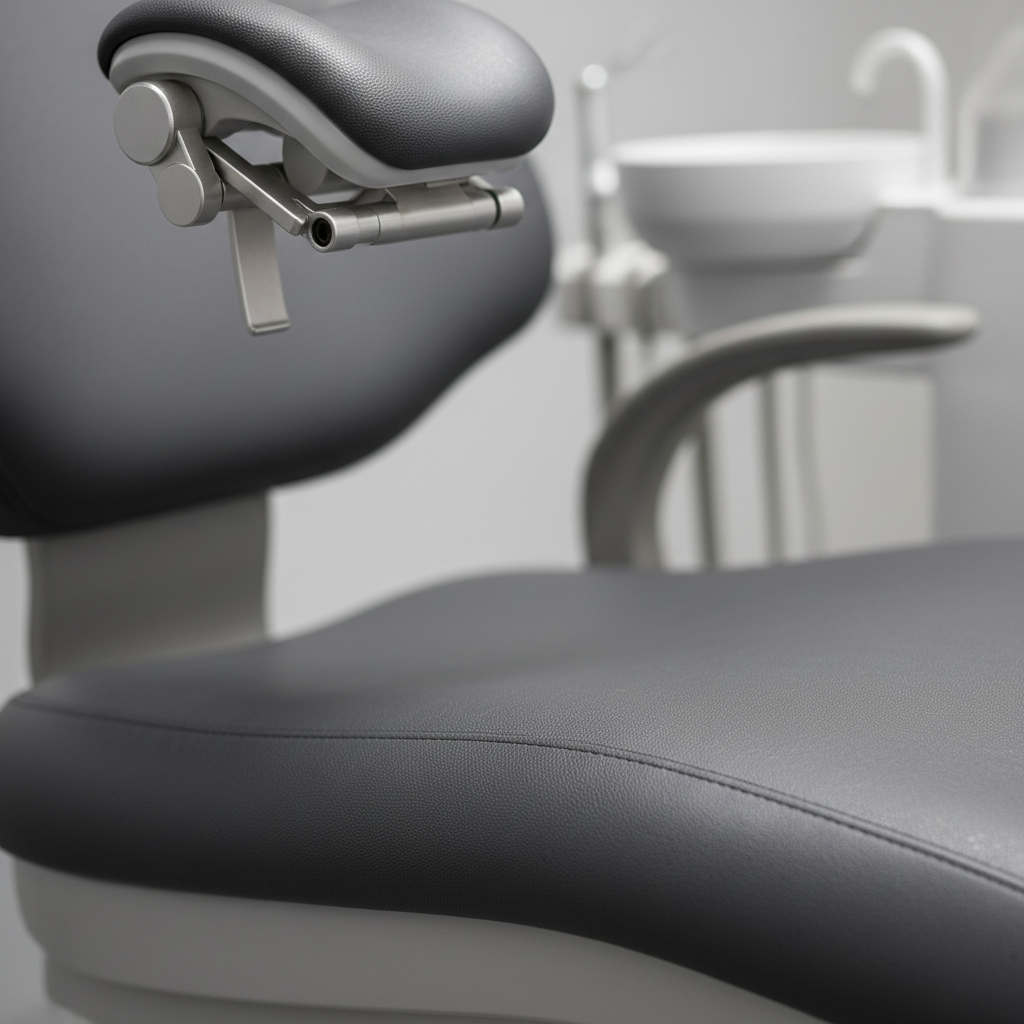
A common mistake is under-specifying foam density, which leads to premature sagging and a poor patient experience. For a busy clinic, a medium-to-high density foam is essential for providing durable support. The ideal cushion thickness is around 4–6 cm to ensure comfort for adults of all sizes. This seemingly small detail prevents the patient from feeling the hard chair components underneath, which is a frequent complaint I hear about budget equipment. A chair that offers superior support immediately signals quality and care.
Clinician-Focused Ergonomics: Access and Adjustability
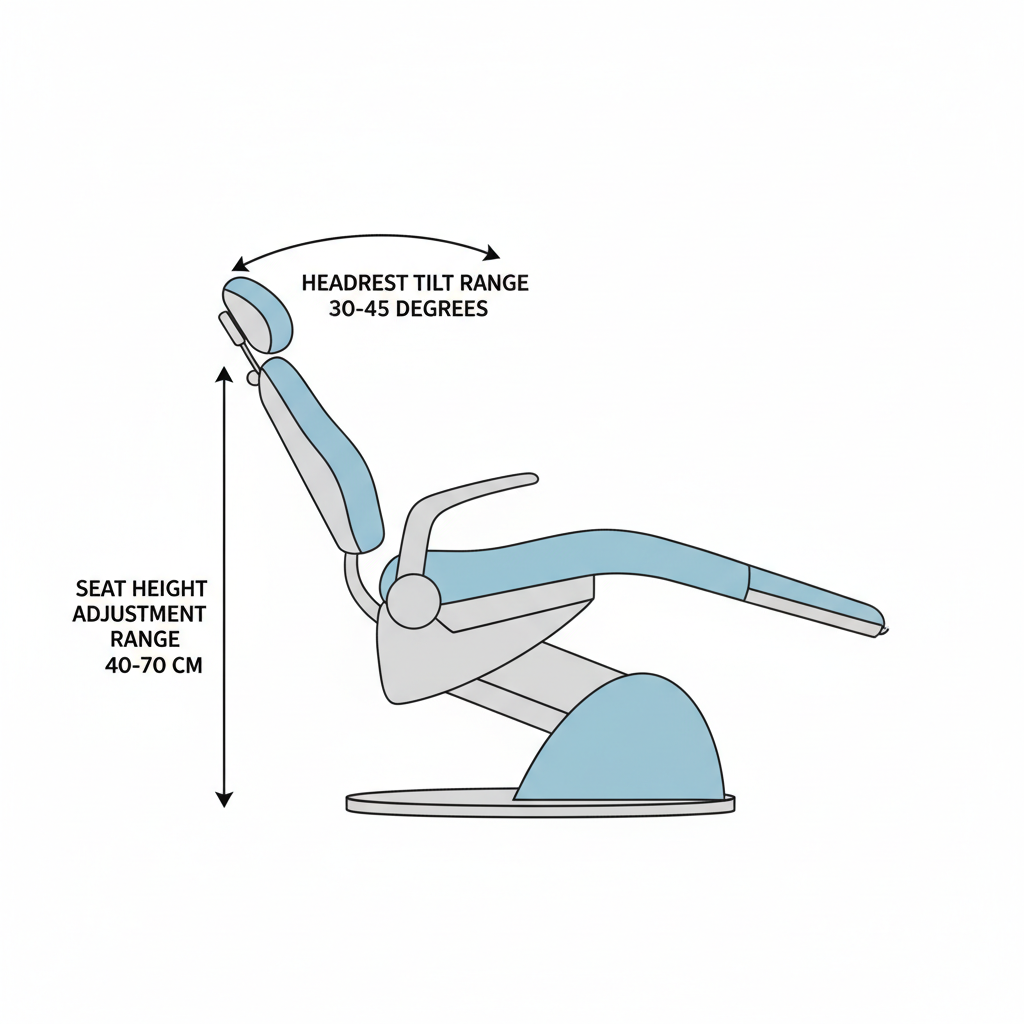
Patient comfort is only half the equation. If the clinician is struggling, the quality of care suffers. A critical feature often overlooked is the headrest and tilt range. A headrest with 10–15 cm of travel and a tilt range of approximately 30–45° allows for universal positioning, granting the clinician optimal access to the oral cavity without forcing them into an awkward posture. Likewise, a seat-height range of about 40–70 cm accommodates different patient heights and allows practitioners to work comfortably whether sitting or standing. Better ergonomics for the clinician leads to less fatigue, higher precision, and improved efficiency throughout the day.
Debunking a Common Myth: Aesthetics Over Serviceability
A frequent pitfall is choosing a dental chair based on its sleek design while ignoring its construction and serviceability. A beautiful chair that is constantly out of service is a liability, not an asset. It causes canceled appointments, lost revenue, and scheduling chaos. When evaluating a new chair, always prioritize robust construction, the availability of a spare-parts kit for common issues, and a design that allows for easy maintenance. This focus on long-term reliability delivers a far greater ROI than a purely aesthetic choice ever could.
Maximizing Uptime and Long-Term Value
A dental chair is a long-term asset, and its value is determined by its entire lifecycle cost, not just the initial purchase price. Durability, compliance, and ease of maintenance are foundational to lowering the total cost of ownership.
The Importance of Durability and Serviceability
Consistent performance is non-negotiable. A chair that fails mid-procedure undermines patient trust and disrupts clinic operations. Implementing a simple maintenance routine can significantly reduce mid-life failures. This includes monthly checks of the upholstery for wear and tear, inspecting hydraulic systems for leaks, and ensuring all movements are smooth. Keeping a basic spare-parts kit on hand for user-serviceable components like fuses or covers can turn a day of downtime into a ten-minute fix.
To make this practical, here is a basic checklist you can adapt for your practice.
| Frequency | Task | Purpose |
|---|---|---|
| Daily | Wipe down upholstery with approved cleaner. | Prevents material degradation and ensures hygiene. |
| Weekly | Test all chair functions (height, tilt, recline). | Catches motor or hydraulic issues early. |
| Monthly | Inspect upholstery for rips or cracks. | Prevents small tears from becoming large, costly repairs. |
| Monthly | Check hydraulic/electric motor housings for leaks. | Early detection of seal failures reduces major repair costs. |
| Quarterly | Verify tightness of all accessible bolts/screws. | Prevents mechanical failures from vibration and regular use. |
| Annually | Professional service as per manufacturer guidelines. | Ensures long-term reliability and operational safety. |
Compliance and Quality Assurance as a Business Asset
Certifications are more than just regulatory hurdles; they are proof of a commitment to safety and quality. A chair that meets stringent standards like ISO 13485:2016 – Quality Management Systems demonstrates that its entire manufacturing process is optimized for medical device safety and efficacy. Furthermore, the CE Marking – European Conformity indicates that the product meets the high safety, health, and environmental protection requirements for the European market. Highlighting these certifications in your practice can build trust with patients, assuring them that you invest in equipment that meets rigorous international safety benchmarks.
Wrapping Up: Comfort as a Strategic Investment
Investing in patient comfort through a high-quality, ergonomic dental chair is one of the most direct ways to improve your clinic’s profitability and reputation. It reduces patient anxiety, which in turn fosters higher treatment acceptance and retention. By focusing on key features like high-density cushioning, broad adjustability for clinician access, and proven durability, you are not just buying a piece of equipment. You are investing in a better patient experience, improved clinical efficiency, and a stronger brand.
Ultimately, a comfortable patient is a loyal patient. They are more likely to return, accept comprehensive treatment plans, and recommend your practice to others. In a competitive market, this experience-driven loyalty provides a powerful and sustainable return on investment.
Disclaimer: This article is for informational purposes only and does not constitute professional medical or financial advice. Dental professionals should consult with qualified experts and conduct their own due diligence before making equipment purchasing decisions. The maintenance advice provided is a general guideline and should be adapted to the specific requirements of your equipment manufacturer.
References
About the Author