 EN
EN  ZH
ZH 
Upholstery & Materials: Balancing Comfort and Durability

The Critical Role of Upholstery in Clinical Operations
The choice of upholstery for a dental chair is far more than a matter of aesthetics. It is a critical decision that directly impacts patient comfort, infection control protocols, and the long-term return on investment for your clinic. The right material balances patient-centric comfort with the harsh realities of daily clinical use, including constant cleaning and mechanical stress. An unsuitable material can lead to premature wear, create hygiene risks, and ultimately result in higher maintenance costs and operational downtime.
This article provides a detailed guide to understanding dental chair upholstery. We will analyze different materials, explain the importance of foam and construction, and offer a practical framework for making an informed purchasing decision that prioritizes durability, cleanability, and value.
Understanding the Core Components: More Than Just a Cover
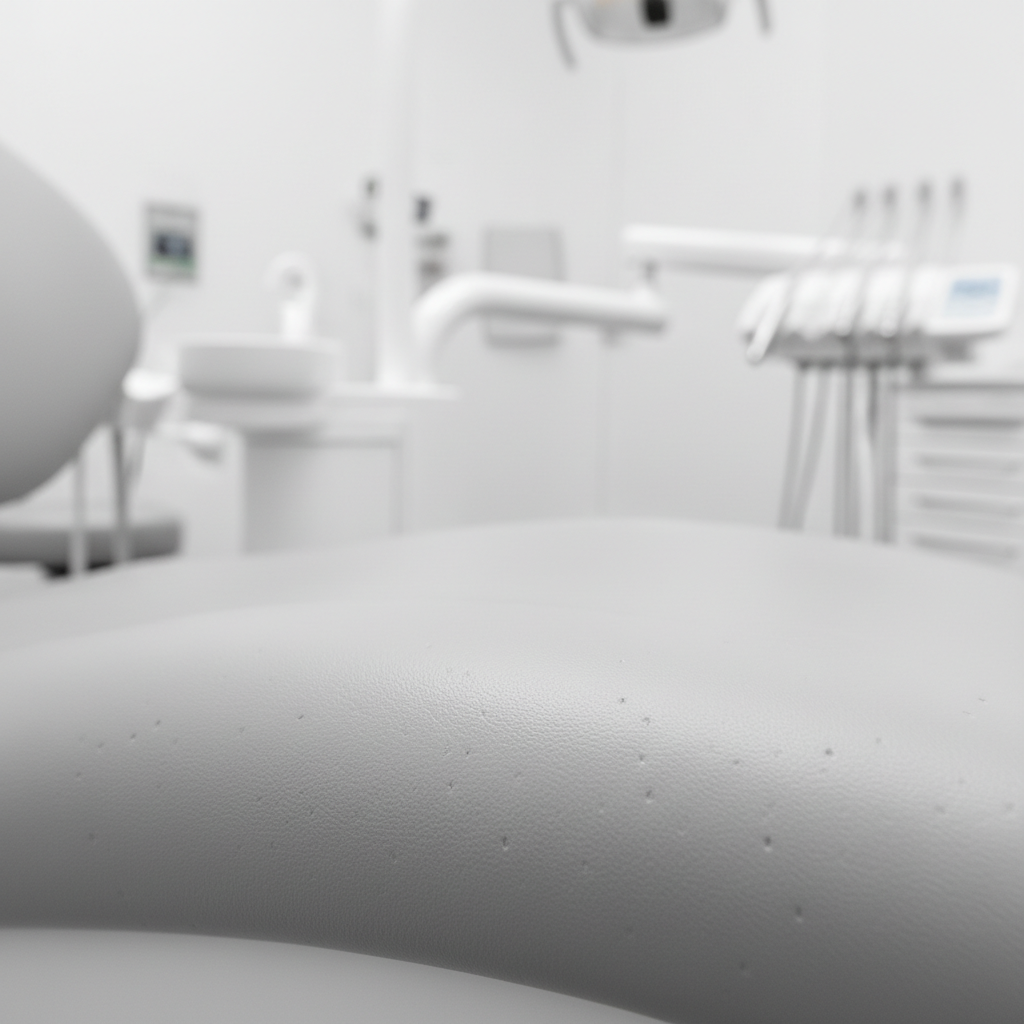
The performance of dental chair upholstery depends on the synergy between its three main components: the surface material, the internal foam core, and the construction method. A failure in any one of these areas can compromise the entire chair.
- Surface Material: This is the chair’s first line of defense. Medical-grade vinyl and seamless synthetic upholsteries are common choices, designed to be non-porous and resilient against cleaners and disinfectants.
- Foam Core: The foam determines both comfort and support. Its density and firmness are key specifications that influence how well the cushion distributes pressure and how quickly it recovers its shape after use.
- Construction: This includes the seams, backing, and how the upholstery is attached to the chair frame. High-quality construction prevents fluids from seeping into the core and allows for easier maintenance and repair.
A Deep Dive into Upholstery Materials and Construction
Choosing the right material requires looking beyond the surface. Durability in a high-traffic dental clinic is not just about resisting scratches; it’s about withstanding a constant barrage of disinfectants, mechanical stress, and patient turnover. For procurement managers and clinic owners, understanding the technical specifications is key to avoiding costly replacements.
Material Comparison: Medical-Grade vs. Standard Synthetics
Not all vinyl or synthetic materials are created equal. The distinction between standard and medical-grade upholstery lies in its manufacturing and testing, which ensures compliance with healthcare-specific demands.
| Feature | Medical-Grade Upholstery | Standard Vinyl/Synthetic | Clinical Implication |
|---|---|---|---|
| Surface Porosity | Extremely low to non-porous | Variable, may be slightly porous | A non-porous surface is essential for effective infection control, as it prevents absorption of fluids and microbes. |
| Chemical Resistance | Tested against common hospital-grade disinfectants | May degrade, crack, or discolor with harsh chemicals | Ensures longevity and safety, as material breakdown can harbor pathogens. |
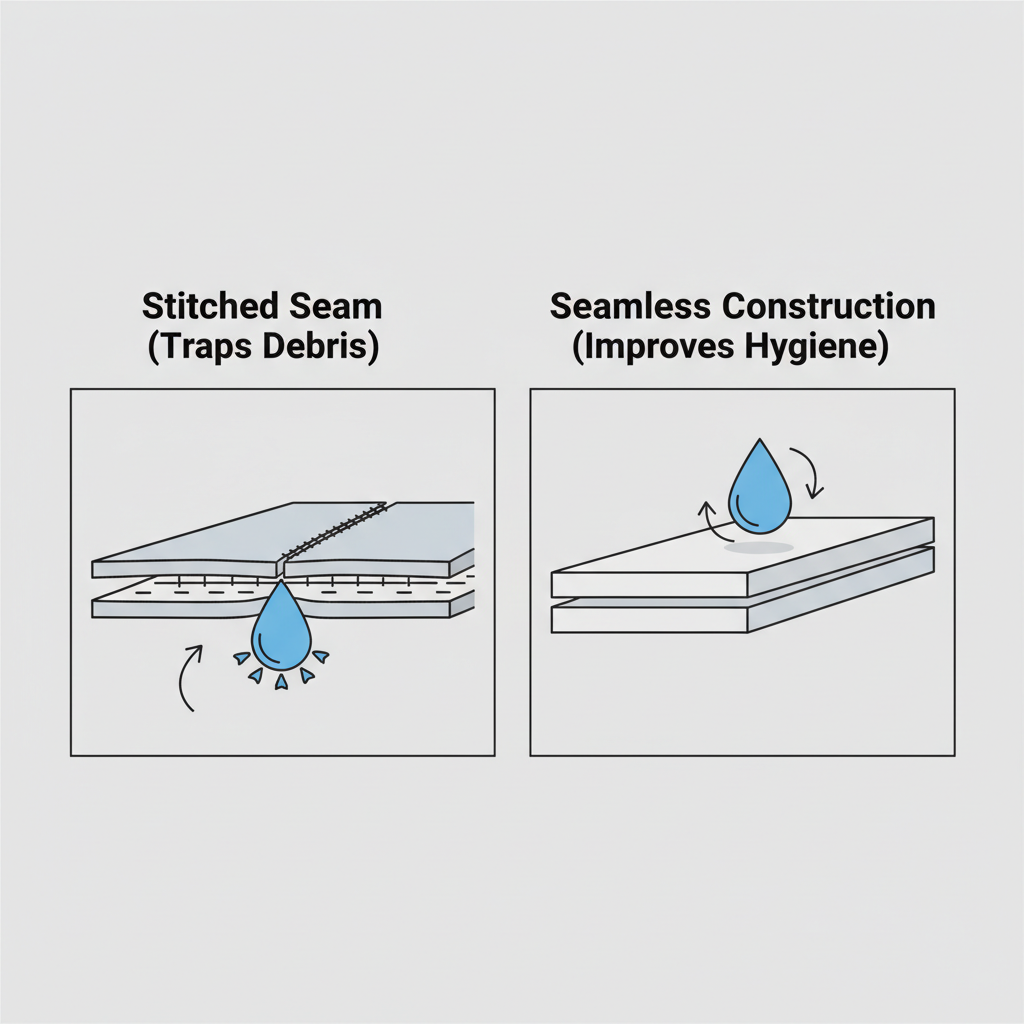
| Seam Construction | Often features welded or heat-sealed seams | Typically stitched with thread | Seamless construction eliminates needle holes that can trap bacteria and fluids. |
| Regulatory Compliance | Manufactured in facilities that may follow standards like ISO 13485 | Generally not subject to medical device regulations | Provides assurance of quality control and material traceability, which is crucial for medical equipment. |
The Unseen Contributor: Foam Density and Firmness
A common mistake in purchasing is prioritizing initial softness over long-term resilience. Overly soft foam breaks down quickly under the repetitive weight of patients, leading to bottoming out, pressure points, and a shorter service life.
Experienced practitioners know to look for a balance. A practical heuristic is to select medium-high density foam (approximately 40–60 kg/m³) with medium-firm comfort. This specification provides sufficient pressure relief for patient comfort during procedures while ensuring the cushion retains its shape and supportive qualities over thousands of uses. In humid climates, it is also wise to opt for treated or closed-cell foam layers to minimize the risk of moisture absorption and microbial growth within the cushion.
Debunking a Common Myth: Softer is Not Better
The Misconception: Many believe that the softest, most plush cushion provides the best patient experience.
The Reality: In a clinical setting, ultra-soft cushions present significant drawbacks. They are prone to rapid degradation and “packing down,” which diminishes support. More importantly, their increased pliability can make them harder to clean effectively, as crevices and folds can trap contaminants. A medium-firm cushion provides a more stable and hygienic surface that stands up to the rigors of a busy practice.
Infection Control: A Non-Negotiable Requirement
Effective infection control is paramount in any dental practice. The chair’s upholstery is a primary point of patient contact and must be compatible with stringent cleaning protocols. The material’s chemical resistance and construction are critical factors in maintaining a hygienic environment.
The Importance of Seamless and Sealed Construction
Stitched seams, while common in residential furniture, create thousands of puncture holes where fluids, bacteria, and viruses can accumulate. Over time, these areas become impossible to disinfect properly. Best practice favors chairs with welded or heat-sealed seams. These techniques bond the material together without perforation, creating a smooth, impervious barrier that is easy to wipe down and keeps the internal foam core protected from contamination.
When evaluating a chair, also look for removable panels or modular cushion designs. These features simplify deep cleaning, maintenance, and eventual replacement, extending the functional life of the chair base.
The Disinfectant Dilemma: A Practical Testing Protocol
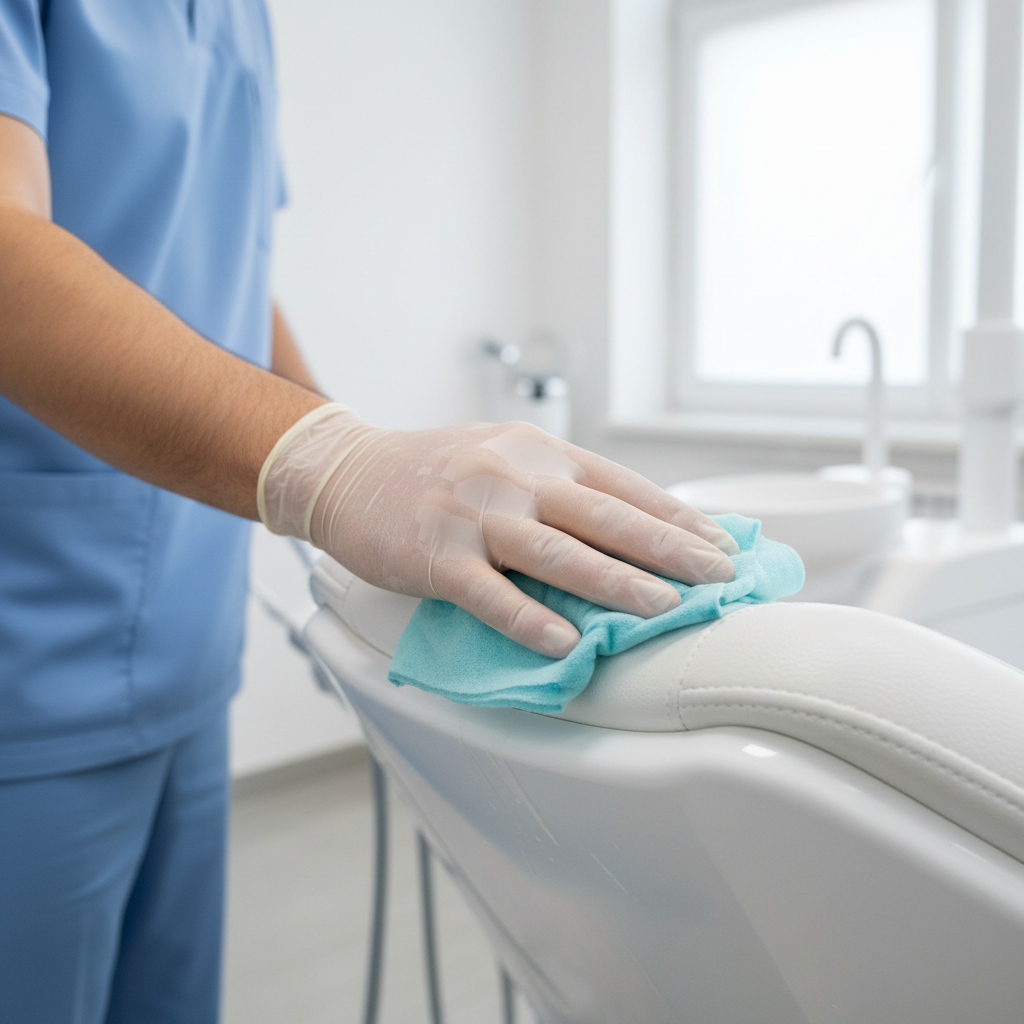
One of the most frequent and costly mistakes is using cleaning agents that are incompatible with the upholstery material. Alcohol-based cleaners can dry out and crack certain vinyls, while harsh bleach solutions can cause discoloration and accelerate the delamination of sealed edges. This not only ruins the chair’s appearance but also creates surface cracks that can harbor pathogens.
To prevent this, implement a simple but effective testing protocol:
- Always consult the manufacturer’s cleaning guide first. This document specifies which types of disinfectants are approved for use.
- Keep a compatibility list of approved cleaners readily available for all staff members.
- Before using a new disinfectant, test it on a small, concealed area of the upholstery (e.g., on the underside of the leg rest).
- Apply the cleaner and let it sit for the recommended contact time, then wipe it off.
- After 24 hours, inspect the area for any signs of damage, such as discoloration, tackiness, or brittleness.
Procurement and Lifecycle Management
Selecting the right upholstery is an investment in your clinic’s operational efficiency and safety. A smart procurement strategy considers not only the upfront cost but also the total cost of ownership, including maintenance and expected lifespan.
A Framework for Your Purchase Decision
When comparing dental chairs, use the following checklist to evaluate the upholstery:
- Material Specification: Is it explicitly listed as medical-grade? Does the manufacturer provide data on its chemical resistance?
- Foam Quality: Ask for the foam density (aim for 40-60 kg/m³) and firmness rating. Does it balance comfort with durability?
- Seam Construction: Are the seams welded or heat-sealed? Avoid stitched seams on primary contact surfaces.
- Certifications: Does the chair carry a CE Marking or comply with relevant sections of the EU MDR? This indicates adherence to health and safety standards.
- Warranty and Service: What does the warranty cover regarding the upholstery? Are replacement cushions or repair services available?
Budgeting for the Inevitable: Service Life and Replacement
Even the most durable upholstery has a finite lifespan. In a typical clinic setting, you can expect a practical service life of 3 to 7 years. For high-volume clinics or training centers, it is prudent to budget for replacement on a 3 to 4-year cycle. Planning for modular cushion replacement can be a cost-effective strategy, allowing you to refresh the patient contact surfaces without replacing the entire chair mechanism.
Key Takeaways
Choosing the right dental chair upholstery is a strategic decision that impacts every aspect of your practice. To ensure you are making a sound investment, prioritize long-term value over short-term savings.
Focus on materials engineered for the healthcare environment—specifically, medical-grade, seamless upholstery that is proven to withstand rigorous disinfection protocols. Pay close attention to the unseen components, like a medium-firm, high-density foam core, which is essential for both patient support and durability. By moving beyond aesthetics and evaluating upholstery based on its technical merits, you equip your clinic for safety, efficiency, and sustained performance.
Disclaimer: This article is for informational purposes only and does not constitute professional medical or procurement advice. Always consult the manufacturer’s specifications and guidelines. Ensure that all equipment complies with local and national regulatory standards for medical devices.
References
About the Author