 EN
EN  ZH
ZH 
Tech Innovations in Patient-Centric Chair Design

From memory foam cushioning to silent electromechanical lifts, technology is transforming patient comfort. While the dental chair was once viewed primarily as a static positioning tool for the clinician, modern engineering has reimagined it as an active component of the treatment experience. For dental professionals, understanding the technical nuances of chair design—ranging from foam density metrics to motor duty cycles—is no longer optional; it is a critical factor in clinical efficiency and patient retention.
In the competitive landscape of dental healthcare, patient anxiety remains a significant barrier to treatment acceptance. Research indicates that physical discomfort during procedures exacerbates psychological stress, leading to fidgeting that disrupts the clinician’s workflow. By integrating advanced ergonomic principles and robust electromechanical systems, clinics can bridge the gap between durability and the “soft skills” of patient care.
This article examines the latest innovations in dental chair design that are setting new standards for the patient experience, grounded in strict regulatory compliance and real-world engineering data.
The Ergonomics of Stability: Why Foam Density Matters
A common misconception in dental equipment procurement is that “softer is better” for patient comfort. In reality, overly soft cushioning often leads to the “hammock effect,” where the patient sinks too deeply, restricting their movement and causing the material to bunch up around pressure points. This not only creates heat buildup but also forces the patient to constantly readjust, disrupting the procedure.
The Science of Support
From an engineering perspective, the ideal upholstery specification involves medium-high foam density. This material offers a tactile experience that feels “slightly firm” upon initial contact but conforms to the body’s contours under sustained load without collapsing.
- Pressure Distribution: Higher density foam distributes the patient’s weight more evenly across the sacral and scapular regions, reducing the risk of numbness during long procedures (e.g., endodontics or implant surgery).
- Durability Metrics: High-density foam resists permanent deformation (sagging). Experience in high-volume clinics shows that cushions with inadequate density often require replacement within 2–3 years, whereas properly specified medium-firm foam can retain its shape for 5–7 years of daily use.
Material Selection for Infection Control
Beyond comfort, the interaction between upholstery and disinfectants is critical. According to ISO 13485:2016 – Quality Management Systems, medical devices must maintain safety and performance standards throughout their lifecycle. This includes resistance to chemical degradation. Seamless upholstery designs minimize crevices where pathogens can hide, but the material itself must withstand harsh cleaning agents without cracking—a common failure point in lower-grade “luxury” soft leathers.
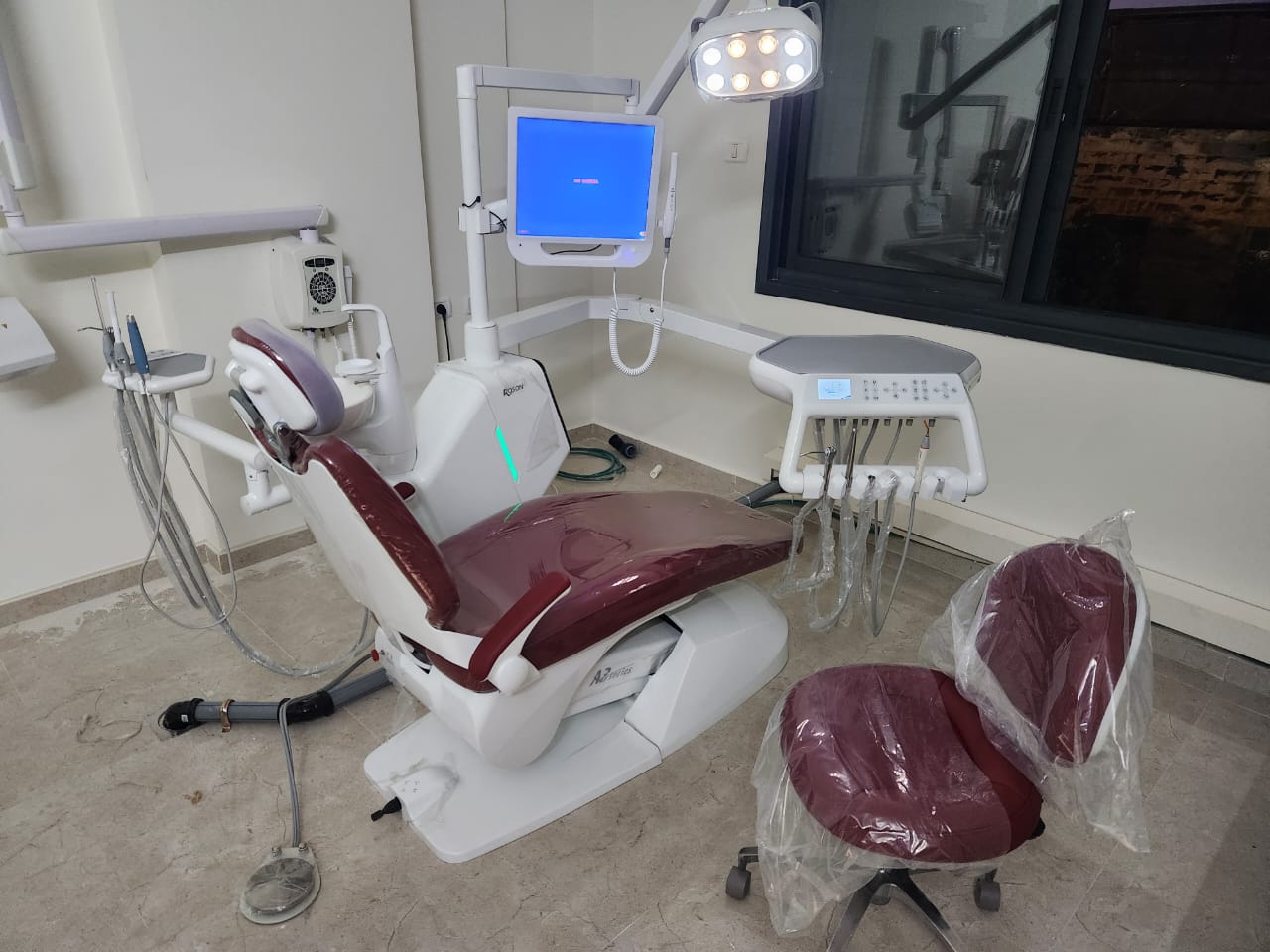
Comparison: Cushioning Technologies
To help clinics choose the right balance, we’ve analyzed the trade-offs between common upholstery types.
| Feature | Low-Density Soft Foam | Medium-High Density Foam | Memory Foam (Viscoelastic) |
|---|---|---|---|
| Initial Feel | Plush, immediate sink | Supportive, slightly firm | Contoured, adaptive |
| Long-Term Support | Poor; bottoms out quickly | Excellent; maintains posture | Good; temperature dependent |
| Heat Retention | High (traps body heat) | Low to Medium | High |
| Durability | Low (prone to sagging) | High (resilient structure) | Medium (can harden over time) |
| Maintenance Cost | High (frequent replacement) | Low (long lifecycle) | Medium |
For a deeper understanding of how equipment choices impact patient perception, read our analysis on A Patient’s View on Dental Chair Ergonomic Comfort.
Electromechanical Precision: Reducing Anxiety Through Silence
The soundscape of a dental operatory significantly influences patient anxiety levels. The sudden whine of a hydraulic pump or the grinding of a strained motor can trigger a “fight or flight” response in nervous patients. Modern patient-centric design prioritizes acoustic engineering alongside mechanical lift capacity.
Motor Specifications and Noise Targets
Clinicians and ergonomists generally agree that chair lift noise should remain under 50 dB—roughly the volume of a quiet conversation. Anything louder becomes a distraction and a stressor.
To achieve this, manufacturers are shifting toward electromechanical drives with specific attributes:
- Stall-Protected Motors: These motors prevent burnout if the chair encounters an obstruction, ensuring safety and longevity.
- Soft-Start/Soft-Stop Technology: This feature ramps up the motor speed gradually, eliminating the jarring “jolt” that occurs when a chair starts or stops moving. This smooth transition is vital for patients with vertigo or vestibular issues.
Duty Cycles and Reliability
A critical but often overlooked specification is the motor’s duty cycle. Dental chairs are designed for intermittent duty, typically rated to avoid overheating during continuous operation.
- Operational Guideline: To extend motor life, avoid repeated full-stroke movements (e.g., fully up to fully down) lasting longer than roughly 2 minutes per cycle.
- Real-World Impact: Ignoring duty cycle limits is a primary cause of premature actuator failure in high-volume clinics.
Implementing reliable electromechanical systems not only improves the patient experience but also protects the clinic’s bottom line. For more on this, refer to our guide on The Financial Impact of Dental Chair Reliability & Downtime.
Geometric Accessibility: Designing for the 95th Percentile
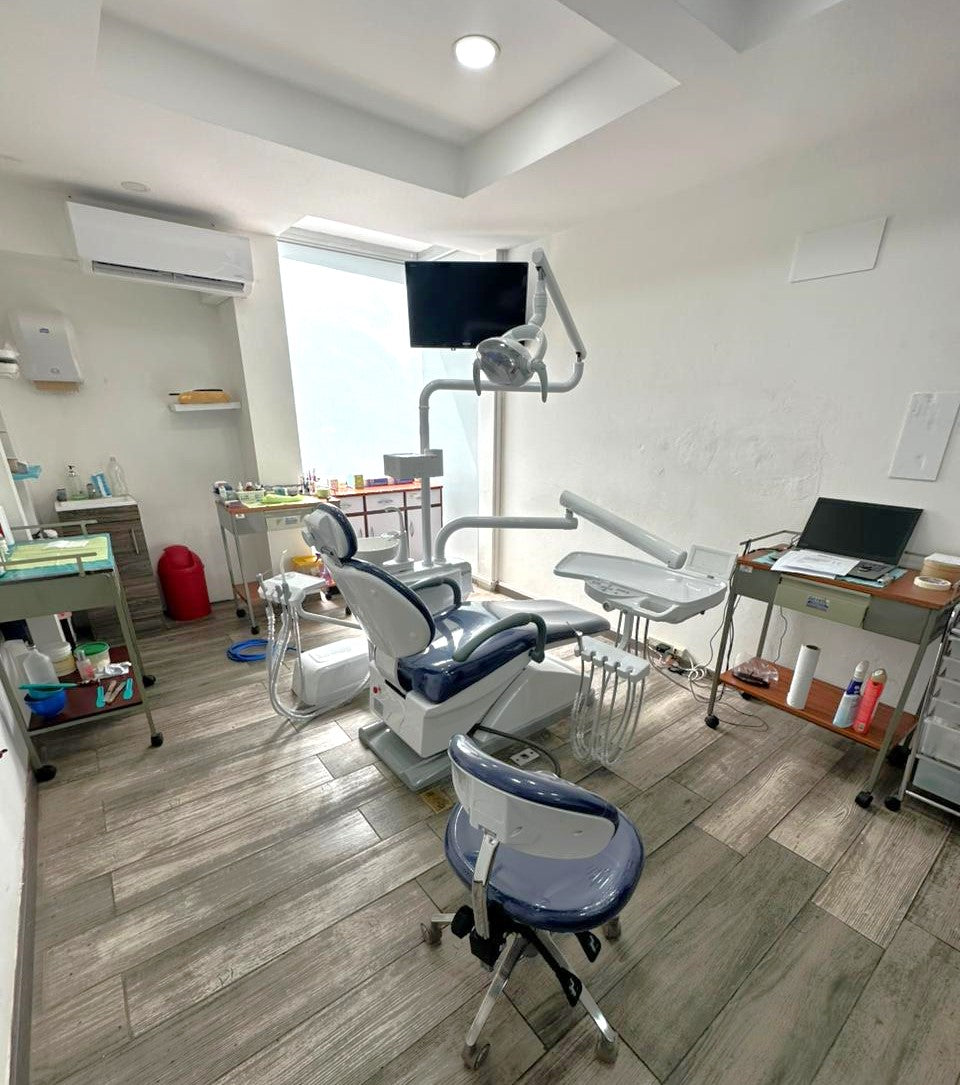
True patient-centric design is inclusive. It must accommodate a vast range of body types, from children to tall adults, as well as patients with limited mobility. The geometry of the chair—specifically its lift range and articulation angles—determines its versatility.
Critical Adjustment Ranges
Based on anthropometric data and FDA 21 CFR Part 820 considerations for device safety and effectiveness, the following adjustment ranges are recommended to cover approximately 95% of the adult patient population:
- Seat Height (420–600 mm): A minimum height of ~420 mm allows elderly or shorter patients to sit and stand with their feet flat on the floor, reducing fall risk. A maximum height of ~600 mm allows the clinician to work comfortably while standing or sitting, preserving their own ergonomic health.
- Headrest Extension (~60–120 mm): An articulating headrest with significant extension is crucial for taller patients, preventing neck strain during prolonged treatments.
- Backrest Recline (140°–170°): The ability to move from an upright consult position to a near-supine Trendelenburg position facilitates complex procedures and manages patient fainting episodes (syncope).
The Workflow Connection
Accessibility isn’t just about the patient; it’s about the clinical team. A chair that positions the patient correctly allows the dentist to maintain a neutral spine posture.
- Pro Tip: When evaluating a chair, check the clearance around the base. A compact footprint allows the clinician to move closer to the patient without straddling wide bases or tripping over protruding shrouds.
- Common Mistake: Selecting a chair based solely on price without verifying the “knee-to-chest” clearance can lead to chronic back pain for the dentist.
For clinics looking to optimize their setup, see our insights on The ROI of an Accessible Dental Chair in Your Practice.
Compliance and Future-Proofing
Navigating the regulatory landscape is essential for any clinic upgrading its equipment. Adherence to standards like the EU MDR – Medical Device Regulation ensures that the equipment meets rigorous safety and clinical evaluation requirements.
Documentation and Maintenance
A patient-centric chair is only effective if it remains functional. When procuring equipment, especially for B2B distributors or large clinics, request the following to ensure compliance and maintainability:
- Spare Parts Availability: Verify lead times for critical consumables like O-rings, seals, and upholstery kits.
- SOPs (Standard Operating Procedures): Ensure the manufacturer provides clear maintenance protocols.
- Component Traceability: A parts list that includes specific codes for motors and actuators simplifies post-warranty repairs.
According to market analysis by Frost & Sullivan, the global dental equipment market is increasingly favoring manufacturers who provide transparent lifecycle support over those who simply sell a product. This shift underscores the value of reliability over aesthetic luxury.
Wrapping Up: The ROI of Patient-Centric Engineering
Investing in patient-centric chair design is a strategic decision that impacts clinical outcomes and operational efficiency. By prioritizing features like medium-high density foam for stability, silent electromechanical drives for anxiety reduction, and inclusive geometric ranges, clinics can create a superior treatment environment.
Key Takeaways:
- Stability over Softness: Choose medium-firm foam to prevent patient fatigue and ensure upholstery longevity.
- Silence is Golden: Specify motors with <50 dB noise levels and soft-start/stop features to minimize patient stress.
- Universal Fit: Ensure seat height adjustability (420–600 mm) to accommodate 95% of patients safely.
- Lifecycle Value: Verify ISO/CE compliance and spare parts availability to secure your investment against downtime.
Frequently Asked Questions
Q: Why is foam density more important than thickness for patient comfort?
A: Thickness can be misleading. Low-density thick foam collapses under weight, offering no support. Medium-high density foam provides resistance, supporting the patient’s skeletal structure and preventing pressure points during long procedures.
Q: How often should dental chair motors be serviced?
A: While sealed electromechanical motors are largely maintenance-free, it is recommended to inspect the lift mechanism and lubricate pivot points annually. Always refer to the manufacturer’s specific maintenance SOPs.
Q: Can a dental chair’s weight limit affect its lifespan?
A: Yes. Regularly exceeding the rated weight capacity (Safe Working Load) puts excessive strain on the actuators and hydraulic seals. Ensure your chair is rated for the patient demographic you serve, typically at least 135 kg (approx. 300 lbs) for standard models.
Q: Is it necessary to have a chair that goes fully supine (flat)?
A: Yes, a near-supine position (approx. 170°) is essential for certain maxillary procedures and is a critical safety feature for managing medical emergencies like patient fainting (syncope) in the dental chair.
References
- ISO 13485:2016 – Quality Management Systems
- FDA 21 CFR Part 820 – Medical Device Regulations
- EU MDR – Medical Device Regulation
- Frost & Sullivan – Dental Equipment Market Report
- National Institute of Dental and Craniofacial Research (NIDCR)
Disclaimer: This article is for informational purposes only and does not constitute professional medical or technical advice. Dental professionals should consult with qualified equipment technicians and adhere to local regulatory standards when installing or maintaining medical devices.
About the Author