 EN
EN  ZH
ZH 
Creating a Maintenance Log for Your Dental Chairs

Why a Detailed Maintenance Log is Non-Negotiable
In any busy dental practice, the operational availability of core equipment is paramount. A non-functional dental chair means canceled appointments, lost revenue, and a disruption to patient care. While it may seem like administrative overhead, a meticulously kept maintenance log is one of the most powerful tools a clinic has to protect against these risks. It transforms equipment management from a reactive chore into a proactive strategy for ensuring longevity, safety, and operational readiness.
Beyond Compliance: The Business Case for Meticulous Records
A detailed service history does more than just prepare you for an audit. It is a core component of a robust quality management system, a principle central to standards like ISO 13485:2016 – Quality Management Systems, which provides a framework for ensuring medical devices consistently meet customer and regulatory requirements. A well-maintained log directly supports this by providing objective evidence of your commitment to quality and safety.
From a business perspective, the benefits are tangible:
- Maximizing Asset Lifespan: Tracking service intervals ensures that preventative tasks, like lubrication and calibration, are performed on time, preventing premature wear on critical components.
- Reducing Emergency Downtime: A log helps you anticipate needs. I once worked with a clinic that faced recurring issues with a chair’s hydraulic lift. Because they had no detailed records, they couldn’t tell the new technician that the issue only appeared after about two hours of continuous use. A simple note in a log could have saved hours of diagnostic time and a full day of canceled appointments.
- Informing Capital Budgeting: By analyzing the frequency and cost of repairs for older equipment, you can make data-driven decisions about when to replace a chair rather than continue to repair it.
- Improving Resale Value: A complete and verifiable service history can significantly increase the resale value of a dental chair when it is time to upgrade.
Debunking a Common Maintenance Myth
A frequent misconception in many clinics is the belief that “our lead technician knows the equipment; we don’t need to write everything down.” This approach is fraught with risk. Human memory is fallible, especially with details over time. What seems like a minor, intermittent fault—a slight drift in the backrest, a flickering light—is often the first symptom of a developing problem. Without a written record, these small clues are lost.
Furthermore, this reliance on a single person creates a critical point of failure. If that experienced technician leaves, retires, or is simply unavailable, their institutional knowledge vanishes. A new technician is left starting from scratch, unable to see the history of the machine they are tasked with repairing. A maintenance log ensures that this crucial knowledge is documented and retained, providing continuity of care for your most vital assets.
Building Your Dental Chair Maintenance Log: A Step-by-Step Guide
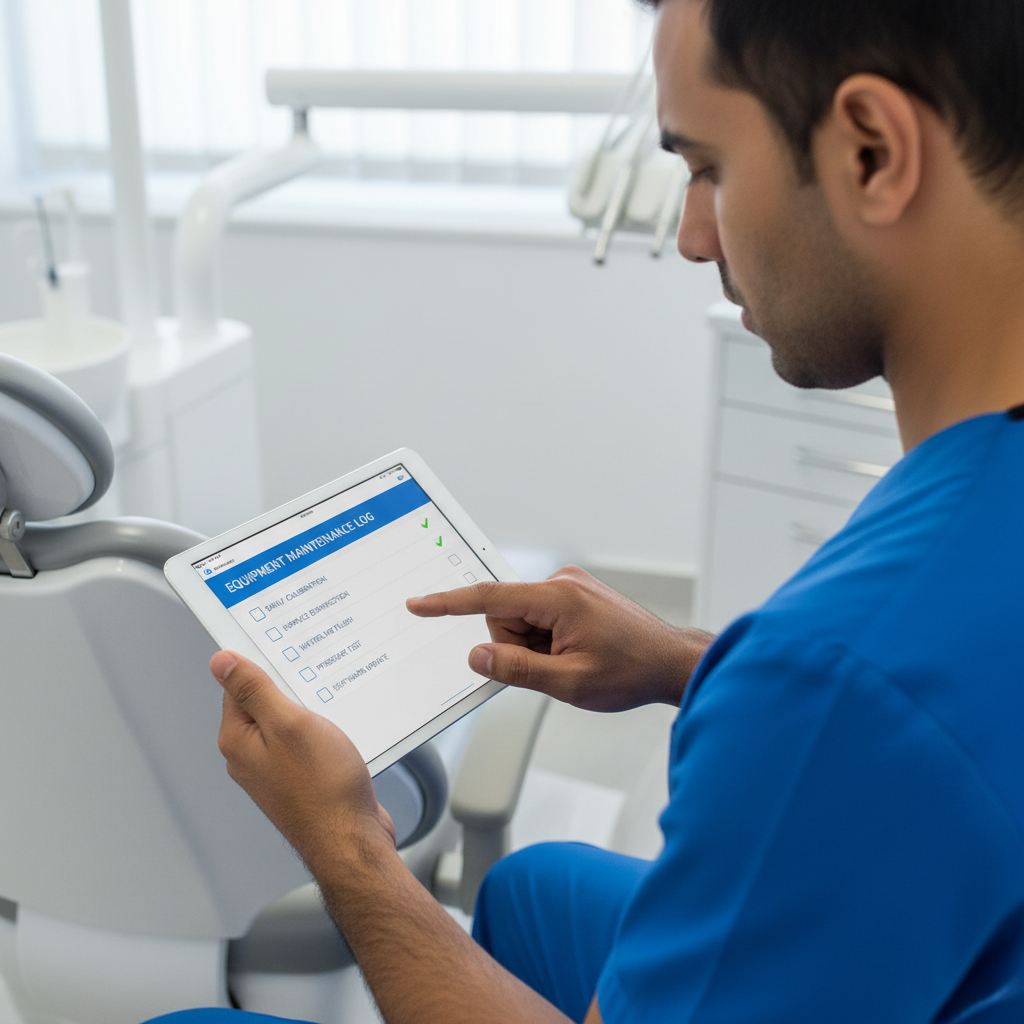
Creating a maintenance log does not require complex software. It can be a simple digital spreadsheet or even a dedicated physical binder. The key is consistency. Every person who services the equipment must use the same format and be diligent about recording their work. Adhering to a structured logging process is a core practice for facilities that follow quality system regulations, such as the FDA’s 21 CFR Part 820, which mandates procedures for maintaining equipment.
Essential Fields for Your Log Template
Your log should be clear, concise, and capture all necessary information for traceability. A robust log provides a complete picture of the equipment’s history at a glance. Start with a template that includes these critical fields:
| Column Header | Purpose & Description |
|---|---|
| Equipment ID | A unique identifier for each chair (e.g., Serial Number, or an internal ID like “CHAIR-03”). This prevents confusion between similar models. |
| Date of Service | The exact date the maintenance or repair was performed. |
| Technician | The full name or initials of the person who performed the work. This establishes accountability. |
| Type of Service | Categorize the work (e.g., Routine Preventative Maintenance, Repair, Annual Inspection, Calibration). |
| Description of Work | A detailed, clear description of the service performed. Be specific. Instead of “Fixed leak,” write “Replaced worn O-ring on main water line.” |
| Parts Replaced | List the name and part number of any components that were replaced. This is crucial for inventory management and trend analysis. |
| Notes & Observations | Record any intermittent issues or observations. For example: “Noticed slight hesitation in Trendelenburg motion. Monitor during weekly check.” |
| Next Scheduled Service | The date for the next planned maintenance activity. This makes scheduling proactive instead of reactive. |
| Estimated Downtime Cost | A field to estimate the financial impact if this component failed unexpectedly. This helps prioritize the urgency of preventative replacements. |
Digital vs. Paper: Choosing the Right System
Both digital and paper-based logs have their place. The best system is one your team will use consistently. Many clinics find a hybrid approach offers the best of both worlds.
| System | Pros | Cons |
|---|---|---|
| Digital | Searchable, easy to back up, accessible remotely, data can be analyzed for trends. | Requires a device, potential for data loss without proper backups. |
| Paper | Simple, requires no power, easily accessible during an inspection. | Prone to physical damage, difficult to search, cannot be backed up. |
A practical solution is to maintain a primary digital log (like a shared spreadsheet) that is backed up weekly. Additionally, keep a printed summary or a dedicated binder in the clinic for quick reference and to show during on-site inspections.
Implementing a Practical Maintenance Workflow
A log is only effective when paired with a consistent maintenance schedule. This schedule ensures that preventative tasks are not forgotten and that the equipment is regularly inspected for signs of wear. The goal is to catch small issues before they become major, costly failures. This proactive approach is a cornerstone of regulations like the EU’s Medical Device Regulation (MDR), which emphasizes a lifecycle approach to device safety.
A Proactive Maintenance Schedule
Based on field experience, a multi-tiered schedule provides comprehensive coverage without being overly burdensome. Adapt this checklist to your specific chair models and usage levels.
-
Daily (5-Minute Check):
- [ ] Visually inspect for any visible damage (e.g., torn upholstery, frayed cables).
- [ ] Wipe down surfaces with an approved disinfectant.
- [ ] Confirm basic functions (e.g., chair up/down, backrest tilt).
-
Weekly (30-Minute Check):
- [ ] Perform all daily checks.
- [ ] Test the full range of motion for the chair and delivery system.
- [ ] Lubricate all moving joints and swivels as per the manufacturer’s guide.
- [ ] Check and clean water line filters and handpiece oil collectors.
-
Monthly (60-Minute Inspection):
- [ ] Perform all weekly checks.
- [ ] Inspect upholstery seams and stitching for signs of wear.
- [ ] Check for any hydraulic fluid or air leaks.
- [ ] Clean or replace central vacuum filters.
-
Quarterly & Annually (Professional Technician):
- [ ] Schedule a qualified technician for hydraulic, electrical, and calibration tests.
- [ ] Ensure all safety features and emergency stops are functioning correctly.
- [ ] Record the technician’s service report in the main maintenance log.
From Poor Notes to Professional Logs
The level of detail in your log entries makes all the difference. Vague notes prevent effective troubleshooting, while detailed entries provide a clear roadmap for anyone servicing the equipment.
- Poor Log Entry: “Chair was sinking. Fixed it.”
- Professional Log Entry: “Symptom: Chair #2 slowly sinks with patient weight. Test: Performed hydraulic leak check; no external leaks found. Action: Tightened internal hydraulic valve seal. Monitored chair with 200 lbs weight for 20 minutes; no drift observed. Next Step: Re-check function during next weekly inspection.”
This detailed entry provides a clear symptom, the action taken, and a follow-up plan, demonstrating a professional and thorough process.

Linking Your Log to Spare Parts Inventory
An effective maintenance log is your best tool for smart inventory management. By reviewing the “Parts Replaced” column over a year, you can identify which components fail most frequently. This allows you to build a small, on-hand inventory of critical spare parts, such as:
- Common fuses and bulbs
- Handpiece tubing and connectors
- Footswitch assemblies
- Water and air filter replacement kits
- Basic O-ring and seal kits
Having just one or two of these common consumables on hand can mean the difference between a 15-minute in-house repair and days of downtime waiting for a part to arrive.
Wrapping Up: Your Log as a Strategic Asset
Ultimately, a dental chair maintenance log is far more than a compliance document. It is a strategic tool that empowers your clinic to maximize equipment uptime, ensure patient and staff safety, and make informed financial decisions. By moving from a reactive “fix-it-when-it-breaks” mentality to a proactive system of scheduled maintenance and detailed record-keeping, you protect your investment and build a more resilient, efficient practice.
The key takeaways are simple: establish a clear template, implement a consistent schedule, and demand detailed entries. Doing so will convert your maintenance log from a forgotten binder into a cornerstone of your clinic’s operational excellence.
Frequently Asked Questions (FAQ)
Q1: How long should we keep our dental chair maintenance records?
A: While specific requirements can vary by region, a common best practice is to retain all maintenance and service records for the entire operational lifetime of the device, plus an additional 2-3 years after it has been decommissioned. Always consult your local and national regulations for definitive guidance.
Q2: Who should be responsible for managing the maintenance log?
A: It is best to designate a single person, such as a clinic manager or lead dental assistant, to be the “owner” of the log. This person is responsible for ensuring it is up-to-date and that backups are made. However, every technician or staff member who performs maintenance must be trained on how to properly fill out an entry.
Q3: What is the most common and costly mistake to avoid with maintenance logs?
A: The most damaging mistake is inconsistency. Skipping entries for “minor” tasks like lubrication or failing to document an intermittent fault are the most common errors. These small omissions break the chain of data and often allow minor, fixable issues to escalate into major, expensive failures.
Disclaimer: This article is for informational purposes only and does not constitute professional medical or regulatory advice. Dental clinics should consult with qualified technicians and regulatory experts to ensure their maintenance programs are fully compliant with all applicable laws and standards, including those from bodies like the FDA and the EU Commission.
References
About the Author