 EN
EN  ZH
ZH 
Long-Term Value: When Durability Meets Ergonomics

The True Cost of a Non-Durable Dental Chair
An ergonomic chair that constantly needs repairs is not an asset; it’s a liability. The initial sticker price of a dental chair is only one part of its total cost of ownership. When a chair fails, the hidden costs quickly add up, impacting everything from clinic revenue to staff morale.
Beyond the Sticker Price: Hidden Costs of Failure
In a busy dental practice, equipment downtime is more than an inconvenience. A broken chair means canceled appointments, lost revenue, and a disrupted schedule that affects the entire team. I’ve seen clinics scramble to accommodate patients, leading to staff burnout and a decline in the quality of care. The costs extend to emergency repair fees and the administrative headache of sourcing parts and scheduling technicians. This is where the initial “savings” on a cheaper, less durable chair evaporate.
Where Chairs Actually Fail: A Reality Check
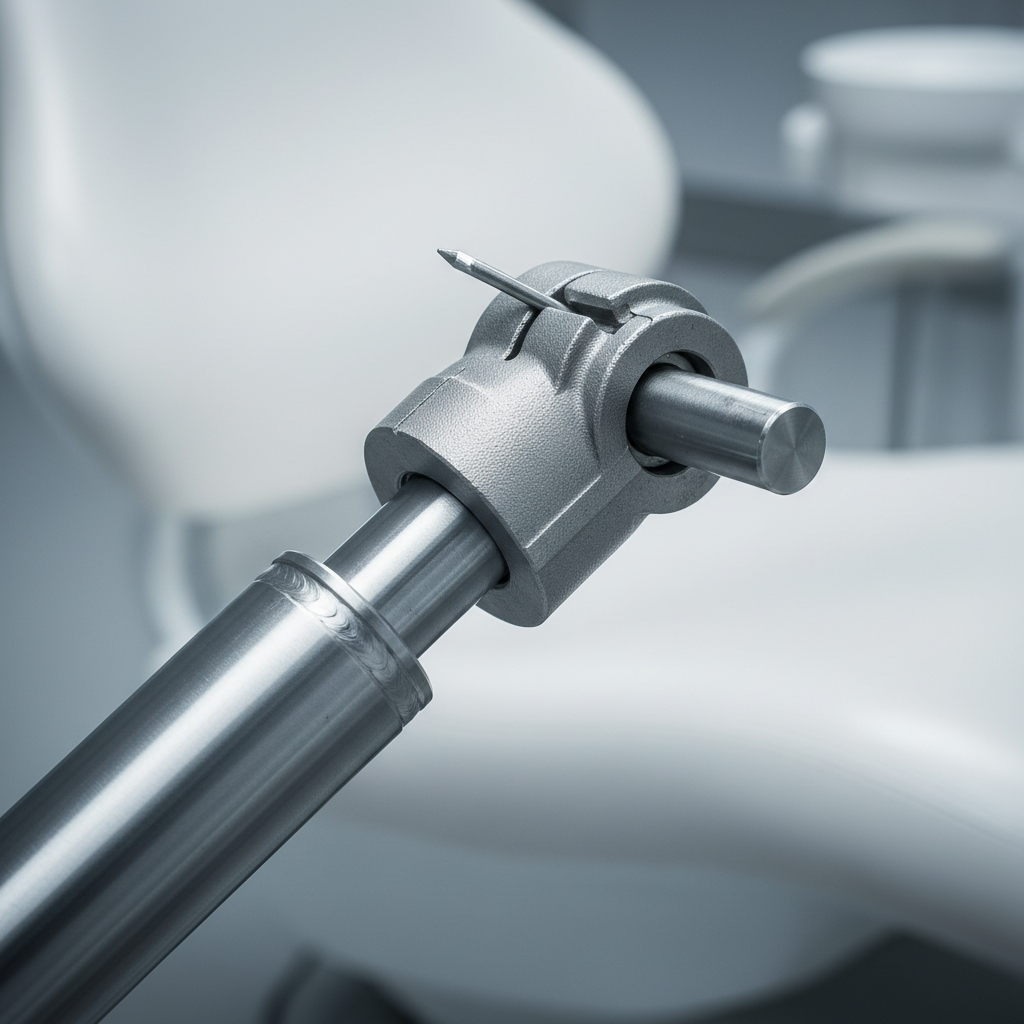
The most common points of failure on a dental chair are rarely the main frame. Through years of observation and feedback from practitioners, the real culprits are the high-wear components that endure constant use. These include:
- Moving Joints and Pivot Points: Constant adjustments to the backrest and seat position cause wear at the joints.
- Hydraulic and Electric Lift Systems: Seals and motors are subjected to thousands of cycles, leading to potential leaks or failures.
- Upholstery Seams: Seams, especially at the edges of the seat and backrest, can split or fray from patient movement and cleaning.
- Foot Controls: These switches are stomped on thousands of times, and their internal mechanisms can wear out, leading to intermittent or total failure.
Buying a chair based on a single flashy feature or its aesthetic appeal, without inspecting the quality of these critical components, is a common mistake that leads to long-term frustration.
The Vicious Cycle of Poor Durability and Ergonomics
A failing chair directly undermines its own ergonomic purpose. When a hydraulic lift begins to drift downward, or a backrest lock slips, practitioners are forced to compensate by hunching over or twisting their bodies. These awkward postures, adopted unconsciously to fight against faulty equipment, can lead to musculoskeletal disorders over time. A chair that cannot reliably hold its position is not an ergonomic tool; it is an occupational hazard.
The Pillars of a Durable and Ergonomic Chair
True long-term value is found in a chair that combines intelligent ergonomic design with robust construction. This ensures that the chair not only supports the practitioner’s health but also withstands the demands of a high-throughput clinic for years.
Material Science and Construction Quality
The foundation of a durable chair lies in its materials and manufacturing standards. High-quality hydraulic systems, resilient foam, and tear-resistant upholstery are essential. Manufacturers committed to quality often adhere to rigorous international standards. For instance, compliance with ISO 13485:2016 – Quality Management Systems indicates that a manufacturer has a certified process for designing, producing, and testing medical devices, ensuring a focus on safety and performance. This commitment to a quality management system is a strong indicator of a product’s reliability.
Serviceability: The Unsung Hero of Uptime
Even the most durable chair will require maintenance. The key distinction is how easily it can be serviced. A well-designed chair provides straightforward access to its internal components, like hydraulic lines and electrical boxes. Furthermore, a manufacturer’s commitment to providing strong after-sales support, including a reliable supply of spare parts, is critical. Having a small in-house kit with items like a hydraulic seal kit, a spare foot-control switch, and common fasteners can turn a week of downtime into a 30-minute fix.
Debunking a Common Myth
A pervasive myth is that a higher price tag or a well-known brand name automatically guarantees durability. In reality, some of the most expensive chairs are designed with complex, proprietary components that are difficult and costly to service. A more reliable indicator of long-term value is a chair’s design for serviceability and the use of high-quality, non-proprietary materials in known failure points. Always ask a potential supplier about the cost and availability of common replacement parts.
How to Evaluate Dental Chairs for Long-Term Value
Assessing a dental chair requires looking beyond the spec sheet and performing hands-on tests. During a demo, focus on simulating the stresses of daily use to reveal the chair’s true build quality. This practical evaluation is crucial for making a sound investment and ensuring the equipment meets regulatory expectations, such as those outlined in the FDA 21 CFR Part 820 for medical devices sold in the U.S. or having the appropriate CE Marking for the European market.
The Hands-On Evaluation Checklist
Use this checklist during a product demonstration to test for durability and ergonomic function. A chair that performs well in these tests is likely to be a reliable long-term asset.
| Feature | What to Look For | Red Flags |
|---|---|---|
| Hydraulic/Electric Lift | Smooth, quiet, and consistent motion. No stuttering or drifting. | Jerky movements, audible strain from the motor, or any height drift. |
| Upholstery & Seams | High-density foam that recovers its shape. Pull gently on seams to check for thread strength. | Thin, easily compressed foam. Fraying or weak stitching. |
| Joints & Armrests | Minimal wobble or play in all moving parts, including armrests and the headrest. | Excessive lateral movement or looseness that can’t be tightened. |
| Foot Control | Responsive and tactile switches with a solid, non-slip base. | A flimsy feel, unresponsive buttons, or a tendency to slide on the floor. |
| Ergonomic Adjustments | All adjustments should be easy to reach and operate from a seated position. | Levers or buttons that are hard to access or require excessive force. |
One of the most effective tests I’ve found is to cycle the chair’s main lift function up and down at least 50 times consecutively. This can reveal heating issues or inconsistencies in the hydraulic system that would not appear with just a few movements.

Proactive Maintenance: Protecting Your Ergonomic Investment
A durable chair is not indestructible. A consistent, proactive maintenance routine is the key to maximizing its lifespan and ensuring its ergonomic features continue to function as intended. This protects your investment and, more importantly, the health of your clinical team.
A Simple and Effective Maintenance Rhythm
An effective maintenance schedule doesn’t need to be complicated. Integrating these simple habits can prevent the majority of common failures.
- Daily: Perform a quick visual inspection of the chair. Look for any signs of wear, leaks, or damage. Ensure all adjustments are moving freely.
- Weekly: Clean the upholstery using only pH-neutral cleaning agents. One of the most common mistakes is using aggressive disinfectants that break down the upholstery and foam, causing them to become brittle and fail prematurely.
- Every 3-6 Months: Lightly lubricate all pivot points and check the torque on key fasteners to ensure they have not loosened with use.
- Annually: Schedule a professional inspection of the hydraulic and electrical systems. This is a critical step for safety and can catch developing issues before they lead to major failures.
By following this rhythm, you shift from a reactive repair model to a proactive maintenance culture, saving time, money, and frustration.
Wrapping Up: Durability is the Foundation of Good Ergonomics
An ergonomic dental chair is one of the most important investments a practice can make, but its benefits are only realized if it is built to last. A chair that provides excellent support and adjustability is useless if it spends half its life waiting for repairs. By prioritizing robust construction, material quality, and serviceability, you ensure that your investment pays dividends for years to come.
When evaluating your next purchase, look beyond the surface-level features. Put the chair to the test, ask tough questions about parts and support, and choose a partner committed to long-term reliability. A durable, truly ergonomic chair is an investment in the well-being of your staff and the operational stability of your practice.
Frequently Asked Questions (FAQ)
What is the average lifespan of a high-quality dental chair?
With proper maintenance, a well-built dental chair from a reputable manufacturer can be expected to last 10-15 years, and sometimes longer. The key is the quality of the core components and the availability of replacement parts for high-wear items.
How important is the manufacturer’s warranty and parts availability?
They are critically important. A strong warranty is a good indicator of the manufacturer’s confidence in their product. More importantly, the guaranteed availability of spare parts for at least 10 years ensures that you can service and maintain the chair long after the warranty period has expired, maximizing your return on investment.
Can aggressive disinfectants really damage a chair?
Absolutely. Many common surface disinfectants contain alcohols or other harsh chemicals that can dry out and crack upholstery, as well as degrade the foam underneath. Always follow the manufacturer’s cleaning guidelines and use pH-neutral, approved cleaning agents to preserve the life of the chair’s surfaces.
Disclaimer: This article is for informational purposes only and does not constitute professional medical or financial advice. The ergonomic suggestions provided are general guidelines. Practitioners with pre-existing health conditions should consult a qualified medical professional for personalized advice. Always follow manufacturer instructions and local regulations for equipment operation and maintenance.
About the Author