Skip to content
 EN
EN  ZH
ZH 
A Daily Protocol for Waterline Infection Control

The Unseen Threat: Understanding Biofilm in Dental Waterlines
In any dental practice, patient safety is paramount. While we meticulously sterilize instruments and disinfect surfaces, an often-overlooked risk resides within the dental unit itself: the waterlines. The narrow, complex network of plastic tubing that carries water to handpieces and syringes creates an ideal environment for microorganisms to flourish. This leads to the formation of biofilm—a slimy, resilient colony of bacteria, fungi, and other microbes that adheres to the inner surfaces of the tubing.
This article provides a practical, step-by-step protocol for daily and weekly dental unit waterline maintenance. Following these evidence-based procedures helps ensure patient safety, protects your equipment from contamination-related damage, and maintains compliance with health standards. We will move beyond theory to provide actionable checklists and expert tips grounded in clinical experience.
The Science of Biofilm Contamination
Biofilm is not just loose bacteria floating in water; it is a highly organized and protected community. Once it takes hold, it continuously sheds planktonic (free-floating) bacteria into the water stream, leading to colony-forming unit (CFU) counts that can far exceed safety standards. Research available through resources like PubMed has extensively documented the diverse microbial populations in these systems. For patient safety, the goal is to keep water quality as high as possible, with many guidelines suggesting a target of ≤500 CFU/mL for routine dental water.
The risk is not hypothetical. Contaminated waterlines can expose patients and staff to various microorganisms. Adhering to quality management systems, as outlined in standards like ISO 13458:2016, is a cornerstone of medical device safety, and this includes the operational protocols for using and maintaining that equipment.
A Practical Protocol for Daily Waterline Maintenance
Consistency is the most critical element of effective waterline infection control. A sporadic approach allows biofilm to re-establish itself quickly. The following protocol should be integrated into your clinic’s daily opening, operational, and closing procedures. Assigning a dedicated “waterline champion” for each day can significantly improve adherence.
Morning Routine (Start of Day)
- Empty and Refill Water Bottles: Discard any water left in the independent water bottle from the previous day. Stagnant water is a breeding ground for bacteria. Wash the bottle and refill it with fresh, low-microbial water.
- Perform an Initial System Flush: Before the first patient, flush every line—including air/water syringes, high-speed handpieces, and ultrasonic scalers—for a full 2 to 5 minutes. This extended flush helps clear away any planktonic bacteria that may have multiplied overnight. A shorter flush risks leaving behind a significant microbial load.
Between-Patient Flushing
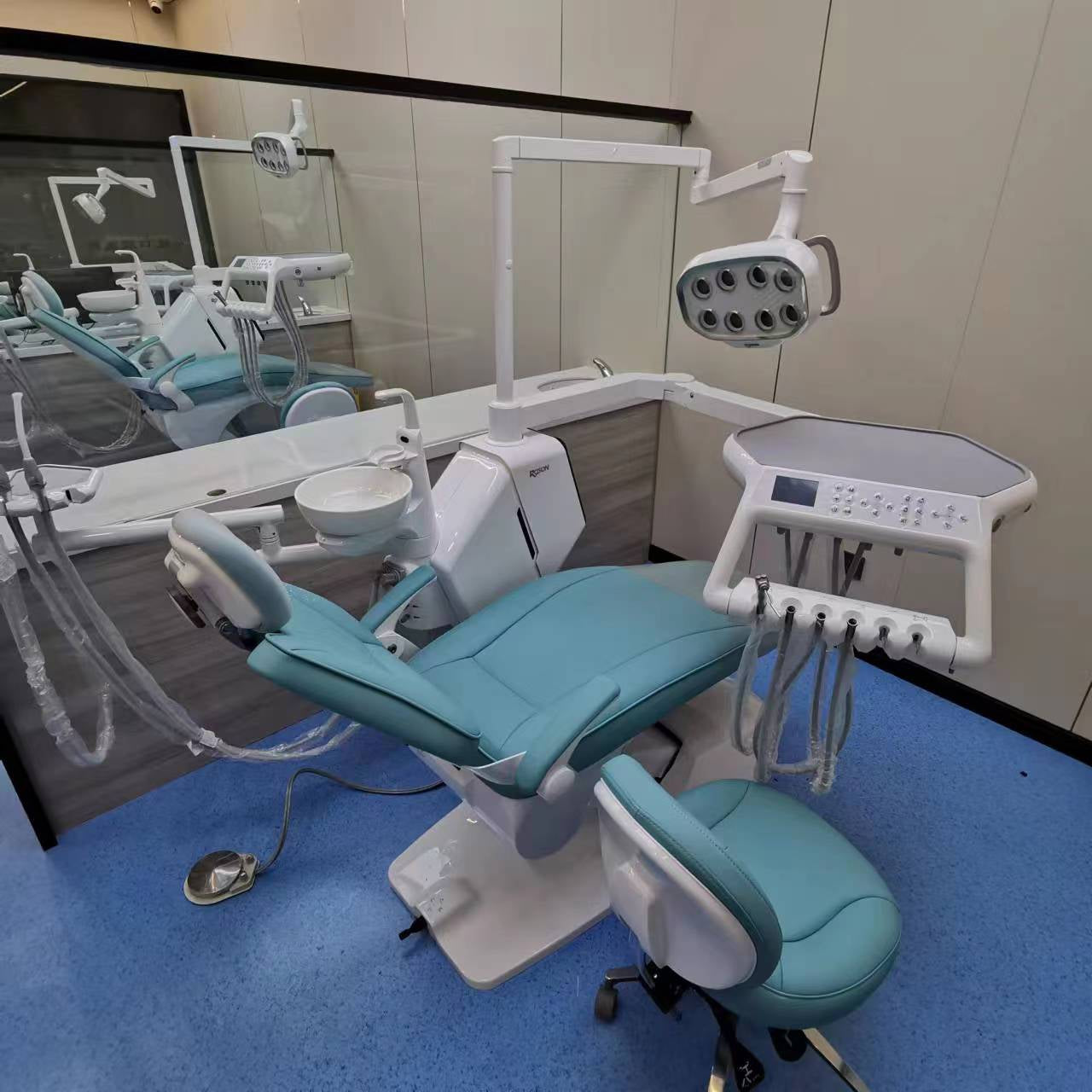
After each patient appointment, flush all active waterlines for 20 to 30 seconds. This simple step is crucial for minimizing the risk of cross-contamination. It expels any patient material that may have entered the system and reduces the microbial count in the water before it is used on the next patient. While it may seem brief, this duration is a proven balance between effective purging and efficient chair turnover time.
End-of-Day Shutdown
At the end of the clinical day, purge all water from the lines until they are dry. Running the air/water syringe and other instruments until only air comes out removes the moisture that bacteria need to thrive overnight. This step makes it much more difficult for biofilm to grow.
Daily Waterline Maintenance Checklist
To ensure no step is missed, consider implementing a visible checklist at each operatory.
| Time of Day | Task | Duration | Purpose |
|---|---|---|---|
| Start of Day | Empty bottle, rinse, and refill with fresh water. | 1-2 minutes | Prevents use of stagnant water. |
| Start of Day | Flush all water-bearing lines. | 2-5 minutes | Clears bacteria that grew overnight. |
| Between Patients | Flush all active lines. | 20-30 seconds | Reduces risk of cross-contamination. |
| End of Day | Purge all lines with air until dry. | 1-2 minutes | Removes moisture to inhibit overnight growth. |
The Weekly “Shock” Treatment: A Necessary Decontamination
Daily flushing is essential for controlling planktonic bacteria, but it cannot remove established biofilm. This leads to a common and dangerous misconception in waterline maintenance.
Expert Warning: Flushing Alone Is Not Enough
A prevalent myth is that consistent daily flushing is sufficient to keep waterlines clean. In reality, while flushing removes loose microbes, it has a minimal effect on the adherent, protected biofilm colony. Without a periodic chemical attack, the biofilm will continue to grow and shed bacteria into the water.
To eradicate established biofilm, a weekly or periodic “shock” treatment with a chemical disinfectant is required. This process breaks down the protective slime layer and kills the embedded microorganisms. Always use a disinfectant that is specifically approved by the dental unit manufacturer to avoid damaging the equipment. Regulations from bodies like the FDA govern the materials and manufacturing of dental devices, and using unapproved chemicals can compromise the integrity of the unit.
How to Perform a Weekly Shock:
- Consult the Manual: Refer to the dental unit manufacturer’s instructions for the recommended shock product and procedure.
- Follow Dilution Ratios: Mix the disinfectant solution precisely according to the label. Over-concentrating the chemical will not make it work better and can accelerate corrosion of metal and plastic components.
- Introduce and Wait: Introduce the solution into the waterlines and let it sit for the recommended contact time, which can range from 30 minutes to overnight, depending on the product. Longer contact times (30-60 minutes) are often effective for penetrating stubborn biofilm.
- Purge and Flush: After the contact time has elapsed, thoroughly purge the chemical from the system and flush extensively with fresh water to remove any residual biocide before patient care resumes.
- Document Everything: Keep a logbook for each dental unit, recording the date of each shock treatment, the product used, and the staff member who performed it. This documentation is vital for quality assurance and compliance.
Choosing Your Water Source and Filtration System
The quality of the water you put into your dental unit has a direct impact on biofilm formation and equipment longevity. For units with independent bottle systems, you have a choice between tap water and treated water sources.
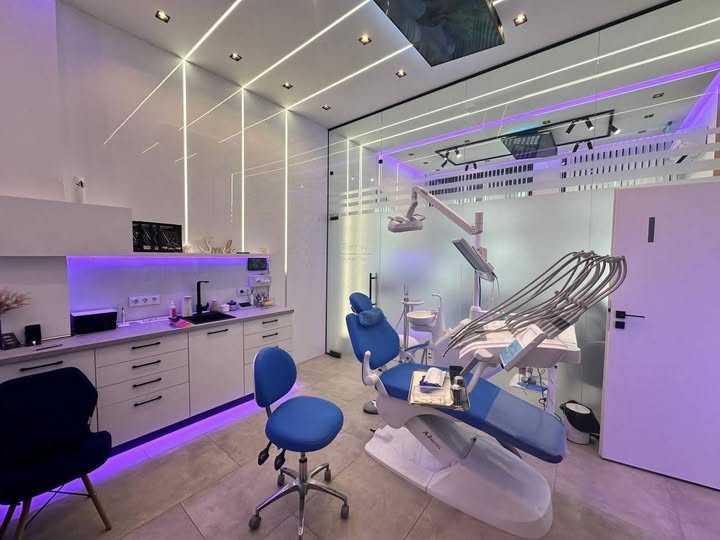
Tap Water vs. Distilled or Sterile Water
- Tap Water: This is the most convenient and cost-effective option. However, municipal water quality varies significantly. It contains minerals that can cause scale and deposits inside the sensitive components of handpieces and control blocks. While it contains a disinfectant like chlorine, the level is often too low to control biofilm inside the narrow tubing.
- Distilled or Sterile Water: Using distilled or sterile water is a highly effective practice, especially in areas with hard tap water. It is free of the minerals that cause scale buildup, extending the life of your equipment. It also provides a controlled, low-microbial source, giving you a better starting point for your infection control protocol. The primary drawbacks are the cost and logistics of purchasing and storing the water.
A practical approach is to use distilled or sterile water if your local tap water is known to be hard or if you are struggling to control deposits in your equipment.
The Role of In-Line Microfiltration
For critical applications or as an added layer of safety, consider installing point-of-use microfilters. These filters, typically with a pore size of 0.2 to 0.22 micrometers, are installed in the waterline just before the handpiece or air/water syringe. They act as a final barrier, capturing microorganisms before they reach the patient.
Remember that filters are not a substitute for a proper flushing and disinfection protocol. They must be changed according to the manufacturer’s schedule, as they can become clogged with debris and biofilm over time. A discolored filter is a clear sign that it needs immediate replacement.
Verification: Measuring the Success of Your Protocol
An effective infection control plan includes verification. You need to know if your daily and weekly efforts are actually working.
- Heterotrophic Plate Counts (HPC): The most common method is laboratory testing of water samples from each unit. This provides a quantitative measure of CFUs per milliliter. A common goal is to maintain water quality at or below 500 CFU/mL. Monthly or quarterly testing is a good cadence for most practices.
- ATP Meters: For a more immediate in-office check, Adenosine Triphosphate (ATP) meters can be useful. ATP is a molecule found in all living cells, and these devices give a rapid reading of the total biological load. While less specific than HPC testing, frequent ATP checks can provide an early warning if microbial levels are on the rise.
If you receive a test result indicating high bacterial counts, it should trigger an immediate repeat of the shock treatment, a thorough inspection of the tubing and connectors, and a review of your team’s protocol adherence.
Wrapping Up: A Commitment to Consistent Safety
Effective dental unit waterline management is not a one-time task but an ongoing commitment. By implementing a robust daily protocol, performing regular shock treatments, and verifying your results, you create a safer environment for both patients and staff. A culture of safety, built on clear procedures and shared responsibility, is the best defense against the invisible threat of biofilm.
Disclaimer
This article is for informational purposes only and does not constitute professional medical or safety advice. Always consult your dental unit manufacturer’s instructions for use (IFU) and follow all local, state, and federal regulations regarding infection control. If you have specific health concerns, please consult a qualified healthcare professional.
References
- U.S. Food and Drug Administration (FDA). (2023). Quality System (QS) Regulation/Medical Device Good Manufacturing Practices. https://www.fda.gov/regulatory-information/search-fda-guidance-documents/quality-system-regulation-medical-devices
- International Organization for Standardization (ISO). (2016). ISO 13485:2016 Medical devices — Quality management systems — Requirements for regulatory purposes. https://www.iso.org/standard/59752.html
- PubMed. National Library of Medicine. https://pubmed.ncbi.nlm.nih.gov/
About the Author