 EN
EN  ZH
ZH 
Key Accessibility Features to Look for in a Dental Chair

The Non-Negotiable Features for Patient Access and Safety
Selecting a dental chair involves more than just comparing basic specifications. For modern clinics serving diverse patient populations, true accessibility is a critical factor that impacts patient safety, operator ergonomics, and practice efficiency. This checklist breaks down the most important accessibility features, moving beyond brochure claims to focus on practical, real-world evaluation. Understanding what to prioritize ensures you select a reliable and versatile chair that accommodates all patients, including the elderly and those with mobility challenges. A thoughtfully chosen chair is a long-term asset that enhances both patient comfort and practitioner ergonomics.
When evaluating a new dental chair, procurement officers and clinicians must consider how its design facilitates safe and dignified treatment for every individual. This includes assessing everything from the chair’s lowest possible height for transfers to the durability of its armrests under load. The right choice can significantly improve the experience for patients with anxiety or special needs.
1. Foundational Stability and Patient Transfer
The base of the dental chair is the foundation for patient safety. A chair must be stable and offer smooth, predictable motion, but its most critical accessibility function is enabling safe patient transfers. This is especially important for patients moving from a wheelchair or those with limited mobility.
Seat Height and Adjustment Range
A key mistake is to only check the maximum height. The minimum seat height is arguably more critical for accessibility. For safe and easy side transfers, I always look for a chair with a minimum seat height in the range of 42–48 cm (approximately 16.5–19 inches). This allows many patients to transfer with their feet firmly on the floor. Conversely, a maximum working height of around 70–75 cm (27.5–29.5 inches) is a good benchmark for ensuring operators can maintain an ergonomic posture during procedures. The full range of motion should be smooth, quiet, and free of jarring vibrations, especially when under load. Proper patient positioning is key for both comfort and treatment access.
Swivel and Rotation
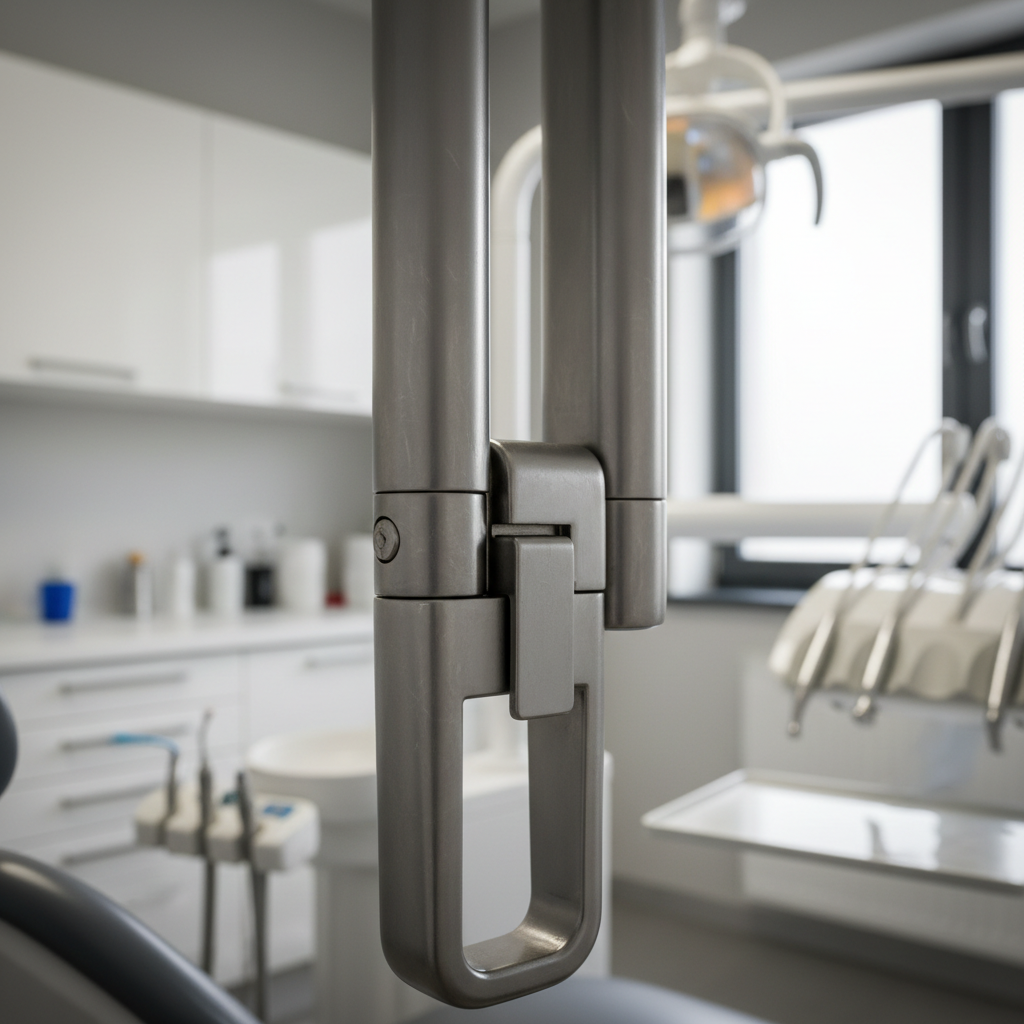
A swivel function can be invaluable in clinics with limited space or fixed cabinetry. A chair that can rotate at least 60 degrees (30 degrees left and right from center) provides greater flexibility for patient entry and exit. When testing this feature, I check for a secure locking mechanism that prevents any unintentional movement once the chair is in position. The lock should be easy to engage and disengage but firm enough to provide total stability during treatment.
2. Chair Dimensions and Weight Capacity
To be truly inclusive, a dental practice needs equipment that can accommodate patients of all sizes. Relying on outdated “standard” dimensions can exclude a significant portion of the population and create unsafe situations.
Usable Seat Width
Brochure measurements can be misleading. I always measure the usable seat width, which is the space between the armrests. A minimum usable width of 55 cm (about 21.5 inches) should be a firm requirement. This provides adequate space without compressing the patient, which is essential for both comfort and for longer procedures. The design should provide this width without being excessively bulky, which could impede the dental team’s access.
Weight Capacity and Structural Integrity
A chair’s rated weight capacity is a direct indicator of its structural integrity. For a modern, inclusive practice, I recommend specifying a minimum rated capacity of at least 180 kg (approximately 400 lbs). This not only ensures safety for heavier patients but also signals robust construction in the lift mechanism and frame. According to regulations like the EU Medical Device Regulation (MDR), manufacturers must ensure devices are safe and perform as intended, and a high weight capacity is a part of this performance standard.
Common Misconception Debunked: A common myth is that a chair’s listed specifications are a reliable proxy for real-world performance. I have found this to be untrue. Spec sheets do not reveal how a chair behaves under dynamic load or whether its armrests can withstand the lateral force of a patient transfer. There is no substitute for hands-on testing, ideally with a volunteer or a weighted dummy, to simulate these real-world stresses before making a purchase.
3. Armrest and Support Feature Design
Armrests are not just for comfort; they are critical functional components for accessibility. Poorly designed armrests can be a significant barrier to patient transfers.
Removable and Flip-Up Armrests
For any clinic prioritizing accessibility, dual-sided, removable or flip-up armrests are non-negotiable. This feature allows for unobstructed side transfers from a wheelchair. When evaluating this, I apply a firm lateral load to the armrest in its locked position. It should feel completely rigid, with no wobble or give. The release mechanism should be intuitive for the operator but not so simple that it can be triggered accidentally by the patient. This durability test is a practical heuristic that quickly separates well-engineered chairs from those that may fail under real-world use.
4. Controls, Serviceability, and Long-Term Reliability
An accessible chair is only useful if it is reliable. Features that ensure consistent operation and straightforward maintenance are essential for minimizing downtime and protecting your investment.
Control Redundancy and Safety Overrides
Power failures or component malfunctions can happen. That’s why dual-control redundancy is a key safety feature. The chair should be operable via controls on the chair itself and a foot pedal or remote. Furthermore, I always require a manual override or emergency release function that allows the chair to be safely repositioned if power is lost. This is a critical safety requirement that aligns with the principles of quality system regulations like the FDA 21 CFR Part 820, which mandate controls to ensure medical devices are safe for both patients and operators.
Upholstery, Cleaning, and Maintenance
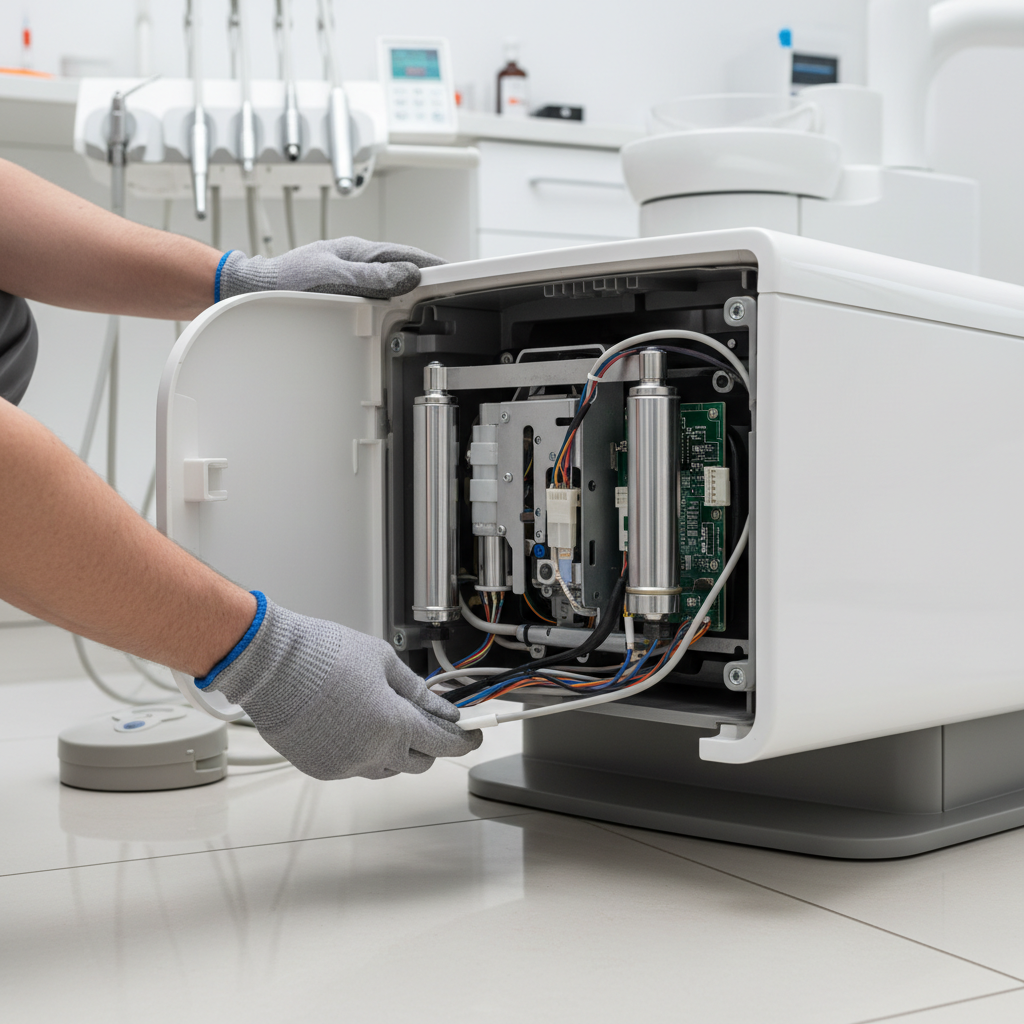
Effective infection control depends on chair design. I prefer tightly stitched, seamless, or seam-recessed upholstery, as these designs minimize crevices where contaminants can accumulate. The material should be medical-grade and capable of withstanding repeated cleaning with common disinfectants without degrading. For maintenance, quick-release base covers that provide easy access to actuators, motors, and electronics are a must. This simplifies inspections and repairs, reducing service time. A focus on serviceability is a hallmark of a manufacturer following a robust quality management system, as outlined in standards like ISO 13485:2016.
To aid in the evaluation process, I use the following checklist to ensure all key accessibility and serviceability points are covered.
Practical Accessibility Evaluation Checklist
| Feature | Evaluation Criteria | Why It Matters |
|---|---|---|
| Minimum Seat Height | Measures between 42-48 cm from the floor. | Facilitates safe, stable side transfers for mobility-impaired patients. |
| Weight Capacity | Rated for at least 180 kg (400 lbs). | Ensures safety for all patient sizes and indicates robust construction. |
| Usable Seat Width | At least 55 cm between armrests. | Provides inclusive comfort and prevents patient compression. |
| Armrests | Dual flip-up/removable; withstands lateral load test. | Essential for unobstructed wheelchair transfers and long-term durability. |
| Control Redundancy | Chair and foot/remote controls are present and functional. | Guarantees operability and convenience for the practitioner. |
| Manual Override | A clear, accessible mechanism to move the chair without power. | Critical safety feature for patient egress during a power failure. |
| Service Access | Base covers are easy to remove for access to internal components. | Reduces maintenance time and cost, ensuring long-term reliability. |
Key Takeaways
When selecting a dental chair, moving beyond the spec sheet to perform hands-on evaluations is essential. The best chair for a modern practice is one that guarantees safety, dignity, and comfort for every patient. Prioritize a low entry height, a high weight capacity, and robust, movable armrests. Test the chair’s movements under load to check for stability and noise. Finally, verify that the design allows for easy cleaning and maintenance, which is crucial for both infection control and long-term cost-effectiveness.
By using these practical checks, you can choose a chair that is not just a piece of equipment, but a foundational tool for providing inclusive and high-quality dental care.
Frequently Asked Questions (FAQ)
1. Why is a 180 kg (400 lb) weight capacity recommended?
A 180 kg capacity provides a significant safety margin that accommodates a broad range of patients. It also serves as an indicator of the chair’s overall build quality, suggesting that the frame, motors, and actuators are engineered for durability.
2. Are seamless upholstery options better for infection control?
Yes, in most cases. Seamless or minimally seamed upholstery reduces the number of areas where bacteria and fluids can become trapped. This makes cleaning and disinfection faster and more effective, which is a critical aspect of maintaining a hygienic clinical environment.
3. What is the most common mistake when buying a dental chair for accessibility?
The most common mistake is relying solely on brochure photos and specifications. Many procurement officers omit on-site transfer trials with a person or weighted dummy, which is the only way to truly assess the chair’s stability and the practicality of its armrest and height adjustments.
Disclaimer: This article is for informational purposes only and does not constitute professional medical or purchasing advice. The information provided is based on industry experience and recognized standards. Clinics should consult with accessibility experts and conduct their own thorough equipment evaluations to ensure compliance and suitability for their specific patient needs. Always refer to manufacturer documentation and local regulatory requirements before making a purchasing decision.
References
About the Author