 EN
EN  ZH
ZH 
Ambidextrous Design in Ergonomic Dental Chairs

The Ergonomic Imperative: Why Handedness in a Dental Chair Matters
For any dental practice, efficiency and practitioner well-being are paramount. Yet, clinics often overlook a critical factor that impacts both: the handedness of their dental chairs. A right-handed-only setup can create significant operational bottlenecks and physical strain in a multi-operator environment, especially one that includes left-handed professionals. This seemingly small detail can lead to awkward postures, reduced procedural efficiency, and an increased risk of musculoskeletal disorders (MSDs), which are alarmingly common in the dental profession.
According to research available through resources like PubMed, MSDs represent a significant occupational hazard for dental practitioners, potentially shortening careers and impacting quality of life. The root cause often lies in static, non-neutral postures held for extended periods. When a left-handed operator is forced to use a right-handed unit, they must constantly reach across their body, twist their torso, and adapt their workflow in ways that are inefficient and physically taxing.
Ambidextrous dental chairs address this challenge directly. By offering true flexibility, they allow any practitioner—regardless of their dominant hand—to work in a comfortable, ergonomically sound position. This is not just about comfort; it is a strategic investment in the health of your team and the financial health of your practice.
Key Ergonomic and Workflow Benefits
- Reduced Physical Strain: Eliminates the need for twisting and over-reaching, promoting a neutral posture that protects the spine and shoulders.
- Increased Efficiency: Allows for seamless transitions between operators, minimizing downtime and accommodating a diverse team without compromise.
- Improved Career Longevity: By mitigating the risk of chronic pain and injury, ergonomic equipment helps practitioners enjoy longer, healthier careers.
Deconstructing Ambidextrous Design: Key Features and Mechanisms
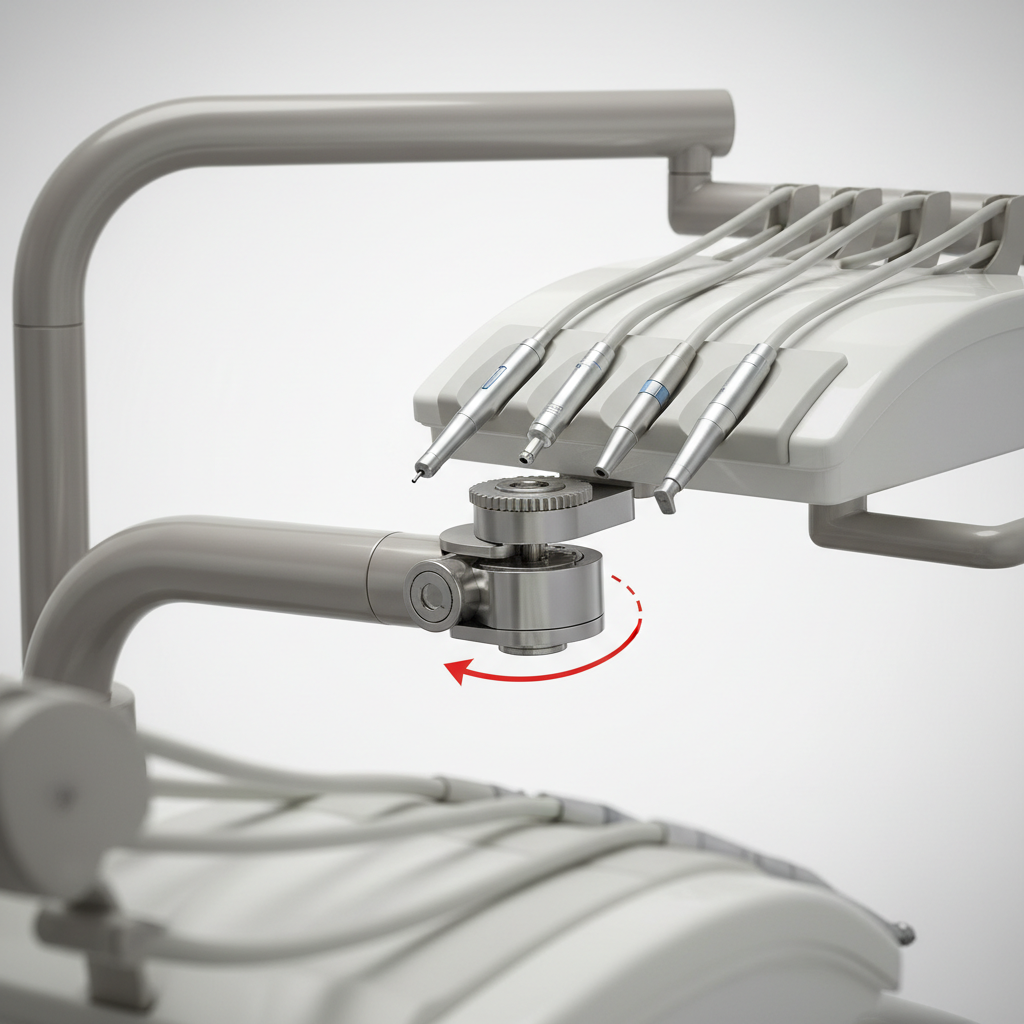
True ambidextrous design goes far beyond a simple swiveling tray. It involves a fully integrated system where the core components can be repositioned for both left- and right-handed use. When evaluating these chairs, it is crucial to understand the mechanics that enable this flexibility and the specific adjustment ranges that deliver genuine ergonomic benefits.
One of the most common mistakes clinics make is failing to simulate real-world workflows during trials. A chair might seem flexible in a showroom, but the reality of a busy schedule reveals its limitations. For instance, our analysis shows that reversible control modules with mirrored cable routing are consistently more reliable for quick swaps than systems that require detaching and reattaching entire instrument arrays. The former minimizes wear and tear and dramatically reduces conversion time.
A Common Misconception Debunked
Myth: Any chair with a movable instrument tray can be considered ambidextrous.
Reality: This is a frequent and costly misunderstanding. A simple swinging tray does not address the core ergonomic challenges. True ambidextrous functionality requires that the entire delivery system—including handpieces, suction, and operator controls—can be repositioned to create a mirrored setup. Without this, the practitioner is still forced into awkward and strenuous postures.
Core Adjustment Ranges for True Ergonomic Support
To ensure a chair can properly support various practitioners during long procedures, it must meet specific adjustment criteria. The following table outlines key ergonomic targets derived from practitioner feedback and ergonomic studies. These ranges are essential for preventing the lateral torso twist and neck strain that are common when equipment is not properly fitted to the operator.
| Feature | Recommended Range | Ergonomic Impact |
|---|---|---|
| Seat Height | 420–520 mm | Accommodates operators of different statures, ensuring feet are flat on the floor. |
| Backrest Recline | 20°–35° from vertical | Provides stable trunk support during various procedures. |
| Headrest Adjustability | ±80 mm vertical/horizontal | Ensures proper neck inclination and reduces cervical spine strain. |
| Armrest Symmetry | Within ±15 mm offset | Prevents uneven shoulder height and lateral torso twisting. |
| Foot Control Travel | 150–300 mm lateral | Allows comfortable and precise access for either foot without over-reaching. |
A Practical Guide: Implementing and Evaluating an Ambidextrous Chair
Selecting the right ambidextrous chair requires a methodical evaluation process that goes beyond the spec sheet. It involves hands-on testing and a clear-eyed assessment of its impact on your clinic’s daily operations and financial performance. Furthermore, verifying that the equipment adheres to recognized quality and safety standards is non-negotiable for B2B purchasers focused on reliability and compliance.
For instance, equipment that meets standards like ISO 13485:2016 demonstrates a commitment to quality management systems for medical devices. Similarly, for clinics in Europe, ensuring a product has the proper CE Marking is essential, as it signifies conformity with health, safety, and environmental protection standards.
Pre-Purchase Evaluation Checklist
Use this checklist to conduct a thorough, practical trial of any potential ambidextrous chair. Remember to involve both left- and right-handed team members in the evaluation.
- Simulate Real Workflows: Run at least 5-10 simulated procedures per operator to identify any hidden ergonomic conflicts or workflow hindrances.
- Time the Conversion: A seamless conversion should take less than 60 seconds. Time how long it takes your team to switch the chair from right- to left-handed configuration.
- Verify True Mirroring: Confirm that the delivery unit, suction instruments, and operator controls are all fully accessible and functional on both sides.
- Test Foot Controls: Check the tether length and ensure the foot pedal can be comfortably positioned with its 150–300 mm of lateral travel.
- Assess Build Quality: Inspect pivot points, upholstery, and mechanical components for durability. Inquire about the availability of spare parts like actuators and fasteners.
- Check Compliance: Verify that the chair is certified according to key regulations for your market, such as those stipulated by the FDA’s Quality System Regulation for US-based clinics.

Calculating the Return on Investment (ROI)
The financial benefits of ambidextrous design are tangible. In-field reports from clinics indicate that optimizing multi-operator ergonomics can lead to a 2–6% reduction in average procedure time. This efficiency gain stems from fluid workflows and fewer intra-shift breaks needed to alleviate physical discomfort. Over the course of a year, these small increments add up to a significant increase in patient throughput and revenue. When evaluating ROI, consider not only the initial purchase price but also long-term gains from increased productivity, reduced staff absences due to injury, and higher team morale.
Long-Term Maintenance and Training
To maximize the lifespan and utility of an ambidextrous chair, a proactive approach to maintenance and training is essential. These systems have unique components that require specific attention to ensure they remain reliable for years to come.
Proactive Maintenance Heuristics
- Keep Spares On-Hand: High-use practices should keep a small in-clinic kit containing one spare actuator, a set of common fasteners, and a small lubrication kit.
- Regular Inspections: Schedule inspections of all pivot bushings and conversion mechanisms every six months to catch wear and tear before it leads to downtime.
- Follow Manufacturer Guidelines: Adhere strictly to the recommended cleaning and maintenance protocols to protect your investment and ensure warranty compliance.
Onboarding is the perfect time to establish best practices. Running each operator through 5–10 simulated procedures helps them build muscle memory and quickly identify any ergonomic conflicts related to handedness. This small investment in training pays dividends by ensuring every team member can use the equipment to its full potential from day one.
Wrapping Up: Key Takeaways for the Modern Clinic
In a competitive dental market, operational efficiency and talent retention are key differentiators. Ambidextrous dental chairs are not a niche luxury but a foundational investment in a flexible, resilient, and practitioner-focused clinical environment. They directly address the ergonomic risks that lead to musculoskeletal disorders, accommodate a diverse team of professionals without compromise, and deliver a measurable return on investment through improved productivity.
By moving beyond the outdated one-size-fits-all approach, clinics can future-proof their practice, enhance the well-being and longevity of their staff, and create a workspace where every operator can perform at their best.
Frequently Asked Questions (FAQ)
Q1: How long does it typically take to convert an ambidextrous chair between operators?
A: For well-designed models featuring reversible control modules, the conversion process should be seamless and take less than one minute to complete.
Q2: Are ambidextrous chairs less reliable than fixed-handedness chairs?
A: Not necessarily. Reliability depends on the quality of the conversion mechanism. Look for models with robust, simple mechanics, such as rotating consoles rather than complex detachable parts, as these tend to have fewer failure points over time.
Q3: Is an ambidextrous chair a worthwhile investment for a solo practitioner?
A: It can be. While the immediate benefit is lower for a single-operator practice, it significantly increases the clinic’s resale value and provides flexibility for hiring future associates or hygienists who may be left-handed.
Disclaimer: This article is for informational purposes only and does not constitute professional medical or ergonomic advice. Dental professionals should consult with an ergonomics specialist to address their specific needs, especially if they have pre-existing musculoskeletal conditions.
References
About the Author