 EN
EN  ZH
ZH 
Handheld vs. Wall-Mounted Dental X-Ray: Which Is Right for Your Practice?

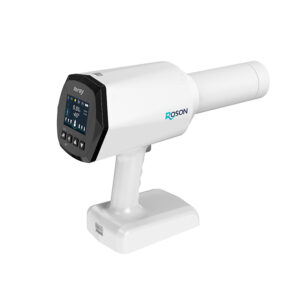
Dental X-ray machines are essential equipment for modern dental practices. When you’re ready to buy a dental X-ray system, you face two main choices: handheld and wall-mounted systems. Handheld dental X-ray machines bring unprecedented flexibility to small practices, while wall-mounted dental X-ray machines provide stable, reliable solutions for busy, larger clinics. Your choice depends on practice size, daily patient volume, available space, and budget considerations.
What Are the Main Differences Between Handheld and Wall-Mounted Dental X-Ray Machines?
These two dental X-ray systems differ significantly in several key areas. Understanding these differences helps you make a smart purchasing decision.
| Comparison Factor | Handheld Dental X-Ray Machine | Wall-Mounted Dental X-Ray Machine |
| Design Construction | Lightweight compact, ~4–6 lbs typical | Fixed installation, ~69–85 in arm reach (~5.7–7.1 ft) |
| Image Quality | Sensor-dependent; often ~20–25 lp/mm with modern digital sensors | Sensor-dependent; often ~20–25 lp/mm with modern digital sensors |
| Power Source | Lithium battery; typically >100 exposures per charge (often ~200–300) | Mains power 115–230 VAC (site dependent) |
| Mobility | Room-to-room portability | Fixed location, designated area use |
| Purchase Cost | $3,000–8,700 (typical range; model/config dependent) | $2,400–6,000+ (new vs refurbished/model dependent) |
| Installation Fees | Plug-and-play, no installation cost | Professional installation; cost varies by site and dealer |
| Maintenance Cost | Varies by service contract and usage (no universal fixed amount) | Varies by service contract and usage (no universal fixed amount) |
| ROI Timeline | Depends on utilization/financing; no universal 3–5 year norm | Depends on utilization/financing; no universal 5–8 year norm |
This comparison shows handheld dental X-ray machines have clear advantages in cost and portability, while wall-mounted systems excel in image quality and long-term stability.
Which Dental Practices Benefit Most From Handheld Dental X-Ray Machines?
Handheld X-rays are not the ideal solution for all configurations, but they are ideal solutions for certain applications where portability and economy are of greatest concern. Understanding the characteristics of different types is crucial when selecting the right dental equipment for your practice.
Small Private Practices
1-3 chair offices achieve the greatest bang for their money with handheld systems. You don’t need to put up top-of-the-line wall-mounted equipment in each room with these. You can take one piece of equipment from oratory to oratory when you need it. That reduces your up-front cost by 60-70% yet still affords strong imaging for simple diagnosis.
Mobile Dental Services
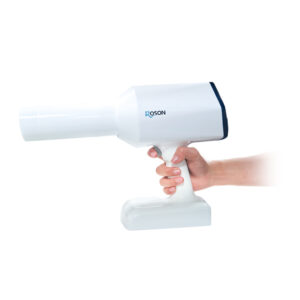
When making house calls, visiting nursing homes, or conducting community outreach, handheld dental X-rays are mandatory. Lightweight and portable, and packing a carrying case, these operate anywhere you take patients. No installation and no electrical connection other than charging the battery – nothing quite like grab-and-go portability that bulky systems can’t offer.
Space-Limited Offices
Urban practices dealing with high rent and limited square footage love handheld systems. Older buildings converted to dental offices often lack the structural support for heavy wall-mounted equipment. Handheld dental X-ray machines help you maximize every inch of valuable real estate without compromising on diagnostic capabilities.
Multi-Locations Practices
Practitioners with several small offices find mobile systems extremely economical. A decent system can supply 2-3 satellite offices, and expansion is easier than putting up permanent equipment throughout.
For these particular conditions, handheld dental X-ray devices bring unbeatable convenience and cost-effectiveness.
When Do Wall-Mounted Dental X-Ray Units Become More Logical?
Though mobile devices are nice to have, mounted dental X-ray tools are the better option where efficiency and high-level imaging are desired.
Large Multi-Chair Practices
Systems with 6+ operatories require the dependability of committed equipment within every room. Wall-mounted systems eliminate the bottleneck of sharing tools and maintain patient flow at a steady pace. Your personnel will not have to waste time transporting tools or waiting for batteries to charge when things are busy.
High-Volume Patient Environments
High-volume schedules benefit from instant-on performance and standardized workflow (no single universal threshold such as “50+ patients/day”)
Specialty Oral Surgery Centers
Customized practices carrying out intricate procedures require the higher image quality offered by wall-mounted equipment. Implant planning, orthodontic assessment, and surgery require the highest resolution images available to achieve accurate treatment planning and successful results.
Traditionally Set Up with Fixed Structures
Should your practice layout be finalized and significant changes not be imminent, mounted dental X-ray units fit perfectly within your work scheme. The permanent fixture is no longer a hindrance but a strength of the practice and makes the practice setting more professional and patient-impressing.
For practices focused on efficiency, volume, and professional presentation, wall-mounted systems represent a smart long-term investment.
How Do Dental X-Ray Machines Compare in Image Quality and Safety?
Safety and image quality are the most critical factors when choosing a dental X-ray machine. Both systems have distinct characteristics that affect patient care and diagnostic accuracy.
| Performance Metric | Handheld Dental X-Ray | Wall-Mounted Dental X-Ray |
| Radiation Dose | ~1–8 μSv per periapical exposure (parameter dependent) | ~1–8 μSv per periapical exposure (parameter dependent) |
| Image Clarity | Sensor-limited resolution; modern sensors often ~20–25 lp/mm | Sensor-limited resolution; modern sensors often ~20–25 lp/mm |
| Safety Protection | Backscatter shield plus standard operator positioning/distancing protocols | Multiple protections, lead glass viewing |
| Quality Standards | Must comply with applicable radiation safety/device regulations when used as directed | Must comply with applicable radiation safety/device regulations when used as directed |
Wall-mounted systems have a slight edge in radiation safety, but in practice both can achieve similarly low patient doses when used correctly. For image quality, wall-mounted dental X-ray machines definitely provide higher resolution, but resolution is primarily determined by the digital sensor; either system can deliver diagnostic-quality images.
How to Select the Proper Dental X-Ray System for Your Practice
The selection of the right dental X-ray machine is a question of being systematic. Below are five steps toward making the best choice for your practice.
Step 1: Assess Your Practice Foundations
Begin by tallying up your current dental chairs. You may find handheld more cost effective if you have 1-3. Where you have 4 or more chairs, factor in the space-saving benefits of wall-mounts, take measurements of available space within rooms, particularly ceiling height and ceiling mounting conditions of rooms. Monitor your average patient count per day – this straightforwardly determines the use of the equipment.
Step 2: Determine Your Functional Needs
Describe what kind of X-ray testing you mostly conduct. If you mostly conduct simple diagnostics and routine checkups, simple handheld dental X-rays are adequate. When intricate root canals are needed, implant planning is required, or when orthodontic assessment is necessary, the higher quality image of mounted-on-the-wall systems makes a difference.
Step 3: Create a Budget Plan
When calculating your complete cost of doing business, factor in equipment cost, installation cost, cost of training personnel, and first-year cost of maintenance. Portable units usually have lower upfront costs because there’s no wall installation; total ownership cost still varies by brand, usage, and service plan.
Step 4: Create Side-by-Side Product
Contact at least 3 suppliers for quotes. Request demonstrations of device operation and image quality. Review other practices’ user feedback, especially regarding reliability and after-sales service quality. If possible, negotiate a 1-2 week trial period.Before making your final decision, familiarize yourself with the various X-ray equipment types available in today’s market.
Step 5: Make Your Final Choice
Then decide. Remember, the most expensive is not necessarily the best and the lowest priced can lead to regret. Choose dental X-ray equipment absolutely within your actual needs and budget. Read service agreements and warranties carefully before you sign.
This systematic approach verifies that your chosen system indeed meets practice needs and avoids preventable spending missteps.
FAQ
Q1. How Long Is the Battery of a Handheld Dental X-ray Machine Used For, and What Is the Charging Time?
Typically >100 exposures per charge (often ~200–300) depending on model and settings; many practices recharge between sessions or overnight.
Q2. Will Installation of the Wall-Mounted System Interfere With the Décor and Layout of My Practice?
Wall-mounted dental X-rays do require installation planning, yet modern systems are highly versatile. When unused, the equipment arm swivels against the wall and takes up very minimal space. Common arm reach options are ~69–85 inches, depending on model and room layout. Installation requires power wires and possible computer connections. It is best to have it integrated when you are planning where your practice renovation is going to go, so that it integrates better with your overall layout.
Q3. Long-Term, Which Type of X-ray Machine Is More Affordable?
Total cost of ownership depends on patient volume, utilization, maintenance/servicing, and financing; there is no universal dollar advantage that applies to every practice.
Find Your Ideal Dental X-Ray System
Dental X-ray machine selection is a serious decision when making upgrades in service quality and practice efficiency. Smaller practices that are concerned about being flexible and cost-minded prefer handhelds, and larger institutions concerned about being efficient and image quality use the wall-mounted variety. Wait no longer! Call a qualified dental equipment dealer now and arrange equipment demonstrations and on-site evaluations. Have experts prescribe the ideal dental X-ray system tailored to your individual circumstances and offer the finest diagnostic solutions for patients and practice.
About the Author