 ZH
ZH  EN
EN 
Dental Chair Equipment Configurations: What Should Buyers Compare?

Choosing dental chair equipment should start with the clinical workflow, not the longest feature list. Buyers should compare positioning, controls, infection-control features, options, maintenance, and supplier support. These factors affect how the chair meets daily treatment needs and procurement requirements.
How Should Buyers Compare Dental Chair Equipment Configurations?
A practical comparison is a configuration checklist that connects each feature to a specific workflow need. A clinic may focus on positioning and patient comfort. A distributor may need several configuration levels to serve different market segments.
| 配置 | What to compare | Why it matters |
| Positioning | Chair movement, memory positions, safety controls | Supports repeatable treatment setup |
| 控制装置 | Touchscreen, foot control, shortcuts | Reduces unnecessary workflow steps |
| Infection control | Water systems, disinfection, cleanable surfaces | Supports routine hygiene procedures |
| Customization | Delivery style, upholstery, accessories | Matches clinical and market requirements |
| Support | Warranty, technical support, distributor assistance | Affects ownership and resale support |
Which Configuration Factors Affect Daily Dental Work?
Assess positioning and controls by the procedures they support, rather than by feature count alone. For example, memory positions can reduce repeated manual adjustments when a clinic uses consistent treatment setups.
Why Should Ergonomics Be Part of the Comparison?
Ergonomics matters because dental professionals can spend long periods working in constrained positions. A useful comparison includes chair movement, dentist-stool adjustment, access around the patient, and controls reachable without interrupting treatment. We incorporate ergonomic design across our dental-chair range.
Which Dental Chair Features Matter for Infection Control and Maintenance?
Buyers should compare infection-control features together with the maintenance procedures required to use them correctly. The CDC notes that dental-unit waterlines can support bacterial growth and biofilm formation, so dental providers should maintain and monitor dental treatment water and follow manufacturer recommendations.
How Does Disinfection Configuration Affect Daily Maintenance?
A built-in disinfection function can be a meaningful configuration criterion when it matches the clinic’s maintenance protocol. We offer dental-chair configurations with integrated disinfection systems, while buyers should confirm the required maintenance procedure, consumables, and local requirements before ordering.
What Should Buyers Check About Surfaces and Water Systems?
Check how easy each component is to clean, spittoon, handpiece areas, and water-delivery components. We offer a ceramic spittoon, easy-to-clean surfaces, an automatic water-delivery system, and several upholstery choices. These details are more useful for procurement than a general claim that a chair is hygienic.
How Do Control Systems and Custom Options Affect Clinical Workflows?
Digital controls and setup options are useful when they cut repeated setup work. They also help the unit fit a specific treatment workflow. Evaluate them based on who will use the chair, the procedures performed, and the accessories needed.
Which Digital and Positioning Controls Are Worth Comparing?
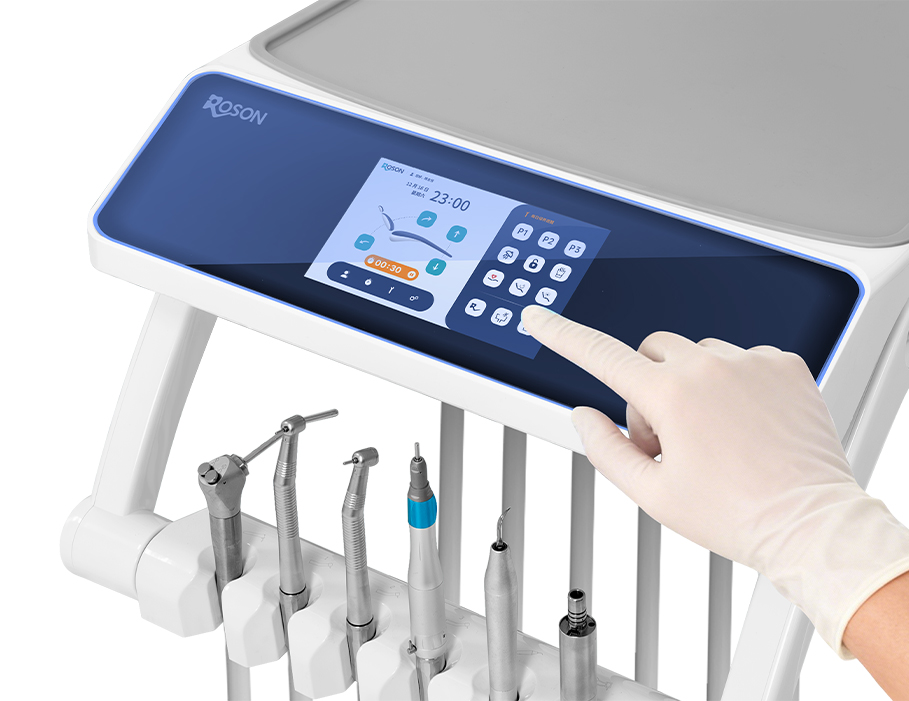
Buyers should compare how many controls are available during treatment. They should also compare the types of controls. These may include touchscreen functions, memory positions, foot controls, and shortcut operations.
Our range includes digital treatment interfaces, soft start/stop motion, and one-key drainage and positioning. It also includes four-way foot control and touch-screen options.
When Do Optional Accessories Add Practical Value?
Optional accessories add value when they replace separate equipment. They also add value when they match a procedure the buyer does often. Buyers should compare the standard and optional configurations separately so that quoted prices remain meaningful.
How Do ROSON Dental Units Compare Across Different Buyer Needs?
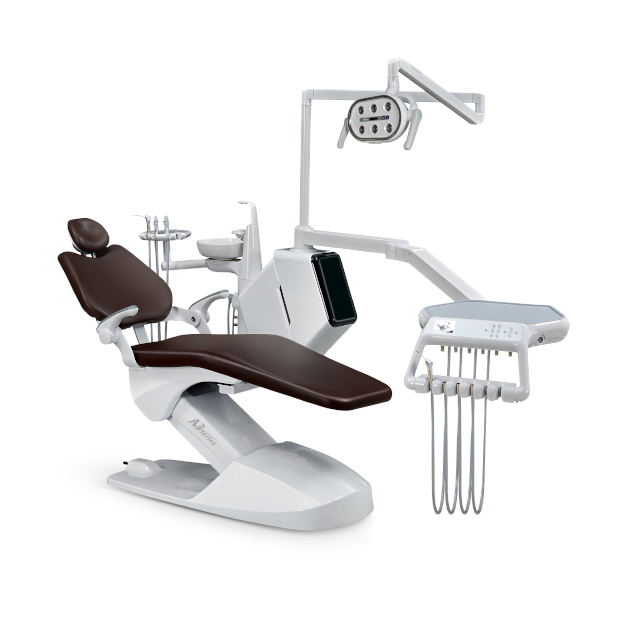
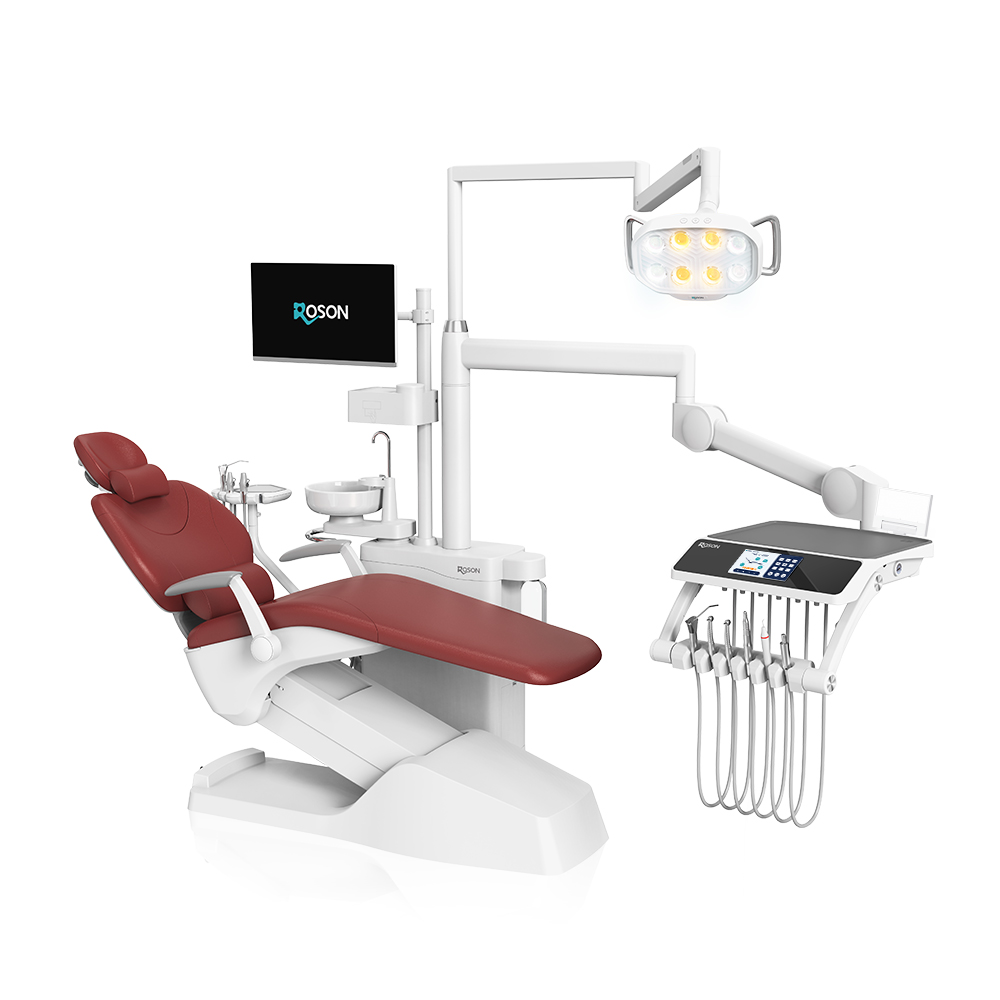
We offer several dental-unit configurations, so buyers can compare models by needed functions. Each chair is not the same package. Our current lineup of dental chairs features A1 PRO, S9+, A3, N2 PRO, plus additional models. These models offer different positioning, control, accessory, and configuration options.
| 模型 | Documented configuration focus | Useful comparison question |
| 凭借其卓越的高性价比以及专为年轻牙医量身打造的“第一台牙椅”独特定位, | Digital controls, memory settings, customizable delivery and accessories | Which digital and optional functions does the workflow require? |
| S9+ | Security-focused configuration with integrated disinfection features | Does the clinic need the additional infection-control configuration? |
| A3 | Flagship model with integrated disinfection and broad configuration positioning | Which higher-level configuration requirements justify the selected package? |
| N2 专业 | Elite dental chair with ergonomic design and customization options | Which core functions are essential, and which extras are unnecessary? |
What Does the ROSON S9+ and A3 Configuration Add?
Buyers can compare the S9+ and A3 based on their required positioning, disinfection, control, accessory, and customization options. 诺胜 identifies integrated disinfection among its dental-unit innovations, while the A3 is presented as the flagship model and S9+ as the Security Master model. Buyers should request the exact configuration sheet for their market before finalizing a quotation.
How Should Distributors and Dental Clinics Make the Final Configuration Decision?
Distributors and end users should use different decision filters even when evaluating the same chair. A distributor needs a product portfolio that can cover multiple price and function requirements, while a clinic, school, or training center needs a configuration that supports its actual treatment and teaching workflow.
What Should Distributors Compare Beyond the Product Itself?
Distributors should compare supplier support, configuration flexibility, documentation, and after-sales resources alongside product specifications. We provide support from pre-sale consultation to branding, along with technical resources and after-sales assistance for distributors. For distributors, these capabilities can make it easier to introduce, demonstrate, and support a model in the local market.
What Should Clinics and Training Centers Prioritize?
Clinics and training centers should focus on the functions they use every day. There is little value in paying for options they do not need. A practical checklist should cover patient positioning, operator access, controls, cleaning routines, water maintenance, required accessories, and local service arrangements. This approach also makes quotations from different suppliers easier to compare.
What Should Buyers Do Before Ordering a Dental Chair?
Before placing an order, buyers should confirm the complete configuration, included accessories, optional items, maintenance requirements, warranty terms, and support arrangements in writing. This step helps buyers avoid relying on the model name alone. The same model may be available with different configuration options.
| Final check | What to confirm |
| 配置 | Standard vs optional components |
| 工作流程 | Positioning, controls and accessories |
| Hygiene | Disinfection and water-maintenance procedure |
| Commercial terms | Warranty, quotation and delivery scope |
| Support | Technical, training and distributor assistance |
How Can Buyers Confirm the Required Configuration With ROSON?
The safest next step is to send ROSON the intended clinical application and required configuration before requesting a final quotation. Buyers can use the ROSON dental-chair range to identify a starting model and then contact us to confirm the required configuration, available options, documentation, and commercial details.
For distributors, the same conversation can cover market-specific materials and support requirements. For clinics and training centers, it can focus on the procedures, user preferences, infection-control workflow, and accessories that need to be included.
Conclusion: What Should Buyers Compare Before Choosing Dental Chair Equipment?
The right comparison is not the chair with the longest feature list; it is the configuration that matches the buyer’s workflow, hygiene requirements, users, and support expectations. Compare positioning, controls, infection-control functions, optional accessories, cleanability, and supplier support as one purchasing framework.
For buyers considering ROSON dental chair equipment, the A1 PRO, S9+, A3, and N2 PRO provide different configuration starting points. Confirming the exact package with ROSON before ordering helps distributors and end users compare quotations on the same basis and select equipment that fits the intended application.
关于作者