 ZH
 EN

What Dental Equipment Do You Need to Open a New Clinic?

Opening a dental clinic requires more than purchasing a dental chair and a set of instruments. You also need reliable equipment for treatment, instrument sterilization, imaging, air supply, and daily cleaning. The right setup depends on planned services, available space, budget, and local regulatory requirements.
For clinic owners, the priority is to build a practical workflow that supports patient comfort and consistent treatment. For local distributors, supplying a new clinic means matching equipment to the customer’s needs while considering product quality, pricing, maintenance, and after-sales support.
What Should You Consider Before Buying Equipment for a New Dental Clinic?
Before purchasing equipment, define your clinical services, room layout, and available budget. These decisions determine which products you need immediately and which can wait until the clinic expands.
How Should Your Treatment Scope Determine Your Equipment List?
Start by listing the procedures your clinic will provide. A general dental practice may need examination and restorative equipment, while a clinic offering oral surgery, orthodontics, or implant treatment may require additional instruments and specialized systems.
Use this checklist to establish your initial requirements:
- Clinical services: Identify the procedures you expect to perform regularly.
- Treatment capacity: Estimate the number of treatment rooms and appointments you plan to accommodate.
- Staff requirements: Consider how dentists and assistants will work together around each treatment chair.
- Future expansion: Identify equipment that can be added later without requiring major changes to the clinic layout.
For example, a single-chair clinic can begin with one complete treatment station and the supporting sterilization equipment needed for its expected patient volume. Purchasing several treatment units before confirming demand may tie up funds that could be used for essential supplies or staff training.
How Much Space and Budget Should You Allocate?
Allocate space according to the treatment workflow, equipment dimensions, staff movement, and local building requirements. The American Dental Association (ADA) includes building design, permits, regulations, and waste management among the considerations involved in establishing a dental practice.
When preparing a budget, look beyond the purchase price. Include delivery, installation, utilities, compatible accessories, maintenance, staff training, and replacement parts. Also confirm the electrical supply, plumbing, drainage, and compressed-air requirements before ordering equipment.
What Essential Dental Equipment Does Every New Clinic Need?
Most new clinics need a treatment unit, clinical instruments, sterilization equipment, and appropriate supporting systems. Imaging equipment, specialized devices, and additional treatment stations depend on the services offered and the applicable regulations.
Which Equipment Is Needed for the Main Treatment Room?
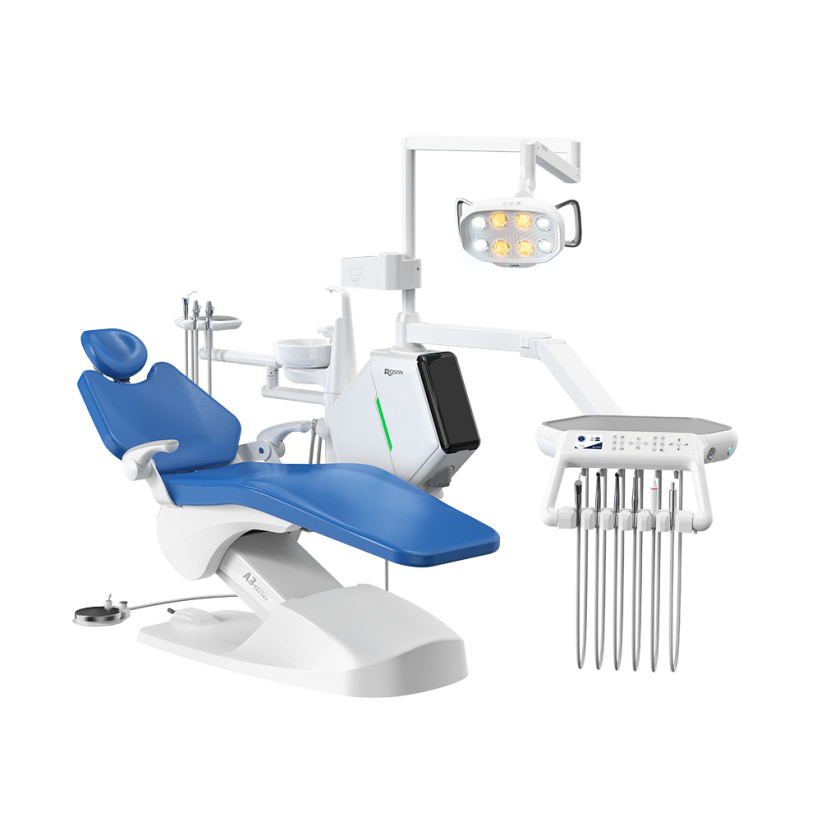
The dental treatment unit is the center of the clinical workspace. A typical setup includes a dental chair, operating light, instrument delivery system, suction, and the handpieces or other instruments required for planned procedures.
| Equipment | Main purpose | What to check before buying |
| Dental chair and treatment unit | Positions the patient and organizes treatment equipment | Adjustment range, access, controls, and compatibility |
| Operating light | Illuminates the treatment area | Positioning, brightness adjustment, and ease of cleaning |
| Dental handpieces and instruments | Support examination and treatment | Intended procedures, maintenance, and sterilization requirements |
| Dental air compressor | Supplies compressed air to compatible equipment | Required pressure, flow, noise, and installation conditions |
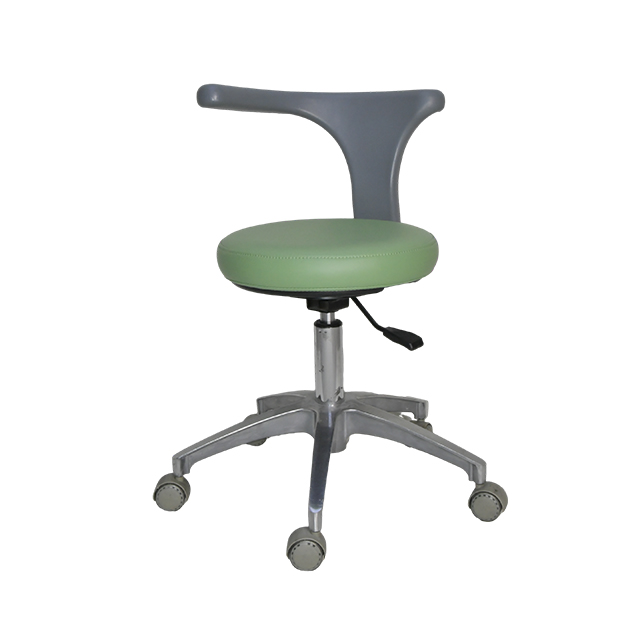
| Dental stool | Supports the dentist or assistant during treatment | Height adjustment, mobility, and seating comfort |
| Suction system | Removes fluids and debris during procedures | Required capacity, connection compatibility, and maintenance |
Check the complete configuration rather than assuming every dental chair includes all the accessories you need. Confirm which items are included, which must be purchased separately, and which connections require additional equipment.
What Sterilization, Infection Control, and Imaging Equipment Should You Plan For?
A clinic needs a documented instrument-reprocessing workflow, not simply an autoclave. Depending on the instruments used, this workflow may require cleaning equipment, packaging materials, a suitable sterilizer, monitoring supplies, and designated storage for processed instruments.
The Centers for Disease Control and Prevention (CDC) recommends cleaning reusable instruments before sterilization and following validated manufacturer instructions. Critical instruments that penetrate soft tissue or bone must be heat sterilized between uses or discarded, while other items require processing appropriate to their classification and instructions.
Plan for the following:
- Cleaning equipment: Select manual or automated cleaning methods appropriate for the instruments and your infection-control procedures.
- Autoclave: Choose a sterilizer suited to the instruments, packaging, expected workload, and applicable requirements.
- Monitoring supplies: Arrange the mechanical, chemical, and biological monitoring required by your procedures and local rules.
- Storage and protective supplies: Provide suitable instrument packaging, closed storage, personal protective equipment, and surface barriers.
Imaging equipment should match your clinical scope. Intraoral cameras can help dentists show patients visible details inside the mouth, while intraoral or panoramic X-ray systems may be required for diagnostic needs. Before purchasing radiographic equipment, check licensing, installation, radiation protection, and inspection requirements in your jurisdiction.
Which Supporting Equipment and Supplies Should You Include?
Supporting systems keep the clinic operational between appointments. Depending on the equipment selected, you may also need water connections, instrument trays, cleaning and disinfection supplies, and appropriate waste containers.
Prepare a checklist for consumables and routine maintenance before opening. Include gloves, masks, sterilization pouches, barriers, disinfectants, and replacement components compatible with your equipment.
How Can You Choose Dental Equipment That Fits Your Clinic and Workflow?
Evaluate how each piece of equipment fits the treatment room and supports the tasks dentists and assistants perform during daily procedures.
Which Features Matter Most for Patient Comfort and Daily Efficiency?
Start with the tasks dentists and assistants perform repeatedly. A chair with suitable positioning adjustments, accessible controls, and a practical instrument layout can help staff reach the treatment area without repeatedly changing position.
Evaluate the following features during product demonstrations:
- Patient access: Can patients enter and leave the chair safely and comfortably?
- Control layout: Can users understand the controls without unnecessary interruption?
- Cleaning access: Are frequently touched surfaces accessible for cleaning and disinfection?
Wireless controls, massage functions, and digital integration may be useful in some settings, but they should not be automatic purchasing priorities. Compare the practical benefit, training requirements, compatibility, and additional cost before selecting optional features.
How Can You Compare Equipment Costs, Maintenance, and Compatibility?
Compare suppliers using the same equipment list and specifications. Request itemized quotations so that you can distinguish the base product price from accessories, shipping, installation, training, warranties, and replacement parts.
| Evaluation factor | Questions to ask |
| Product quality | What materials, specifications, and quality documentation are available? |
| Total cost | Which accessories, delivery charges, and installation services are included? |
| Compatibility | Will the equipment work with your existing or planned systems? |
| 维护 | Are operating manuals, spare parts, and service instructions available? |
| After-sales support | Who handles technical questions, training, repairs, and warranty claims? |
Which Roson Products Can Help Equip a New Clinic?
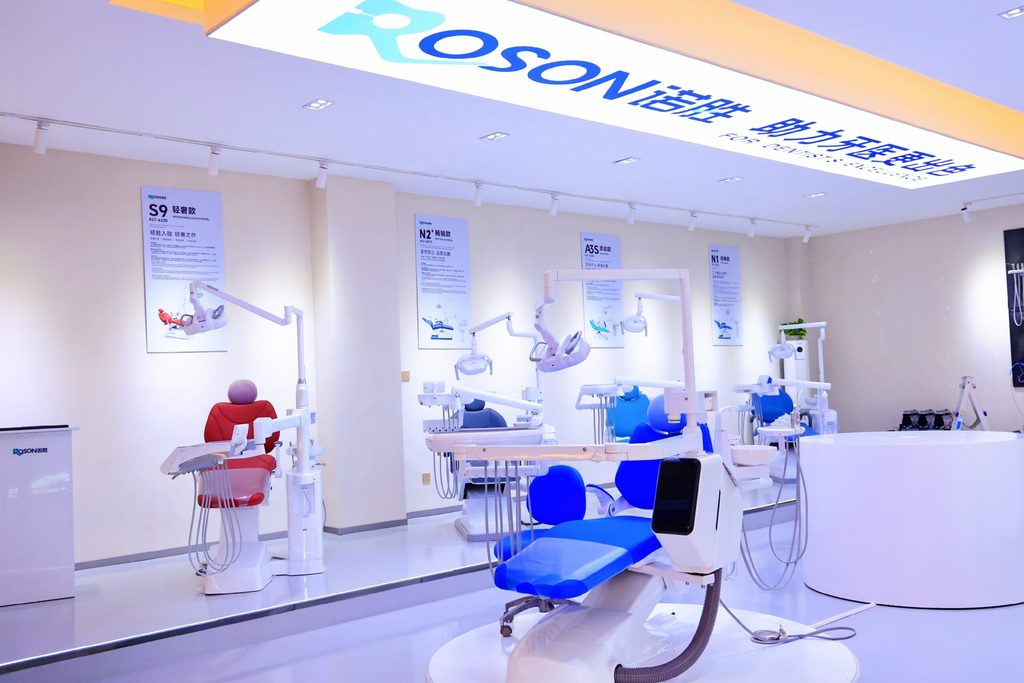
此次巡检不仅是一次设备的全面维护,’s product range includes dental chairs, air compressors, dental stools, dental lights, handpieces, intraoral cameras, autoclaves, and curing lights.
Several product categories are worth considering when planning a new clinic:
- Dental chairs: Roson offers different dental chair models with varying configurations. Check each model’s standard features, optional functions, and included accessories before ordering.
- Dental air compressors: Select a model compatible with the clinic’s dental equipment. Check the required airflow, pressure, noise level, and installation space before ordering.
- Dental stools: The Roson dental stool range includes models with adjustable height, backrest support, and rolling casters to accommodate different working positions.
- Supporting equipment: Dental lights, handpieces, autoclaves, intraoral cameras, and curing lights can be selected according to the procedures planned for the clinic.
For a distributor, the practical approach is to build several equipment packages rather than recommend an identical configuration to every customer. A basic package may focus on a treatment unit and essential supporting systems, while a larger package can include additional imaging and treatment equipment based on the clinic’s service scope.
What Should Distributors Check When Evaluating a Dental Equipment Supplier?
Before placing an order, ask the supplier to confirm:
- Product configuration: Which accessories and functions are standard, and which require additional payment?
- Commercial terms: What are the minimum order quantity, delivery terms, lead time, and warranty conditions?
- Technical support: Are installation instructions, operating manuals, training resources, and spare parts available?
- Local requirements: Can the supplier provide the documentation needed for the destination market, and does the product meet the applicable local requirements?
Roson provides online resources covering installation, operation, maintenance, and after-sales support. Distributors should confirm the precise support arrangements available in their market and establish how technical issues will be handled before agreeing to supply a clinic.
What Should You Do Before Opening Your Dental Clinic?
The most practical way to prepare for opening is to turn your clinical requirements into a verified equipment list, confirm the installation conditions, and compare complete quotations before ordering.
Use this final checklist:
- Confirm clinical needs and essential equipment.
- Verify installation, infection-control, and local requirements.
- Compare total costs, product specifications, and after-sales support.
If you are comparing dental clinic equipment for sale, avoid choosing products based on price or advertised features alone. The right purchasing plan connects each item to a clinical requirement and accounts for its installation, maintenance, and long-term use.
Roson’s range can serve as a starting point for clinics and distributors comparing dental treatment units and supporting equipment. Review the relevant product specifications, identify your required configuration, and contact us through Roson’s website to discuss your equipment requirements and request a quotation.
关于作者