 EN
EN  ZH
ZH 
Training Staff on Waterline Hygiene Protocols

The Critical Importance of Dental Unit Waterline Hygiene
In any dental practice, patient safety is the highest priority. While teams focus diligently on sterilizing instruments and disinfecting surfaces, the internal workings of the dental chair—specifically the dental unit waterlines (DUWLs)—can be an overlooked source of microbial contamination. These narrow plastic tubes transport water to high-speed handpieces, air/water syringes, and ultrasonic scalers. Their environment makes them a perfect breeding ground for biofilm, a slimy, resilient layer of bacteria, fungi, and other microorganisms.
This guide provides a comprehensive framework for training your clinical staff on effective waterline hygiene protocols. Establishing a culture of safety and implementing consistent, evidence-based procedures are the best ways to protect your patients, maintain your clinic’s reputation, and ensure the longevity of your equipment. A well-trained team is your first and most effective line of defense against infection risks.
Understanding the Risks: Why Waterline Maintenance Matters
The core issue with DUWLs is the formation of biofilm. Microorganisms present in incoming municipal water can attach to the inner surfaces of the tubing, multiplying and forming a protective matrix. Over time, this biofilm can shed clumps of bacteria into the water stream, potentially exposing patients to high concentrations of pathogens during routine procedures.
Regulatory bodies and health organizations have established clear guidelines on water quality in dental settings. For instance, the U.S. Food and Drug Administration (FDA) regulates dental units as medical devices, and their Quality System Regulation (21 CFR Part 820) outlines requirements for manufacturing and maintenance that indirectly impact infection control. The goal is to ensure the water used for non-surgical procedures meets established standards for safe drinking water.
A common mistake I’ve seen in many practices is a reactive approach—only performing a “shock” treatment after a problem is detected. However, research and extensive field experience show that consistent, daily maintenance is far more effective. A simple, low-level protocol disrupts biofilm before it can mature, preventing what we call “release events” where large bacterial loads are shed into the water.
Establishing Core Hygiene Protocols
A successful waterline maintenance program is built on simple, repeatable, and non-negotiable daily habits. Ownership and clarity are key. Every team member must understand their role and the reason behind each step.
Daily and Between-Patient Flushing
The single most effective routine is a fixed flushing cadence. This mechanical action physically removes contaminants that have settled overnight and reduces the risk of cross-contamination between appointments.
- Morning Routine: At the beginning of each day, flush all waterlines for a full two minutes. This purges any stagnant water that has been sitting in the lines overnight.
- Between Patients: Flush all lines for 20-30 seconds after each patient visit. This is a critical step to ensure any potential contaminants are cleared before the next procedure.
This simple rule, when followed consistently, dramatically reduces the microbial load in the water. For a deeper analysis of waterline management, our guide on A Deep Dive into Dental Chair Waterline Management offers additional technical details.
Choosing Your Water Source: Tap vs. Distilled
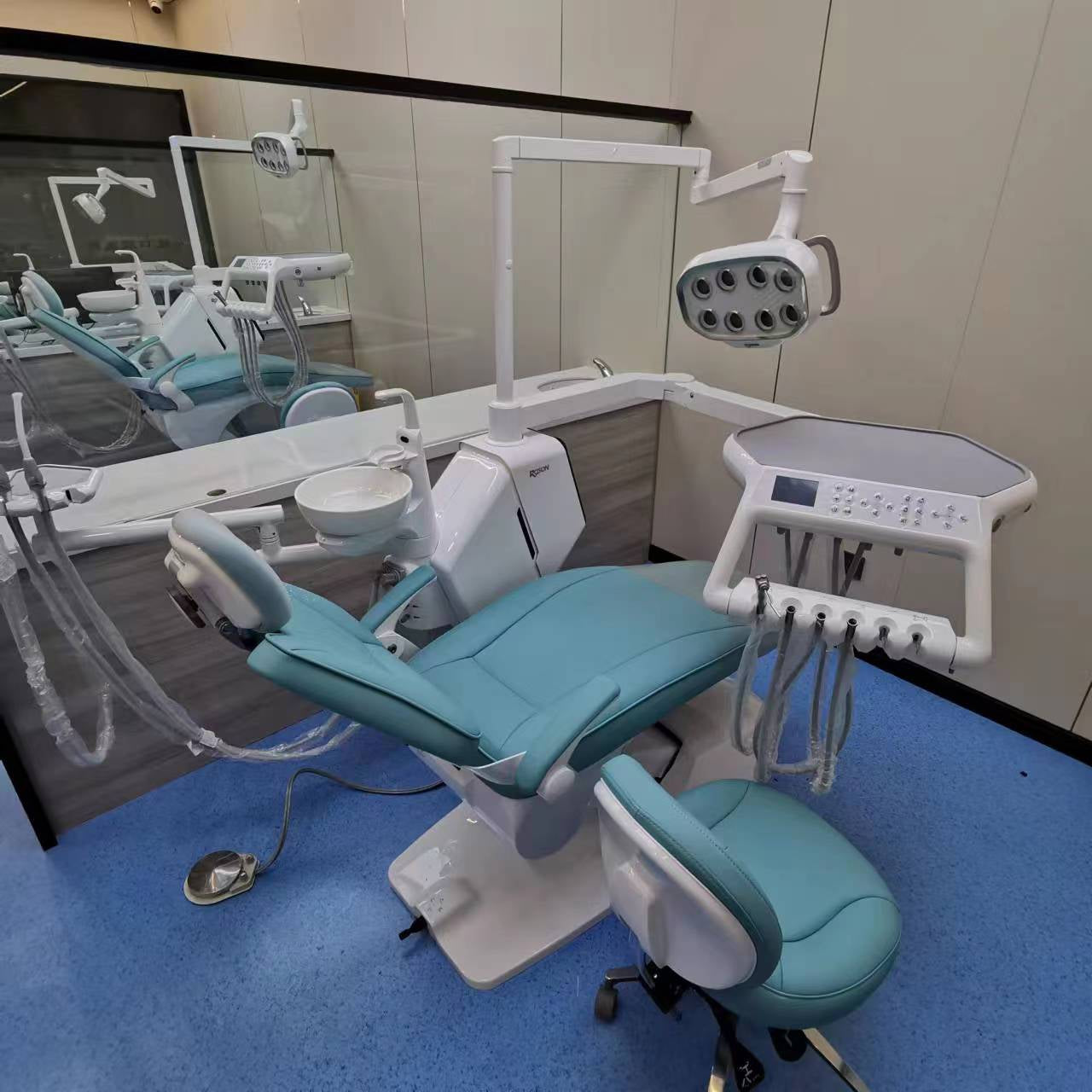
Many modern dental chairs use an independent water bottle system, which offers a closed, controlled environment. This design is a significant advantage, but the choice of water source still impacts the overall hygiene strategy.
| Water Source | Advantages | Disadvantages | Best For |
|---|---|---|---|
| Tap Water | Cost-effective and readily available. | Contains minerals that can cause scale buildup in equipment. May have higher initial microbial counts. | General non-surgical procedures in clinics with robust filtration and consistent flushing protocols. |
| Distilled Water | Free of minerals, preventing scale and deposits. Low initial microbial count. | Higher cost and requires storage management. Does not prevent biofilm growth on its own. | Practices looking to minimize equipment wear and reduce mineral-related blockages. The standard for most independent bottle systems. |
| Sterile Water | Highest purity, free of all microorganisms. | Most expensive option. | Strictly necessary for surgical and invasive procedures where the sterile field must be maintained. |
Expert Warning: Debunking a Common Misconception
A common myth is that using distilled water completely prevents biofilm. While distilled water has a very low microbial count initially, it is not sterile. Once it enters the dental unit, it can become contaminated by the environment or residual microbes in the lines. Without consistent flushing and treatment, biofilm will still form. The primary benefit of distilled water is the elimination of minerals that can damage sensitive equipment components.
For surgical procedures, you must use sterile water or saline delivered through a single-use disposable or sterilizable tubing system. Never rely on the dental unit’s primary waterlines for these invasive treatments.
Implementing a Staff Training Program
Effective training transforms protocols from words on a page into consistent actions. The goal is to build muscle memory and a shared sense of responsibility for patient safety.
Key Components of an Effective Training Session
- Clear, Observable Checklists: Don’t rely on memory alone. Create a simple, laminated checklist that stays with each dental unit. This serves as a constant visual reminder and a tool for accountability.
- Hands-On Demonstration: Training should be active. Walk each team member through the process: changing the water bottle, performing the flushing sequence, and cleaning connectors. Have them perform the tasks under supervision until they are confident.
- Define Ownership: Assign a specific person on the team to be responsible for end-of-day procedures and weekly maintenance tasks. While everyone should flush between patients, having a designated lead ensures that less frequent tasks are not forgotten.
- Regular Refreshers: I recommend short, skill-based refresher sessions (15-20 minutes) on a quarterly basis. Tying these sessions to the results of your quarterly water tests can be a powerful motivator, showing the team the direct impact of their efforts.
Here is a sample checklist you can adapt for your clinic:
| Task | Frequency | Operator | Completed (✓) | Notes |
|---|---|---|---|---|
| Flush Waterlines (2 min) | Start of Day | Assigned Staff | ||
| Check Water Bottle | Start of Day | Assigned Staff | Fill with fresh distilled water, check date. | |
| Flush Waterlines (30 sec) | Between Patients | Clinician/Asst. | For all active instruments. | |
| Clean Bottle Connectors | End of Day | Assigned Staff | Wipe threads and O-ring. | |
| Empty Water Bottle | End of Day | Assigned Staff | Leave bottle inverted to dry overnight. | |
| Perform Weekly Shock Treatment | Weekly | Assigned Staff | Use manufacturer-approved disinfectant. |
Monitoring and Documentation: Closing the Loop
How do you know if your protocols are working? Regular testing and meticulous record-keeping are essential. They provide the data needed to verify your program’s effectiveness and troubleshoot any issues that arise.
Water Quality Testing
- ATP (Adenosine Triphosphate) Testing: This provides a rapid, near-instantaneous reading of the total organic load in the water. While it doesn’t measure bacteria specifically, it’s an excellent tool for trending. A sudden spike in ATP readings can give you an early warning that your maintenance protocol is failing or needs adjustment.
- Heterotrophic Plate Count (HPC) Cultures: This is the standard for microbiological testing. Water samples are sent to a lab or tested in-office with mail-in kits. The results are measured in Colony-Forming Units per milliliter (CFU/mL). A result greater than 500 CFU/mL is considered an “action level,” indicating that a shock treatment is necessary and your current protocols should be reviewed. Compliance with quality standards, such as those outlined in ISO 13485:2016, demonstrates a commitment to maintaining a safe and controlled clinical environment.
The Importance of a Simple Logbook
Keep a dedicated logbook for each dental unit. This doesn’t need to be complicated. A simple binder with dated entries is sufficient. Record:
- Date of action or test
- Operator’s initials
- Action taken (e.g., “Weekly shock treatment performed”)
- Test results (e.g., “HPC Test: 150 CFU/mL”)
This log is invaluable. It serves as proof of compliance for regulatory inspections and is the most useful tool for diagnosing a problem. If a unit fails a water test, the logbook provides a complete history of its maintenance, helping you pinpoint the cause quickly.
Key Takeaways
Building a robust waterline hygiene program is a fundamental aspect of modern infection control. It is not a one-time task but an ongoing commitment that requires a well-trained and vigilant team.
- Consistency Over Intensity: Daily flushing and maintenance are more effective than infrequent, aggressive shock treatments.
- Train for Ownership: Ensure every team member understands the “why” behind the protocols and is empowered to perform their duties confidently.
- Test and Document: Use regular water testing to verify your protocols are effective and maintain a simple log to track compliance and aid in troubleshooting.
- Use the Right Tools: Independent water bottle systems and the appropriate choice of water source are foundational elements of a modern, safe dental unit. This is a key consideration in how delivery system design aids in infection control.
By investing in proper training and establishing these clear, actionable protocols, you create a safer environment for your patients and reinforce your clinic’s commitment to the highest standards of care.
Frequently Asked Questions (FAQ)
1. How often should we “shock” our dental unit waterlines?
The frequency depends on the treatment product manufacturer’s instructions and your water quality test results. Many systems recommend a weekly or bi-weekly shock treatment. However, this should complement, not replace, daily flushing routines.
2. Is it safe to use waterline treatment tablets or straws?
Yes, many commercially available products are effective for continuous, low-level disinfection. It is critical to choose a product that is compatible with your dental unit and to follow the manufacturer’s instructions precisely. Mixing incompatible chemicals can neutralize their effect or even damage the waterline tubing.
3. What should we do if a water test comes back with high bacterial counts (>500 CFU/mL)?
If you receive a high test result, you should immediately perform a shock treatment on the affected unit according to the manufacturer’s instructions. After the treatment, re-test the water to confirm the issue has been resolved. You should also review your daily protocols and staff training to identify any potential lapses that may have contributed to the high count.
References
- FDA 21 CFR Part 820 – Quality System Regulation
- ISO 13485:2016 – Medical devices — Quality management systems
- PubMed – Dental Technology Research
Disclaimer: This article is for informational purposes only and does not constitute professional medical or regulatory advice. Always consult your dental unit manufacturer’s instructions for use and adhere to local and national infection control guidelines.
About the Author