 EN
EN  ZH
ZH 
A TCO Checklist for Buying Your Next Dental Chair

Beyond the Sticker Price: Deconstructing Total Cost of Ownership
A new dental chair represents a significant capital investment. However, experienced clinic managers know that the initial purchase price is merely the opening chapter of a long financial story. Focusing solely on the upfront cost is a common but costly mistake. The true measure of a chair’s value lies in its Total Cost of Ownership (TCO), a framework that accounts for all expenses incurred throughout the asset’s operational life.
I’ve seen many practices purchase a seemingly budget-friendly chair, only to face spiraling costs from frequent repairs, expensive proprietary parts, and crippling downtime. A more strategic approach treats the dental chair as a 7-to-10-year asset. A simple yet powerful heuristic for estimating its long-term cost is:
TCO = (Purchase Price ÷ Expected Lifespan in Years) + Annual Maintenance Costs + Estimated Annual Downtime Costs
This formula shifts the perspective from a one-time expense to a long-term operational partnership with the equipment.
The Myth of the “Cheapest” Chair
A common misconception is that a lower purchase price automatically translates to savings. In reality, the sticker price is often a poor indicator of long-term value. Chairs built with inferior components may fail more frequently, require specialized servicing, and have parts that are difficult to source. According to regulations like the EU MDR – Medical Device Regulation, all medical devices must meet stringent safety and performance standards, but durability and repairability can vary widely within those compliant boundaries.
Think of it this way: a less expensive chair that costs you two full days of revenue due to downtime in its first year has already negated any initial savings. A reliable, slightly more expensive chair that performs without interruption is a revenue-generating asset, not a liability.
The Hidden Costs: Maintenance, Repairs, and Downtime
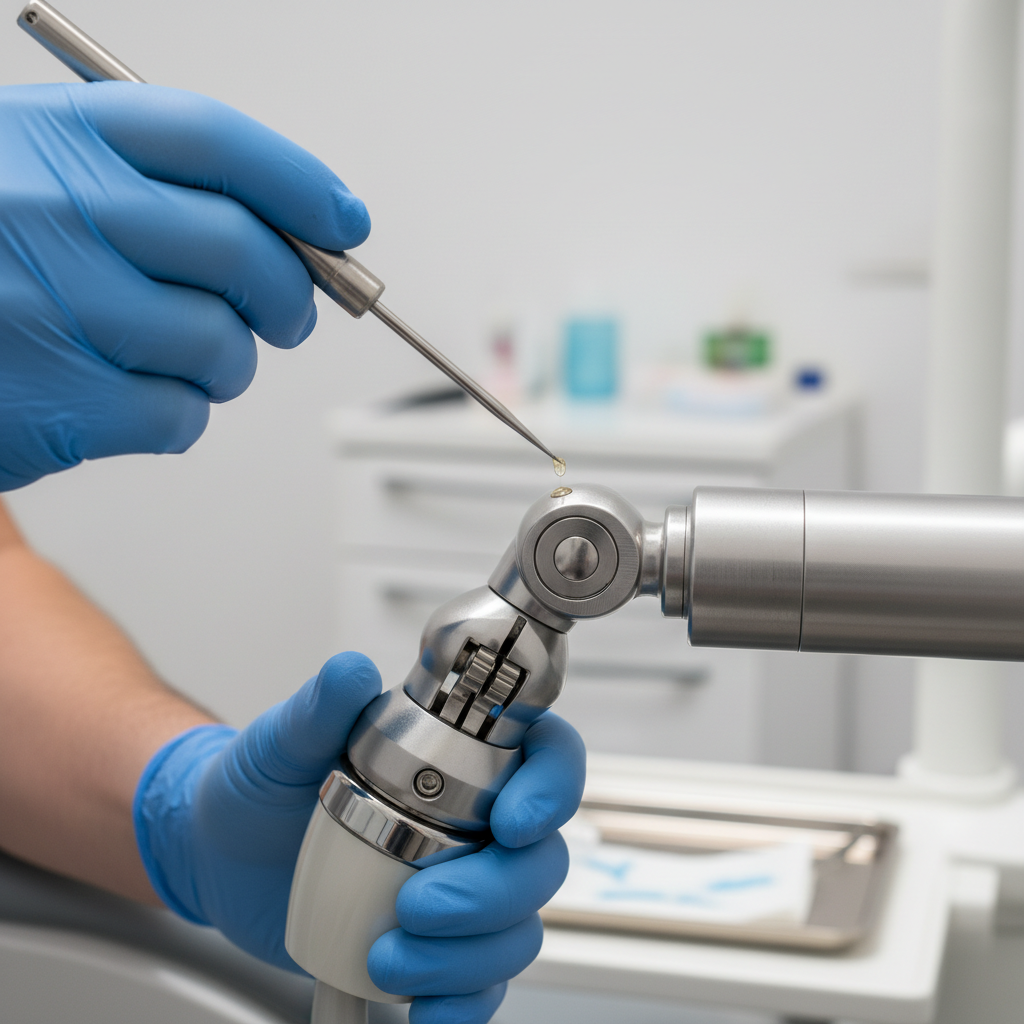
Predictable maintenance is an investment in operational continuity. Reactive repairs, on the other hand, are an expensive consequence of under-investment. Establishing a proactive maintenance cadence is critical to extending the life of your chair and minimizing unexpected failures.
A Practical Maintenance & Inspection Schedule
Based on common usage in busy clinics, a structured maintenance plan can prevent the majority of common failures. Here is a sample schedule that balances preventive care with operational efficiency.
| Frequency | Key Tasks & Focus Areas | Why It Matters |
|---|---|---|
| Monthly | Upholstery Inspection & Deep Cleaning | Checks for early signs of wear and tear on high-contact surfaces. Prevents cracks that harbor bacteria. |
| Quarterly | Mechanical Lubrication & Inspection | Ensures smooth operation of articulated arms, lifts, and swivels. Reduces strain on motors and hydraulic systems. |
| Annually | Professional Systems Check | A qualified technician should verify all hydraulic, electrical, and control systems to ensure they meet safety and performance specs. |
The Critical Role of Spare Parts Availability
One of the most overlooked “gotchas” in dental chair procurement is the availability and lead time for critical spare parts. A chair can be rendered useless for weeks while waiting for a small, inexpensive component like a hydraulic seal, foot control, or upholstery pad. This downtime translates directly to lost revenue.
When evaluating a chair, ask the vendor direct questions about their parts supply chain. Are parts stocked locally? What is the guaranteed lead time for critical components? Equipment that carries certifications like CE Marking for European Conformity often has a more reliable and transparent parts trail, as manufacturers must maintain quality systems compliant with standards such as ISO 13485:2016. This ensures that replacement parts meet the original specifications, safeguarding both performance and compliance.
Ergonomics and Efficiency: The Operator’s TCO
An often-underestimated component of TCO relates directly to the operator. A chair with poor ergonomics can lead to musculoskeletal strain, fatigue, and reduced productivity for the dental team. Over the course of a year, these inefficiencies add up to a significant hidden cost.
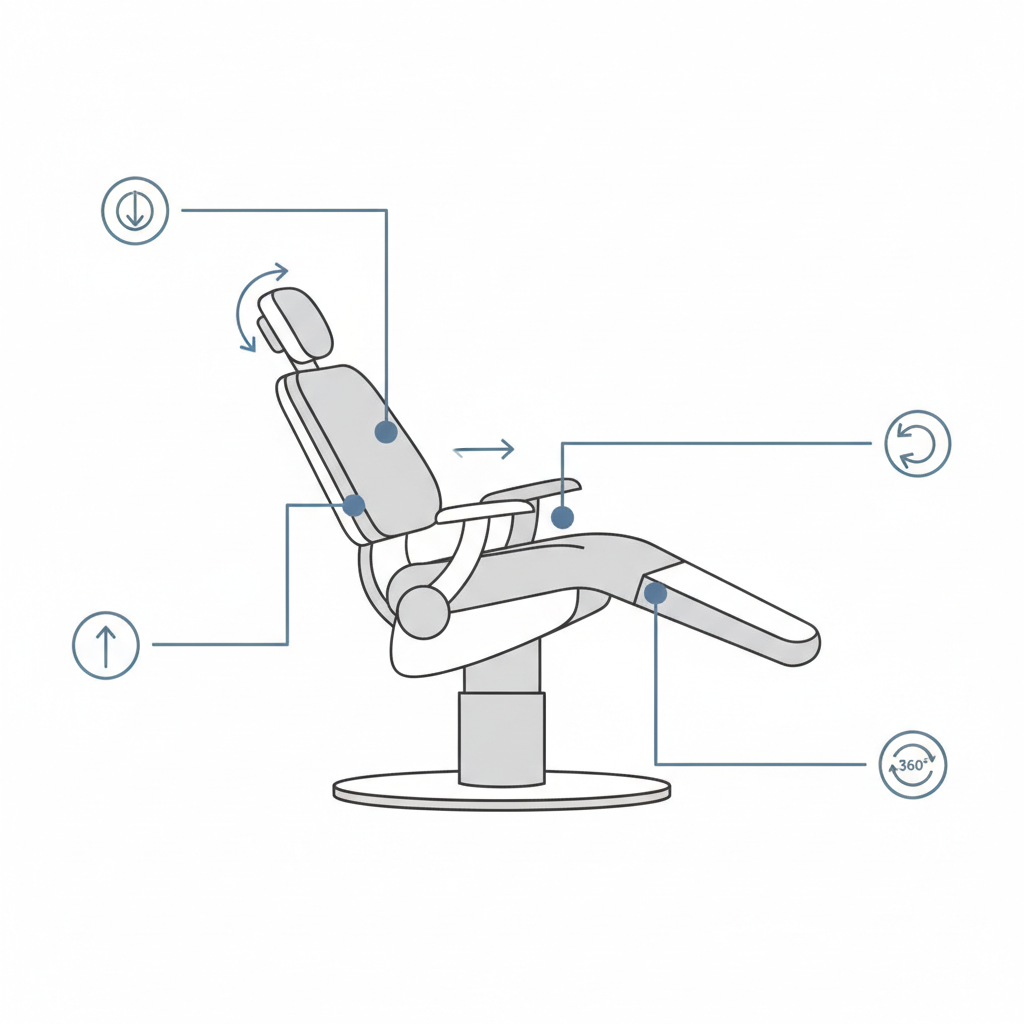
A mistake I often see is operators contorting themselves to fit the chair and patient, rather than the chair adjusting to them. This can lead to chronic neck and back pain. The simple fix is ensuring the chair has the flexibility to support healthy posture throughout a procedure.
Ergonomics Checklist for Buyers
- Height Range: Does the chair adjust low and high enough to accommodate different operator heights and procedures without forcing awkward postures?
- Headrest Flexibility: Can the headrest be easily repositioned to support the patient’s head for various treatments, giving you clear access?
- Weight Capacity: Verify the chair’s maximum weight capacity. As a rule of thumb, it should safely exceed the weight of your heaviest expected patient by at least 25%.
- Controls: Are the foot and hand controls intuitive and easy to access without taking your focus off the patient?
Investing in superior ergonomics is not an optional luxury; it is a direct investment in the health and efficiency of your clinical team, paying dividends in productivity and career longevity.
The Ultimate TCO Checklist for Your Next Dental Chair
Use this detailed checklist to guide your conversations with vendors and compare models comprehensively. This framework forces you to look beyond the marketing materials and evaluate the factors that truly impact your bottom line.
| Feature / Question | Questions to Ask the Vendor | Why It Matters (Impact on TCO) |
|---|---|---|
| Warranty & Lifespan | What is the standard warranty? What does it cover? What is the chair’s tested or expected operational lifespan in a high-use clinic? | A longer warranty and proven lifespan reduce the annualized cost of the chair. |
| Maintenance Protocol | What are the recommended daily, weekly, and annual maintenance tasks? Can our in-house team perform them or is a technician required? | High maintenance requirements or the need for specialized technicians increase annual operating costs. |
| Spare Parts | Where are spare parts warehoused? What is the average lead time for critical components (e.g., hydraulic seals, foot controls)? | Long lead times create expensive operational downtime, directly impacting clinic revenue. |
| Upholstery | What material is the upholstery? How is it tested for durability against cleaners and disinfectants? What is the cost of re-upholstery? | Durable, easy-to-clean upholstery lowers replacement frequency and maintenance labor. |
| Component Modularity | Are electronic and mechanical components modular? Can a single failed part (e.g., a switch) be replaced, or does the entire module need replacement? | Modular design significantly reduces the cost and complexity of repairs. |
| Energy & Consumables | What is the chair’s energy consumption rating? Does it use standard, serviceable motors and electronic boards? | Prioritizing chairs with efficient, non-proprietary components minimizes ongoing energy and replacement costs. |
Key Takeaways: Making a Future-Proof Investment
Choosing your next dental chair is a strategic decision that will impact your clinic’s financial health for a decade or more. By shifting your focus from the initial purchase price to the total cost of ownership, you empower yourself to make a smarter, more sustainable choice.
A reliable, durable, and easily serviceable dental chair is not an expense; it is a core revenue-generating asset. It enhances operator efficiency, ensures patient comfort, and, most importantly, protects your practice from the costly disruptions of unexpected downtime. By using a TCO framework, you invest in operational stability and long-term profitability.
Frequently Asked Questions (FAQ)
How often should a dental chair be replaced?
In a typical high-use practice, a quality dental chair is treated as a 7 to 10-year asset. However, its actual lifespan depends heavily on the initial build quality, the consistency of preventive maintenance, and the intensity of its use.
Is an extended warranty on a dental chair worth it?
This depends on the terms of the warranty and your TCO analysis. An extended warranty can be a valuable hedge against unforeseen, high-cost repairs, especially for complex electronic or hydraulic systems. Evaluate the cost of the warranty against the potential cost and likelihood of major component failure after the standard warranty expires.
What is the most overlooked factor when buying a dental chair?
Based on my experience, the most commonly overlooked factor is the combination of spare part availability and the associated cost of downtime. Many decision-makers focus on the chair’s features and price, only to discover later that a simple, broken part can halt operations for days or weeks, leading to revenue losses that far exceed the cost of the part itself.
Disclaimer: This article is for informational purposes only and does not constitute professional medical or financial advice. The ergonomic recommendations provided are general guidelines. Individuals with pre-existing health conditions should consult a qualified medical professional or ergonomic specialist. All purchasing decisions should be made in consultation with financial advisors and equipment procurement specialists.
About the Author