 EN
EN  ZH
ZH 
Tap vs. Distilled Water: Impact on Chair Durability

The Unseen Cost of Tap Water in Your Dental Practice
The choice between tap and distilled water for your dental unit waterlines might seem minor, but it has a significant impact on your equipment’s longevity and your clinic’s bottom line. Field technicians and clinic managers consistently report that mineral scaling from untreated tap water is a primary cause of premature failures in tubing, valves, and solenoids. This article provides a detailed comparison of tap versus distilled water, explaining how a simple switch can directly reduce maintenance costs and protect your investment.
Understanding the long-term effects of your water source is a cornerstone of effective preventative maintenance. Choosing the right water not only extends the life of critical components but also ensures your dental chairs operate at peak efficiency, preventing costly downtime that can disrupt patient schedules and impact revenue. This is a critical aspect of managing your clinic’s financial health, where equipment reliability plays a pivotal role.
How Tap Water Degrades Dental Equipment
The convenience of tap water comes with a hidden cost. Municipal water, especially in hard-water areas, contains dissolved minerals like calcium and magnesium. While harmless for drinking, these minerals precipitate out of solution and form a hard, crusty deposit known as limescale inside the small-bore tubing and intricate components of your dental chair.
The Problem of Mineral Scaling
Over time, this mineral buildup leads to several mechanical problems:
- Flow Restriction: As scale accumulates on the inner walls of tubing, it narrows the diameter, restricting water flow to handpieces and syringes. This can reduce the efficiency of your instruments and affect clinical procedures.
- Valve and Solenoid Failure: Limescale can cause valves to stick or fail to seal properly, leading to leaks or complete blockages. Solenoids, which are electromagnetic valves, are particularly vulnerable as mineral deposits can impede the movement of their internal parts. Technicians often report that replacing or descaling valves is one of the most frequent service calls related to dental unit waterlines.
- Component Damage: The abrasive nature of mineral buildup can wear down seals, O-rings, and other delicate components, leading to premature failure and the need for costly replacements.
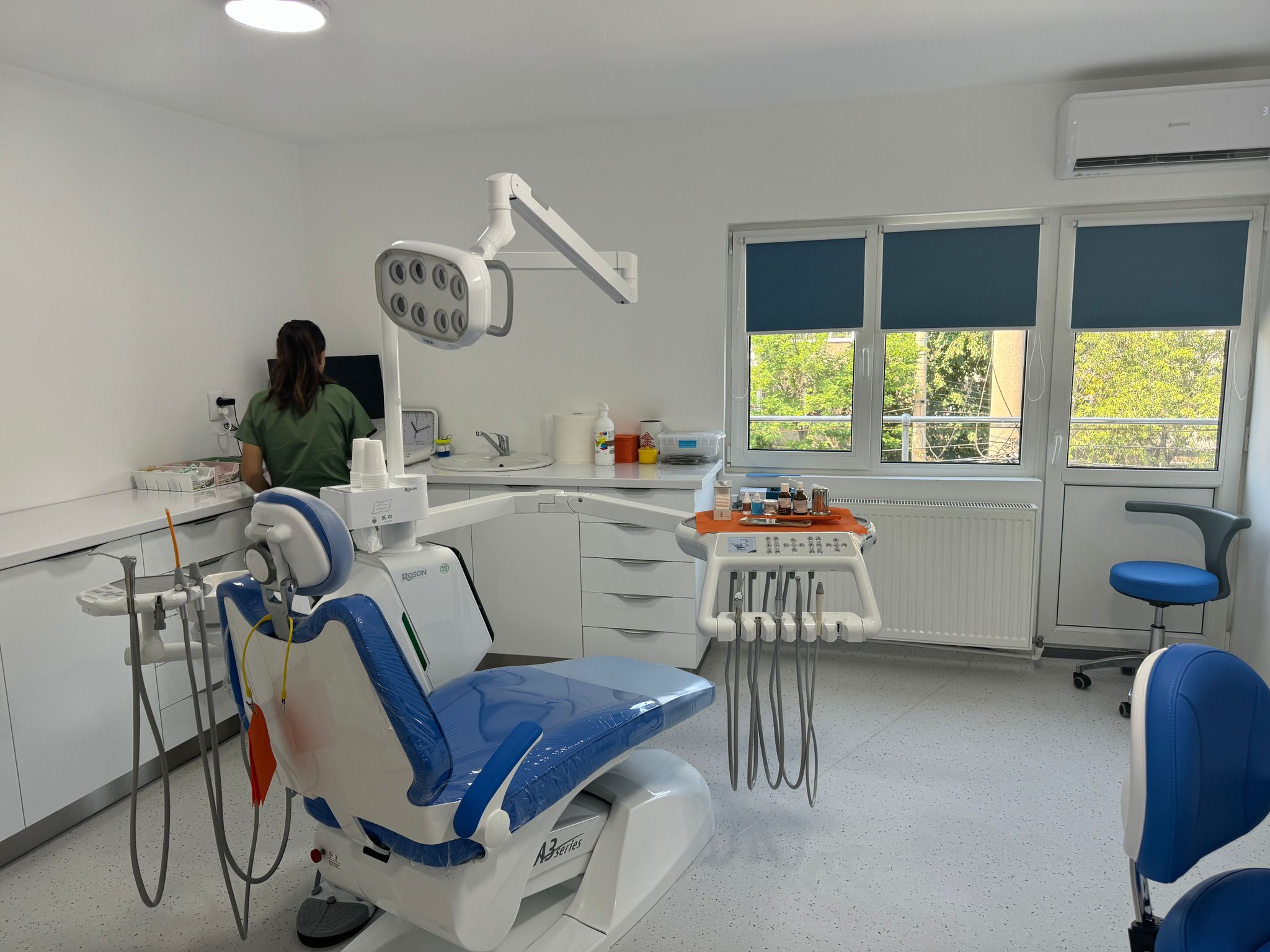
The financial impact extends beyond parts and labor. Unscheduled downtime for repairs disrupts your practice, leading to lost revenue and patient dissatisfaction. By understanding the root cause, you can shift from a reactive repair cycle to a proactive maintenance strategy.
The Distilled Water Advantage
Distilled water is water that has been purified by boiling it into vapor and condensing it back into a liquid, leaving dissolved minerals and other impurities behind. Using distilled water in your dental unit’s independent water bottle system is a highly effective strategy for preventing mineral scaling and preserving the integrity of your equipment.
Preventing Buildup and Extending Component Life
Because distilled water is demineralized, it eliminates the source of limescale. This simple change delivers significant long-term benefits:
- Extended Equipment Lifespan: Without the constant assault of mineral deposits, internal components like tubing, valves, and solenoids last significantly longer, aligning with their intended service life.
- Reduced Maintenance Costs: Clinics that switch to distilled water report a noticeable decrease in service calls related to waterline clogs and component failure. This proactive step can lower repair expenses by 30-40% in some cases.
- Consistent Performance: Your dental instruments receive a consistent and unobstructed flow of water, ensuring they perform as expected every time.
Expert Warning: Distilled Water is Not a Disinfectant
A common misconception is that using distilled water eliminates the risk of microbial contamination. This is incorrect. While distilled water prevents mineral buildup, it does not remove or prevent the growth of biofilm—a slimy layer of bacteria that can form on the inside of waterline tubing. According to research available through resources like PubMed, all dental unit waterlines are susceptible to biofilm formation. Therefore, using distilled water must be paired with a regular, approved line disinfection program to ensure patient safety and water quality.
Best Practices for Waterline Maintenance
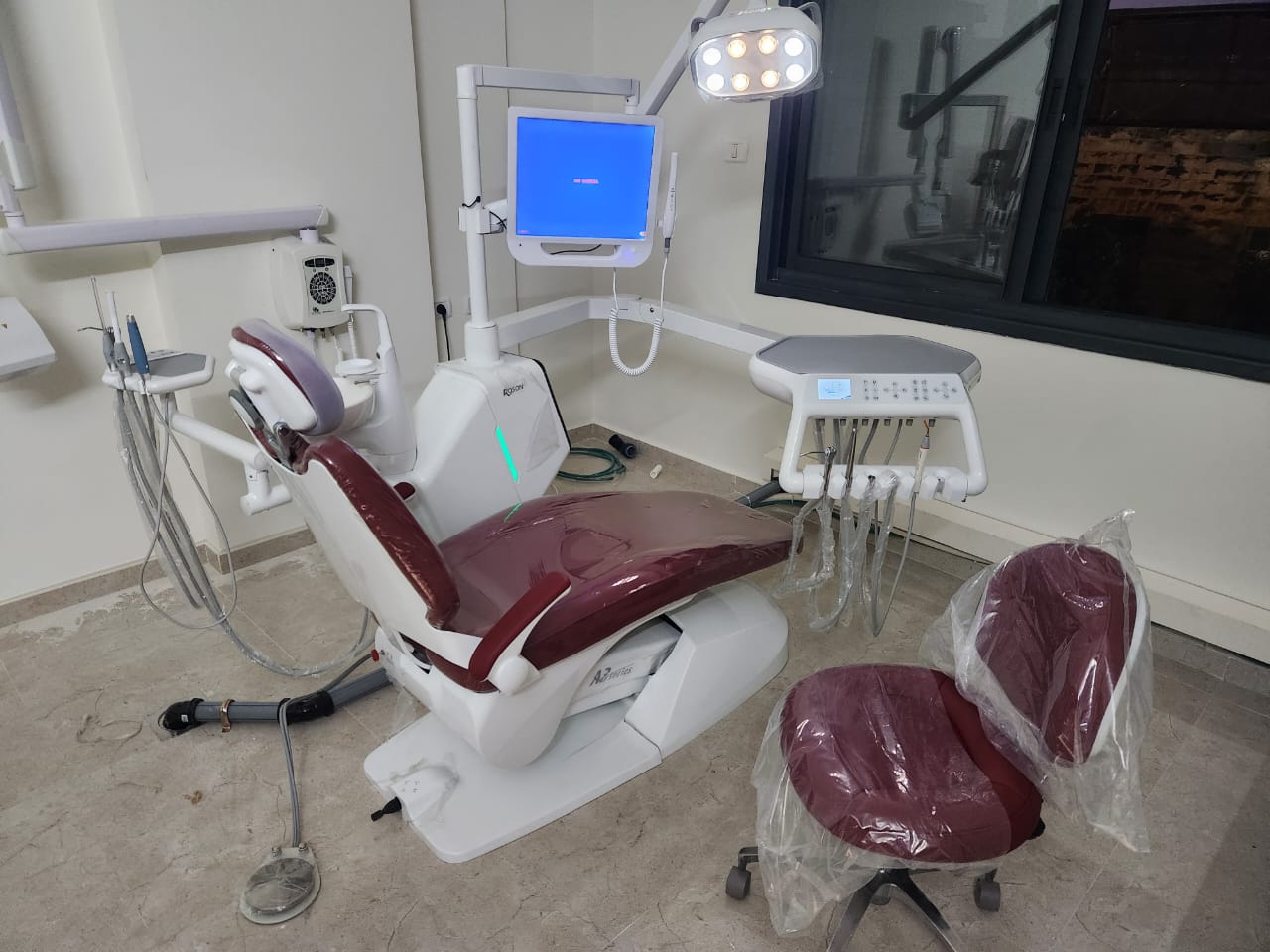
A systematic approach to waterline management is essential for maximizing equipment durability and ensuring regulatory compliance. This involves more than just choosing the right water; it requires consistent procedures and diligent record-keeping. For a deeper dive into the components involved, consider reviewing guidelines on maintaining your chair’s delivery system and parts.
Water Source Comparison
Choosing a water source involves weighing the trade-offs between cost, maintenance, and risk. The following table provides a clear comparison to guide your decision-making process.
| Feature | Tap Water (Unfiltered) | Tap Water (with Filter) | Distilled Water |
|---|---|---|---|
| Upfront Cost | Lowest | Moderate (cost of filter system) | Low (cost of water) |
| Long-Term Cost | Highest (due to frequent repairs) | Moderate | Lowest |
| Maintenance | High (frequent descaling/repairs) | Moderate (filter replacement) | Low (routine disinfection only) |
| Risk of Scaling | Very High | Low to Moderate | None |
| Biofilm Risk | High | High | High (requires disinfection) |
Waterline Maintenance Checklist
- Dedicate Your Water Source: Use a single, clearly labeled water source for each dental unit. Mixing sources can introduce contaminants and promote uneven scaling.
- Use an Independent Bottle System: This isolates the chair from municipal water lines, giving you complete control over the water quality.
- Implement a Disinfection Protocol: Shock and treat your waterlines regularly using a disinfectant solution approved by the manufacturer. Never use household cleaners or undiluted disinfectants, as they can degrade seals and tubing.
- Conduct Regular Inspections: Visually inspect tubing and filters monthly. Document flow rates and pressure trends to catch potential issues before they cause a failure.
- Schedule Preventive Maintenance: Incorporate tubing replacement into your clinic’s long-term maintenance schedule. While durable, tubing does not last forever and should be replaced every few years depending on use.
- Keep Spare Parts: Maintain a small inventory of critical spare parts, such as valve kits and quick-change tubing, to minimize downtime if a failure does occur.
Compliance and Total Cost of Ownership
Proper waterline maintenance is not just a matter of protecting your equipment; it is also a key component of regulatory compliance. Quality management systems for medical devices, as outlined in standards like ISO 13485:2016, require controlled processes to ensure device safety and effectiveness.
Furthermore, regulatory bodies like the FDA have strict quality system regulations for medical devices, detailed in FDA 21 CFR Part 820, that cover everything from design and manufacturing to maintenance. Maintaining detailed logs of your waterline disinfection and maintenance practices demonstrates a commitment to these standards. These records are not only valuable for audits but are also persuasive data points when making future procurement decisions, as they provide a clear picture of the low total cost of ownership associated with well-maintained equipment.
Key Takeaways
The water running through your dental chairs has a direct and measurable impact on their durability and your clinic’s operational costs. While tap water is convenient, its mineral content inevitably leads to scaling, premature component failure, and costly downtime.
Switching to distilled water, combined with a consistent disinfection protocol, is a simple yet powerful strategy to protect your investment. This proactive approach prevents the root cause of many common equipment failures, extending the life of your dental chairs, reducing service calls, and ultimately lowering the total cost of ownership. By implementing the best practices outlined here, you can ensure your equipment remains reliable, compliant, and ready to serve your patients for years to come.
Disclaimer: This article is for informational purposes only and does not constitute professional medical or technical advice. Always consult your equipment manufacturer’s guidelines and recommendations for specific maintenance protocols and approved cleaning agents.
About the Author