Skip to content
 EN
EN  ZH
ZH 
Choosing Stain-Resistant Dental Chair Upholstery

The Material Matrix: Understanding Your Upholstery Options
The foundation of a stain-resistant dental chair is its material composition. Choosing the right upholstery is a critical decision that balances durability, patient comfort, and, most importantly, compliance with infection control standards. For dental equipment, materials must adhere to stringent quality controls, such as those outlined by ISO 13485:2016, which ensures that medical devices meet rigorous safety and performance requirements.
Medical-Grade Vinyl (PVC) vs. Polyurethane (PU)
The two most common materials in modern dental upholstery are medical-grade polyvinyl chloride (PVC) and polyurethane (PU). While they may look similar, they have distinct properties that impact performance and longevity.
-
Medical-Grade Vinyl (PVC): This is the workhorse of the dental industry for good reason. It is exceptionally durable, non-porous, and highly resistant to the wide range of chemicals and disinfectants used in a clinical setting. Modern PVCs are often enhanced with protective topcoats, typically between 0.7–1.2 mm thick, which provide a robust barrier against stains and physical wear.
-
Polyurethane (PU): Known for its softer, more leather-like feel, PU offers superior patient comfort and is more breathable than PVC. However, it can be more susceptible to damage from certain aggressive, alcohol-based cleaners, which can compromise its surface over time. It is an excellent choice for clinics prioritizing patient experience, provided that cleaning protocols are strictly followed.
Here is a breakdown of how these materials compare in key decision-making areas:
| Feature | Medical-Grade Vinyl (PVC) | Polyurethane (PU) |
|---|---|---|
| Stain Resistance | Excellent | Good to Very Good |
| Chemical Resistance | Excellent | Good (Requires careful disinfectant selection) |
| Durability | Very High | High |
| Patient Comfort | Good (Firmer feel) | Excellent (Softer, more breathable) |
| Cost | Lower | Higher |
| Cleaning Protocol | Tolerant of a wide range of disinfectants | Requires non-alcoholic, pH-neutral cleaners |
Seams and Stitching: The Weakest Link
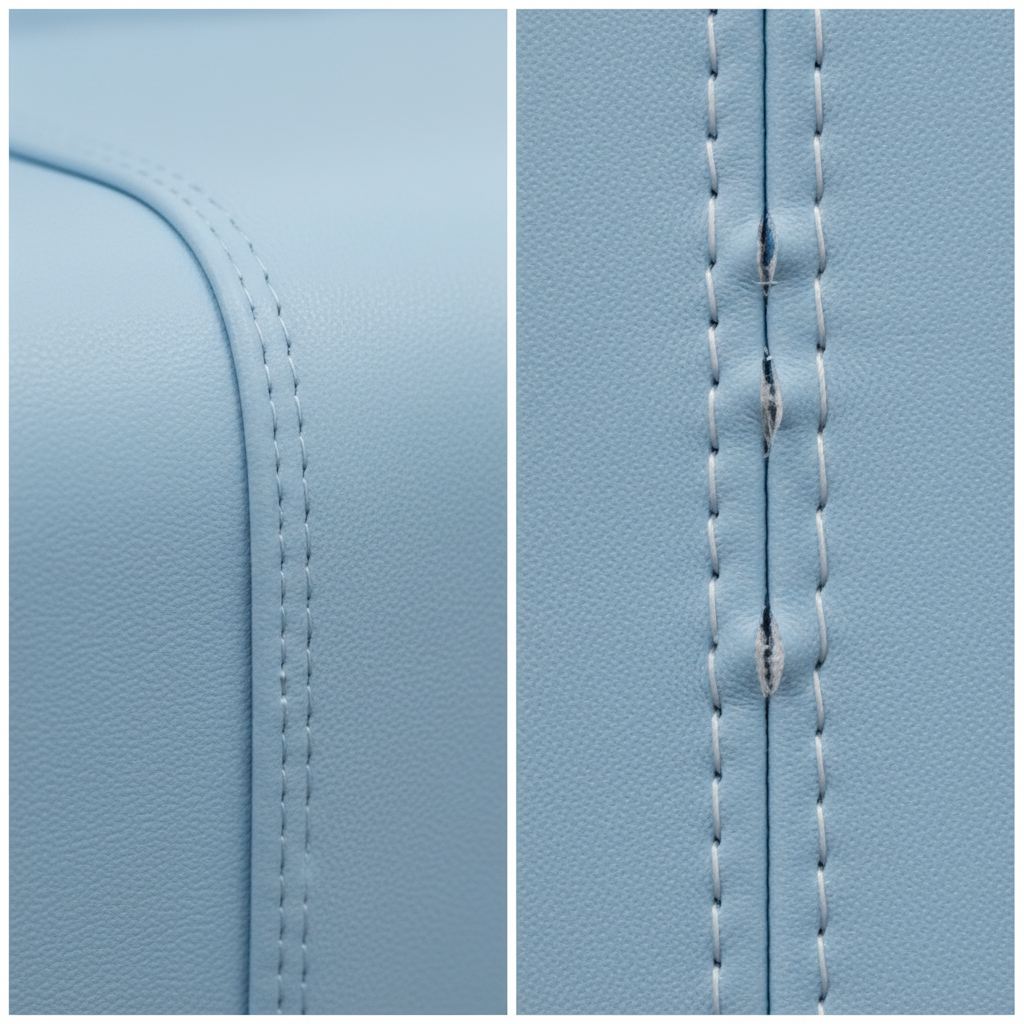
Even the best material can fail if its seams are not designed for a clinical environment. Traditional stitched seams create thousands of tiny puncture holes that can trap bio-debris and cleaning fluids, creating a haven for microbial growth. I’ve seen chairs that looked perfect from a distance, but a closer inspection of the seams revealed tiny cracks and discoloration—a clear sign of fluid ingress and a potential infection control failure.
To avoid this, always opt for chairs with seamless or heat-welded construction, especially in high-contact zones like the seat and backrest. This technique fuses the material together, creating an impervious barrier that is far easier to clean and disinfect, aligning with the quality system regulations enforced by bodies like the FDA.
The Science of Stain Prevention and Removal
Stain resistance is not just about the material; it’s about the process. A disciplined approach to cleaning and maintenance is essential to keeping your chairs in pristine condition. The right protocol prevents stains from setting in and protects the upholstery from premature degradation.
Debunking a Common Myth: Harsher is Not Better
A pervasive myth in clinical settings is that stronger, more aggressive chemicals lead to a cleaner, safer environment. In reality, overusing high-concentration alcohol or strong oxidizing agents on your dental chairs is a recipe for disaster. These chemicals strip the protective topcoat from the upholstery, causing microcracking and making the material brittle. This damage not only looks unprofessional but makes the surface more porous and susceptible to future staining.
Proactive Protection: Your Daily Cleaning Protocol
The most effective way to manage stains is to address them before they happen. Spills of bonding agents, composites, or disinfectants should be dealt with immediately.
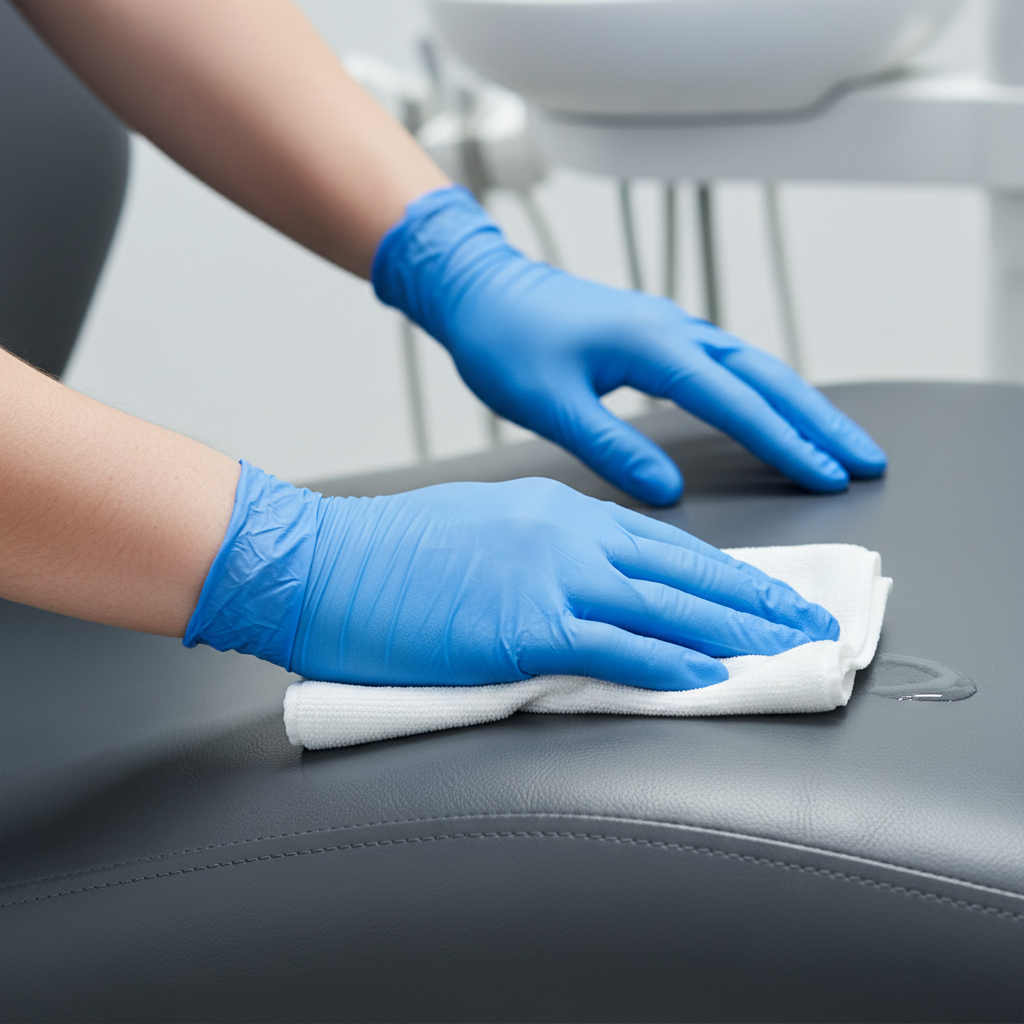
- Blot, Don’t Rub: As soon as a spill occurs, use a soft, absorbent cloth to blot the liquid. Rubbing grinds the staining agent into the material’s surface, making it much harder to remove.
- Choose Your Disinfectant Wisely: Use a broad-spectrum, intermediate-level disinfectant that is explicitly approved by the upholstery manufacturer. Avoid high-alcohol formulas for daily wipedowns.
- Test in a Hidden Area: Before implementing a new cleaning agent across your clinic, always test it on a small, inconspicuous patch of the upholstery (e.g., under the footrest) for 24-48 hours to check for any adverse reactions like discoloration or softening.
A Step-by-Step Guide to Removing Stubborn Stains
When a stain does set, a methodical approach is more effective than brute force. Follow these steps, moving from the gentlest to the strongest method.
- Start with Neutral pH Cleaners: Begin with a solution of mild soap and water (pH level of 6-8). Gently clean the area with a soft cloth and then rinse thoroughly with a separate cloth dampened with clean water.
- Use Enzymatic Cleaners for Blood: For protein-based stains like blood, an enzymatic cleaner is highly effective. These cleaners break down the proteins without harming the upholstery.
- Avoid High Heat: Never use steam cleaners or water hotter than 60°C (140°F). Excessive heat can cause the adhesive layers in the upholstery to delaminate, leading to bubbling and peeling.
- Always Rinse: After any cleaning procedure, rinse the surface with clean water to remove any chemical residue. Leftover disinfectant can accelerate material degradation and lead to a tacky, sticky surface over time.
Maximizing Upholstery Lifespan and Return on Investment
A dental chair is a significant capital investment. Extending the life of its upholstery directly impacts your clinic’s bottom line. Beyond material choice and cleaning, a few strategic decisions can add years to your chair’s service life.
The Power of Barriers and Replaceable Components
For high-traffic operatories or procedures with a high risk of staining (e.g., pediatric dentistry or extensive composite work), using barriers is a cost-effective strategy. Simple, disposable plastic sleeves for the headrest, backrest, or the entire chair are far cheaper than reupholstery.
A smart operational practice is to retain a small supply of easily replaceable components from your manufacturer, such as headrest covers and seat cushions. This allows you to quickly swap out a damaged or heavily stained component with minimal downtime, maintaining a professional appearance while you arrange for a more permanent repair.
Planning for Reupholstery: A Realistic Timeline
No upholstery will last forever. Budgeting and planning for eventual replacement is a mark of a well-run clinic. Based on real-world usage patterns, you can expect a realistic service life for your upholstery:
- High-Volume Clinics: Expect to reupholster or perform significant repairs every 5–8 years.
- Lower-Volume Practices: Service life can extend to 8–12 years.
This lifecycle is a key factor that successful equipment manufacturers consider. As noted in market growth reports from firms like MarketsandMarkets, robust after-sales support and the ready availability of spare parts are critical drivers of brand loyalty and market leadership.
Key Takeaways for Long-Lasting Upholstery
Choosing and maintaining your dental chair upholstery does not have to be a challenge. By focusing on a few core principles, you can ensure your chairs remain a source of pride and patient confidence for years to come.
- Prioritize Material Science: Select medical-grade, non-porous materials like coated vinyl or a high-quality PU with seamless construction.
- Implement Smart Cleaning Protocols: Use manufacturer-approved, pH-neutral disinfectants for daily cleaning. Act on spills immediately by blotting, not rubbing.
- Use Barriers Strategically: In high-wear settings, disposable barriers are your most effective defense against stains and wear.
- Plan for the Long Term: Understand the expected lifespan of your upholstery and factor reupholstery into your long-term operational budget.
Frequently Asked Questions (FAQ)
Is leather a good option for dental chairs?
No. While luxurious, genuine leather is porous and cannot withstand the rigorous disinfection required in a clinical setting. Its surface breaks down quickly under chemical exposure, and its pores can harbor bacteria.
How do I know if my cleaning agent is safe for my chair?
Always refer to the chair manufacturer’s guidelines first. If you want to try a new product, test it on a hidden area of the upholstery for 24-48 hours to check for any signs of damage, such as discoloration, cracking, or stickiness.
What is the single most important factor for upholstery longevity?
Consistent adherence to a proper cleaning protocol. Even the most durable material will fail if cleaned with the wrong chemicals or if spills are not addressed promptly. The “blot, don’t rub” rule and rinsing after disinfection are two of the most critical habits to adopt.
Disclaimer: This article is for informational purposes only and does not constitute professional medical or safety advice. Always consult your equipment manufacturer’s instructions for use and cleaning. Follow all local, state, and federal guidelines for infection control in your practice.
About the Author