 EN
EN  ZH
ZH 
Seamless vs. Stitched Upholstery: Which is Better?

The Critical Role of Upholstery in Modern Dental Practices
The choice of dental chair upholstery might seem like a minor detail, but it has significant, long-term implications for your practice. This decision directly impacts infection control protocols, operational efficiency, and the total cost of ownership. Going beyond mere aesthetics, the right material can streamline your workflow, while the wrong one can introduce hidden costs and risks.
Beyond Aesthetics: Infection Control and Patient Safety
Every surface in a dental operatory is a potential vector for cross-contamination. Dental chairs, being in direct contact with every patient, are at the forefront of this challenge. The material and construction of your upholstery must allow for rapid and effective disinfection between appointments. Regulations like the FDA’s 21 CFR Part 820 and the EU Medical Device Regulation (MDR) mandate that medical devices are designed and manufactured to be safe and effective, which includes being easy to clean and resistant to degradation from approved disinfectants.
One of the most common oversights is failing to consider disinfectant compatibility. Some high-alkali or alcohol-heavy cleaning agents can cause certain vinyl materials to become stiff, brittle, and prone to cracking over time. This not only ruins the appearance but creates new crevices where pathogens can hide, compromising your infection control efforts.
Durability and Long-Term Return on Investment (ROI)
Upholstery is a high-touch surface that endures constant physical stress. Its durability is a direct factor in your clinic’s long-term operational budget and professional appearance. Worn, torn, or cracked upholstery looks unprofessional and can be a source of patient complaints.
From an experiential standpoint, the failure points differ significantly between material types. In busy practices, stitched seams are often the first point of failure, with edge wear or stitch separation appearing in as little as 2–4 years. Seamless, or welded, upholstery avoids this issue entirely, though it has its own wear patterns. Choosing a more durable option from the outset minimizes downtime and replacement costs, delivering a much stronger return on investment.
Seamless Upholstery: The Pros and Cons
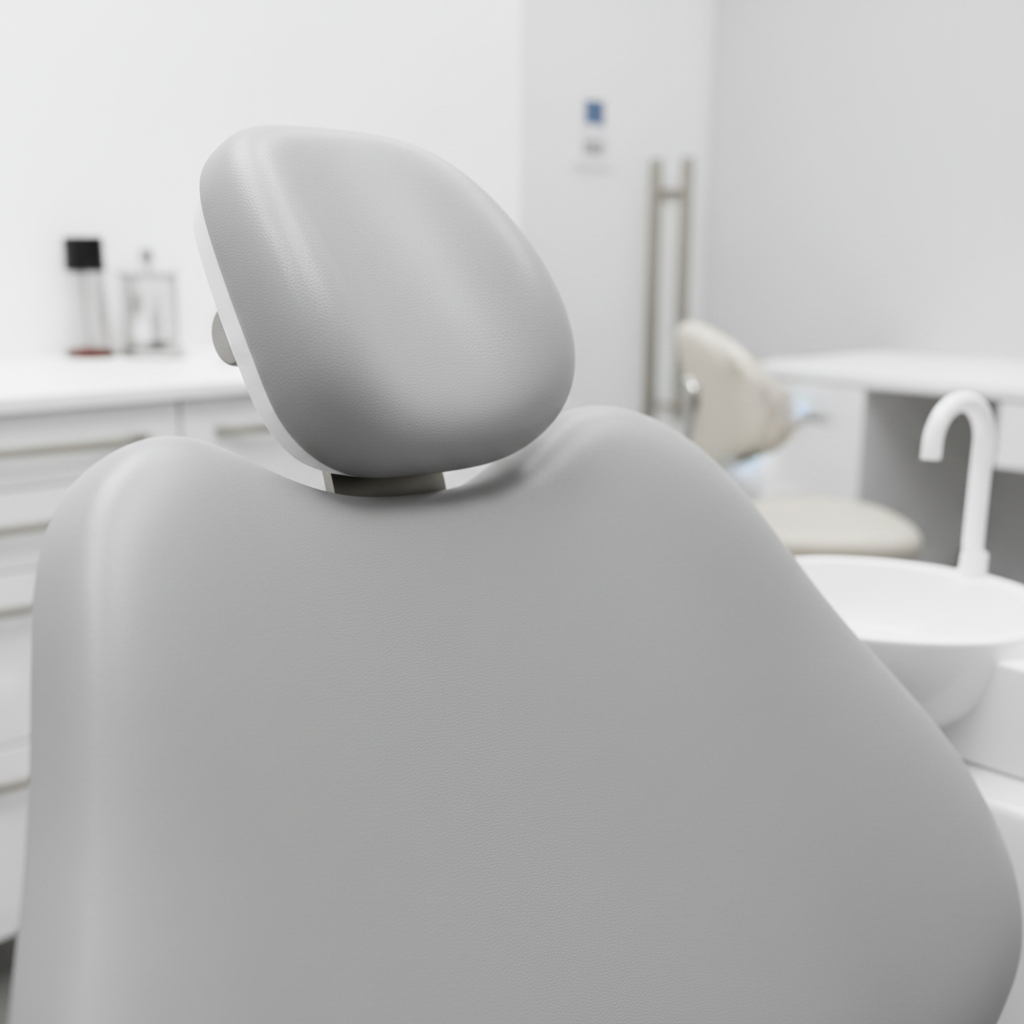
Seamless upholstery, often constructed using heat-welded panels, presents a smooth, unbroken surface. This design has become increasingly popular in modern clinics, primarily for its significant hygienic advantages.
The Unbeatable Advantage in Cleaning
The primary benefit of seamless upholstery is its superior cleanability. With no stitches, grooves, or crevices to trap bioburden, debris, and fluids, the surface can be wiped down and disinfected in a single, efficient pass. For high-volume clinics, this translates directly into faster room turnover times, allowing you to see more patients without compromising safety standards.
This smooth surface is inherently more compatible with the stringent cleaning protocols required in a dental setting. It eliminates the most common failure point for infection control on a dental chair, making compliance simpler and more reliable.
Durability and Failure Points
While seamless designs eliminate the risk of stitch failure, they are not indestructible. The primary mode of failure for this type of upholstery is typically edge delamination or puncture damage. However, high-quality, medical-grade vinyl used in welded upholstery is engineered for high tensile strength and resistance to common scuffs and tears. In most clinical environments, welded panels will outlast their stitched counterparts before showing significant signs of wear.
Aesthetic and Ergonomic Considerations
The trade-off for the perfect cleanability of seamless upholstery can sometimes be in the area of ergonomics and aesthetics. The manufacturing process may limit the ability to create deeply contoured, plush cushions. The look is often more minimalist and modern, which may or may not align with your practice’s design language. However, advancements in foam technology and shaping have allowed for the creation of highly comfortable and supportive seamless chairs that fit a wide range of patient body types.
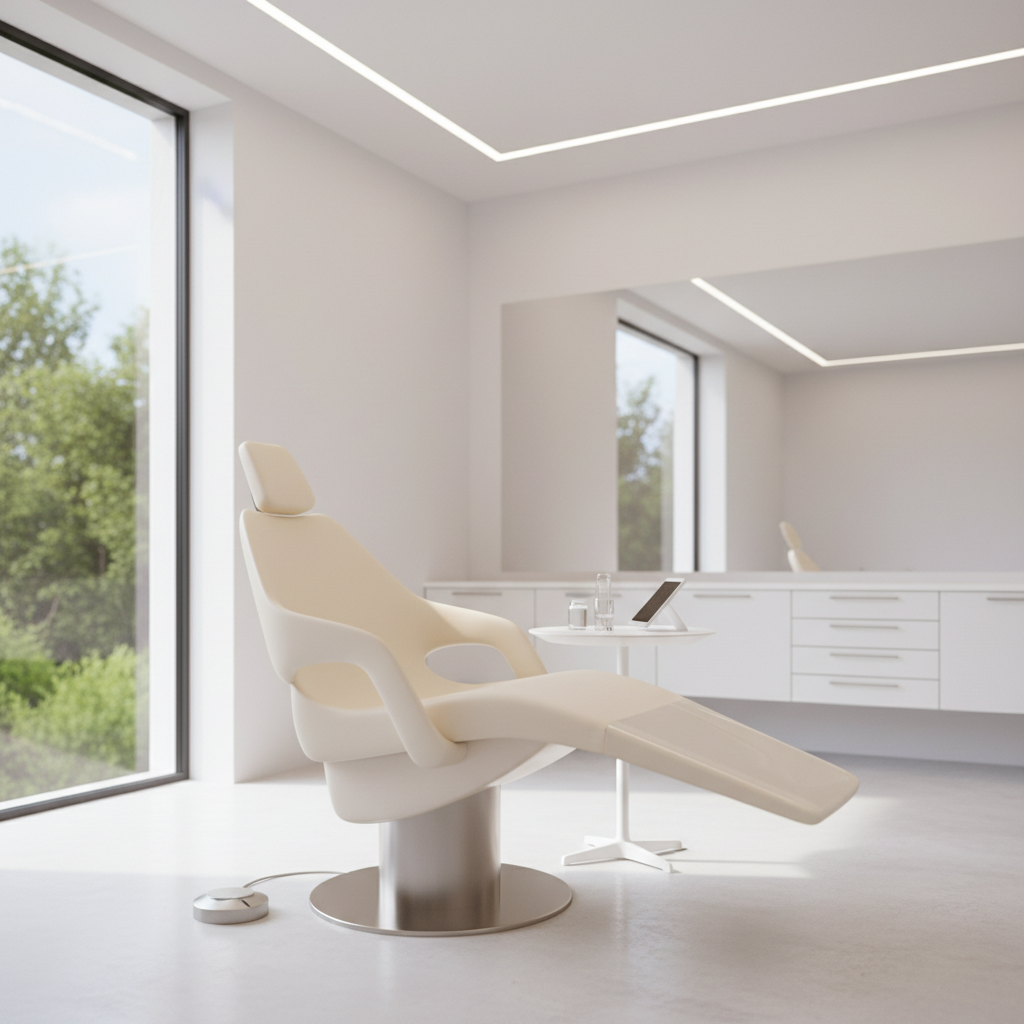
Stitched Upholstery: A Detailed Analysis
Stitched upholstery has a long history in dental chair design and continues to be a popular choice for many practices, particularly those that prioritize highly specific ergonomic shapes and a more traditional aesthetic.
The Case for Stitched: Ergonomics and Style
Stitching allows for greater freedom in design. By sewing multiple panels together, manufacturers can create complex, multi-density cushions that provide targeted support and exceptional patient comfort, which is a key consideration for long procedures. Furthermore, stitching enables multi-toned color schemes and intricate patterns, offering a wider range of aesthetic customization to match your clinic’s brand identity.
The Challenge of Seams: Cleaning and Wear
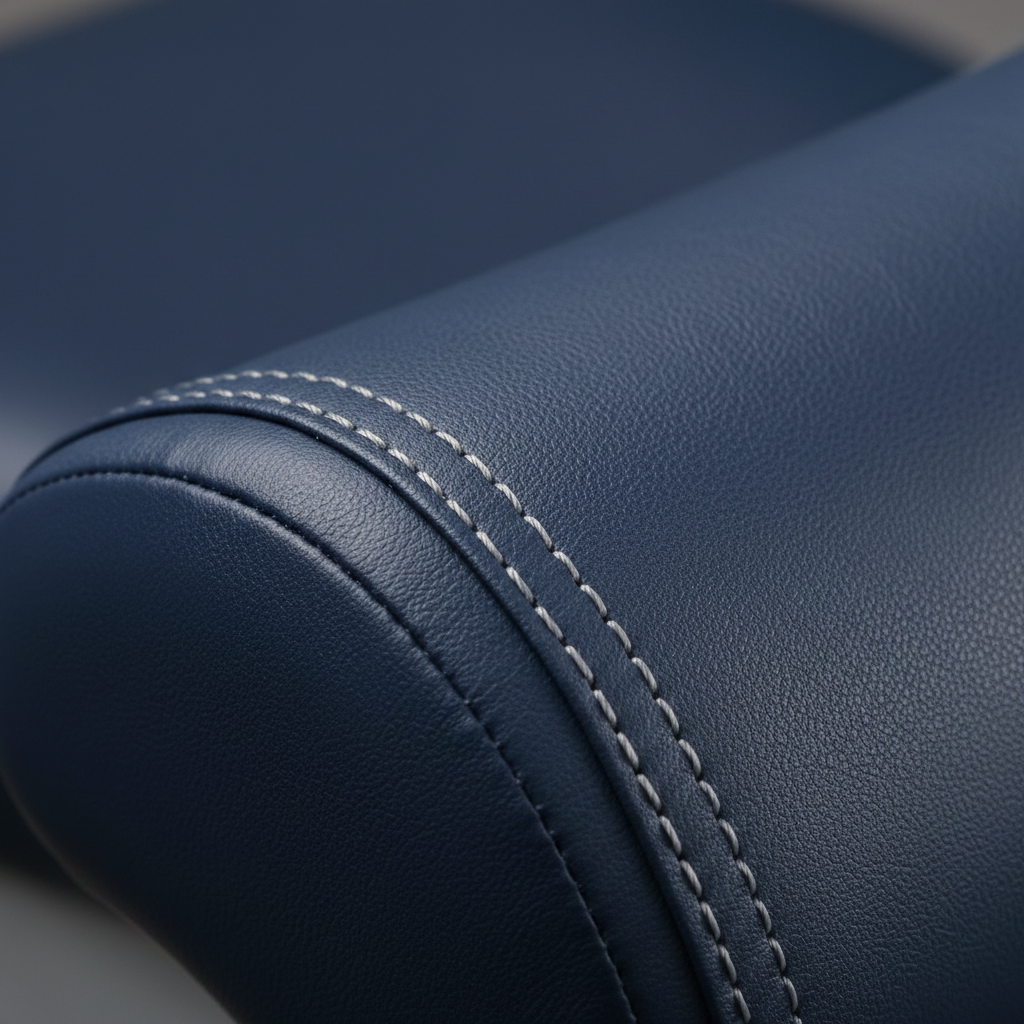
The primary drawback of stitched upholstery lies in the seams themselves. Every stitch hole and seam line is a potential reservoir for bacteria, disinfectants, and other debris. Cleaning is more labor-intensive, as staff must pay extra attention to these areas to ensure proper disinfection. Over time, these seams are subjected to stress from patient movement and cleaning, making them the most common point of failure.
As noted by experienced clinic managers, stitch failure within a 2-to-4-year timeframe is a common and frustrating occurrence. This not only requires costly repairs or reupholstery but also represents a potential infection control risk if not addressed promptly.
Debunking a Common Myth
A prevalent misconception is that all stitched upholstery is inherently flawed. The reality is that quality varies dramatically. A low-cost chair with basic single-stitched seams is indeed a liability. However, premium chairs may feature advanced techniques like double-welded or taped seams. These methods seal the seam from within, preventing fluid ingress and reinforcing the connection between panels. Combined with rounded edge profiles that reduce stress concentrations, a well-engineered stitched chair can offer excellent durability, though it will always require more diligent cleaning than a seamless alternative.
Making the Right Choice: A Practical Decision Framework
Choosing between seamless and stitched upholstery requires a clear understanding of your practice’s priorities. The decision should balance infection control needs, patient volume, desired aesthetics, and long-term budget.
Comparison Table: Seamless vs. Stitched Upholstery
| Feature | Seamless / Welded Upholstery | Stitched Upholstery |
|---|---|---|
| Ease of Cleaning | Excellent. Smooth, non-porous surface allows for quick and effective disinfection. | Fair to Good. Seams require extra attention and can trap debris. |
| Infection Control | Superior. Eliminates crevices where pathogens can hide. | Adequate with proper technique. High-quality seams improve performance. |
| Durability | Very Good. No stitch failure. Prone to edge delamination over a long period. | Good to Very Good. Seam integrity is the primary failure point. Quality of stitching is critical. |
| Lifetime Cost | Lower. Generally lasts longer with fewer repairs needed. | Higher. Prone to earlier failure, leading to repair or replacement costs. |
| Ergonomic Contouring | Good. Modern designs offer excellent support, but complex shapes can be limited. | Excellent. Allows for highly contoured, multi-density cushions for maximum comfort. |
| Aesthetic Options | Good. Often associated with a modern, minimalist look. | Excellent. Wide variety of colors, textures, and multi-tone designs possible. |
Upholstery Maintenance Checklist
Proper maintenance is key to maximizing the lifespan of any dental chair. Integrating these steps into your daily and weekly protocols can prevent premature wear and ensure a safe, professional appearance. Research into dental materials, often found in journals on platforms like ScienceDirect, consistently shows that material longevity is heavily dependent on cleaning protocols.
- [ ] Daily: Wipe down all upholstery surfaces with a neutral detergent and water solution to remove surface debris.
- [ ] Between Patients: Clean and disinfect with a hospital-grade disinfectant recommended by the upholstery manufacturer.
- [ ] Test First: Always test a new cleaning agent on a small, hidden area of the upholstery (like the underside of the leg rest) to ensure it doesn’t cause discoloration or material degradation.
- [ ] Weekly: Perform a more thorough cleaning, paying special attention to edges and, on stitched chairs, the seams.
- [ ] Every 6 Months: Conduct a detailed inspection of all upholstery. Look for signs of wear, cracking, peeling at the edges, or any separation at the seams. Schedule repairs promptly.
Wrapping Up: Key Takeaways
Ultimately, the choice between seamless and stitched upholstery is not about which is universally “best,” but which is best suited to your clinic’s operational model.
- Seamless upholstery is the clear winner for practices prioritizing infection control, durability, and operational efficiency. Its easy-to-clean surface and lack of failure-prone seams make it the ideal choice for high-volume environments and operator chairs.
- Stitched upholstery excels in providing advanced ergonomic comfort and greater aesthetic flexibility. It is a viable option for clinics focusing on patient comfort during long procedures, provided you invest in high-quality construction with reinforced seams and commit to a more rigorous cleaning protocol.
By evaluating your needs against the trade-offs of each design, you can select an upholstery solution that enhances patient safety, supports your clinical workflow, and provides lasting value for years to come.
Frequently Asked Questions (FAQ)
1. How long should dental chair upholstery last?
With proper care, high-quality seamless upholstery can last 7-10 years or more. Stitched upholstery has a more variable lifespan; while high-end versions can be very durable, lower-cost options may show significant seam wear in just 2-4 years in a busy clinic.
2. What type of disinfectant is safe for most upholstery?
Always consult the chair manufacturer’s guidelines first. Generally, it is best to use quaternary ammonium compound-based, hospital-grade disinfectants. Avoid harsh agents like bleach or high-concentration alcohol, as they can dry out and damage the material over time.
3. Can you repair torn or split upholstery?
Small tears or punctures can sometimes be repaired with special vinyl repair kits. For more significant damage, such as seam separation or large cracks, replacement is often the better option. Many modern chairs feature modular cushions, allowing you to replace just the damaged section instead of the entire upholstery set, which is a cost-effective solution.
Disclaimer: This article is for informational purposes only and does not constitute professional medical or regulatory advice. Always consult your equipment manufacturer’s instructions for use and cleaning, and adhere to all local and national infection control regulations. Practices should consult with a qualified professional before making any equipment purchasing decisions.
References
About the Author