 EN
EN  ZH
ZH 
Ensuring Long-Term Comfort with Reliable Chair Parts

In the high-volume environment of modern dental clinics, patient comfort is often conflated with luxury upholstery or premium aesthetic features. However, for the pragmatic clinic operator, comfort is a function of engineering reliability and ergonomic precision. A chair that shudders during adjustment or fails to hold a position induces patient anxiety and operator fatigue, regardless of how soft the leather is.
True long-term comfort relies on the seamless integration of durable components—hydraulics, foam density, and articulating hardware—that withstand the rigors of daily use. This article examines the technical specifications and maintenance protocols required to ensure your dental chairs remain “working machines,” delivering consistent performance and patient support without the excessive costs of luxury tier equipment.
The Ergonomics of Materials: Beyond Surface Softness
The tactile experience of a dental chair is the first signal of quality to a patient. However, selecting the right cushioning is a technical decision involving density, resilience, and infection control, not just subjective “softness.”
Optimizing Foam Density for Clinical Use
A common misconception in dental equipment procurement is that softer foam equals greater comfort. In reality, overly soft foam bottoms out under patient weight during long procedures, creating pressure points that lead to restlessness.
According to ergonomic specialists and data from clinical field tests, the ideal balance for dental seating is High-Resilience (HR) foam with a density in the mid-range, approximately 40–55 kg/m³. This density provides sufficient resistance to support the skeletal structure while allowing enough immersion to distribute pressure evenly.
- Support vs. Immersion: At this density, the foam recovers its shape rapidly between patients, ensuring the tenth patient of the day receives the same support as the first.
- Durability: Lower density foams (below 35 kg/m³) break down structurally within 1–2 years of heavy use, leading to permanent depressions and fabric wrinkling that harbor pathogens.
Infection Control and Upholstery Integrity
Material selection must also align with strict infection control standards. As outlined in ISO 13485:2016 quality management standards, medical devices must be designed to facilitate cleaning and minimize contamination risks.
Clinics should prioritize closed-cell or heavy-duty coated covers rated for common hospital-grade disinfectants. A critical design feature to look for is the absence of seams in high-contact zones (such as the headrest and seat edges). Seams are the primary failure point where harsh solvents can penetrate, degrading the foam underneath.
Pro Tip: Avoid using alcohol-based cleaners on vinyl upholstery unless explicitly approved by the manufacturer. Alcohol extracts plasticizers from vinyl, causing it to become brittle and crack. Instead, use quat-based (quaternary ammonium) disinfectants and ensure a water rinse if recommended by the label.
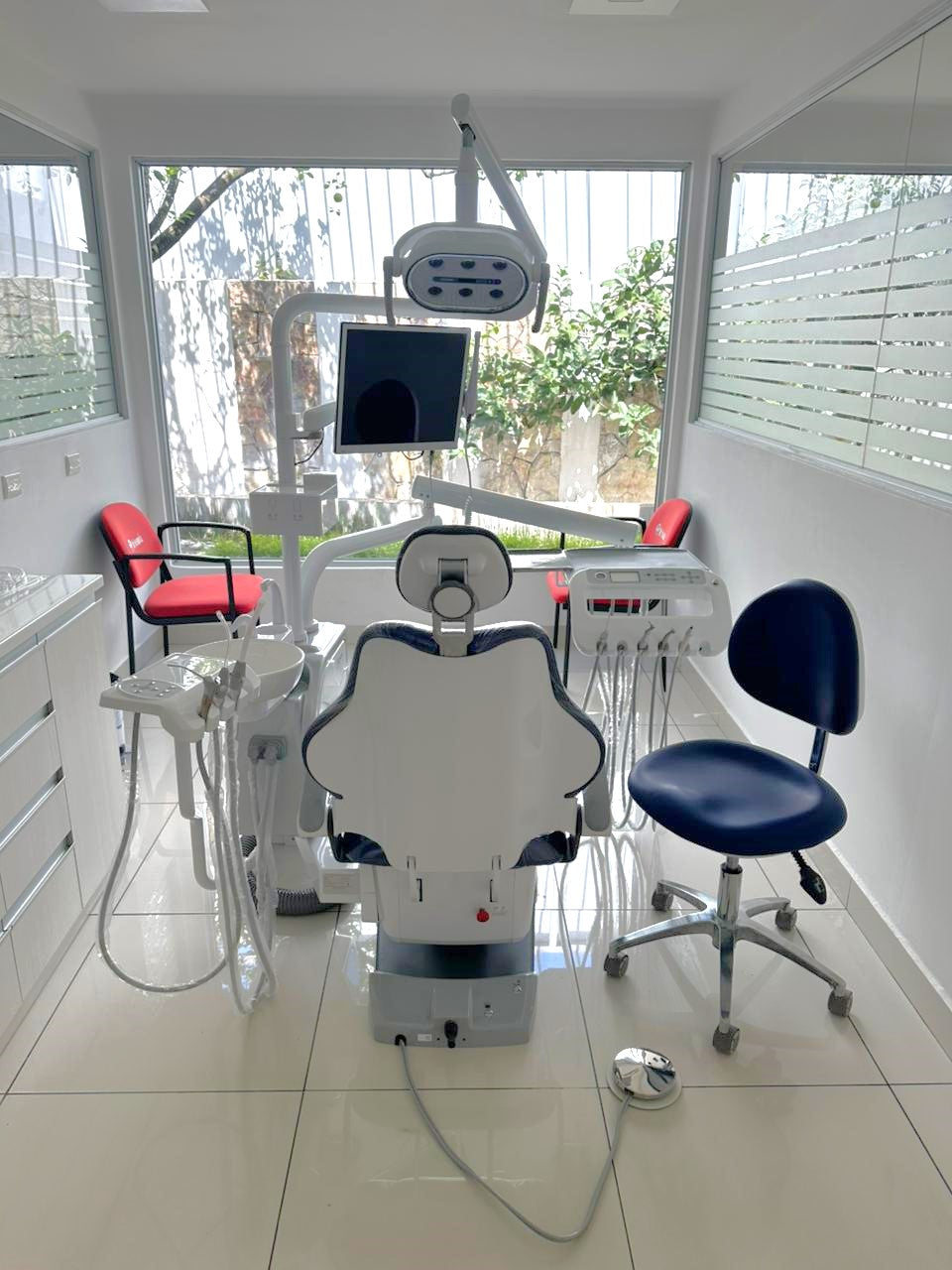
Mechanical Stability: The Backbone of Patient Trust
Nothing erodes patient confidence faster than a chair that drifts, jerks, or makes grinding noises during operation. Mechanical stability is the silent guardian of the patient experience.
Hydraulic vs. Electromechanical Systems
While both systems have merits, the key to comfort is the smoothness of the start/stop cycle. High-quality actuators should provide a “soft start” and “soft stop,” ramping speed up and down to prevent jarring the patient.
- Drift Check: A properly functioning chair should hold its position indefinitely. If you observe the backrest sinking slowly (e.g., >5mm per hour), it indicates a seal failure in hydraulic cylinders or a worn worm gear in electromechanical actuators.
- Noise Levels: Operational noise should be consistent. An increase in pitch or grinding sounds often signals a lack of lubrication or debris in the screw drive.
The Maintenance Imperative: FDA 21 CFR Part 820
Regulatory bodies like the FDA emphasize that equipment maintenance is not optional. Under FDA 21 CFR Part 820, manufacturers must establish procedures for servicing equipment, but the onus falls on the clinic to execute them.
Neglecting maintenance leads to “stick-slip” motion—where the chair hesitates and then jumps—which is jarring for patients and frustrating for precision dentistry.
Structured Asset: Preventive Maintenance Schedule
To maintain the “working machine” status of your equipment, adhere to this maintenance rhythm:
| Frequency | Component | Action Required |
|---|---|---|
| Weekly | Controls & Brakes | Test all foot and touchpad controls for responsiveness. Check that the chair locks firmly in place. |
| Monthly | Upholstery & Visuals | Inspect for tears or cracks. Check mounting bolts for tightness (do not overtighten). |
| Quarterly | Actuators & Lubrication | Critical: Perform a full range-of-motion test. Listen for noise changes. Lubricate pivot points if specified. |
| Annually | Seals & Safety Limits | Full service by a technician. Replace hydraulic seals or worn gears. Verify safety stop switches function. |
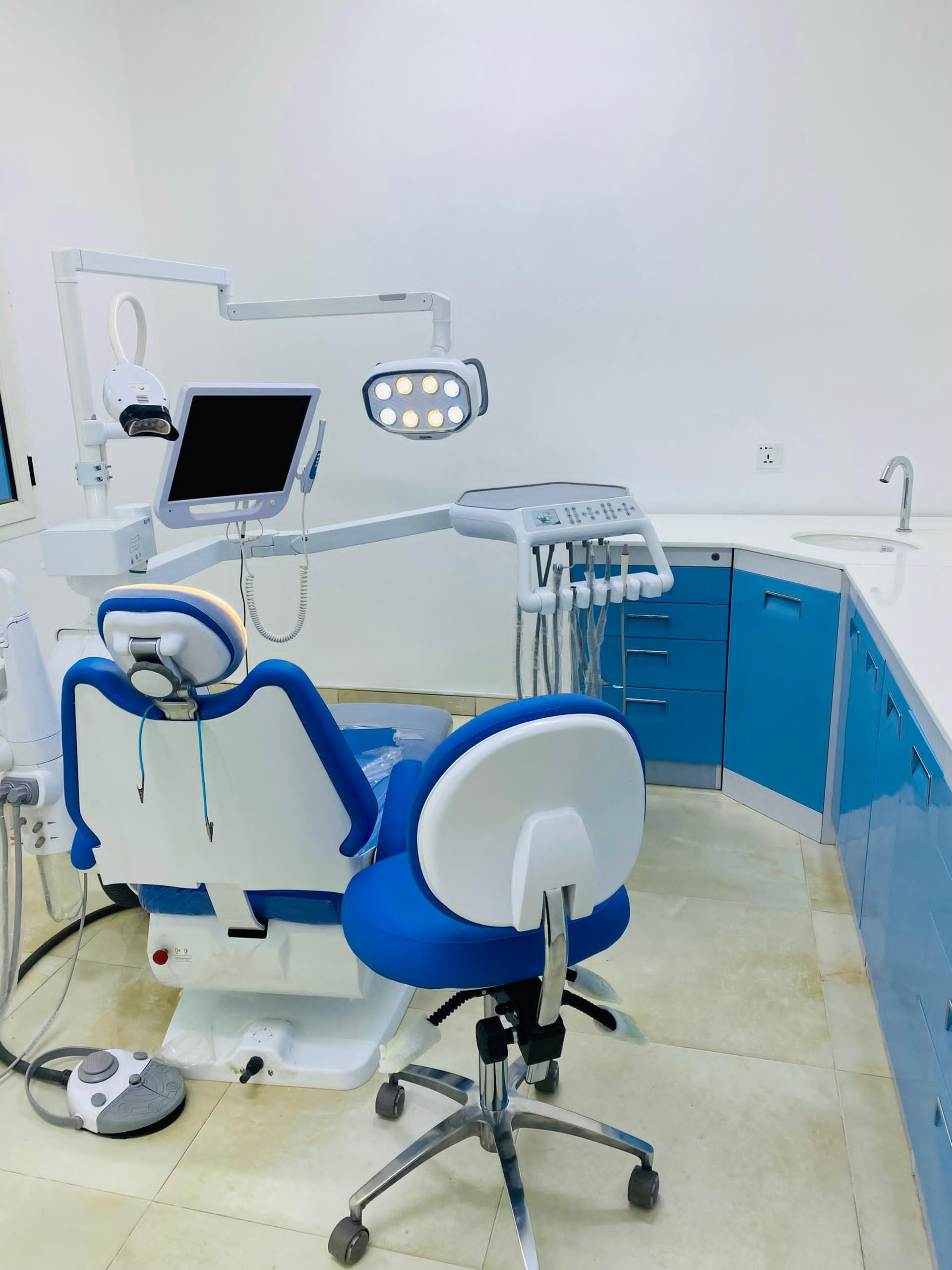
Adjustability Standards for Diverse Patient Populations
A “one-size-fits-all” approach is insufficient for modern dentistry. Chairs must accommodate a wide range of patient heights and body types while allowing the dentist to maintain an ergonomic working posture.
Critical Range of Motion Metrics
To ensure accessibility and comfort, look for these specific engineering parameters:
- Vertical Lift (Seat Height): A total travel range of at least 150 mm is recommended. This allows the chair to go low enough for elderly patients to sit easily (approx. 400mm from floor) and high enough for the dentist to work standing up if necessary.
- Headrest Articulation: The headrest is the most adjusted component. An articulating headrest should offer 80–120 mm of fore/aft range and a tilt of ±15–20°. This flexibility is vital for positioning the patient’s maxillary arch correctly without forcing them to hyperextend their neck.
- Weight Capacity: Standard “working machine” chairs should be rated for a safe working load (SWL) of at least 135 kg (approx. 300 lbs), with robust models handling significantly more to accommodate increasing patient BMI trends.
Research from the National Institute of Dental and Craniofacial Research (NIDCR) highlights that proper patient positioning is essential not just for access, but for reducing patient anxiety and preventing the aspirating of fluids.
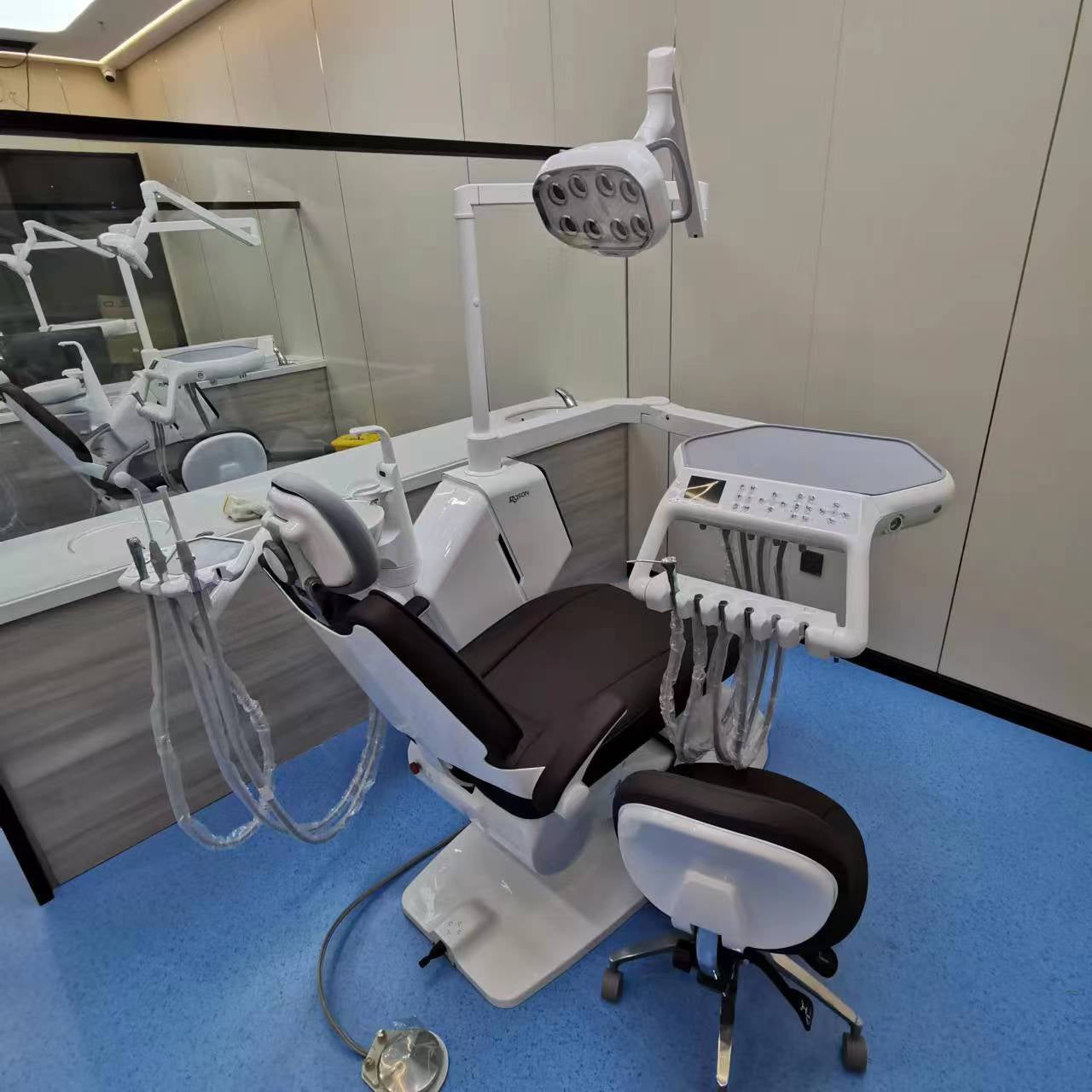
The Economics of Durability: TCO and Spare Parts
For B2B buyers, the Total Cost of Ownership (TCO) is a more relevant metric than the initial purchase price. A low-cost chair that requires frequent repairs or causes operatory downtime is a liability.
The 10-20% Spare Parts Rule
In high-volume practices or remote clinics, downtime is costly. A proven heuristic for fleet management is to stock critical spare parts equivalent to 10–20% of your installed base.
- Must-Stock Items: Control modules, replacement upholstery kits, and at least one spare actuator or hydraulic pump.
- Why? Having these on hand transforms a potential 2-week downtime (waiting for shipping) into a 1-hour swap-out.
Market Trends: The Shift to Durability
According to market analysis from Frost & Sullivan, there is a growing global trend towards durable, mid-tier medical equipment that balances cost with high reliability. Clinics are moving away from proprietary, “locked” ecosystems toward equipment that uses standardized parts and is easier to service.
Industry Insight: When considering retrofits or upgrades, prefer bolt-on actuator modules and universal headrest adapters. These components allow you to upgrade the functionality of a solid chair frame without the capital expense of replacing the entire unit. This modular approach preserves the structural integrity of the base while modernizing the patient experience.
Wrapping Up: Reliability is the Ultimate Comfort
Ensuring patient comfort is not about buying the most expensive chair on the market; it is about investing in equipment that performs predictably day after day. By focusing on mid-range density foams (40–55 kg/m³), enforcing a strict quarterly maintenance schedule, and prioritizing mechanical stability over aesthetic flair, clinics can secure a “working machine” that serves both the patient and the bottom line.
Reliable parts mean fewer interruptions, smoother procedures, and a patient experience defined by professional competence rather than mechanical failure.
Frequently Asked Questions (FAQ)
Q: How often should I replace dental chair upholstery?
A: With proper care, commercial-grade vinyl should last 3–5 years. However, if you notice hardening, cracking, or if the foam underneath has lost its rebound (permanent indentation), it should be replaced immediately to maintain infection control and comfort.
Q: Can I use household cleaners on my dental chair?
A: Generally, no. Household cleaners often contain bleach or solvents that degrade medical-grade vinyl and plastics. Always use disinfectants approved by the equipment manufacturer, typically those compatible with ISO standards for medical surfaces.
Q: What is the most common cause of dental chair mechanical failure?
A: Lack of lubrication and overtightening of mounting hardware are common culprits. Regular functional checks (as per the quarterly schedule) can prevent most catastrophic failures.
Q: Why does my chair make a grinding noise when lifting?
A: This usually indicates friction in the lifting mechanism, often due to dried-out grease on a worm gear or a failing hydraulic seal. Address this immediately to prevent motor burnout.
Disclaimer: This article is for informational purposes only and does not constitute professional medical or engineering advice. Maintenance procedures should be performed by qualified technicians in accordance with the manufacturer’s specific service manuals. Always consult with a professional regarding the installation and repair of medical devices.
References
About the Author