 EN
EN  ZH
ZH 
Pediatric Dental Chairs: Ergonomics for Young Patients

The specific anatomical and behavioral needs of pediatric patients present a unique challenge in dental operatory design. A standard dental chair, often optimized for the average adult frame (approx. 175 cm height), creates immediate ergonomic conflicts when treating a toddler or a young child. For the practitioner, this mismatch frequently results in excessive forward leaning, wrist extension, and chronic musculoskeletal strain. For the clinic owner, the challenge lies in selecting equipment that accommodates this demographic without requiring a separate, specialized room that sits idle half the day.
The solution is not necessarily purchasing “child-only” equipment, but rather selecting versatile, durable systems with specific ergonomic ranges. By prioritizing seat height flexibility, narrow backrest design, and robust hydraulic reliability, clinics can create a treatment environment that stabilizes young patients while protecting the clinician’s health.
The Ergonomic Equation: Matching Chair Geometry to Pediatric Physiology
The core difficulty in pediatric dentistry is positioning the patient’s oral cavity at the operator’s optimal focal distance—typically 35–40 cm from the eyes—without forcing the operator to hunch. When a chair cannot descend low enough or the backrest is too wide, the child slides down or is pushed forward, compromising the airway and the working field.
Critical Dimensions for Pediatric Access
Based on practitioner-level ergonomics heuristics, effective pediatric treatment requires equipment capable of reaching lower minimum heights than standard adult units.
- Toddlers (0–3 years): The seat must descend to a range of 350–420 mm. This allows the operator to sit with thighs parallel to the floor while the patient’s head is low enough for direct vision.
- School-Age (4–8 years): A range of 400–470 mm is generally sufficient.
- Occipital Support: A headrest travel of 60–100 mm is vital. Unlike adults, children have a prominent occiput. A fixed or poorly adjustable headrest pushes the chin down, potentially compromising the airway.
Research indexed in PubMed highlights that proper head positioning is not merely about comfort but is critical for airway management during supine procedures. A chair that allows for a recline of 100–135° facilitates this open airway posture while keeping the child secure.
The “Narrow Pan” Necessity
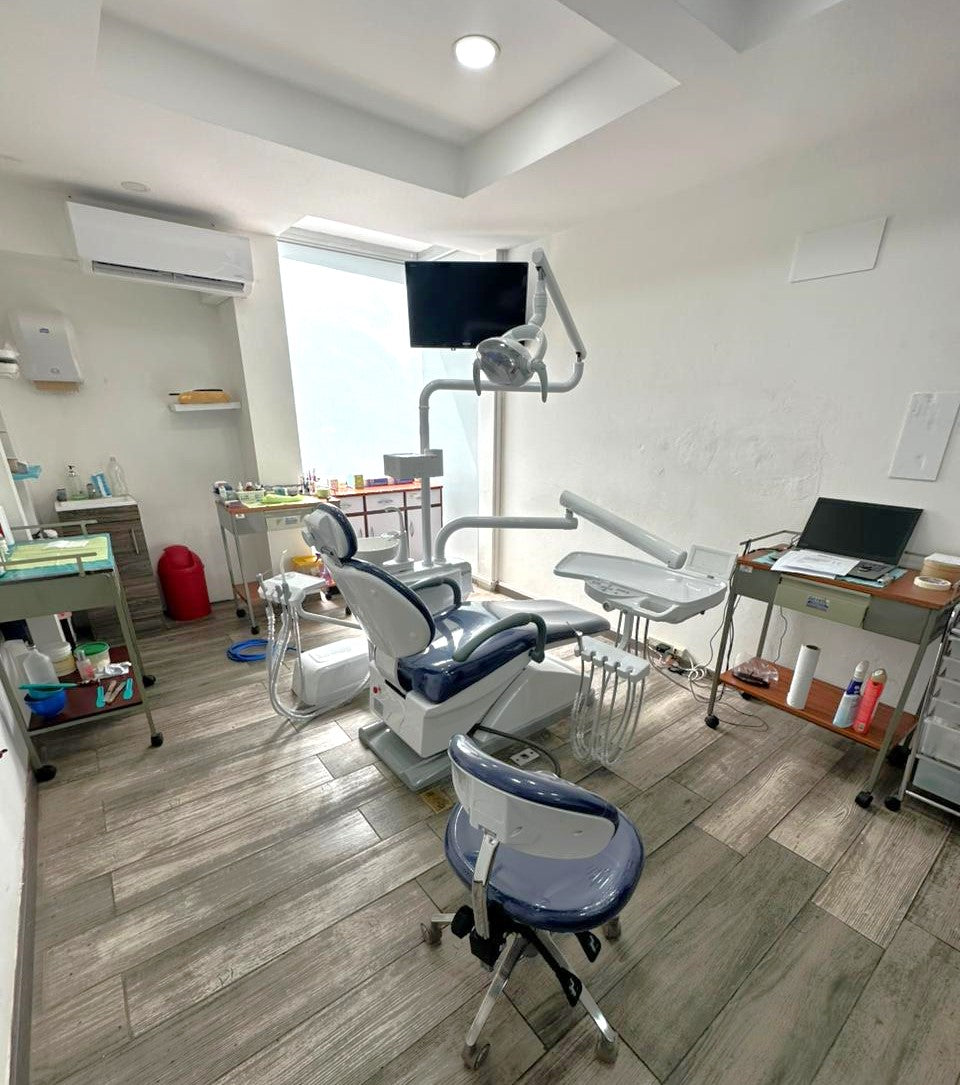
A common oversight in general practice is the width of the chair back. Adult-width backrests prevent the operator from moving close to the patient at the 9 o’clock or 12 o’clock positions.
- Stabilization: Narrow seat pans (300–360 mm) help stabilize smaller bodies.
- Operator Access: A tapered backrest allows the dentist to tuck their knees under the chair, maintaining a straight spine.
- Adaptability: For clinics using standard chairs, removable cushions are a practical stopgap, but a chair designed with a slim profile offers superior long-term utility.
Behavioral Ergonomics: Reducing Anxiety Through Design
Treating children is as much about behavior management as it is about dentistry. The physical environment plays a significant role in triggering or mitigating anxiety. While high-tech features are often marketed as essential, practical design choices are often more effective for high-volume clinics.
Visual and Spatial Considerations
- Neutral Aesthetics: While bright cartoons are common, low-stimulus neutral colors (blues, greens, grays) often help de-escalate anxiety for neurodiverse patients.
- Integrated Distraction: Tablet mounts integrated into the light pole or delivery unit are cost-effective tools. They keep the patient’s head still and eyes focused upward, aiding the practitioner.
- Workflow Zones: To prevent sudden movements from startling the child, maintain a primary reach zone of 40–60 cm for instruments. The assistant should be positioned at a 15–30° offset from the operator to pass instruments out of the child’s direct line of sight.
Pro Tip: Avoid “over-reclining” as a default. While supine is necessary for many procedures, starting the appointment in a semi-upright position allows the child to feel more in control before the procedure begins.
Durability and Maintenance: The Economic Reality
Pediatric dentistry can be hard on equipment. Children climb, kick, and fidget. In a busy clinic or training center, durability is paramount. Equipment failure leads to downtime, which directly impacts revenue—a concept explored in our analysis of The Financial Impact of Dental Chair Reliability & Downtime.
High-Wear Components
Our analysis of maintenance logs from high-volume clinics indicates that pediatric-focused chairs experience specific wear patterns:
- Upholstery Seams: Constant sliding and “scooting” stress the stitching. Seamless upholstery is easier to clean and less prone to tearing.
- Hydraulic Seals: Frequent height adjustments (moving from loading height to working height repeatedly) place extra load on lift motors.
- Foot Controls: Children often step on floor controls. Robust, metal-encased pedals are preferable to plastic ones.
The Role of Quality Standards
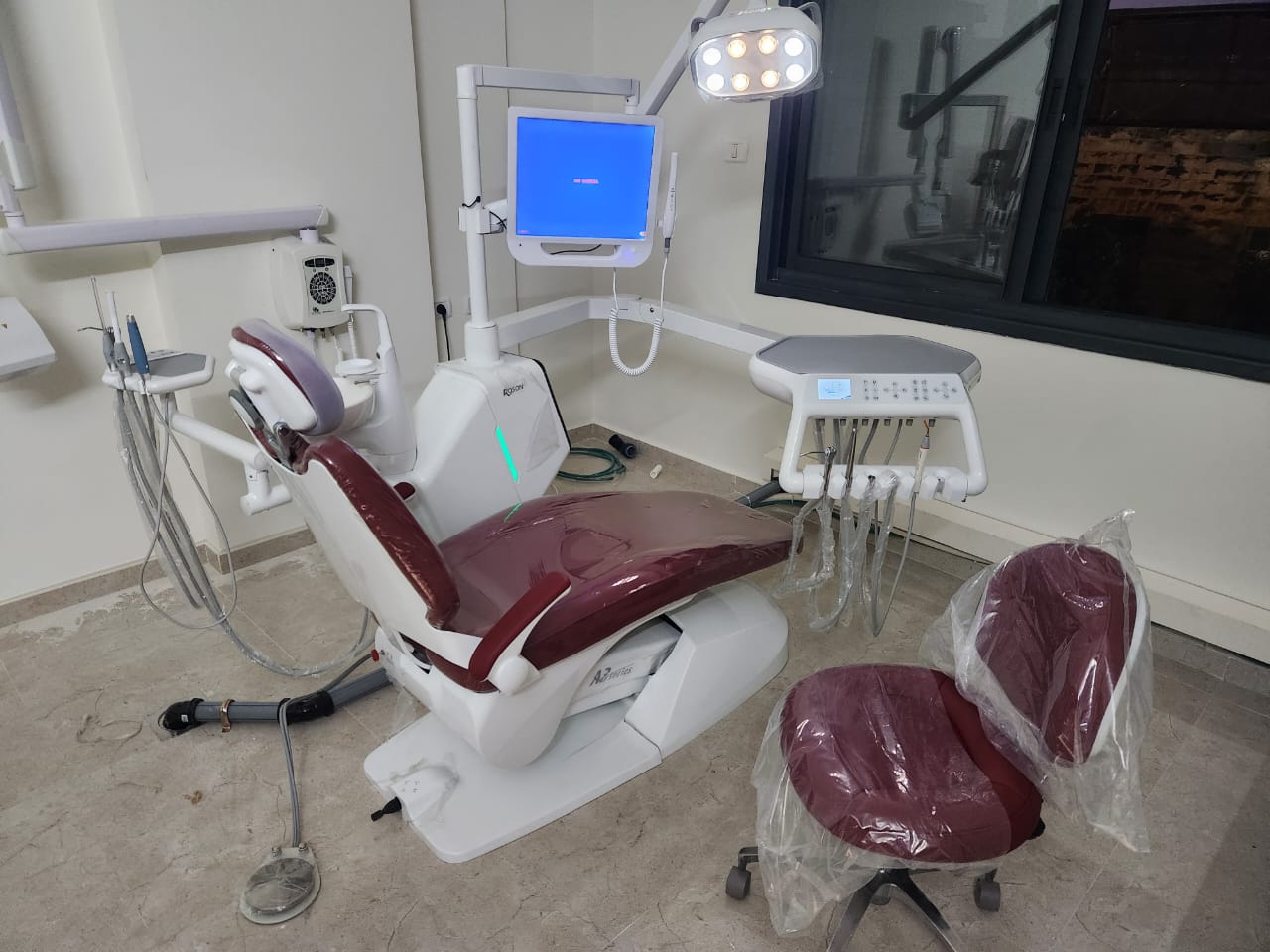
Ensuring equipment can withstand this usage requires adherence to rigorous manufacturing standards. Compliance with ISO 13485:2016 ensures that the quality management system governing the design and manufacture of the chair accounts for risk management and consistent performance. This is particularly relevant for verifying that safety mechanisms, such as anti-crush sensors and lock-out functions, remain reliable over thousands of cycles.
Common Misconceptions in Pediatric Setup
A frequent error in general practice is assuming that “making do” with adult configurations is cost-free. In reality, the hidden costs appear in the form of operator fatigue and longer procedure times.
| Feature | Common Misconception | Clinical Reality |
|---|---|---|
| Seat Height | “I can just lower the headrest.” | Without lowering the base, the operator must lift their arms, causing shoulder impingement. |
| Chair Width | “Wide chairs are more comfortable.” | Wide chairs force the operator to lean forward (forward flexion), increasing lumbar disc pressure by up to 40%. |
| Restraints | “Restraints are outdated.” | Modern, quick-lock passive restraints (like velcro wraps) provide safety for sedated or special-needs children and prevent falls. |
| Armrests | “Fixed armrests are safer.” | Fixed armrests block the operator’s access. Swing-out or removable armrests are essential for side-entry and wheelchair transfer. |
Strategic Investment: Balancing Cost and Function
For B2B buyers—whether equipping a university clinic, a government hospital, or a mid-sized private practice—the goal is ROI. You need a chair that serves the pediatric population effectively without the price tag of luxury “boutique” models.
Market Context
According to Statista, the global dental equipment market continues to grow, driven significantly by the rising demand for specialized care, including pediatrics. However, the market is also seeing a shift towards value-based procurement. Clinics are increasingly looking for “workhorse” units that offer the necessary hydraulic range and stability without unnecessary digital integration that becomes obsolete in three years.
Maintenance as a Feature
When selecting a chair, prioritize supply chain continuity. Can you get a replacement hydraulic valve in 48 hours? Are the upholstery pads modular and replaceable on-site?
- Modular Components: Look for systems where the headrest mechanism or armrest can be swapped without replacing the entire chair back.
- Local Spare Parts: Ensure your distributor maintains a local inventory of critical seals and motors.
For further reading on optimizing your clinic’s asset mix, consider our guide on Benefits of Standardizing Chairs in Large Dental Clinics.
Summary: The Practical Path Forward
Equipping a dental operatory for pediatric patients does not require investing in “toy-like” specialized equipment. Instead, it requires a strict adherence to ergonomic fundamentals: a chair with a low base height (350 mm range), a narrow profile for operator access, and heavy-duty upholstery capable of withstanding high traffic.
By focusing on these functional specifications and verifying manufacturing quality through standards like ISO 13485, clinics can ensure safe, efficient treatments for children while protecting the longevity of the practitioner’s career.
Key Takeaways
- Prioritize Low Base Height: Ensure the chair descends to at least 400mm (ideally 350mm) to accommodate small bodies without compromising operator posture.
- Mind the Width: Narrow backrests allow the dentist to work closer to the patient, reducing back strain.
- Focus on Durability: Choose seamless upholstery and robust hydraulics; avoid delicate plastic components in high-touch areas.
- Verify Compliance: Ensure equipment meets ISO and relevant safety standards to guarantee long-term reliability.
Disclaimer: This article is for informational purposes only and does not constitute professional medical or legal advice. The ergonomic guidelines provided are general recommendations. Practitioners should consult with occupational health professionals for personalized ergonomic assessments. Always refer to the specific manufacturer’s manual for equipment operation and safety limits.
References
About the Author