 EN
EN  ZH
ZH 
Adapting Your Dental Chair for Pediatric Patients

The Challenge of Treating Young Patients
Treating children in a dental setting presents a unique set of challenges that go beyond clinical skill. A child’s comfort and cooperation are paramount to a successful outcome, and the dental chair is the centerpiece of their experience. An adult-sized chair can feel intimidating and uncomfortable for a small child, leading to anxiety and restlessness. This is why adapting your dental equipment is not a luxury, but a core component of effective pediatric care. By making the right adjustments and using specific accessories, you can transform the dental chair from a source of fear into a supportive tool that improves patient experience and clinical efficiency.
My approach has always been to start with the patient’s physical and emotional comfort. I’ve found that when a child feels secure and properly supported, their willingness to cooperate increases dramatically. This guide distills years of practical experience into actionable steps for adapting your standard dental chair for pediatric patients, focusing on ergonomics, safety, and workflow efficiency.
Core Ergonomic Adjustments for Pediatric Patients
Properly positioning a child is the first step toward a smooth appointment. It ensures the patient is comfortable and gives you optimal access and posture, which is crucial for preventing practitioner strain. For a deeper look at this balance, see our guide on Balancing Patient Comfort & Practitioner Ergonomics.
Adjusting Chair Height for Optimal Access
A common mistake is to adjust the chair height based on a visual guess. This often leads to poor ergonomics for the clinician. A simple, effective rule I always follow is to adjust the seat height so the patient’s mouth is level with my seated elbow. This creates a natural working position, minimizing hunching and arm fatigue. You can then make fine-tuned adjustments with your own operator stool to perfect your posture.
Customizing Recline and Tilt for Different Age Groups
Children’s body proportions change rapidly, and a one-size-fits-all approach to chair recline doesn’t work. The goal is to support their body comfortably without causing them to slide or feel unstable.
- Toddlers (Ages 1-3): These patients have a higher center of gravity and shorter legs. I find that increasing the backrest recline by an additional 10–20° helps prevent the common “knee-to-chest” posture they adopt when trying to feel secure. This gentle recline cradles their body and improves your view of the oral cavity.
- School-Age Children (Ages 4-12): For this group, a more moderate recline of 0–10° is usually sufficient. Their proportions are more similar to adults, but they still benefit from a supportive, slightly reclined position. Always ensure their feet are supported, either by the chair itself or a pediatric step stool.
Headrest Positioning: The Key to Visibility
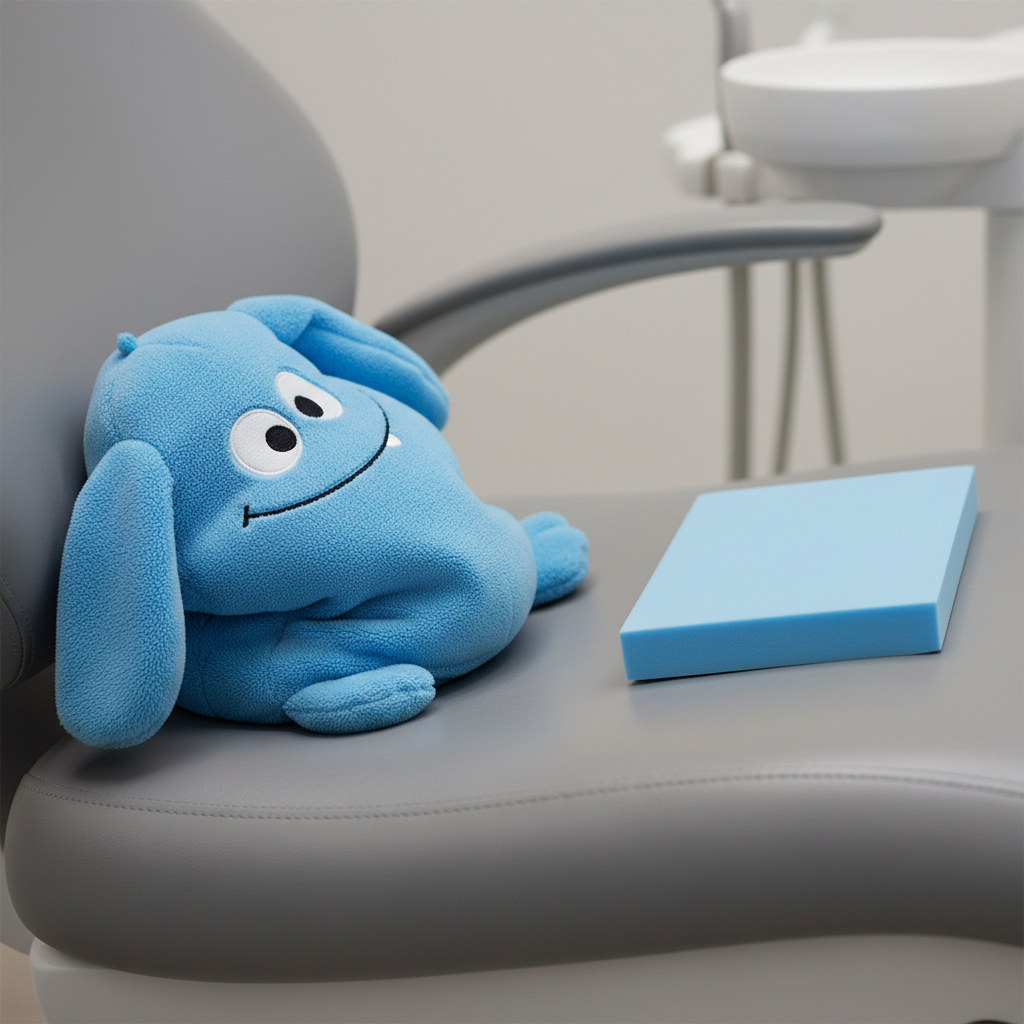
An adult-sized headrest can push a child’s head forward, tucking their chin and severely limiting access, especially to the upper molars. Over-tilting the headrest is a frequent error that exacerbates this problem. Instead, use a pediatric cushion or a smaller, adjustable headrest. The goal is to cradle the occipital bone, allowing the child’s head to remain in a neutral or slightly extended position for clear, unobstructed access. Many chairs that serve patients with specific needs already feature highly adjustable headrests, a topic explored in our article on Chair Design for Patients with Anxiety & Special Needs.
Essential Accessories for a Child-Friendly Operatory
Beyond the chair’s built-in functions, a few key accessories can dramatically improve pediatric care. These tools are designed to solve common problems related to size, stability, and comfort.
The Great Debate: Booster Seats vs. Positioning Wedges
While traditional booster seats can help with height, I’ve found they often create more problems than they solve. They can be bulky, unstable, and their soft surfaces are difficult to clean effectively, posing an infection control challenge. A mistake I often see is using a soft pillow, which causes the child to sink and offers no stable support.
The real game-changer for my practice was switching to thin, firm positioning wedges. These are far superior for several reasons:
- Stability: Their firm construction provides a stable base, preventing the patient from wiggling or sliding.
- Clinical Access: Their low profile doesn’t get in the way of your instruments or arms.
- Infection Control: They are typically made with medical-grade, non-porous materials that are easy to disinfect, aligning with principles discussed in our guide on How Chair Design Impacts Infection Control & Hygiene.
Pediatric Headrest Covers and Step Stools
Simple, practical items make a world of difference. Always keep at least two sizes of disposable headrest covers on hand. They ensure a proper fit over smaller pediatric cushions and maintain hygiene. A lightweight pediatric step stool is another non-negotiable. It empowers children to get into the chair by themselves, giving them a sense of control, and also serves as a footrest for taller children whose feet don’t quite reach the floor.
Below is a quick checklist to help you configure your chair for different pediatric age groups.
| Age Group | Chair Height | Backrest Recline | Headrest/Positioning | Key Accessory |
|---|---|---|---|---|
| Toddler (1-3) | Patient mouth to clinician’s elbow | 10-20° extra recline | Small cushion/wedge | Firm positioning wedge |
| School-Age (4-12) | Patient mouth to clinician’s elbow | 0-10° recline | Pediatric headrest/cushion | Step stool for feet |
| Adolescent (13+) | Patient mouth to clinician’s elbow | Standard recline | Adjust to individual comfort | Standard headrest |
Workflow, Safety, and Behavior Management
Adapting the physical chair is only half the battle. Integrating these adjustments into your clinic’s workflow and safety protocols is essential for consistency and trust.
Debunking a Myth: The Role of Restraints
A common misconception is that restraints are a primary tool for managing an uncooperative child. In reality, their routine use is not a best practice and can create significant negative psychological associations with dental care. Regulatory bodies like the FDA, under 21 CFR Part 820, place stringent controls on medical devices, which includes their intended use and safety. Restraints should be considered a last resort, used only when necessary for safety, with documented justification and parental consent according to local regulations. The focus should always be on positive reinforcement and behavior-shaping techniques.
Building Efficient and Calming Routines
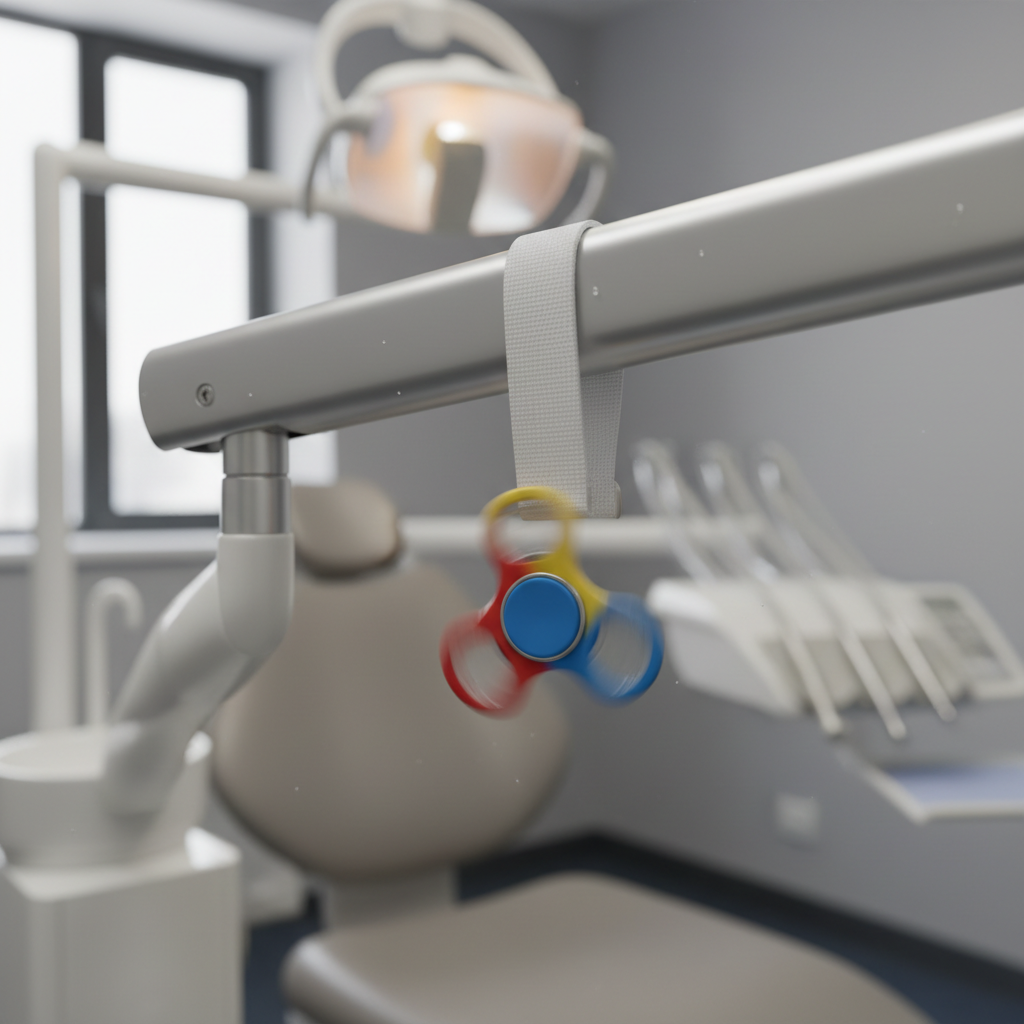
For busy clinics, efficiency is key. I recommend programming two preset chair positions into memory: one for infants/toddlers and another for adolescents. This saves valuable setup time between appointments. Furthermore, establishing a “settle routine” can work wonders for behavior management. This involves a consistent 30-60 second process where you slowly position the chair, offer a visual distraction (like a small toy attached to the lamp arm), and speak in a calm, reassuring voice. This ritual helps the child acclimate and builds predictability.
Safety and Maintenance Checks
Finally, never overlook safety and maintenance. Before using any booster or cushion, perform a quick weight-capacity check to ensure the chair remains stable. I make it a point to conduct monthly inspections of all my chairs, paying close attention to upholstery seams (where tears can harbor bacteria) and the mounts for handpiece trays, which can loosen over time. Ensuring your equipment is in top condition is a cornerstone of quality management, a principle outlined in standards like ISO 13485:2016.
Key Takeaways
Adapting your dental chair for pediatric patients is a critical investment in the success of your practice. It directly impacts patient comfort, cooperation, and clinical outcomes. By focusing on correct ergonomic positioning, utilizing the right accessories like firm wedges instead of soft pillows, and integrating child-friendly routines into your workflow, you create a safe and welcoming environment. Remember to prioritize proper maintenance and adhere to safety standards to ensure long-term reliability. These small adjustments can yield a significant return, fostering a positive reputation and building a foundation of trust with your youngest patients and their families. For more ideas on making smart investments, explore our Cost-Effective Dental Chair Integration Strategies.
Frequently Asked Questions (FAQ)
1. Can any dental chair be adapted for pediatric use?
Most modern dental chairs can be effectively adapted using the accessories and techniques described. The key is having a chair with smooth, quiet motion and flexible headrest and recline functions. For a comprehensive list of features to look for, see A Clinic’s Checklist for Choosing Comfortable Chairs.
2. Are expensive pediatric-specific chairs necessary?
While dedicated pediatric chairs exist, they are not always necessary, especially for a general practice. A high-quality, adaptable adult chair can serve a pediatric population effectively with the right accessories and positioning techniques, representing a more affordable investment without compromising comfort.
3. How do I handle infection control with extra cushions and accessories?
This is a critical point. Always choose accessories made from medical-grade, non-porous materials that can withstand disinfection. Avoid cloth or soft foam. Thin, firm wedges and disposable barriers are excellent choices. Research shows that proper material selection is vital for hygiene, a topic you can explore further on PubMed.
Disclaimer: This article is for informational purposes only and does not constitute professional medical advice. Clinicians should use their professional judgment and adhere to all local and national regulations regarding patient care and safety. Consult a qualified professional for specific guidance.
References
About the Author