 EN
EN  ZH
ZH 
Reduce Eye Strain with Better Operatory Illumination

The visual demands of modern dentistry are exceptionally high. Clinicians spend hours focusing on minute details within a dark, restricted cavity, often requiring intense concentration that taxes the oculomotor system. Over time, this sustained effort without adequate support leads to cumulative eye strain, headaches, and even long-term vision degradation. While ergonomic seating often gets the spotlight, the quality and configuration of operatory lighting are equally critical variables in the equation of practitioner longevity.
Effective illumination is not simply about brightness; it is about the quality of light—specifically contrast management, color accuracy, and shadow reduction. For dental professionals, upgrading or optimizing operatory lighting is one of the highest-ROI investments for daily comfort and clinical precision.
The Physiology of Visual Fatigue in the Operatory
To understand why lighting matters, one must first understand the mechanism of eye strain (asthenopia) in a clinical setting. The human eye functions best when the contrast ratio between the task area (the oral cavity) and the surrounding environment (the operatory room) is balanced.
When a dentist moves their gaze from a highly illuminated oral cavity (often 20,000+ Lux) to a dimly lit tray or monitor, the pupils must rapidly dilate and constrict. This “pupillary unrest” fatigues the ciliary muscles.
The Contrast Ratio Rule
Research in occupational ergonomics suggests that the luminance ratio between the task area and the immediate background should not exceed 3:1. In dental operatories, this is often violated.
- The Mistake: Relying solely on a high-intensity headlamp or operatory light while keeping the rest of the room dim to “focus” the view.
- The Fix: Practitioners should aim operatory task lighting at the tooth surface but ensure ambient room lux is sufficient to prevent excessive pupil constriction. A balanced approach involves high-CRI ambient lighting that bridges the gap between the surgical field and the rest of the room.
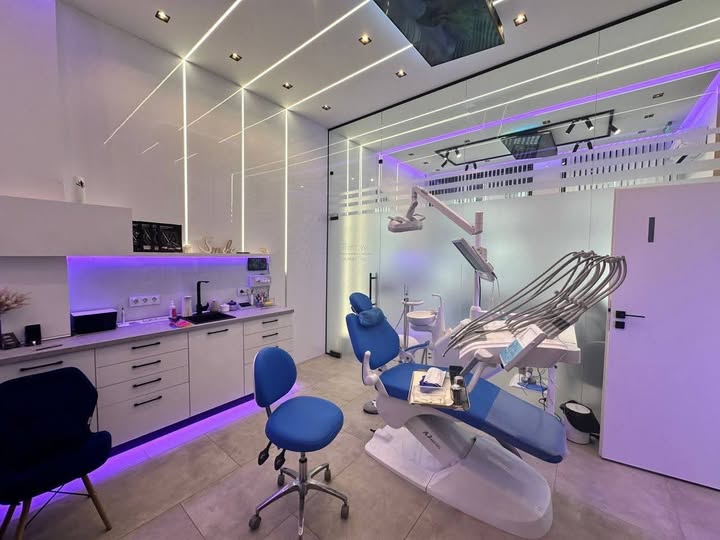
Critical Technical Specifications for Reduction of Strain
Selecting the right equipment requires looking beyond the aesthetic design of the lamp head. The following technical specifications directly impact visual comfort and diagnostic accuracy.
1. Color Rendering Index (CRI) and Diagnosis
The Color Rendering Index (CRI) measures a light source’s ability to reveal the true colors of an object compared to a natural light source. In restorative dentistry, this is non-negotiable.
- Requirement: A CRI of ≥90 is the industry benchmark for accurate shade matching.
- Impact: Lower CRI lights can make tissues appear washed out or grayish, forcing the brain to “fill in” the missing color data, which adds cognitive load and visual stress.
- Pro Tip: Look for lights that offer specific “daylight” modes (approx. 5,000K–5,500K). This neutral range reduces color misperception for restorations. Conversely, a slightly warmer setting (approx. 4,000K–4,500K) is often preferred for reducing perceived glare during long, non-restorative procedures like exams or hygiene.
2. Intensity Control and Beam Definition
Not all procedures require maximum brightness. In fact, excessive brightness (glare) is a primary cause of retinal fatigue.
- Dimming Steps: High-quality lights offer granular control. We recommend lights with dimming steps of roughly 10–20%. This allows for comfortable transitional settings rather than a jarring jump from “off” to “blind.”
- Beam Uniformity: A common issue with lower-tier lights is the “hotspot”—a center of intense brightness that fades rapidly at the edges. This forces the dentist to constantly readjust the light head. The ideal heuristic is a beam size where the 50% intensity circle covers the entire working quadrant. This ensures that even if the patient moves slightly, the illumination remains consistent without manual adjustment.
Comparative Analysis: LED vs. Halogen
While halogen was the standard for decades, LED technology has become the superior choice for reducing strain and maintenance.
| Feature | LED Technology | Traditional Halogen | Impact on Eye Strain |
|---|---|---|---|
| Heat Emission | Minimal (Cool) | High (Radiant Heat) | Heat dries eyes, increasing fatigue. LED preserves tear film. |
| Color Consistency | High (Adjustable) | Yellows with age | Consistent color temp reduces cognitive load. |
| Shadow Management | Multi-array capability | Single point source | Multiple LED arrays reduce hard shadows from hands/instruments. |
| Lifespan | ~30,000+ hours | ~1,000 hours | Flickering or dimming bulbs cause subconscious visual stress. |
For a deeper dive into this comparison, refer to our analysis on LED vs. Halogen: Which Dental Light is Right for You?.
Optimizing the Illumination Field: Placement and Maintenance
Even the most advanced light will cause strain if positioned incorrectly or poorly maintained.
Strategic Positioning
A frequent error observed in clinics is mounting lights too close to the patient’s face.
- The Issue: This creates intense hotspots and limits the focal depth.
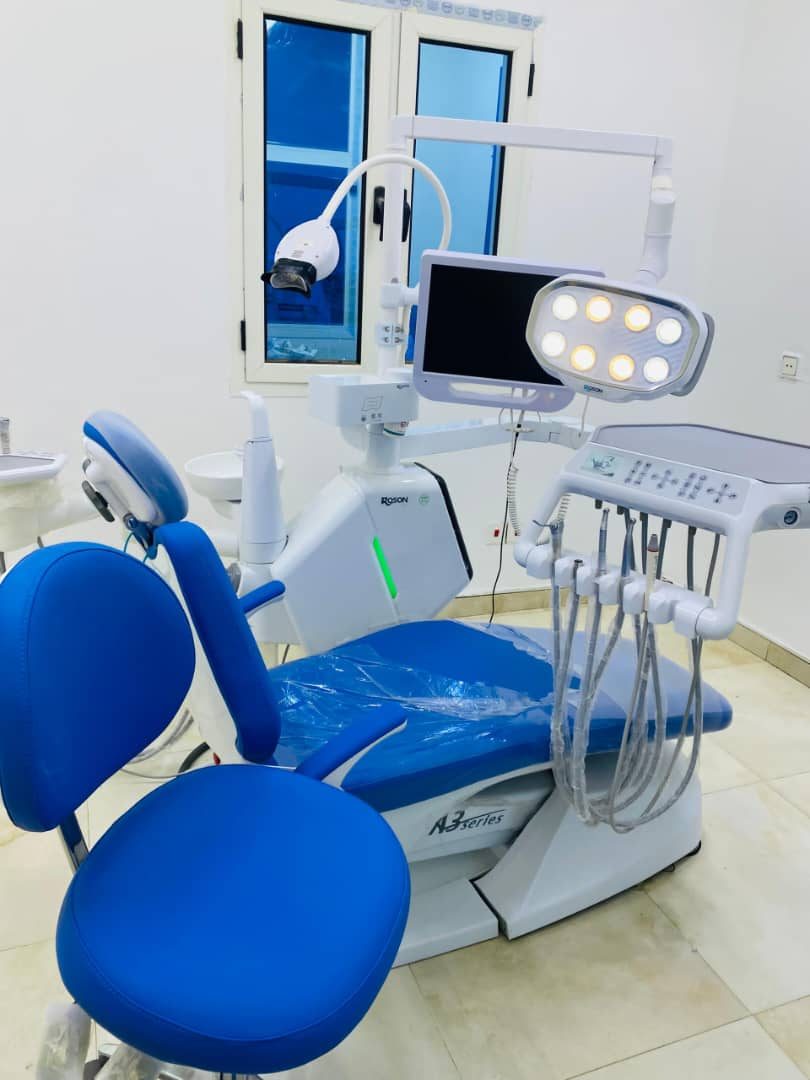
- The Correction: Position the light at the manufacturer’s recommended focal distance (usually 70-80cm). This maximizes the depth of field, allowing the light to penetrate the oral cavity without blinding the patient or the practitioner.
- Shadow Reduction: Modern lights use modular LED arrays to cast light from multiple angles. This “shadow dilution” means that even if a handpiece blocks one path, others fill in the shadow. For clinics in high-volume settings, choosing lights with these modular arrays is crucial.
Maintenance Routines That Matter
Degraded equipment creeps up on you. A light that has lost 20% of its intensity forces your eyes to work 20% harder.
- Quarterly: Clean reflectors and diffusers. Dust and aerosol deposits scatter light, reducing focus and increasing glare.
- Bi-Annually: Verify lamp alignment and intensity with a simple light meter.
- Replacement Metric: Replace lamps or LED modules when output drops ~20% from new specification. Do not wait for failure.
For a comprehensive guide on keeping your equipment in top shape, see A Guide to Maintaining Your Dental Operatory Lights.
Regulatory Compliance and Safety
Ensuring your equipment meets international standards is not just about legality; it is about safety and performance assurance.
- ISO 13485: Manufacturers adhering to ISO 13485:2016 demonstrate a commitment to quality management systems that ensure consistent design and manufacturing safety.
- FDA Guidelines: According to FDA 21 CFR Part 820, rigorous quality controls are required to prevent device malfunctions that could compromise patient care.
- Blue Light Hazard: There is a specific safety concern regarding “blue light hazard” (retinal damage from high-energy visible light). Reputable manufacturers test against IEC 62471 (photobiological safety) to ensure the LED spectrum is safe for prolonged exposure. For more on this, read Safety Standards for Dental Operatory Illumination.
Common Misconception: “Brighter is Always Better”
Myth: Many clinicians believe that the highest possible Lux rating leads to better visibility.
Reality: Excessive brightness causes “veiling glare,” washing out the details of the tooth structure and causing the pupils to constrict tightly, which accelerates fatigue.
Correction: The goal is contrast, not just raw power. A light set to a moderate intensity (e.g., 20,000–25,000 Lux) with high CRI and proper color contrast often provides better visual acuity than a light blasting 35,000 Lux.
Wrapping Up
Reducing eye strain is a multifaceted challenge that requires high-quality equipment, correct positioning, and disciplined maintenance. By prioritizing features like high CRI, adjustable color temperature, and shadow-reducing LED arrays, dental professionals can protect their vision and extend their careers.
Key Takeaways:
- Balance Contrast: Maintain a 3:1 luminance ratio between the oral cavity and the ambient room.
- Prioritize Color: Ensure CRI ≥90 for accurate restoration work.
- Check the Beam: Look for a 50% intensity circle that covers the working quadrant.
- Maintain to Sustain: Clean reflectors quarterly and monitor intensity drift.
Frequently Asked Questions (FAQ)
Q: Can I replace a halogen bulb with an LED bulb in my existing light?
A: While retrofit kits exist, they often fail to optimize the reflector geometry of the old housing, leading to poor beam focus. It is generally recommended to replace the entire light head to gain the benefits of shadow reduction and thermal management.
Q: How often should I check my operatory light intensity?
A: We recommend a quick check with a light meter every 6–12 months. If intensity has dropped by more than 20%, it is time for maintenance or replacement.
Q: Does color temperature really affect diagnosis?
A: Yes. A “cool” daylight temperature (5,000K+) is best for color matching composites, while a “warm” light (<4,500K) is better for soft tissue inspection as it enhances the contrast of reds and pinks.
Disclaimer: This article is for informational purposes only and does not constitute professional medical advice. Dental professionals experiencing persistent eye strain or vision issues should consult an ophthalmologist or qualified medical professional.
References
About the Author