 EN
EN  ZH
ZH 
A Checklist for Buying New Operatory Lighting

Beyond Brightness: Focusing on Illumination Quality
When evaluating operatory lights, it’s easy to get drawn in by high lux numbers. However, clinical precision depends on the quality of the light, not just its raw intensity. Focusing on the wrong metrics is a common mistake that can lead to diagnostic errors and eye fatigue. Here’s what truly matters.
The Myth of “More Lux is Better”
A common misconception is that the brightest light is the best light. While sufficient brightness—or illuminance, measured in lux—is necessary, an excessively high lux value can create glare, cause patient discomfort, and fail to improve visibility. In practice, most clinicians work within a range of 8,000 to 35,000 lux. What’s more important than the maximum rating is the light’s ability to provide a uniform, consistent beam without hot spots or dark edges. A light that delivers a smooth, even pattern allows your eyes to adapt more easily, reducing strain during long procedures.
I’ve found that the key is adjustable intensity. You need to be able to dial down the brightness for patient comfort during consultations and then ramp it up for precision work. A light with a wide, usable intensity range is far more valuable than one that is simply blinding at its peak.
Color Rendering Index (CRI): Seeing True Tissue Color
The Color Rendering Index (CRI) is arguably the most critical specification for a dental light. It measures how accurately a light source reveals the true colors of an object compared to natural daylight. For dentistry, a high CRI is non-negotiable. It directly impacts your ability to perform accurate shade matching for restorations and correctly diagnose soft tissue conditions.

Experienced clinicians prefer LED operatory lights with a CRI of 90 or higher. A lower CRI can make tissues appear washed out or unnaturally toned, leading to costly remakes of crowns or veneers. Before making a purchase, always verify the CRI rating. It’s a small number with a huge impact on your clinical confidence.
Color Temperature (Kelvin): Finding the Neutral Sweet Spot
Color temperature, measured in Kelvin (K), describes the appearance of the light, from warm (yellowish) to cool (bluish). For dental applications, a neutral color temperature in the range of 4000 K to 5000 K is the industry standard. This range mimics natural daylight, preserving tissue color fidelity without the harsh, cool glare that can cause eye strain and make patients uncomfortable.
Some lights offer adjustable color temperatures, which can be useful. However, a fixed light within that neutral 4000–5000 K window is perfectly suitable for the vast majority of procedures. Avoid overly cool lights (above 5500 K), as they can distort colors and create a sterile, uninviting clinical environment.
Ergonomics and Usability: A Light You Enjoy Working With
An operatory light is one of the most frequently adjusted pieces of equipment in the clinic. If it’s difficult to position, drifts out of place, or creates shadows, it becomes a constant source of frustration. Excellent ergonomics are essential for workflow efficiency and physical comfort.
Mounting Options and Clinic Integration
Operatory lights can be mounted in several ways: on the ceiling, wall, a track system, or directly on the dental chair. The best choice depends on your operatory layout, ceiling height, and workflow.
- Chair-mounted: This is a popular option that ensures the light moves with the patient, keeping the beam focused on the oral cavity. It saves space but adds weight to the chair.
- Ceiling-mounted: Ideal for rooms with high ceilings, this option keeps the light completely out of the way, offering maximum placement flexibility. Installation is more complex.
- Wall-mounted: A good solution for smaller operatories where ceiling height is a limitation. Its range of motion may be more restricted.
When planning a new clinic or a refresh, considering the lighting placement is a critical part of the process. For more on this, see our guide on the Key Steps for Planning an Operatory Renovation.
The Importance of a High-Quality Arm
A frequent complaint I hear from colleagues is about light arms that drift, sag, or are difficult to move. A high-quality arm with smooth, stable articulation is not a luxury—it’s a necessity. The arm should allow you to position the light head with minimal effort and then hold that position without any drift.

A good rule of thumb is to ensure the light can be comfortably positioned 30–45 cm from the oral cavity and allows for at least 15–30 degrees of angular adjustment without you needing to contort your body or reposition the patient. Test the arm’s tension and range of motion before you buy. It should feel robust and reliable.
Shadow Reduction by Design
Modern operatory lights use sophisticated optics to minimize shadows cast by the clinician’s head, hands, or instruments. Most high-quality LED lights feature a multi-bulb array, where each LED is aimed at a slightly different angle. This design ensures that if one beam is blocked, others fill in the light, maintaining a clear, well-lit view of the working area. When evaluating a light, perform a simple test: pass your hand under it and observe how effectively the shadows are reduced.
A Buyer’s Checklist for Long-Term Value
Making a smart investment in operatory lighting means looking beyond the initial price tag and considering factors that affect its long-term performance, reliability, and total cost of ownership. This checklist summarizes the key decision points.
| Feature | What to Look For | Why It Matters (The “Gotcha”) |
|---|---|---|
| Light Quality | CRI ≥90, 4000–5000 K Color Temperature, Adjustable Intensity (e.g., 8,000–35,000 lux) | High-quality light is essential for accurate diagnosis and aesthetics. Focusing only on maximum lux ignores color fidelity and can lead to eye strain. |
| Ergonomics | Stable, multi-axis arm; 30-45 cm working distance; smooth articulation | A drifting or stiff arm is a daily frustration that disrupts workflow. The light must stay where you put it. |
| Shadow Control | Multi-LED array or advanced reflective optics | Prevents shadows from your head or instruments, ensuring a consistently clear view of the entire oral cavity. |
| Controls | No-touch sensor or easily cleanable, sealed switches | This is a critical feature for infection control. Also, check for any flickering when the light is dimmed, which can indicate poor-quality electronics. |
| Maintenance | Modular, replaceable LED modules and drivers; high IP rating for disinfection | Avoids replacing the entire fixture for a single component failure. A high IP (Ingress Protection) rating ensures it can withstand routine cleaning with chemical disinfectants. |
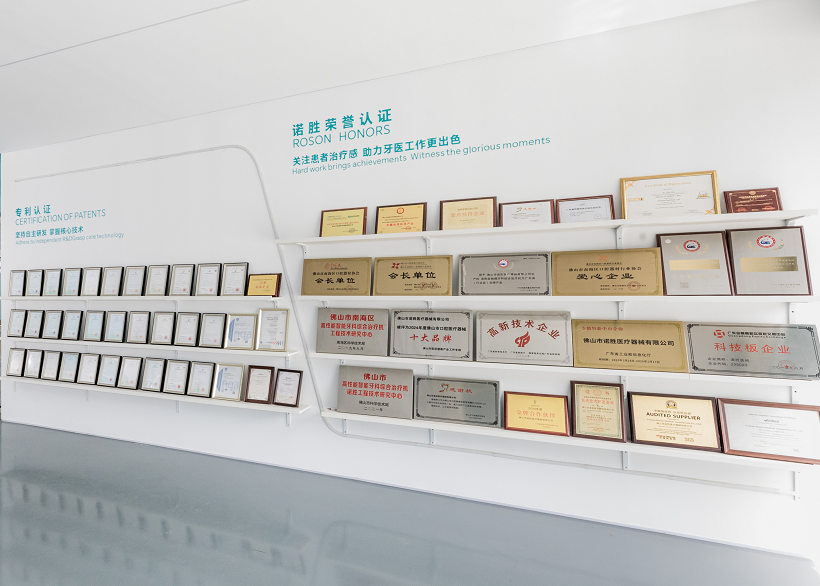
| Compliance | CE mark, ISO 13485:2016 certification | These markings are not just for bureaucracy; they confirm the device meets rigorous international safety and quality standards. For more, see our article on how dental chair design meets safety standards. |
| Warranty & Support | 2–5 year electronics warranty; clear terms on spare parts availability in your region | A strong warranty reflects the manufacturer’s confidence in their product and protects you from premature failures, reducing the long-term cost of ownership. |
Understanding Compliance and Safety
Medical devices, including operatory lights, are subject to strict regulatory oversight. Certifications like the CE Marking for the European market and compliance with the EU’s Medical Device Regulation (MDR) are essential. Similarly, adherence to quality management systems like ISO 13485 demonstrates a manufacturer’s commitment to producing safe and effective equipment. These standards ensure the product has undergone rigorous testing for electrical safety, material biocompatibility, and performance reliability.
Wrapping Up: Making a Future-Proof Investment
Choosing the right operatory light is a long-term investment in your clinic’s efficiency, your diagnostic accuracy, and your personal well-being. By looking beyond simple brightness and focusing on the critical factors of light quality, ergonomics, and long-term reliability, you can select a tool that will serve you well for years to come. A great light reduces strain, improves outcomes, and allows you to focus on what matters most: providing excellent patient care.
As you integrate new equipment, it’s also a good time to think about the bigger picture of your operatory design. For more insights, consider reading our guide on Future-Proofing Your Operatory for New Technology.
Frequently Asked Questions (FAQ)
1. Is an LED operatory light always better than a halogen one?
In almost every case, yes. LED lights offer significant advantages over older halogen technology. They have a much longer lifespan (often 20,000 hours or more), consume far less energy, and produce very little heat, which improves both patient and clinician comfort. Furthermore, LEDs provide superior optical control for better beam uniformity and shadow reduction.
2. What is a “no-cure” or “composite safe” mode?
This is a feature on many modern LED lights that filters out blue-spectrum light wavelengths (typically below 420 nm). Since blue light is what causes dental composites to cure, this mode allows you to work with restorative materials without the risk of them hardening prematurely. It is a highly valuable feature for any practice performing restorative dentistry.
3. How much should I budget for a quality operatory light?
The price of operatory lights can vary significantly based on features, brand, and build quality. Instead of focusing on a specific number, it is better to view it as an investment in a critical clinical tool. A budget model may save money upfront but could lead to higher costs down the line through maintenance issues, poor performance, or the need for early replacement. A mid-range to high-end light from a reputable manufacturer with a strong warranty often provides the best long-term value.
Disclaimer: This article is for informational purposes only and does not constitute professional medical or financial advice. Equipment decisions should be made in consultation with qualified suppliers and clinical experts. Always ensure that any medical device you purchase complies with the regulatory standards in your region.
References
About the Author