 EN
EN  ZH
ZH 
N-Class vs. S-Class Autoclaves: A Practical Cost Analysis

N-Class vs. S-Class Autoclaves: A Practical Guide for Dental Clinics
Many clinics, especially those working with a tight budget, face a critical question: is an S-Class autoclave a necessary upgrade, or is an N-Class sufficient? The price difference can be significant, but so can the functional limitations. This guide breaks down the practical differences, sterilization capabilities, and long-term costs to help you make the most economical and compliant choice for your practice. We will explore how matching the technology to your specific instrument workflow is the key to a sound investment.
Understanding the Core Differences: EN 13060 Standards
The classification of tabletop steam sterilizers—N, S, and B—originates from standards designed to ensure that the right equipment is used for the right instruments. These standards, such as the widely recognized European standard EN 13060, dictate the types of cycles a sterilizer can perform. This directly impacts which kinds of instruments you can safely process. According to guidelines for CE Marking, equipment must be appropriate for its intended use to be placed on the market, making this choice a matter of compliance as well as function.
Class N Autoclaves: For Simple, Solid Instruments
Class N autoclaves are designed for sterilizing non-wrapped, solid instruments. The “N” stands for “naked,” referring to this focus on unwrapped items. They typically use a gravity displacement method for steam sterilization. In this process, steam is introduced into the chamber, pushing out the ambient air downwards through a port.
This method is effective and reliable for simple instruments like mirrors, probes, and forceps. However, it is not suitable for items with hollow parts, lumens, or porous materials, as the gravity method cannot guarantee steam penetration into these complex areas. It is also not intended for wrapped instruments, as the drying phase is generally a simple chamber heating process that may not effectively dry packaging.
Class S Autoclaves: For Specific and Wrapped Instruments
Class S autoclaves represent a step up in capability. The “S” stands for “special” or “specified,” meaning they are designed to sterilize specific types of instruments as defined by the manufacturer. This class is more versatile than Class N and can typically process single-wrapped items, some porous materials, and certain types of hollow instruments (often referred to as Type A and B hollows).
To achieve this, most Class S autoclaves incorporate a pre-sterilization vacuum stage. This active air removal process is more effective than gravity displacement, allowing for better steam penetration. They also feature a post-sterilization vacuum drying phase, which ensures that wrapped items come out dry and ready for storage.
Functional Capabilities: Matching the Autoclave to Your Instruments
The most critical factor in your decision is the type of instruments you use daily. Using an N-Class autoclave for an instrument that requires an S-Class cycle can lead to sterilization failure, posing a significant risk to patient safety.
A common mistake I see is clinics purchasing an N-Class to save money, only to realize it cannot process their dental handpieces or surgical kits, forcing a second, costly purchase. Always audit your instrument inventory first.
Here’s a breakdown of which autoclave class is appropriate for different instrument types:
| Instrument Type | Class N Suitability | Class S Suitability | Why It Matters |
|---|---|---|---|
| Solid, Unwrapped Instruments | Excellent | Excellent | Both classes can handle basic tools like mirrors, probes, and scalers effectively. |
| Solid, Single-Wrapped Instruments | Not Recommended | Excellent | Class S has a dedicated drying cycle to ensure wrapped packs are sterile and storable. |
| Porous Loads (e.g., textiles) | Not Suitable | Suitable (if specified) | Active air removal in S-Class units is needed for steam to penetrate textile pores. |
| Hollow Instruments (e.g., handpieces) | Not Suitable | Suitable (for specified types) | The vacuum pump in S-Class autoclaves is essential for removing air from lumens. |
A Practical Cost Analysis: Upfront vs. Long-Term
For budget-limited clinics, the decision often comes down to cost. However, looking only at the purchase price is a frequent misstep. A true cost analysis includes both the initial capital expenditure (CAPEX) and the long-term operational expenses (OPEX).
Initial Investment (CAPEX)
Class N autoclaves almost always have a lower upfront cost. For a new or small practice that primarily uses solid, unwrapped instruments, this can be a very sensible and cost-effective choice.
However, if your practice plans to expand its services or already uses a significant number of wrapped or hollow instruments, the initial savings of an N-Class model can be misleading.
Operational Expenses (OPEX) and Throughput
Here is where a deeper analysis pays dividends. My experience has shown that the daily workflow volume is a critical factor.
- Low Throughput (Fewer than 12-15 cycles/day): For clinics with lower patient volume, an N-Class autoclave is often the most economical choice. The lower purchase price is recouped quickly, and since the instrument mix is likely simpler, its limitations are not a daily hindrance.
- High Throughput (More than 20 cycles/day): In busier clinics, the efficiency and versatility of an S-Class model become a significant advantage. Its ability to handle wrapped cassettes and a wider range of instruments streamlines the entire sterilization workflow, reducing bottlenecks and staff time.
A crucial point to remember is that an over-specified autoclave—for instance, a large S-Class unit in a clinic that only runs a few cycles a day—is an inefficient use of capital. It leads to higher energy consumption per cycle and more complex maintenance without providing any tangible benefit.
For the entire lifecycle, which is typically 5-10 years with proper care, you should budget approximately 5-12% of the autoclave’s purchase price annually for consumables (indicators, gaskets), service parts, and validation supplies.
Maintenance, Validation, and Common Pitfalls
Regardless of the class you choose, consistent maintenance and validation are non-negotiable for ensuring patient safety and regulatory compliance. Adhering to a quality management system, as outlined in standards like ISO 13485:2016, requires diligent record-keeping and procedural adherence.
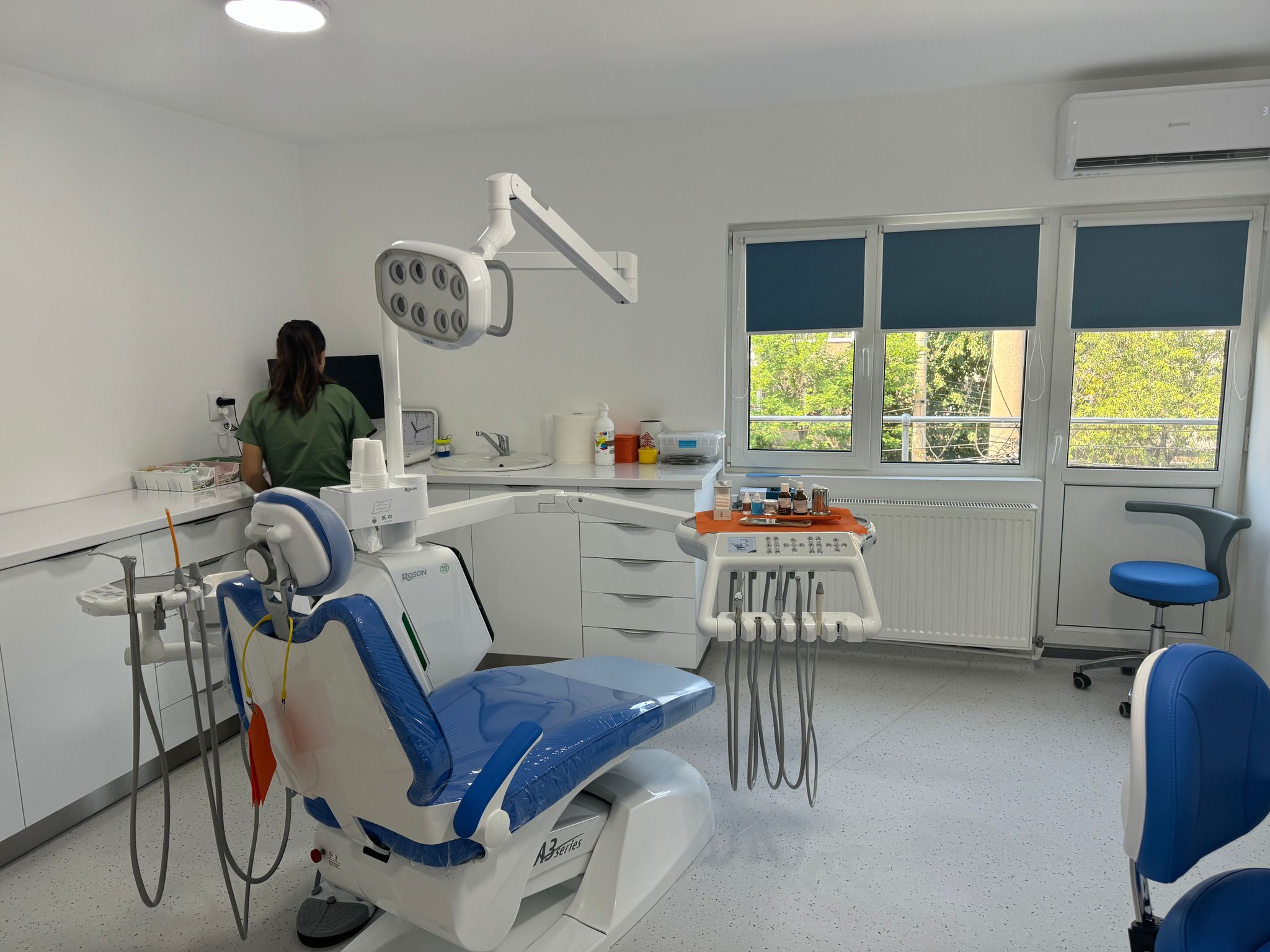
Recommended Maintenance Schedule
We advise our clients to follow and log a simple but consistent maintenance schedule to maximize the lifespan and reliability of their sterilizers.
-
Weekly:
- Clean the chamber and door gasket with a soft, lint-free cloth.
- Inspect the door gasket for any signs of wear, cracking, or damage.
- Wipe down the exterior of the unit.
-
Monthly:
- Clean water reservoir filters and drain the reservoir completely.
- Run a cleaning cycle using a recommended autoclave cleaning solution.
-
Annually (or per manufacturer’s cycle count):
- Schedule professional preventive maintenance. A technician will inspect, calibrate, and replace key wear-and-tear components like gaskets, filters, and valves.
Expert Warning: Avoid These Common Operational Errors
From years of service calls, I can tell you that most sterilization failures are not due to the machine itself, but to user error. These are the most common mistakes we see:
- Overloading Trays: Jamming too many instruments onto a tray is the number one cause of failed cycles. It prevents proper steam circulation and penetration, leaving instruments unsterilized.
- Incorrect Tray Spacing: Stacking trays too closely together has the same effect as overloading them. Always follow the manufacturer’s guidelines for spacing.
- Skipping Weekly Inspections: A worn-out door gasket is a frequent culprit for failed cycles, as it prevents the chamber from holding pressure. This is a simple, five-minute check that can save hours of downtime.
These errors lead to failed cycles, forcing you to re-clean, re-pouch, and re-sterilize the entire load. This wastes staff time, consumes extra materials, and delays patient care.
Key Takeaways: Making the Right Choice
Choosing between an N-Class and S-Class autoclave doesn’t have to be complicated. By focusing on your clinic’s specific needs, you can make a smart, cost-effective decision that ensures both compliance and patient safety.
Decision Checklist:
- Analyze Your Instruments: What percentage of your instruments are solid and unwrapped versus wrapped, hollow, or porous? If you use dental handpieces or wrapped cassettes, an S-Class is the minimum requirement.
- Measure Your Throughput: How many sterilization cycles do you run on an average day? If it’s under 15, and your instruments are simple, an N-Class is likely sufficient. If it’s over 20, the efficiency of an S-Class is a better investment.
- Consider Future Growth: Do you plan to add more complex procedures or services in the next few years? Choosing an autoclave that can accommodate that growth now may be more economical than upgrading later.
- Review Your Budget: Look beyond the initial purchase price. Factor in the long-term operational costs and the potential costs of workflow inefficiency or the need to upgrade prematurely.
Ultimately, the best autoclave is the one that reliably sterilizes your specific instrument load day in and day out, integrating seamlessly with your clinic’s workflow as discussed in guides on optimizing your sterilizer workflow.
Frequently Asked Questions (FAQ)
1. What is the main functional difference between an N-Class and S-Class autoclave?
The primary difference is their air removal capability. N-Class autoclaves use gravity to displace air and are only suitable for unwrapped, solid instruments. S-Class autoclaves use a vacuum pump to actively remove air, allowing them to sterilize wrapped instruments and certain types of hollow instruments.
2. Can I sterilize dental handpieces in an N-Class autoclave?
No. Dental handpieces are hollow instruments that require active air removal for proper steam penetration. You must use an S-Class or B-Class autoclave for these devices.
3. How often should I get my autoclave professionally serviced?
It is recommended to have your autoclave serviced by a qualified technician at least once a year, or according to the cycle count specified by the manufacturer (e.g., every 3,000–5,000 cycles).
4. Is a Class B autoclave always the best choice?
While Class B autoclaves offer the highest level of sterilization capability, they are not always necessary. They are designed for complex hollow instruments and heavily porous loads found in surgical or specialized settings. For many general dental practices, a high-quality S-Class unit is perfectly sufficient and more cost-effective.
Disclaimer: This article is for informational purposes only and does not constitute professional medical or regulatory advice. Always consult the manufacturer’s instructions for your specific equipment and adhere to local health and safety regulations.
About the Author