 EN
EN  ZH
ZH 
Boosting Clinic ROI with Integrated Dental Chair Tech

Boosting Clinic ROI with Integrated Dental Chair Tech
Discover how integrating technology into your dental chair is not just a feature upgrade but a strategic investment. This article breaks down the tangible ROI, from improved workflow efficiency to enhanced patient turnover, proving the value of smart tech.
In modern dentistry, efficiency and patient experience are the cornerstones of a profitable practice. While many clinic managers focus on marketing or expanding services to boost revenue, one of the most impactful, yet often overlooked, areas for investment is the dental chair itself. A modern, integrated dental chair is far more than a place for the patient to sit; it is the central hub of the operatory. By strategically integrating technology directly into the chair unit, you can unlock significant gains in productivity, reduce operational friction, and ultimately, drive a strong return on investment (ROI).
This guide moves beyond the surface-level benefits to provide a practical framework for clinic owners and managers. We will break down how to quantify the financial impact of integrated technology, detail key implementation strategies, and debunk common myths that prevent practices from making these crucial upgrades.
1. Streamlining Clinical Workflows for Maximum Efficiency
The most immediate benefit of an integrated dental chair is the optimization of the clinical workflow. Every minute saved during a procedure or between appointments multiplies across the day, leading to substantial gains in capacity and revenue. My experience in clinic operations has shown that the largest bottlenecks are often related to transitioning between tasks and accessing necessary tools.
An integrated setup directly addresses this. Mounting essential technology—such as intraoral cameras, monitors for patient education, and digital imaging sensors—directly onto the chair eliminates the need for standalone carts or external equipment. This seemingly small change has a cascading effect on efficiency.
- Reduced Procedure Time: With tools and information at your fingertips, procedural time is cut down. For example, having an integrated intraoral camera and monitor allows for instant patient communication and case acceptance discussions without leaving the chairside. Experienced clinic managers report that integrated monitors and intraoral mounts typically save 2–5 minutes per procedure.
- Faster Room Turnover: The absence of cumbersome, mobile carts means less equipment to move and reset between patients. This directly translates to faster room turnover. A well-designed integrated operatory can reduce room turnover time by approximately 10–20% once workflows are properly redesigned. You can find more strategies for this in our guide on How Ergonomic Dental Chairs Boost Clinic Productivity.
- Improved Ergonomics and Reduced Fatigue: A streamlined setup also enhances practitioner ergonomics. With primary tools positioned within an optimal reach of 30–45 cm and a 10–30° lateral reach, practitioners can maintain a healthier posture, reducing strain and fatigue. This is not just a health benefit; it improves focus and stamina throughout the workday, leading to higher quality care and sustained productivity. For more on this, see our article on Achieving Practitioner Ergonomics on a Clinic Budget.
2. Calculating the Tangible ROI of Tech Integration
While the efficiency gains are clear, the decision to invest must be backed by financial data. Calculating the ROI for integrated technology is more straightforward than it may seem. The key is to connect the initial investment to the daily revenue gains it generates. A common rule-of-thumb I use with clinics provides a clear payback timeline:
(Cost of Integration) ÷ (Net Revenue Gain Per Day × Annual Clinic Days) = Years to Payback
Let’s walk through a practical example to illustrate this.
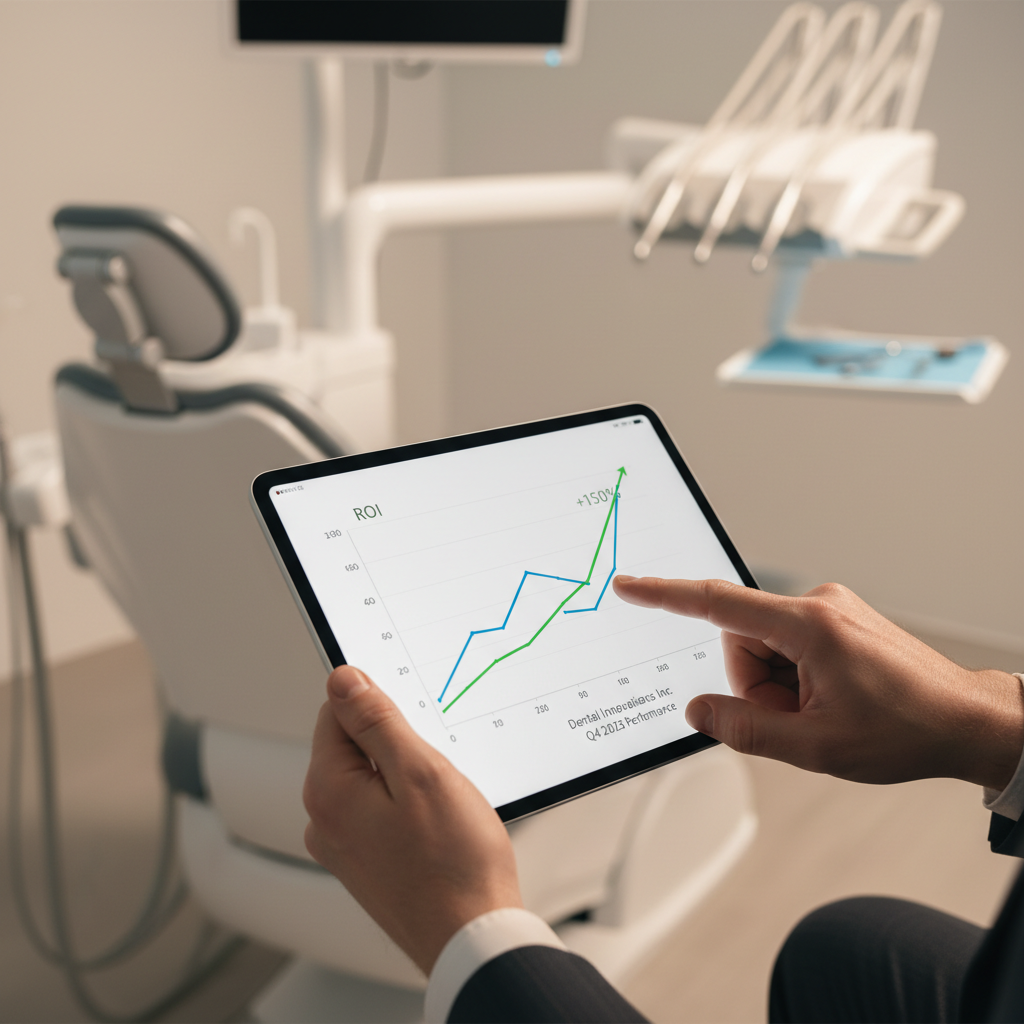
Case Study: A Mid-Sized Dental Clinic
Imagine a clinic with two operatories that sees an average of 16 patients per day (8 per chair). The average revenue per patient is $250.
- The Investment: The cost to upgrade two dental chairs with integrated monitor mounts, intraoral cameras, and cabling is $10,000.
- The Efficiency Gain: By saving just 3 minutes per procedure and speeding up turnover, the clinic can now see one extra patient per day. This adds $250 in net revenue daily.
-
The Calculation: The clinic operates 200 days per year.
- Annual Revenue Gain: $250/day × 200 days = $50,000
- Payback Period: $10,000 (Investment) ÷ $50,000 (Annual Gain) = 0.2 years, or approximately 2.4 months.
While this is a simplified model, many clinics I have worked with see a payback period of 12 to 36 months, depending on their patient volume and procedure mix. This calculation provides a solid business case for presenting the investment to stakeholders.
To help you model this for your own practice, here is a simple framework:
| Metric | Your Clinic’s Data | Example Calculation | Result |
|---|---|---|---|
| A. Total Cost of Integration | $____________ | $10,000 | $10,000 |
| B. Avg. Revenue Per Patient | $____________ | $250 | $250 |
| C. Extra Patients Per Day | ____________ | 1 | 1 |
| D. Daily Revenue Gain (B x C) | $250 x 1 | $250 | |
| E. Annual Clinic Days | ____________ | 200 | 200 |
| F. Annual Revenue Gain (D x E) | $250 x 200 | $50,000 | |
| Payback in Years (A ÷ F) | $10,000 ÷ $50,000 | 0.2 Years |
This framework clarifies that technology integration is not an expense but a revenue-generating asset. For a deeper analysis of equipment costs, consider reading A Dental Chair TCO Guide for New & Growing Dental Clinics.
3. Key Considerations for Smart Integration
Achieving this ROI requires thoughtful planning. It’s not enough to simply buy new equipment; you must integrate it correctly to maximize its benefits and avoid costly mistakes.
Common Pitfalls and How to Avoid Them
From my experience, several common errors can undermine the success of an integration project:
- Underpowered Articulating Arms: A frequent mistake is choosing a monitor arm that cannot support the weight of the display. This leads to sagging, instability, and constant readjustment, which negates any efficiency gains. Specify an articulating arm with a weight capacity of 6–8 kg to safely support most modern monitors.
- Poor Cable Management: Exposed or poorly routed cables are not only unsightly but also create tripping hazards and are prone to damage. This increases service calls and downtime. Plan for integrated cable management solutions that run wiring inside the chair and arm assembly.
- Underestimating Training: Technology is only as good as the team using it. It is crucial to allocate 2–4 weeks of phased staff training to ensure everyone is comfortable with the new workflow. This prevents a dip in productivity and encourages adoption.
Prioritizing Durability and Compliance
For a dental clinic, equipment is a long-term asset that must be reliable and compliant with industry standards. When selecting integrated components, prioritize modular designs and easy-access service panels. This simplifies maintenance and limits downtime if a single component fails.
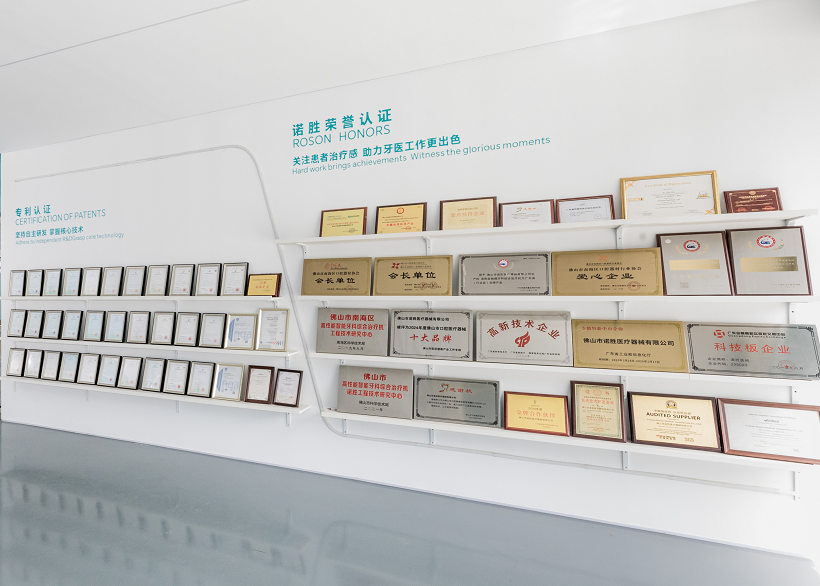
Furthermore, ensure all equipment complies with relevant regulations. This is a critical aspect of trustworthiness and market access. For instance, products sold in Europe must have CE Marking, which certifies they meet health, safety, and environmental protection standards. Similarly, adherence to quality management systems like ISO 13485:2016 demonstrates a manufacturer’s commitment to consistency and quality in medical devices. These certifications are not just formalities; they are assurances of the equipment’s reliability and safety for both patients and practitioners.
4. Myth: Tech Integration is Only for High-End Clinics
A pervasive myth is that a fully integrated operatory is a luxury reserved for high-budget cosmetic practices. In reality, the principles of workflow efficiency and ROI apply to every type of dental clinic, especially those focused on cost-effectiveness.
The key is to adopt a strategic, scalable approach. You don’t need to overhaul everything at once. Start by identifying the single biggest bottleneck in your current workflow. Is it patient education? Start with an integrated monitor. Is it diagnostics? An intraoral camera mount might be the best first step. There are many Cost-Effective Dental Chair Integration Strategies that can yield significant returns without a massive upfront investment.
Market analysis from firms like Frost & Sullivan consistently shows a trend towards digitalization across all segments of the dental market. Clinics that delay adoption risk falling behind in efficiency and patient expectations. The most successful practices I’ve seen are those that view technology not as a cost center, but as a competitive advantage that delivers a clear financial return.
Key Takeaways
Investing in integrated dental chair technology is a powerful strategy for boosting your clinic’s bottom line. It is a direct investment in your practice’s core operational engine. By making smart, incremental upgrades, you can unlock greater efficiency, enhance patient care, and secure a strong, measurable return on investment.
To summarize:
- Focus on Workflow: Integrated technology saves time on every procedure and speeds up room turnover, directly increasing your clinic’s capacity.
- Calculate Your ROI: Use the provided framework to model the payback period for your specific clinic. The financial case is often stronger than you think.
- Integrate Smartly: Avoid common pitfalls by choosing robust components, planning for cable management, and investing in staff training.
- Start Now: Don’t let the myth of high costs hold you back. Strategic, cost-effective integration can deliver significant value to any dental practice.
Disclaimer: This article is for informational purposes only and does not constitute professional financial or medical advice. The ROI calculations provided are illustrative examples. Clinic owners should conduct their own detailed financial analysis based on their specific circumstances. Always consult with qualified professionals for equipment selection and integration.
References
- ISO 13485:2016 – Quality Management Systems: https://www.iso.org/standard/59752.html
- CE Marking – European Conformity: https://ec.europa.eu/growth/single-market/ce-marking_en
- Frost & Sullivan – Dental Equipment Market Report: https://www.frost.com/
About the Author