 EN
EN  ZH
ZH 
Hydraulic vs. Electromechanical: A Cost Analysis

The dental chair is the operational hub of any clinic. When procurement managers and clinic owners evaluate equipment, the decision often narrows down to the lift mechanism: hydraulic or electromechanical. While aesthetics and upholstery color often grab attention, the lift system dictates the chair’s longevity, maintenance costs, and daily reliability.
For B2B buyers—specifically those equipping high-volume clinics, training centers, or distribution networks—the choice between hydraulic and electromechanical systems is not a matter of preference but of economics and workflow optimization. This analysis breaks down the Total Cost of Ownership (TCO) for both systems, grounded in engineering realities and maintenance data.
The Engineering Core: Fluid Dynamics vs. Gear Drives
To understand the cost implications, we must first understand the failure points inherent in each design.
Hydraulic Systems: Power and Durability
Hydraulic chairs operate using a pump, a fluid reservoir, and cylinders. When activated, the pump pushes oil into a cylinder to lift the chair. To lower it, a solenoid valve opens, allowing gravity to push the fluid back into the reservoir.
- Pros: High power density (can lift heavier loads effortlessly), generally quieter operation, and fewer moving mechanical parts to wear out.
- Cons: Potential for fluid leaks; performance can vary slightly with temperature changes (fluid viscosity).
Electromechanical Systems: Precision and Control
These systems rely on an electric motor driving a screw gear or worm drive. As the motor spins, it extends or retracts a shaft to move the chair.
- Pros: Precise positioning, no fluid to manage, consistent speed regardless of load.
- Cons: More mechanical friction points (gears, threads); motors can be noisier under load; often slower lift speeds compared to high-end hydraulics.
Reliability and Failure Modes: A Practitioner’s View
In my experience auditing equipment for busy clinics, the “theoretical” reliability often differs from “clinical” reality. The environment dictates the failure mode.
The “Cycle Count” Heuristic
A useful heuristic for procurement is matching expected daily chair reposition cycles to the design cycle ratings.
- Low-Use (<50 cycles/day): General hygiene rooms or exam rooms. Hydraulic systems often win here on lower upfront costs.
- High-Use (>150 cycles/day): Oral surgery or busy orthodontic bays. Electromechanical systems are often preferred here because they offer programmable positioning which speeds up workflow, despite potentially higher mechanical wear.
Common Service Traps
According to service data from high-volume facilities, the failure modes are distinct:
- Hydraulic Systems: The most common issues are seal leaks and reservoir contamination. A frequent maintenance oversight is neglecting spool-valve cleanliness. Once grit gets into the valve, the chair may drift or fail to hold position.
- Electromechanical Drives: We typically see gear/motor wear or limit-switch failures. A critical “gotcha” for technicians is failing to log position calibration. Without regular calibration, the chair may over-extend, stripping gears or burning out the motor.
Total Cost of Ownership (TCO) Analysis
The sticker price is only the entry fee. To calculate the true cost, use this TCO formula:
$$ TCO = Purchase Price + (Annual Maintenance \times Years) + Downtime Costs + Replacement Parts $$
1. Purchase Price & Installation
Hydraulic systems have historically commanded a premium due to the complexity of the pump mechanisms, but the gap has narrowed. Modern manufacturing, especially from cost-effective producers, has made robust hydraulic units competitive. Electromechanical chairs often have a lower entry price point but can be more expensive to install if they require specific voltage configurations different from existing setups.
2. Maintenance & Spare Parts Strategy
This is where the Financial Impact of Dental Chair Reliability becomes real.
- Hydraulics: Maintenance involves fluid checks and seal replacements. Spare parts planning is critical; keeping a simple seal kit on hand can convert a 3–5 day backorder downtime into a same-week fix.
- Electromechanical: Requires greasing screw drives and replacing worn gears. If a motor controller module fails, it is often a “replace, don’t repair” scenario, which is more costly per incident.
3. Downtime Costs
Estimate your downtime cost as:
(Expected Downtime Days/Year) × (Average Revenue per Operatory/Day)
If a hydraulic seal leaks, the chair can often still operate (albeit messily) until fixed. If an electromechanical motor fails, the chair is dead in the water. For a clinic generating $2,000+ per day per chair, two days of downtime exceeds the cost difference between the two chair types.
Comparative Cost Analysis Table
| Feature | Hydraulic System | Electromechanical System |
|---|---|---|
| Primary Wear Components | Seals, O-rings, Solenoid Valves | Gears, Screw Drives, Limit Switches, Motors |
| Maintenance Frequency | Low (Annual fluid check) | Medium (Lubrication & Calibration) |
| Catastrophic Failure Risk | Low (usually gradual leaks) | Medium (motor burnout = immediate stop) |
| Repair Complexity | High (requires fluid handling) | Low to Medium (modular component swap) |
| Lifespan Expectancy | 10–15+ Years | 7–12 Years |
| Ideal Use Case | Heavy lifting, Bariatric, General Dentistry | Orthodontics, Pedodontics, Precision work |
Ergonomics and Operator Fatigue
Cost isn’t just hardware; it’s also human capital. Ergonomists advise prioritizing seat tilt and headrest adjustability over raw motor speed. Small comfort gains reduce operator fatigue more significantly than marginal lift-speed differences.
- Smoothness: Hydraulic chairs provide a fluid, “soft-start/soft-stop” motion that is often more comfortable for anxious patients.
- Positioning: Electromechanical chairs allow for distinct, programmable set-points, which is vital for repetitive procedures.
When integrating new units, consider Cost-Effective Dental Chair Integration Strategies to ensure your staff can transition seamlessly between operatories without relearning the controls.
Regulatory Compliance and Safety
Regardless of the lift mechanism, ensuring the equipment meets international standards is non-negotiable for liability and long-term viability.
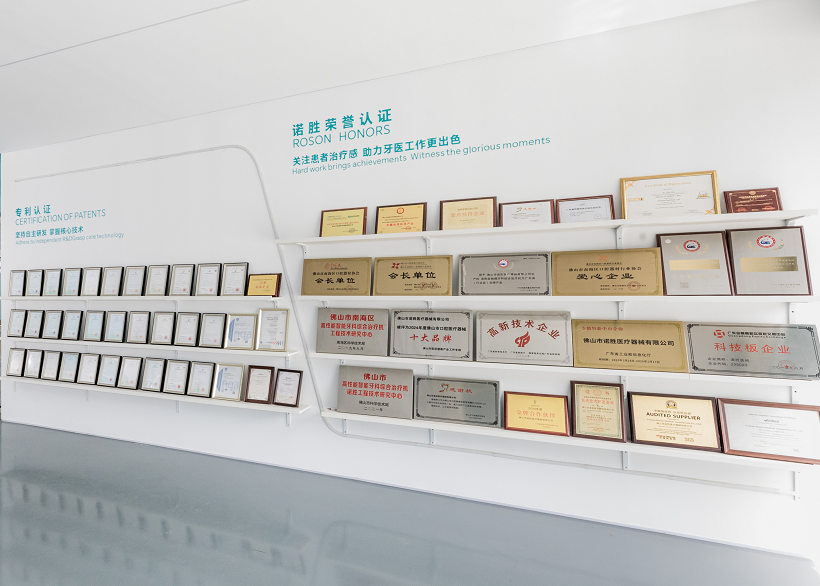
- ISO 13485: This standard for Quality Management Systems ensures that the manufacturer has a consistent process for design and assembly. For ROSON and similar manufacturers, adherence to this standard validates the consistency of the hydraulic or electromechanical components.
- FDA 21 CFR Part 820: If you are operating in or catering to the US market, the FDA Quality System Regulation mandates strict controls. It ensures that whether a chair uses oil or gears, the manufacturing process is traceable.
- EU MDR: The Medical Device Regulation in Europe has raised the bar for clinical evaluation. It requires rigorous proof of safety, which often favors established, simpler technologies (like proven hydraulic designs) over complex, unproven electronic novelties.
Wrapping Up
Deciding between hydraulic and electromechanical dental chairs is a balance of Capital Expenditure (CapEx) and Operational Expenditure (OpEx).
- Choose Hydraulic if you prioritize longevity, heavy lifting capacity, and “fail-safe” operation (it rarely stops working instantly). It is the workhorse for general dentistry.
- Choose Electromechanical if you need programmable precision, run a high-volume specialty practice (like ortho), and have a maintenance protocol that includes regular calibration.
- Stock Critical Spares: Regardless of choice, keeping a “First Aid Kit” for your chair (seals for hydraulics, a control module for electrics) is the single highest-ROI decision a clinic manager can make.
By aligning your choice with your clinic’s volume and maintenance culture, you ensure your investment delivers returns for a decade, not just a depreciation cycle.
Frequently Asked Questions (FAQ)
Q: Which system is noisier?
A: Generally, electromechanical chairs are noisier due to the motor and gear operation. Hydraulic chairs are known for their near-silent operation, which can be beneficial for reducing patient anxiety.
Q: Do hydraulic chairs leak oil frequently?
A: Modern hydraulic systems are sealed units and leaks are rare if maintained properly. “Drifting” or sinking is usually a sign of a valve issue, not necessarily an external leak.
Q: Can I upgrade a chair from electromechanical to hydraulic later?
A: No, the chassis and internal design are fundamentally different. It is critical to make the right platform choice at the time of purchase.
Q: How often should hydraulic fluid be changed?
A: Check the manufacturer’s manual, but typically hydraulic fluid does not need changing for several years unless contamination occurs. It is a closed loop system.
Disclaimer: This article is for informational purposes only and does not constitute professional financial or medical advice. Dental equipment specifications vary by model and manufacturer. Always consult with a certified dental technician or the manufacturer’s technical support before performing maintenance or making procurement decisions based on specific clinical needs.
References
About the Author