 EN
EN  ZH
ZH 
Future-Proof Your Clinic: A Scalable Compressor Guide

Future-Proof Your Clinic: A Scalable Compressor Guide
Don’t let your equipment limit your practice’s growth potential. The dental air compressor is the heart of your clinic, powering everything from handpieces to chair-side suction. Choosing the right system from the start is one of the most critical infrastructure decisions you will make. Selecting a unit that’s too small will create a bottleneck as you expand, forcing a costly replacement. Over-investing in an oversized system ties up capital and leads to inefficient operation. This article explains how to select a scalable air compressor system that can adapt as you add more chairs or technology, ensuring long-term value and operational reliability.
We will move beyond simple chair counts to help you calculate your true air demand, design a system with growth in mind, and avoid the common pitfalls that I’ve seen lead to expensive downtime and repairs.
1. The Foundation of Scalability: Core Sizing Principles
To future-proof your clinic, you must first understand your actual compressed air requirements. This goes deeper than just counting the number of chairs; it involves analyzing your workflow, the types of tools you use, and your plans for the next three to five years.
Calculating Your True Air Demand
The most common metric for compressor output is Cubic Feet per Minute (CFM). A reliable heuristic I use for initial planning is to budget between 7 to 15 CFM per operatory. The lower end of this range is sufficient for clinics primarily using basic air-driven handpieces. The higher end is necessary when you factor in equipment with greater air demand, such as chair-side suction, in-house lab equipment, or CAD/CAM milling machines.
However, not all operatories run at peak demand simultaneously. To avoid over-sizing, we apply a “diversity factor” of 0.60 to 0.75. This accounts for the reality of a clinical setting where some chairs are in use while others are idle or being prepped.
Here’s a practical example for a 4-chair clinic with moderate usage:
- Peak Demand per Chair: 10 CFM (a reasonable average)
- Total Potential Demand: 4 chairs x 10 CFM/chair = 40 CFM
- Factored Demand: 40 CFM x 0.70 (diversity factor) = 28 CFM
In this scenario, a compressor system capable of reliably delivering around 30 CFM at a working pressure of 6 bar (approximately 87 psi) would be an appropriate starting point. For more detail on these calculations, a complete technical overview can be found in our Compressor Sizing: A Tech Guide for Dental Clinics.
Matching Duty Cycle to Clinic Workflow
The duty cycle is the percentage of time a compressor can run without overheating. A compressor rated for a 50% duty cycle should run for no more than 30 minutes in an hour. For a busy, continuous-use clinic, selecting a compressor rated for a 100% duty cycle is essential. These are typically oil-lubricated rotary screw or high-duty reciprocating units. Clinics with more intermittent workflows can effectively use oil-free piston units with high-duty ratings. A common mistake is using a low-duty compressor in a high-demand environment, which leads to frequent start-stop cycles that accelerate wear on motors and seals.
2. Planning for Growth: System Design and Redundancy
A truly scalable system is not just about a single, powerful machine. It’s about an intelligent design that anticipates future needs and protects against unexpected failures.
Sizing for Your Future Practice
When selecting a compressor, don’t just buy for the clinic you have today. Plan for the clinic you want to have in five years. Will you be adding two more chairs? Investing in an in-house lab? Each of these additions will increase your demand for clean, dry air. This is where modular systems shine. Instead of buying one massive compressor, consider a twin or modular system that allows you to add capacity as you grow. This staged approach helps manage initial investment while providing a clear upgrade path.
Here is a general framework for system configuration based on clinic size:
| Clinic Size | # of Chairs | Recommended CFM Range | Recommended System Configuration |
|---|---|---|---|
| Small Clinic | 1–3 | 10–15 CFM | Single high-duty reciprocating or oil-free unit. |
| Medium Clinic | 4–8 | 25–50 CFM | Twin system with parallel units or a modular design. |
| Large Clinic | 9+ | 50+ CFM | Multiple staged compressors or a central screw compressor. |
The Power of N+1 Redundancy
In a dental clinic, downtime is not just an inconvenience—it’s lost revenue and cancelled appointments. The “N+1” principle is the gold standard for reliability. It means having one more compressor unit (the “+1”) than is required to run your clinic at peak capacity (“N”). If one unit fails or requires maintenance, the other can take over seamlessly, eliminating downtime. For a medium-sized clinic requiring 30 CFM, this could mean installing two 30 CFM compressors in parallel. The upfront cost is higher, but it’s a small price to pay for the insurance against being unable to treat patients. To further reduce repair times, I always advise keeping key spare parts like filters, belts, and valves on-site.
3. Air Quality and Infrastructure: The Unseen Essentials
The most powerful compressor is useless if the air it delivers is contaminated or if the piping infrastructure is inadequate. These elements are just as crucial to a scalable system as the compressor itself.
Oil-Free vs. Oil-Lubricated: A Critical Decision
This is a key decision point. Oil-free compressors simplify air treatment by eliminating the risk of oil carryover into the air lines. This reduces the need for complex filtration and is often the preferred choice for ensuring the highest air purity. On the other hand, oil-lubricated machines can offer a longer operational lifespan and better thermal management in high-demand settings. However, they mandate a strict maintenance schedule and multi-stage filtration (including coalescing filters and separators) to prevent oil from contaminating handpieces and affecting patient care. The quality of your compressed air directly impacts the longevity of your equipment, a topic we explore further in our article on how compressor tech affects dental handpiece life.
Piping and Condensate Management
I’ve seen clinics invest in a top-tier compressor only to suffer from massive pressure drops caused by undersized piping. Use smooth-bore piping with a large enough diameter to handle your current and future air volume. A critical but often overlooked detail is to slope all piping 1-2% back towards a central condensate drain. Moisture is the enemy of any compressed air system. It causes corrosion, fosters microbial growth, and can damage sensitive equipment. Install sediment traps and automatic drains at all low points in your piping and after any dryers or filters. Your goal should be a pressure drop of less than 10% between the compressor and the furthest handpiece.
Compliance and Certification
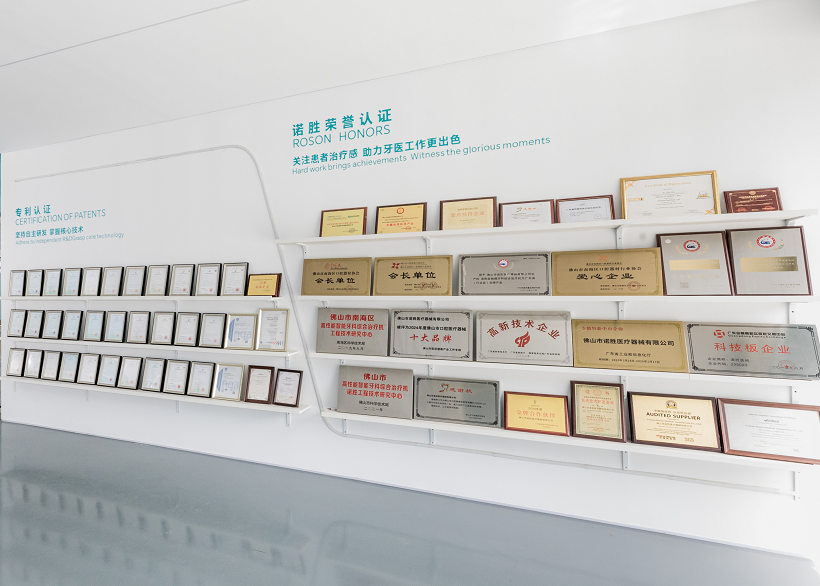
Finally, never compromise on compliance. Dental compressors are medical devices and must adhere to strict regulatory standards. A quality management system certified under ISO 13485:2016 demonstrates a manufacturer’s commitment to consistent quality and safety. For clinics in the European Union, the CE Marking is mandatory and indicates that the product meets high safety, health, and environmental protection requirements. In the United States, manufacturers must comply with the FDA’s Quality System Regulation (21 CFR Part 820). Ensuring your equipment carries these certifications is fundamental to protecting your patients and your practice. For a deeper dive, review our guide to meeting CE & ISO standards.
4. Avoiding Costly Mistakes and Common Myths
Building a scalable system is as much about avoiding errors as it is about making the right choices. Over the years, I’ve seen the same preventable mistakes cause significant problems for growing clinics.
Myth Debunked: “I Can Just Buy a Bigger Compressor Later.”
While technically true, this mindset is a trap. Upgrading a compressor is rarely a simple swap. A larger unit may require new, higher-amperage electrical circuits, different plumbing connections, and a larger physical footprint. The installation process itself means clinic downtime. Factoring in the cost of the new unit, the installation labor, the electrical and plumbing work, and the lost revenue, it is almost always more cost-effective to plan ahead and invest in a scalable or modular system from the beginning.
Common Pitfalls Checklist
Use this checklist to avoid the most frequent oversights when designing your compressed air system:
- [ ] Forgetting Suction and Lab Loads: Did you calculate your total CFM demand by including all air-consuming equipment, not just handpieces?
- [ ] Undersizing Pipes: Have you confirmed your pipe diameters are large enough to prevent significant pressure loss at the furthest operatory?
- [ ] Ignoring Condensate Management: Is your system designed with proper slopes and automatic drains to remove moisture effectively?
- [ ] Relying on Noise as a Health Indicator: A compressor getting louder is a late-stage sign of failure. Are you proactively tracking run hours and checking for performance drift to spot issues early? This can be a simple way to prevent catastrophic failures, as we discuss in our post on solving noise issues with modern compressor tech.
Wrapping Up: Key Takeaways for a Future-Proof Clinic
Your dental air compressor is a long-term investment in your clinic’s operational capacity. By thinking strategically about scalability, you can ensure that this investment pays dividends for years to come instead of becoming a barrier to growth.
Remember these core principles:
- Plan for Five Years Out: Calculate your air demand based on your growth plan, not just your current setup.
- Build in Redundancy: Use an N+1 or modular design to eliminate downtime and ensure continuous operation.
- Master the Infrastructure: Do not overlook the importance of correctly sized piping and robust condensate management.
- Prioritize Air Quality: Choose the right compressor technology and filtration to protect your patients, your equipment, and your reputation.
- Monitor Proactively: Track performance metrics to identify potential issues long before they lead to a system failure.
By following this guide, you can confidently select a compressor system that is not only affordable and reliable today but also ready to support your clinic’s success tomorrow.
About the Author