 EN
EN  ZH
ZH 
Why Genuine Spare Parts Extend Your Dental Chair's Life

The Unseen Engine: Why Dental Chair Parts Fail
In a busy dental clinic, a dental chair is more than just a piece of furniture; it’s a critical piece of operational equipment. Its constant use, however, leads to inevitable wear and tear. In high-throughput practices, a chair can undergo between 30 to 100 patient-positioning cycles per day. This constant motion puts stress on every component, from the hydraulic system to the electronic controls.
I have found that most failures are not random but occur in predictable patterns. Understanding these patterns is the first step toward proactive maintenance. The most common points of failure include hydraulic seals, bearings, upholstery, and control board connectors. Each component has a different wear cycle based on its material and function.
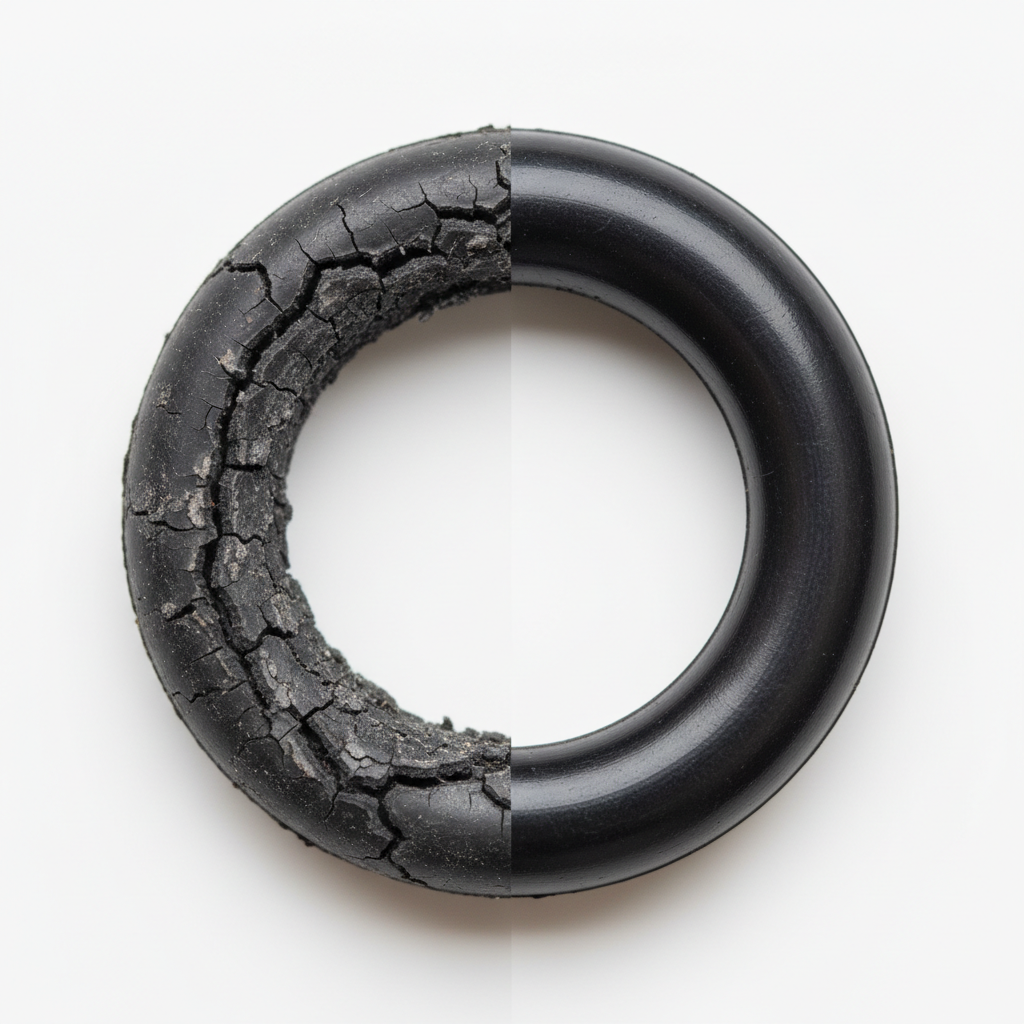
For instance, hydraulic seals, which are essential for the smooth and quiet operation of the chair’s lift and recline functions, are typically made of specialized polymers. Over time, they can harden, crack, or deform, leading to fluid leaks or pressure loss. Similarly, bearings in pivot points can wear down, causing what technicians call “play”—a looseness greater than 1-2 mm—which can make the chair feel unstable.
Debunking a Common Myth: “All Aftermarket Parts Are Good Enough”
A pervasive myth in equipment maintenance is that aftermarket parts offer the same performance as original equipment manufacturer (OEM) components at a lower cost. While the cost savings are tempting, this belief overlooks critical differences in material quality, manufacturing precision, and regulatory compliance. Genuine parts are designed and tested to meet stringent specifications that ensure they work seamlessly with the rest of the equipment. According to regulations like ISO 13485:2016, medical device components must adhere to a quality management system that guarantees their safety and efficacy—a standard that many third-party manufacturers do not meet.
The Compounding Risks of Non-Genuine Components
Choosing non-genuine or counterfeit parts introduces a cascade of risks that can impact your clinic’s performance, safety, and financial health. These components might look identical to the real thing, but their deficiencies often lie beneath the surface.
Material and Manufacturing Inconsistencies
OEM parts are manufactured using specific material formulations designed for durability and compatibility. For example, a genuine hydraulic seal is made from a polymer that resists degradation from the specific hydraulic fluid used in the chair. An aftermarket part might use a generic rubber that swells or breaks down when exposed to the same fluid, leading to premature failure. This is why it is critical to avoid general-purpose lubricants; I always recommend using only manufacturer-specified lubricants that have the correct viscosity and dielectric properties to protect sensitive polymer seals and electronic components.
Furthermore, genuine parts are manufactured with precise tolerances. A slight deviation in the size or shape of a bearing or valve can cause friction, stress, and ultimately, a breakdown of the entire assembly. This lack of precision is a common trait in counterfeit parts, which are often produced without rigorous quality control.
Safety and Compliance Violations
Dental chairs are medical devices, and their components must comply with strict regulatory standards. Agencies like the FDA, through regulations such as 21 CFR Part 820, and European authorities, through frameworks like the EU Medical Device Regulation (MDR), mandate that all parts meet specific safety and performance criteria. Using non-compliant parts can void your equipment’s certification, create liability issues in the event of an accident, and jeopardize patient safety.
Imagine a scenario where a chair’s lift mechanism fails due to a faulty aftermarket hydraulic valve, causing a sudden drop. The potential for patient injury and legal recourse is significant. Genuine parts are your assurance that the chair operates as intended and remains compliant with all relevant health and safety laws.
A Proactive Strategy for Longevity: Maintenance and Inventory
Extending the life of your dental chair isn’t about reacting to failures; it’s about preventing them. A strategic approach to maintenance and spare parts inventory can dramatically reduce downtime and protect your investment. This involves scheduled inspections, following a clear replacement schedule, and maintaining a well-organized stock of critical components.
The Preventative Maintenance Schedule
Based on my experience in clinics, I recommend a tiered maintenance schedule. Regular inspections should be conducted every 3 to 6 months, with more intensive parts replacement occurring over a longer horizon. This proactive approach helps catch issues before they lead to costly, unscheduled downtime.
| Component | Recommended Action | Frequency | Rationale |
|---|---|---|---|
| Hydraulic Seals & Valves | Inspect for leaks; Replace | Inspect: 3-6 months; Replace: 3-5 years | Prevents fluid loss and ensures smooth, predictable motion. |
| Upholstery | Inspect for cracks/tears; Clean regularly | Inspect: Monthly; Replace: 5-8 years | Maintains infection control standards and patient comfort. For more details, see this guide on upholstery care. |
| Bearings & Pivot Points | Check for play (>1-2 mm); Lubricate | Check: 3-6 months; Lubricate: Annually | Reduces mechanical stress and prevents structural instability. |
| Control Board Connectors | Inspect for corrosion/tightness | Annually | Ensures reliable electronic communication and prevents control failures. |
| Pump Modules | Inspect and test pressure | Annually | Guarantees the core hydraulic system has sufficient power. |
Building a Smart Spare Parts Inventory
A well-managed inventory of critical spares is your best defense against extended downtime. The key is to balance inventory costs with the risk of operational delays. I advise clinics to stock a 3- to 6-month supply of critical parts, with the exact amount depending on vendor lead times and part failure rates.
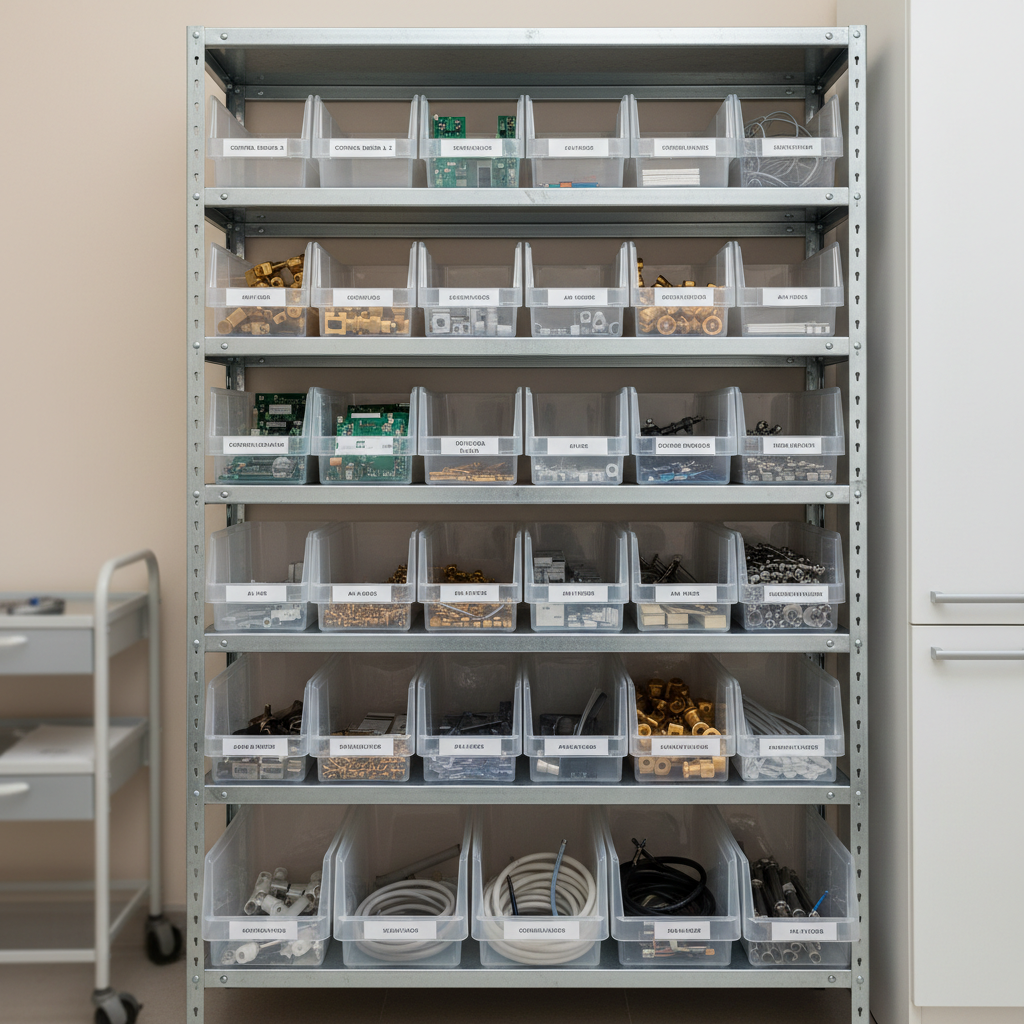
Here is a checklist for setting up your inventory system:
- Identify Critical Spares: Start with the components most likely to fail and cause significant downtime. This typically includes hydraulic seals, pump modules, and essential control boards.
- Log Everything: Keep a detailed log of all spare parts, including serial numbers and service history. This helps track usage patterns and informs future purchasing decisions.
- First-In, First-Out (FIFO): Organize your stock so that the oldest parts are used first. This is especially important for components with a limited shelf life, like polymer seals.
- Set Reorder Points: Establish minimum stock levels for each part. When the quantity on hand drops to the reorder point, automatically place a new order.
- Secure Storage: Store parts in a clean, dry, and climate-controlled environment to prevent degradation.
Developing a sound inventory strategy is crucial, as it directly impacts your clinic’s financial health. Properly factoring spare parts into your dental chair’s TCO provides a more accurate picture of your long-term operational costs.
The Financial Bottom Line: Repair vs. Replace
Every clinic owner eventually faces the question: is it more cost-effective to repair a failing chair or replace it entirely? Making the right decision requires a clear-eyed analysis of costs, downtime, and long-term value.
I use a simple but effective heuristic to guide this decision: if the estimated cost of a repair exceeds 40% of the cost of a new, comparable chair, replacement is usually the better option. This rule of thumb helps avoid sinking money into aging equipment that is likely to fail again.
Another critical factor is downtime. If a repair is projected to take the chair out of service for more than 48-72 hours, the lost revenue can easily outweigh the cost of the repair itself. In such cases, replacing the chair may be the more financially sound choice, ensuring your clinic remains productive. The long-term ROI of a durable dental chair often justifies the initial investment in new equipment.
After any significant repair, I always recommend validating its effectiveness by running the chair through 50-100 full load cycles. This stress test helps catch any potential early failures and ensures the chair is ready for reliable clinical use.
Key Takeaways
Investing in genuine spare parts is not an expense; it is a strategic investment in your clinic’s operational stability, patient safety, and financial health. While aftermarket parts may seem like a cost-effective shortcut, they introduce unacceptable risks related to performance, compliance, and reliability.
By understanding the common failure points of your dental chairs, implementing a proactive maintenance schedule, and managing a smart inventory of OEM components, you can significantly extend the life of your equipment. This approach minimizes unexpected downtime, ensures a safe environment for your patients, and ultimately enhances the long-term value and durability of your investment.
Frequently Asked Questions (FAQ)
1. How can I verify if a spare part is genuine?
Always purchase parts directly from the equipment manufacturer or their authorized distributors. Genuine parts typically come in branded packaging with serial numbers and documentation that can be verified.
2. Is using a non-genuine part ever acceptable?
For non-critical components that do not affect the safety or core function of the chair (e.g., a plastic trim piece), an aftermarket part might be considered. However, for any part related to the hydraulic, structural, or electronic systems, using only genuine OEM parts is the recommended approach.
3. Will using non-OEM parts void my warranty?
In most cases, yes. Manufacturers’ warranties are almost always contingent on the use of genuine parts and authorized service technicians. Using non-OEM parts can void your warranty, leaving you responsible for the full cost of any subsequent failures.
Disclaimer: This article is for informational purposes only and does not constitute professional technical or medical advice. Always consult with a qualified technician and adhere to the manufacturer’s guidelines for your specific equipment. Proper maintenance and repair are critical for ensuring the safety and functionality of all medical devices.
References
About the Author