Skip to content
 EN
EN  ZH
ZH 
Choosing Durable Dental Chairs for High-Volume Clinics

Beyond the Spec Sheet: What Truly Defines Durability in a Dental Chair
For a high-volume dental clinic or training center, a dental chair is more than just a piece of furniture; it’s a primary workhorse. When a chair fails, the consequences are immediate: cancelled appointments, disrupted schedules, and frustrated staff. The true cost of a chair isn’t its purchase price, but its total cost of ownership over a lifespan of relentless use. Therefore, focusing on durability isn’t a luxury—it’s a fundamental business strategy.
My team and I have spent years analyzing equipment failure patterns in busy clinical environments. We’ve found that durability doesn’t come from flashy features, but from robust engineering and high-quality materials. Experience shows that the majority of wear-and-tear issues originate from three key areas: upholstery, motorized actuators, and simple mechanical joints like hinges and pivot bearings.
Material Science and Mechanical Integrity
The foundation of a durable chair is its frame and its moving parts. A heavy-gauge steel frame generally offers superior rigidity and longevity compared to aluminum, providing a stable base that resists flexing under load. However, the most common points of failure are often the components that see the most motion and stress.
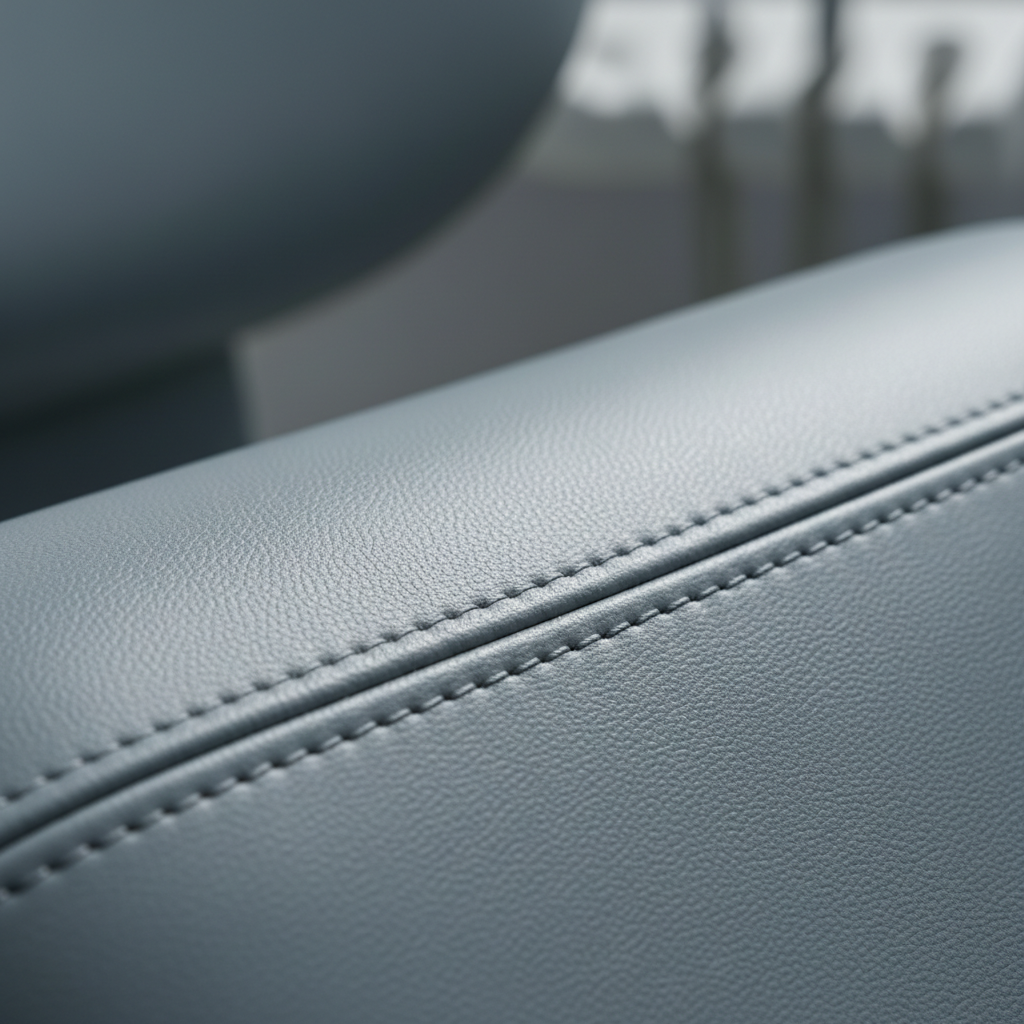
Upholstery is the first line of defense and often the first component to show wear. A common mistake is using aggressive, solvent-based disinfectants that seem effective but can cause vinyl and synthetic leathers to crack and peel prematurely. The solution is to specify medical-grade, non-porous vinyl known for its resistance to specific, manufacturer-approved chemical agents. This ensures you can maintain hygiene standards without compromising the material’s integrity.
Equally important are the actuators—the motors that control the chair’s lift and recline functions. In high-traffic settings, these motors undergo thousands of cycles. Look for chairs with actuators that have a documented high cycle rating. Simple mechanical joints are another frequent trouble spot, especially when routine maintenance is neglected. Well-machined pivot points with high-quality bearings are essential for smooth, reliable operation over many years.
The Importance of Certified Quality Management
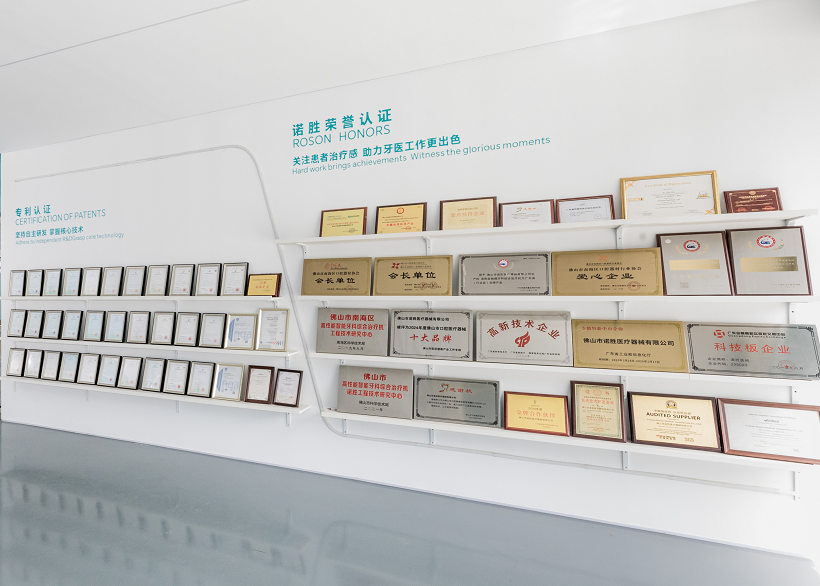
How can you be sure a manufacturer’s claims of quality are accurate? One of the most reliable indicators is their adherence to internationally recognized quality management standards. For medical devices, the key standard is ISO 13485:2016 – Quality Management Systems. This certification demonstrates that the manufacturer has implemented a rigorous, auditable system for design, production, and post-market monitoring. It’s a strong signal that they are committed to consistency, safety, and reliability, which is a critical factor for clinics making long-term investments.
A Framework for Procurement: Stress-Testing and Specification
Making a smart purchasing decision requires moving beyond the catalog and implementing a structured evaluation process. For high-volume environments, we insist on a pre-acceptance “burn-in” test to reveal potential weaknesses before a chair is put into clinical service.
The 7-Day Burn-In Test
Before formally accepting a new chair, subject it to a 7-day burn-in test. This involves running the chair through 2,000 to 5,000 full recline and lift cycles. This intensive trial simulates several months of heavy use in a short period. It is remarkably effective at identifying early-failure risks in actuators and mechanical joints that would otherwise only appear after the warranty has expired. A chair that passes this test is far more likely to withstand the rigors of a busy clinic.
Key Ergonomic and Mechanical Specifications
A chair’s adjustability is crucial for both patient comfort and clinician health. Neglecting ergonomics can lead to musculoskeletal strain for dental professionals. For a deeper dive into this, consider reading our guide on Ergonomics for Dentists Treating Special Needs Patients. When specifying a chair, ensure it meets the needs of a diverse range of body types.
Based on our experience, prioritize the following adjustable ranges:
- Headrest Travel: At least 100 mm to comfortably position patients of different heights.
- Backrest Angle: A range of at least 0–120 degrees to accommodate various procedures.
- Seat Height Range: Must be suitable for clinicians from 150 cm to 200 cm tall, ensuring a comfortable working posture.
- Casters: Specify casters rated for continuous use and frequent exposure to wet cleaning environments.
Procurement Specification Checklist
To ensure your requirements are clearly communicated and legally binding, they should be included in your procurement contract. This protects your investment and sets clear expectations with the vendor. For a comprehensive view of how equipment choices affect your bottom line, our article on How Chair Durability Impacts Your Clinic’s Financial Health provides valuable insights.
Here is a sample table of specifications to include in your purchasing documents:
| Feature | Minimum Specification | Why It Matters |
|---|---|---|
| Rated Service Life | 3–5 years under heavy use | Guarantees a baseline for expected lifespan and ROI. |
| Actuator Type | Electromechanical with documented cycle rating | Ensures the core mechanical systems are built for endurance. |
| Upholstery Material | Manufacturer-certified, chemical-resistant vinyl | Prevents premature cracking and damage from approved disinfectants. |
| Regulatory Compliance | CE marking and adherence to EU MDR | Confirms the device meets stringent European safety and performance standards. |
| Spare Parts Lead Time | Guaranteed maximum of 5-7 business days | Minimizes clinical downtime when a repair is needed. |
| Frame Construction | Heavy-gauge, powder-coated steel | Provides maximum stability and corrosion resistance. |
Maximizing Lifespan: A Practical Maintenance and Fleet Management Strategy
Even the most durable chair will fail without a consistent maintenance program. A proactive approach is essential to maximizing the lifespan of your equipment and ensuring a predictable total cost of ownership. This involves not only routine checks but also a smart strategy for managing your entire fleet of chairs.
Proactive Maintenance Schedule
We recommend implementing a simple, three-tiered maintenance schedule that can be easily followed by clinic staff. For more ideas on managing equipment expenses, see our post on Cost-Effective Dental Chair Integration Strategies.
Maintenance Checklist:
- Daily: Disinfect all surfaces using only manufacturer-approved cleaning agents. This prevents both microbial contamination and material degradation.
- Monthly: Lubricate all major pivot points and hinges according to the manufacturer’s guide. This reduces friction, the primary cause of mechanical wear.
- Quarterly: Perform a full functional check of all actuators, handpieces, and foot controls. Listen for unusual noises and check for hesitant or jerky movements, which can be early indicators of motor or electronic issues.
Common and Costly Maintenance Mistakes
Certain well-intentioned but misguided practices can actively shorten the life of a dental chair. It’s crucial to train staff on what not to do.
- Myth Debunked: A common myth is that stronger, solvent-based disinfectants provide better cleaning. In reality, these aggressive chemicals can cause irreversible damage to vinyl upholstery, leading to cracking. Always adhere to the manufacturer’s approved list of agents. Some research available through databases like PubMed highlights the importance of material compatibility in medical device sanitation.
- Over-Torqueing Fasteners: When re-tightening armrests or brackets, it’s easy to over-torque the bolts, which can strip the threads or damage the frame. Use a torque wrench set to the manufacturer’s specifications.
- Neglecting Post-Installation Checks: All fasteners should be torque-checked approximately three months after initial installation, as parts can settle and loosen with initial use.
Smart Fleet Management for Large Practices
For training centers or large clinics with dozens of chairs, standardization is key. Managing a fleet of different models from various manufacturers creates a logistical nightmare for maintenance and spare parts.
- Standardize: Limit your facility to one or two chair models per site. This simplifies staff training, maintenance protocols, and parts inventory.
- Maintain a Spare Parts Kit: For every 10 chairs in your fleet, we recommend keeping a spare parts inventory equivalent to one chair. This should include 2-3 spare upholstery pieces (especially for the seat and backrest), one spare actuator motor, and extra foot controls. This strategy drastically reduces downtime, as you can often perform a repair in-house without waiting for a part to ship.
Wrapping Up: Key Takeaways for Long-Term Value
Choosing a dental chair for a high-volume setting is a decision that should be driven by engineering substance, not superficial aesthetics. The most reliable path to a strong return on investment is to prioritize durability, serviceability, and a low total cost of ownership.
To summarize, focus on these core principles:
- Analyze the Anatomy of Wear: Scrutinize the quality of upholstery, actuators, and mechanical joints—the most common failure points.
- Implement Rigorous Testing: Use a burn-in test to simulate long-term use before you commit.
- Be Specific in Procurement: Your contract should demand a minimum rated life, adherence to quality standards like ISO 13485, and clear spare parts availability.
- Commit to Proactive Maintenance: A disciplined schedule of cleaning, lubrication, and inspection is non-negotiable.
By adopting this framework, you shift from being a reactive buyer to a strategic asset manager, ensuring your clinic runs efficiently and profitably for years to come.
Disclaimer: This article is for informational purposes only and does not constitute professional medical or financial advice. The information provided is not a substitute for consultation with a qualified professional. Always follow manufacturer guidelines and consult with equipment specialists when making procurement and maintenance decisions for your clinic.
References
About the Author