 EN
EN  ZH
ZH 
Durable Materials for Long-Term Dental Chair Safety

The materials used in a dental chair are not just a matter of aesthetics or comfort; they are a critical component of infection control, operational longevity, and patient safety. For dental clinics, training centers, and distributors, selecting a chair built with durable, non-porous materials is a foundational decision that impacts everything from day-to-day efficiency to long-term financial health.
In a clinical environment, surfaces are constantly exposed to bodily fluids and powerful chemical disinfectants. Materials that seem robust can quickly degrade, compromising hygiene and leading to costly repairs. This article provides an in-depth guide to understanding and selecting durable materials that ensure the long-term safety and reliability of your dental chairs, grounded in regulatory standards and real-world clinical experience.
The Critical Link Between Material Science and Infection Control
A dental chair’s primary function, beyond patient comfort, is to provide a safe and sterile environment for dental procedures. The materials used in its construction are the first line of defense in preventing cross-contamination. According to medical device regulations like EU MDR, equipment must be designed to facilitate easy cleaning and minimize microbial contamination. This is where material science becomes inseparable from patient safety.
Why Porosity and Seams Matter
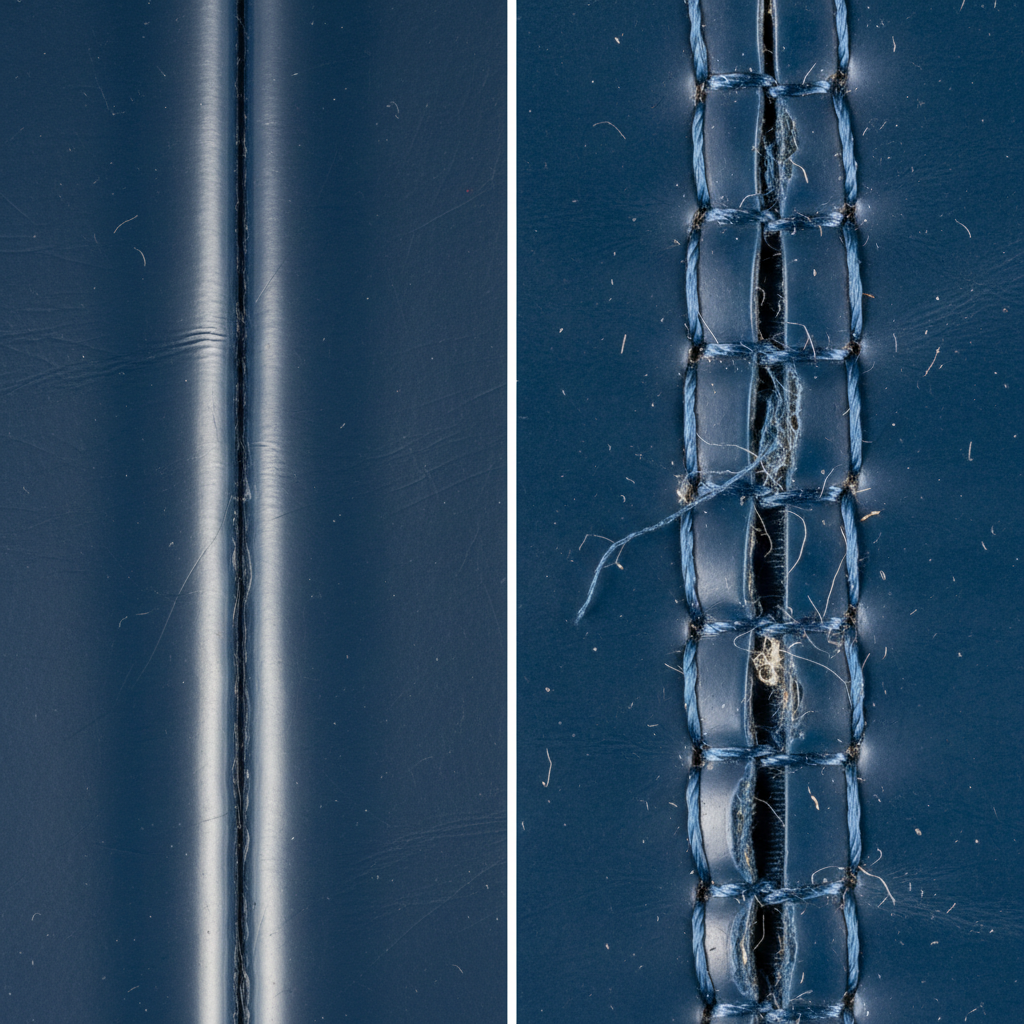
Practitioners frequently report that one of the most significant points of failure in dental chairs is the upholstery. Porous materials and stitched seams create microscopic havens for biofilm to develop. When disinfectants are applied, these crevices can trap moisture and chemical residues, leading to two problems:
- Ineffective Sterilization: Bacteria and viruses can survive within the seams, shielded from the disinfectant, creating a risk of cross-contamination between patients.
- Material Degradation: Trapped chemicals, particularly alcohol- and chlorine-based solutions, accelerate the breakdown of the upholstery. This results in cracking, discoloration, and a compromised surface that is even harder to clean.
I’ve seen chairs in high-traffic clinics develop spotting and wear within a year, not from poor cleaning practices, but because their stitched seams acted like sponges. The solution is to prioritize chairs with seamless or welded upholstery. These surfaces eliminate the physical pockets where biofilm and disinfectants can accumulate, ensuring a more effective and consistent cleaning process.
The Challenge of Chemical Disinfectants
Daily disinfection is non-negotiable, but it comes at a cost. The powerful chemicals required to neutralize pathogens are inherently harsh on materials. This is a crucial consideration that aligns with the quality management principles outlined in ISO 13485:2016, which mandates that devices perform safely throughout their expected lifecycle. A material that cannot withstand repeated chemical exposure is, by definition, a liability.
Before procurement, it is wise to validate upholstery materials with accelerated-contact testing. This involves simulating daily wipes with common clinic disinfectants over a period equivalent to 6-12 months of use. This simple test reveals how a material will truly perform, moving beyond manufacturer claims to real-world evidence. For more details on this, our guide on Maximizing Durability in Dental Chair Upholstery offers deeper insights.
Key Material Properties for Durability and Safety
Choosing the right materials involves a holistic assessment of the entire chair, from the upholstery that patients contact to the structural components hidden from view. Each part plays a role in the chair’s overall safety and service life.
Upholstery: The First Line of Defense
As discussed, the ideal upholstery is non-porous and seamless. Medical-grade vinyls and polyurethanes are common choices, but not all are created equal. Look for materials specifically rated for healthcare environments. These are engineered to resist staining from common dental materials and to withstand a wide spectrum of chemical disinfectants. An upholstery that combines these features offers a balance of comfort, hygiene, and durability, as explored in our article on Upholstery & Materials: Balancing Comfort and Durability.
Structural and Mechanical Components
The base, frame, and mechanical parts of a dental chair operate in a surprisingly hostile environment, often exposed to water, saline, and disinfectant overspray. Corrosion is a significant risk.
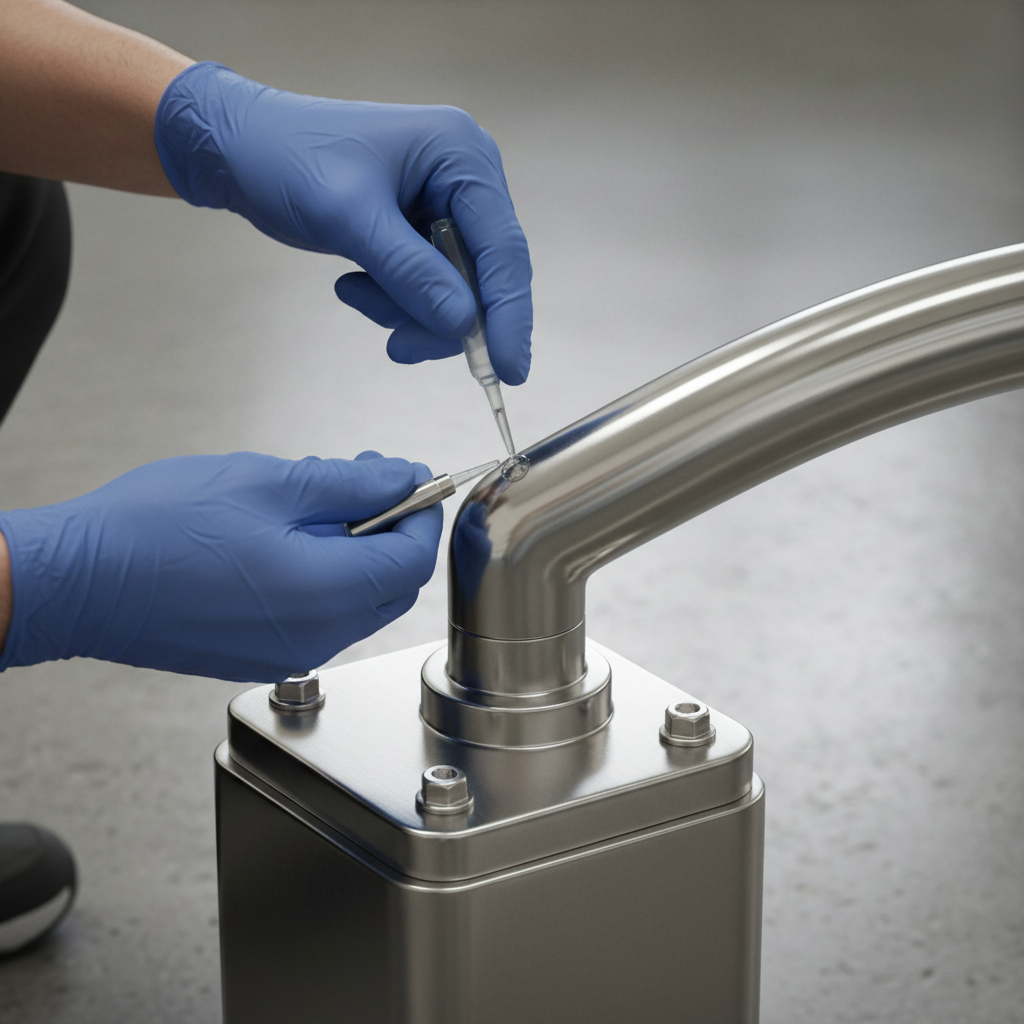
I have often seen maintenance issues arise from the use of inexpensive, zinc-plated fasteners and bearing housings in these wet zones. While they reduce the initial manufacturing cost, they are prone to pitting and corrosion within 12–24 months. This corrosion can seize moving parts, compromise structural integrity, and create yet another area where contaminants can hide. The superior choice is always stainless steel for fasteners and sealed bearing housings. These components resist rust and ensure smooth, reliable operation of actuators and hinges for years, aligning with the quality system regulations detailed in FDA 21 CFR Part 820.
A Practical Framework for Material Evaluation
To simplify the decision-making process, here is a comparative table and a checklist to use when evaluating a new dental chair.
Material Comparison: Upholstery
| Feature | Medical-Grade Vinyl/PU | Standard Upholstery |
|---|---|---|
| Disinfectant Resistance | High (Formulated for chemical exposure) | Low to Moderate (Prone to cracking/fading) |
| Seam Integrity | Excellent (Available in seamless/welded form) | Poor (Stitched seams trap biofilm) |
| Expected Lifespan | 5-10 years with proper care | 1-3 years in a clinical setting |
| Maintenance | Easy to wipe down, non-absorbent | Difficult to clean thoroughly |
Pre-Purchase Evaluation Checklist:
- [ ] Upholstery Surface: Is it completely non-porous and smooth?
- [ ] Seams: Are the seams welded or is the cover a seamless, one-piece design? Avoid stitching.
- [ ] Fasteners & Joints: Are fasteners in wet zones (base, cuspidor area) made of stainless steel?
- [ ] Bearings & Actuators: Are mechanical housings sealed to prevent moisture ingress?
- [ ] Component Modularity: Can high-wear parts like the upholstery or headrest be replaced independently?
- [ ] Manufacturer Validation: Does the manufacturer provide data on disinfectant compatibility and accelerated wear testing?
Debunking a Common Myth: Initial Cost vs. Total Cost of Ownership
A pervasive myth in equipment procurement is that a lower initial purchase price equates to a better investment. In the world of medical devices, this is rarely true. The total cost of ownership (TCO) provides a more accurate financial picture, and it is heavily influenced by material durability.
Consider this common scenario:
- Clinic A purchases a dental chair for 20% less than a premium model. The chair uses standard upholstery with stitched seams and zinc-plated fasteners. Within 18 months, the upholstery begins to crack, and a technician discovers corrosion on the chair’s lifting mechanism during an annual inspection. The clinic faces costs for replacement upholstery, labor, and two days of operational downtime. The total outlay quickly surpasses the initial savings.
- Clinic B invests in a chair with medical-grade, seamless upholstery and stainless-steel components. After five years, the chair shows minimal wear and has required no major repairs, only routine maintenance. The higher initial investment resulted in a lower TCO and uninterrupted service.
This principle underscores how chair durability impacts your clinic’s financial health, turning a capital expenditure into a predictable, long-term asset rather than an ongoing operational liability.
Wrapping Up: A Foundation of Safety
The materials science behind a dental chair is not a trivial detail; it is the foundation of its safety, durability, and long-term value. By prioritizing non-porous, seamless surfaces, corrosion-resistant components, and materials validated to withstand chemical disinfectants, a clinic can significantly enhance its infection control protocols and reduce operational costs.
Treat the selection of a dental chair as a critical investment in your practice’s safety and efficiency. Scrutinize the materials, demand performance data, and think in terms of total cost of ownership, not just the initial price tag. A well-built chair is a silent partner in providing safe and effective care for years to come.
Frequently Asked Questions (FAQ)
1. What is the most important material specification to look for in a dental chair?
Look for medical-grade, non-porous, and seamless upholstery. This is the most critical feature for infection control and long-term durability, as it prevents biofilm accumulation and withstands harsh disinfectants.
2. How often should a dental chair’s materials be inspected?
Upholstery and surfaces should be visually inspected daily during cleaning. A more thorough inspection of crevices, seams, and mechanical components should occur weekly. A full structural inspection, including checking fastener torque and actuator function, should be performed and documented annually by a qualified technician.
3. Are there alternatives to chlorine- or alcohol-based disinfectants that are less harsh on materials?
Yes, there are quaternary ammonium compound (Quat-based) disinfectants that can be effective and are often less damaging to surfaces. However, you must always verify that the chosen disinfectant is effective against relevant pathogens and is approved for use on your specific chair model by the manufacturer.
4. Can I get my existing dental chair reupholstered with better material?
Yes, many dental chairs are designed with modular components, allowing for the upholstery to be replaced. Opting for a seamless, medical-grade vinyl cover during reupholstery can be a cost-effective way to upgrade your chair’s safety and extend its life.
Disclaimer: This article is for informational purposes only and does not constitute professional medical or financial advice. Dental clinics should consult with infection control experts and qualified technicians to ensure their equipment and protocols meet all regulatory standards.
References
About the Author