Skip to content
 EN
EN  ZH
ZH 
The ROI of a Reliable Dental Sterilizer

The Hidden Engine of Clinic Profitability: Calculating Sterilizer ROI
A dental sterilizer, or autoclave, is a cornerstone of any practice, ensuring patient safety and regulatory compliance. However, viewing it solely as a mandatory expense is a critical oversight. A reliable, well-maintained sterilizer is an active contributor to your clinic’s efficiency, patient throughput, and ultimately, your bottom line. Moving beyond the initial purchase price to understand the Total Cost of Ownership (TCO) reveals the true financial impact of this essential device.
This article explores the key factors that determine the return on investment (ROI) for a dental sterilizer. We will analyze how uptime, operational efficiency, and proactive maintenance directly translate into financial gains and protect your clinic’s most valuable asset: its reputation.
1. Beyond the Sticker Price: Understanding Total Cost of Ownership
The initial capital expenditure for a sterilizer is only the beginning of the story. A comprehensive ROI analysis must account for all ongoing operational costs, which can vary significantly between models.
Key Operating Expenses
- Utilities: Energy and water consumption are daily costs. Modern, energy-efficient autoclaves can offer substantial savings over their lifespan compared to older, less optimized units.
- Consumables: This includes sterilization pouches, chemical indicators, biological indicators (spore tests), and cleaning solutions. The cost of these items adds up over time.
- Maintenance and Repairs: Scheduled preventative maintenance is a predictable cost. However, unexpected repairs due to component failure are not. A key mistake I often see is underestimating the cost of downtime. A single day of canceled appointments due to a failed sterilizer can easily surpass the annual cost of a service contract.
The True Cost of Downtime
Downtime doesn’t just mean a repair bill. It means a complete halt in your ability to treat patients. The cascading financial effects include:
- Lost Revenue: Canceled or rescheduled appointments represent direct revenue loss.
- Staff Inefficiency: Idle staff time is a significant operational cost. You are paying your team while a critical workflow bottleneck prevents them from performing their duties.
- Reputational Damage: Consistently rescheduling patients due to equipment failure can erode trust and damage your clinic’s reputation for reliability.
Prioritizing a sterilizer with a proven track record of reliability and predictable service intervals is one of the most effective ways to protect your clinic’s revenue stream.
2. The Uptime Advantage: How Reliability Maximizes Patient Throughput
In a busy dental practice, efficiency is paramount. The sterilization cycle is a critical control point in your instrument workflow. Any delay or failure here creates a bottleneck that impacts the entire clinic.
A common pitfall is underspecifying the autoclave’s capacity. As a rule of thumb, a clinic should calculate the instrument volume needed for its busiest day and select a sterilizer with 20-30% additional capacity. This buffer prevents the sterilization center from becoming a bottleneck when the schedule is full.
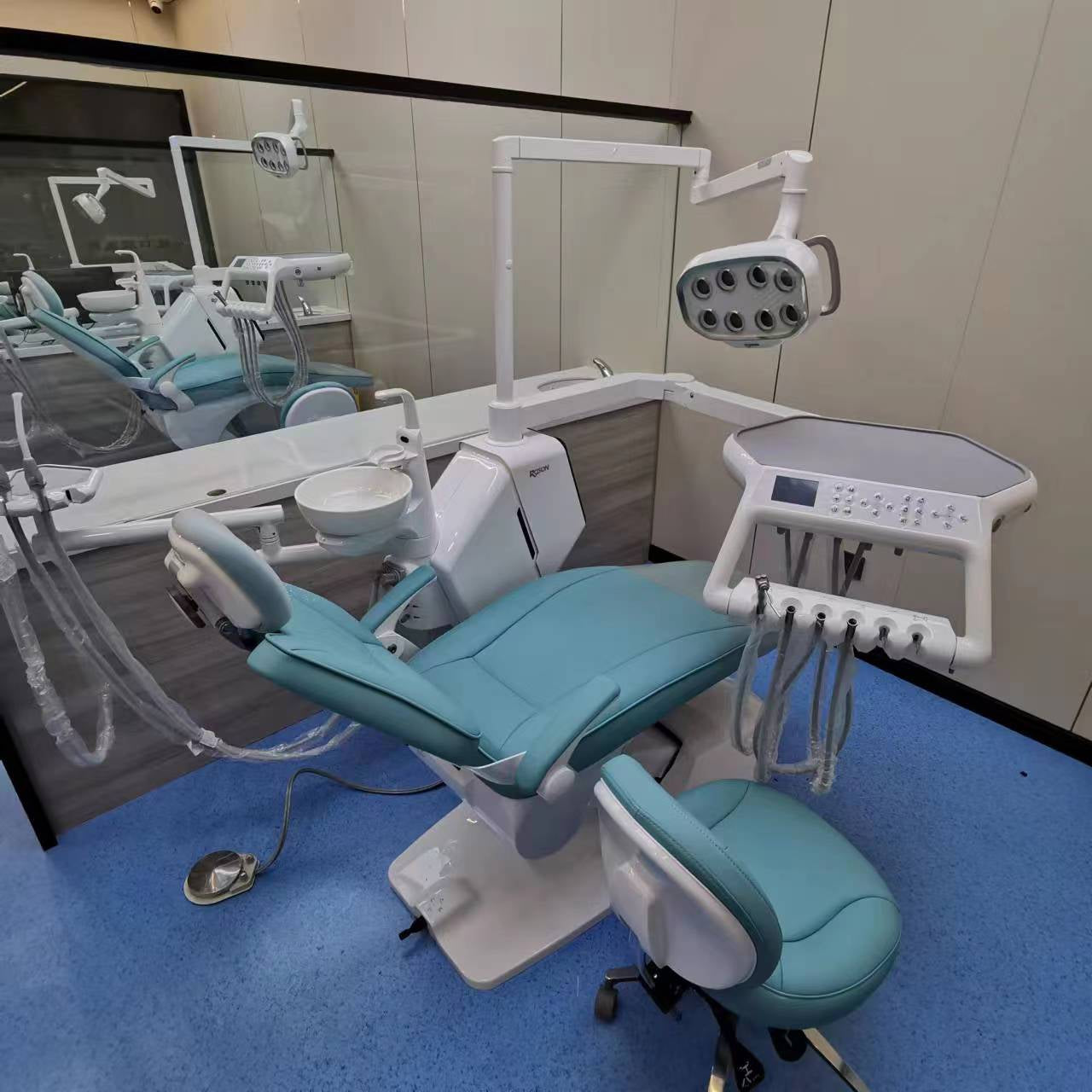
Furthermore, operational errors can drastically reduce effective throughput. I have seen many practices struggle with reprocessing cycles caused by poor instrument preparation. Loading trays that are wet, overpacked, or improperly arranged can lead to failed cycles. This effectively doubles the processing time for that load, wasting energy, time, and staff resources. A high-quality autoclave with intuitive controls and clear loading instructions can help minimize these user errors. For a deeper look at how this fits into the bigger picture, consider how an efficient sterilizer workflow integrates with your dental chair operations.
3. Sizing and Selection: Matching an Autoclave to Your Clinic’s Needs
Choosing the right sterilizer involves more than just capacity. It requires matching the technology to your clinic’s specific instrument and case mix to avoid inefficiency and costly rework. The two primary types of steam sterilizers are Class N and Class B.
- Class N (Gravity Displacement): These autoclaves are suitable for sterilizing simple, unwrapped solid instruments. They are generally faster and less expensive.
- Class B (Pre-Vacuum): These units use a vacuum pump to remove air from the chamber before steam is introduced. This allows for the sterilization of more complex instruments, including hollow items (like handpieces), porous materials (like surgical gowns), and wrapped instrument packs.
For a clinic that performs a high volume of surgical procedures or uses wrapped instrument cassettes, a Class B autoclave is essential. Using a Class N unit for these items can lead to incomplete sterilization, forcing reprocessing and compromising safety.
Checklist for Selecting a Dental Autoclave
| Feature | Consideration | Why It Matters |
|---|---|---|
| Capacity | Calculate peak-day instrument set volume + 20-30% buffer. | Prevents bottlenecks and ensures you can always meet patient demand. |
| Cycle Time | Evaluate total cycle time, including drying. | Faster, more efficient cycles increase instrument turnaround and clinic throughput. |
| Autoclave Class | Match Class B/N to your most common procedure types. | Ensures effective sterilization for all instrument types (solid, hollow, porous) and avoids rework. |
| Drying System | Vacuum-assisted or heated drying. | Proper drying is critical to maintaining sterility post-cycle and preventing instrument corrosion. |
| Usability | Intuitive interface, pre-programmed cycles, data logging. | Reduces operator error, simplifies compliance tracking, and saves staff time. |
| Manufacturer Support | Availability of technical support and service technicians. | Minimizes downtime in case of a fault and ensures the unit is serviced correctly. |
4. Proactive Maintenance: The Key to Longevity and Predictable ROI
The lifespan and reliability of an autoclave are directly tied to its maintenance regimen. Deferring maintenance to save money is a false economy that almost always results in more expensive emergency repairs and disruptive downtime.
A robust maintenance plan is an investment in uptime. Based on my experience in busy practices, an effective schedule includes:
- Daily: Visual inspection of the door gasket and chamber for debris. Cleaning the chamber according to manufacturer instructions.
- Weekly: Running a biological indicator (spore test) to verify sterilization efficacy. This is a critical step for compliance and patient safety.
- Annually (or per cycle count): Professional preventative maintenance service. This is when a technician inspects, calibrates, and replaces wear-and-tear components.
One of the most common failure points is the door gasket or chamber seal. These components degrade over time and with use. Budgeting for an annual inspection and replacement after a specified number of cycles is a small price to pay to prevent cycle failures and steam leaks. Maintaining a visible logbook for all tests and service calls is also crucial for both compliance and ensuring preventative service is not missed.
5. Compliance and Trust: The Foundational Value of Sterilization
Beyond the direct financial metrics, a reliable sterilization system is fundamental to building trust and ensuring regulatory compliance. Adherence to internationally recognized standards is a key indicator of a manufacturer’s commitment to quality and safety.
For instance, certification to ISO 13485:2016 demonstrates that the device was produced under a rigorous quality management system. Similarly, for clinics in Europe, ensuring a sterilizer complies with the EU’s Medical Device Regulation (MDR) is non-negotiable. These certifications are not just paperwork; they are your assurance that the equipment is designed and manufactured to the highest safety and performance standards, a critical factor in a market projected for steady growth according to data from resources like Statista.
Ultimately, every successfully sterilized instrument pack reinforces your clinic’s commitment to patient safety. This builds a foundation of trust that is priceless and essential for the long-term success of your practice.
Key Takeaways
Viewing your dental sterilizer as a strategic investment rather than a simple expense is crucial for optimizing your clinic’s financial health. The true ROI of an autoclave is measured not by its purchase price, but by its reliability, efficiency, and the uptime it guarantees.
By focusing on the Total Cost of Ownership, matching the autoclave’s specifications to your clinical needs, and committing to a proactive maintenance schedule, you can transform your sterilization center from a cost center into a powerful engine for profitability and patient trust.
Frequently Asked Questions (FAQ)
1. How often should we perform a biological indicator (spore) test on our autoclave?
While local regulations may vary, the common best practice in dentistry is to perform a spore test at least weekly. This verifies that the sterilizer is effectively killing highly resistant microorganisms. A logbook should be maintained of all test results.
2. What is the most common reason for a sterilization cycle to fail?
Aside from mechanical failure, operator error is a leading cause. This includes overloading the chamber, improperly wrapping or arranging packs, and loading wet instruments. Proper staff training is essential to minimize these preventable failures.
3. Can I use tap water in my dental sterilizer?
It is generally not recommended. Most autoclave manufacturers require the use of distilled or deionized water. Tap water contains minerals that can build up inside the sterilizer’s chamber and components, leading to damage, corrosion, and eventual malfunction.
About the Author