 EN
EN  ZH
ZH 
Affordable Lighting Upgrades for Your Dental Practice

Why Your Operatory Lighting Matters More Than You Think
Improving your clinic’s illumination doesn’t have to break the bank. Explore cost-effective LED lighting solutions that enhance visibility and reliability without a premium price tag. For years, I relied on older halogen lights, thinking “bright is bright enough.” I constantly battled eye strain by the end of the day and occasionally struggled with getting a perfect shade match on the first try. The switch to a modern LED system wasn’t just an upgrade; it was a fundamental improvement to my clinical workflow and diagnostic accuracy.
Beyond Simple Brightness: The Science of Clinical Illumination
Many clinicians select lighting based on lumen output, but this is a common and costly mistake. The key is to understand the metrics that directly impact clinical work. Effective illumination is a combination of intensity (lux), color accuracy (CRI), and color temperature (Kelvin).
- Intensity (Lux): While lumens measure the total light produced by a bulb, lux measures the intensity of light that actually falls on a specific surface. For dental procedures, we need a strong, focused beam on the tooth surface. I aim for an illuminance of 20,000 to 50,000 lux at a typical working distance of 40-60 cm. This level of brightness is crucial for identifying subtle caries, seeing fine margins, and reducing eye fatigue.
- Color Rendering Index (CRI): This scale, from 0 to 100, measures how accurately a light source reveals the true colors of an object. For dentistry, especially for shade matching, a high CRI is non-negotiable. A light with a low CRI can make a shade guide appear completely different from how the crown will look in natural daylight. I recommend choosing LEDs with a CRI of 90 or higher to ensure what you see in the chair is what the patient sees in the world.
- Color Temperature (Kelvin): Measured in Kelvin (K), color temperature describes the appearance of the light, from warm to cool. A warmer light can introduce a yellow bias, while a cooler light can add a blue tint. For accurate diagnostics and shade matching, a neutral white light in the 4,000–5,000 K range is the sweet spot. This range mimics natural daylight and prevents your perception of tooth color from being skewed.
The Hidden Costs of Poor Lighting
Subpar lighting isn’t just an inconvenience; it carries tangible costs that can impact your practice’s bottom line and your personal well-being. From a clinical perspective, poor visibility can lead to missed diagnoses and errors in restorative work, potentially requiring costly remakes. This not only affects profitability but also patient trust.
Furthermore, inadequate lighting is a significant ergonomic hazard. I used to experience persistent neck strain, which I mistakenly blamed on my chair. The real culprit was my old lighting, which forced me to lean in and contort my body to get a better view. Investing in proper lighting is a direct investment in your career longevity and daily comfort. For more on this, exploring how to achieve practitioner ergonomics on a clinic budget can provide a more holistic view of practice wellness.
A Practical Guide to Budget-Friendly LED Upgrades
Upgrading to high-quality LED lighting is one of the highest-impact investments you can make in your operatory. It enhances clinical precision, improves ergonomics, and signals a modern, professional standard of care to your patients. The good news is that you don’t need to opt for the most expensive models to achieve excellent results. By focusing on the right specifications, you can find a solution that fits your budget.

Choosing the Right LED: Key Specifications
When evaluating affordable LED options, it’s crucial to look past marketing claims and focus on the technical data. A light that looks good on paper might not perform well in a clinical setting. Here’s a breakdown of what to prioritize.
| Feature | Budget-Friendly Target | Ideal Performance Target |
|---|---|---|
| Illuminance (Lux) | ~20,000 lux @ 50 cm | 35,000 – 50,000 lux @ 50 cm |
| CRI | ≥90 | ≥95 |
| Color Temperature | 4,000 K – 5,000 K | 4,500 K – 5,500 K (with adjustability) |
| Beam Diameter | ~70 mm @ 50 cm | ~60-100 mm with soft edges |
| Shadow Reduction | Basic multi-reflector | Advanced multi-reflector head |
| Controls | Manual on/off, stepped dimming | Touchless sensor, continuous dimming |
| LED Lifespan | 25,000 – 30,000 hours | 40,000 – 50,000 hours |
One non-obvious tip I learned is to pay attention to the beam diameter and shadow control. A beam of around 60–100 mm at your working distance provides ample illumination without creating harsh shadows. Lights with multiple small LEDs or a multi-reflector head are superior at reducing shadows cast by your hands or instruments, which is a massive quality-of-life improvement during delicate procedures.
Retrofitting vs. Replacing: A Cost-Benefit Analysis
A common dilemma for clinic owners is whether to retrofit a new LED head onto an existing dental chair or replace the entire unit. My experience is that retrofitting chair-mounted LEDs often gives the best mix of cost, compatibility, and minimal workflow disruption.
- Retrofitting: This approach has the lowest upfront cost and can typically be completed with minimal downtime. It’s an excellent way to bring the benefits of modern LED technology to a reliable, older chair. The main risk is compatibility, so always confirm with the manufacturer that the new light head can be safely and securely mounted to your existing equipment.
- Full Replacement: While more expensive, a full replacement guarantees seamless integration and access to the latest features, such as touchless controls and perfect color fidelity during dimming. This path makes sense when the existing chair is nearing the end of its life or when you are looking to boost the overall ROI with integrated dental chair technology.
Installation and Compliance: Getting It Right
Proper installation is just as important as the light itself. A high-quality light installed incorrectly will deliver poor performance. Likewise, ensuring your equipment meets regulatory standards is essential for patient safety and legal compliance.
Common Installation Mistakes to Avoid
After helping several colleagues with their setups, I’ve seen a few common mistakes that are easy to avoid:
- Installing the Light Too High: Placing the light more than 70 cm from the oral cavity significantly reduces the effective lux reaching the treatment area and can worsen shadows. Always follow the manufacturer’s recommended height for your specific working distance.
- Mismatching Color Temperatures: If your new 5,000 K operatory light is in a room with warm, 3,000 K ambient lighting, your eyes will be constantly fighting to adapt. This clash compromises visual acuity. Aim to match your overhead room lighting to the neutral temperature of your task light.
- Ignoring the Beam Pattern: Before finalizing the installation, turn the light on and check the beam pattern at your typical working distance. Ensure it provides a clean, even circle of light without hot spots or dark patches.
Navigating Regulatory and Safety Standards
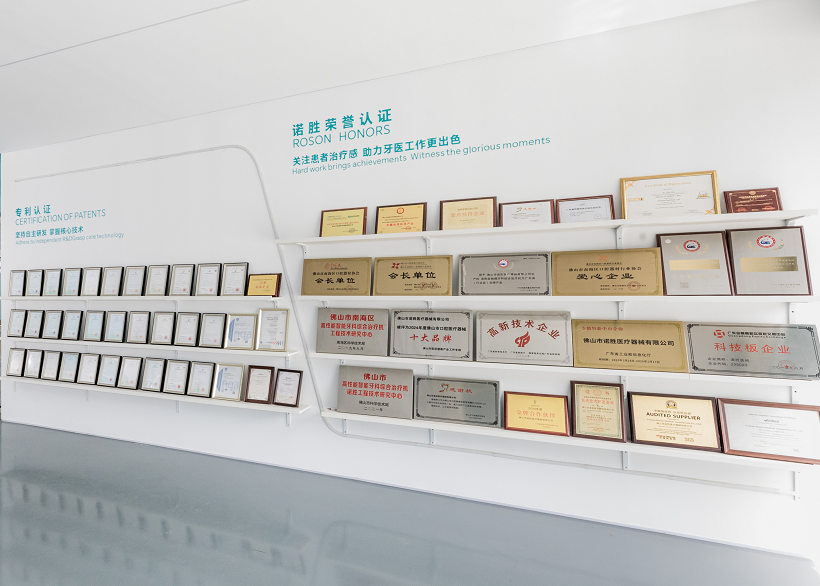
For equipment sold in regulated markets, compliance is not optional. Certifications demonstrate that a device has been tested to meet critical safety and performance requirements. When purchasing a new dental light, look for evidence of compliance with key standards.
For example, ISO 13485:2016 is an international standard that outlines the requirements for a quality management system for medical devices. It ensures the manufacturer has robust processes for design, production, and service. For sales in Europe, CE Marking is mandatory and signifies conformity with health, safety, and environmental protection standards. The EU Medical Device Regulation (MDR) further reinforces these requirements, demanding rigorous clinical evaluation and post-market surveillance. Adherence to these standards ensures the product you buy is not only effective but also safe and reliable.
Pro Tips for Long-Term Value and Maintenance
Choosing the right light is the first step. To maximize its lifespan and value, you need to consider its design from a maintenance and infection control perspective.
Expert Warning: The Lumen Myth
A common myth is that more lumens equal a better light. This is fundamentally incorrect for clinical task lighting. Lumens measure the total light output in all directions, much of which is wasted. Lux is the metric that matters, as it measures the light intensity delivered to the target area—the patient’s mouth. A well-engineered 1,000-lumen light with focused optics can easily outperform a poorly designed 2,000-lumen light by delivering more lux where it counts. Always prioritize lux at your working distance over total lumen claims.
Infection Control and Durability
In a clinical environment, every surface must be easily disinfected. Look for LED light heads with sealed housings and smooth, non-porous surfaces. Avoid designs with exposed screws, seams, or fans where contaminants can accumulate. Many modern lights also feature touchless sensors for on/off and intensity adjustments, which is a major plus for infection control.
From a durability standpoint, prioritize models with LED modules rated for 30,000 to 50,000 hours of use. This translates to years of service-free operation. Additionally, a modular design can be a long-term cost-saver, as it allows for the easy replacement of a single LED head or driver without having to replace the entire unit.
Wrapping Up: Key Takeaways for a Brighter Practice
Making a smart lighting upgrade is one of the most immediate and impactful improvements you can make to your dental practice. It enhances your diagnostic capabilities, reduces physical strain, and contributes to a safer, more professional environment for both you and your patients.
By moving beyond simplistic metrics like lumens and focusing on what truly matters—high lux on the target, a CRI of 90 or above, and a neutral 4,000-5,000 K color temperature—you can achieve premium performance on a sensible budget. Whether you choose to retrofit an existing chair or invest in a new integrated system, this focus on core clinical specifications will ensure you get the best possible return on your investment.
Frequently Asked Questions (FAQ)
What is the most important specification when choosing a dental light on a budget?
While lux and color temperature are vital, the most critical specification for diagnostic accuracy is the Color Rendering Index (CRI). A light with a CRI of 90 or higher is essential for accurate shade matching and tissue assessment.
Can I use a standard commercial LED light in my operatory?
No. Standard LEDs are not designed to meet the specific requirements of a dental operatory. They lack the necessary focused intensity (lux), high CRI, specific color temperature, and infection control features (sealed housings, non-porous surfaces) required for a clinical environment.
How long should a good quality dental LED last?
Look for LED modules rated for 30,000 to 50,000 hours. For a typical dental practice, this can translate to over 10-15 years of use, making it a very durable and low-maintenance investment.
Disclaimer: This article is for informational purposes only and does not constitute professional medical or financial advice. The technical specifications provided are general guidelines. Always consult with equipment manufacturers and a qualified technician to ensure compatibility and compliance with local regulations. It is essential to choose equipment that meets the specific needs and standards of your practice.
References
About the Author