Skip to content
 EN
EN  ZH
ZH 
How Delivery System Design Aids in Infection Control

The Foundation of Infection Control: Surface Design and Material Science
In a dental environment, every surface presents a potential for pathogen transmission. The design and material composition of a dental delivery system are the first line of defense against cross-contamination. A well-designed unit facilitates quick, effective, and error-proof cleaning, which is fundamental to maintaining a safe clinical environment for both patients and practitioners.
Smooth, Seamless Surfaces for Effortless Cleaning
One of the most significant yet subtle design features impacting infection control is the topography of the equipment surfaces. I have seen firsthand in numerous clinics that units with seams, gaps around buttons, and textured handles are notoriously difficult to clean. These areas inevitably harbor biofilm and organic debris, which can compromise disinfection efforts. A common mistake is overlooking these small areas, which can lead to human error in the cleaning process.
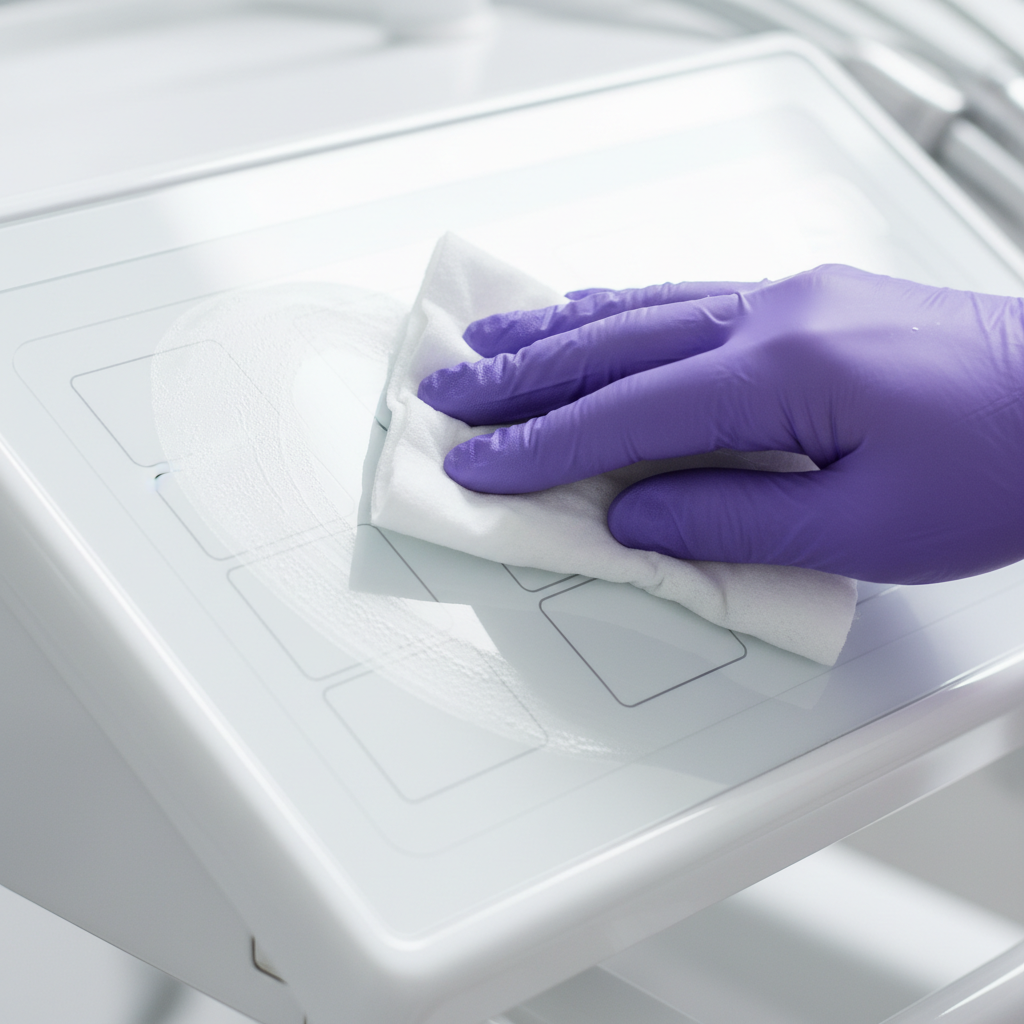
Modern delivery systems prioritize smooth, continuous surfaces and membrane-style keypads. These designs eliminate the crevices where pathogens can hide, allowing for a simple wipe-down to be far more effective. This reduces the time required to disinfect a unit between patients—a critical factor in high-volume clinics—and increases the reliability of the cleaning protocol. The goal is to make the correct procedure the easiest one to follow.
Material Durability and Chemical Compatibility
A common misconception in dental practices is that any hospital-grade disinfectant is suitable for all surfaces. This is a critical oversight. The polymers and upholstery used in a dental chair and delivery system must be compatible with the specific chemical agents used for cleaning. Using an incompatible disinfectant can cause materials to degrade, leading to discoloration, brittleness, and the formation of micro-crevices. These tiny cracks become new, microscopic reservoirs for pathogens that are impossible to clean.
Manufacturers of quality dental equipment conduct rigorous testing to ensure their products can withstand repeated exposure to a range of approved disinfectants. This is a core component of adhering to quality management standards like ISO 13485:2016 – Quality Management Systems, which mandates that medical devices are designed for safety and performance throughout their lifecycle. Always consult the manufacturer’s instructions for a list of compatible cleaning agents to preserve the integrity of your equipment and ensure effective disinfection.
Waterline Integrity: Preventing Biofilm and Cross-Contamination
The internal network of a dental delivery system—its dental unit waterlines (DUWLs)—presents a unique and significant infection control challenge. The narrow, dark, and moist environment of the tubing is a perfect breeding ground for opportunistic microorganisms to form a resilient biofilm.
The Hidden Risk of Dental Unit Waterlines
Biofilm is a complex community of bacteria, fungi, and other microorganisms that adhere to surfaces and are encased in a slimy protective layer. This layer makes them highly resistant to conventional disinfectants. If not properly managed, water sprayed from handpieces or syringes can become contaminated, posing a risk to patients, particularly during surgical procedures. Regulatory bodies recognize this risk; the FDA 21 CFR Part 820 regulations require that medical devices can be adequately cleaned, and this implicitly includes the internal waterlines.
Design Features for Proactive Waterline Maintenance
Leading delivery system designs incorporate features specifically to simplify and automate waterline maintenance, moving it from a reactive task to a proactive protocol.
-
Anti-Retraction Valves: These are one of the most critical safety components in a delivery system. Located in handpiece couplers and syringe attachments, these one-way valves are designed to prevent the backflow of fluid and oral debris from a patient’s mouth into the waterlines. However, these valves can fail or degrade over time. A mistake I often see is clinics neglecting to inspect them. A monthly check for proper one-way function is essential, and any valve showing signs of backflow must be replaced immediately.
-
Integrated Disinfection Systems: Many modern units feature integrated systems that allow for the automated flushing of waterlines or the introduction of a chemical disinfecting agent. This removes the guesswork and human error from the process. Some systems allow for a continuous low-level treatment, while others facilitate a periodic “shock” treatment to eliminate established biofilm. These are among the key tech in dental chairs for better patient care that directly enhance safety.
-
Effective Tubing Management: The physical layout of the tubing itself plays a role. I’ve noticed that coiled or kinked tubing can trap stagnant water, promoting biofilm growth. A well-designed system will use the shortest practical tubing lengths with gentle curves. A good rule of thumb is to maintain a minimum bend radius greater than the tubing’s outer diameter and to physically separate suction and air lines from potable water lines to reduce any risk of cross-contamination.
How Delivery System Layout Impacts Hygiene and Workflow
The physical configuration of the delivery system—whether it’s positioned over the patient, to the side, or at the rear of the chair—has a direct impact on both ergonomics and infection control. The choice of layout should be a deliberate one based on the clinic’s workflow and hygiene priorities.
Comparing Delivery System Configurations
There is no single “best” configuration; each involves trade-offs between accessibility, ergonomics, and ease of cleaning.
| Delivery System Type | Infection Control Pros | Infection Control Cons |
|---|---|---|
| Over-the-Patient | Instruments are easily accessible to the operator, reducing movement. | Instruments are directly over the patient, creating a risk of dropping items and potential for aerosol contamination of the control head. Can be an obstacle to cleaning. |
| Side-Delivery | Keeps instruments out of the patient’s immediate view and away from the primary aerosol zone. Easier to clean around the chair. | Often requires the operator to twist or reach to retrieve instruments, potentially increasing contact with other surfaces. |
| Rear-Delivery | Instruments are completely out of the operator’s path and patient’s view, creating a clean, open environment. Minimizes clutter. | Typically requires four-handed dentistry, as an assistant is needed to pass instruments. Can lead to more cross-traffic behind the chair. |
A key insight from high-volume clinics is that side- or rear-delivery systems are often preferred. By keeping instruments out of the operator’s immediate reflex zone, they reduce the chance of accidental contamination of sleeves or instruments during patient interactions.
The Importance of Hands-Free Controls
Every time a practitioner touches a control panel with contaminated gloves, it creates a vector for cross-contamination. The integration of hands-free controls, such as a foot pedal or rheostat for activating handpieces and adjusting the chair, is a simple but powerful infection control feature. This design choice drastically reduces the number of touchpoints during a procedure, directly aligning with the risk-reduction principles outlined in regulations like the EU Medical Device Regulation (MDR), which governs how devices are sold and monitored in the European market.
A Practical Framework for Maintenance and Compliance
Even the best-designed delivery system is only as safe as the maintenance protocols that support it. Documenting these routine tasks is not just good practice—it’s essential for demonstrating compliance during any potential audits.
Pro Tip: Establish a Routine Maintenance Schedule
Based on my experience with numerous infection control programs, a structured and documented maintenance schedule is the key to preventing issues before they start. Adhering to a simple checklist removes ambiguity and ensures consistency.
Here is a sample framework that can be adapted to your clinic’s specific equipment and patient volume:
| Frequency | Task | Purpose |
|---|---|---|
| Start of Day | Perform a 2-minute flush of all waterlines. | Clears any stagnant water that has been sitting overnight. |
| Between Patients | Perform a 20–30 second flush of any instrument used. | Removes any potential contaminants introduced during the previous procedure. |
| End of Day | Wipe down all surfaces with a compatible disinfectant. Flush suction lines with cleaning solution. | Prepares the unit for overnight and prevents debris from solidifying in suction lines. |
| Weekly | Inspect and clean solid waste collectors/filters. | Ensures proper suction performance and removes a major source of contamination. |
| Monthly | Inspect all anti-retraction valves for proper one-way function. | A critical check to prevent backflow and cross-contamination. Replace if faulty. |
| Every 3-6 Months | Perform a deep chemical disinfection (shock treatment) of waterlines. | Eradicates biofilm that may have developed despite regular flushing. |
The Value of a Consumable Spare Parts Kit
An often-overlooked aspect of operational readiness is having a maintenance kit on hand. Waiting for a replacement O-ring, valve, or quick-disconnect fitting to arrive can lead to significant and costly downtime for an operatory. I always advise clinic managers to work with their equipment supplier to assemble a small kit of essential consumables. This small investment is a core part of cost-effective dental chair integration strategies and ensures that a minor failure doesn’t disrupt your practice.
Wrapping Up: Key Takeaways for a Safer Practice
Integrating infection control directly into the design of a dental delivery system is no longer an optional luxury—it is a requirement for modern patient care. By prioritizing smart design, clinics can create a safer environment, improve efficiency, and build patient trust.
To summarize the key points:
- Prioritize Surface Integrity: Choose systems with smooth, seamless, and chemical-resistant surfaces to make cleaning fast and effective.
- Master Your Waterlines: Understand that DUWLs are a critical risk area. Use anti-retraction valves and adhere to a strict, documented flushing and disinfection protocol.
- Let Workflow Guide Your Layout: Select a delivery system configuration (rear, side, or over-the-patient) that best fits your practice’s hygiene and ergonomic needs.
- Make Maintenance Non-Negotiable: A well-designed system requires consistent maintenance. A documented routine is your best defense against contamination and compliance issues.
Ultimately, a delivery system that is easy to clean and maintain is one that will be cleaned and maintained correctly. Investing in equipment designed with infection control in mind is a direct investment in the long-term health and reputation of your practice.
Disclaimer: This article is for informational purposes only and does not constitute professional medical advice or a substitute for professional training. Dental professionals should always adhere to the guidelines provided by regulatory bodies such as the CDC and ADA, as well as the specific instructions for use provided by equipment manufacturers. Consult a qualified infection control expert for guidance tailored to your practice.
References
- International Organization for Standardization (ISO): ISO 13485:2016 – Medical devices — Quality management systems
- U.S. Food & Drug Administration (FDA): 21 CFR Part 820 – Quality System Regulation
- European Commission: EU Medical Device Regulation (MDR)
About the Author