Skip to content
 EN
EN  ZH
ZH 
The Hidden Costs of Neglecting Compressor Maintenance

The True Cost of a Shortcut: Why Deferring Compressor Maintenance is a Financial Mistake
Skipping routine maintenance on your dental air compressor can cost far more than the price of a service call or a few replacement parts. This article breaks down the hidden financial impact of neglect, from silently inflating energy consumption to catastrophic failures that bring your practice to a standstill. We will demonstrate how a structured, preventative care strategy is not an expense, but one of the smartest business decisions you can make for your clinic’s long-term health and profitability.
The air compressor is the heart of your practice, powering the handpieces and equipment essential for patient care. When it falters, the consequences ripple across your entire operation, affecting everything from your utility bills to your professional reputation.
1. The Silent Financial Drain: Increased Energy Consumption
One of the most immediate yet overlooked costs of poor compressor maintenance is a significant rise in energy usage. A compressor is a high-demand piece of equipment, and when it isn’t running efficiently, it works harder and longer to meet the required air pressure, directly impacting your electricity bill.
Two common culprits I consistently see in the field are neglected intake filters and undetected air leaks.
- Fouled Intakes and Blocked Coolers: A dirty or clogged intake filter starves the compressor of air, forcing the motor to run harder and consume more power to achieve the target operating pressure, typically between 6.0–7.0 bar (87–101 psi). This strain can increase the motor’s energy load by a staggering 5–15%.
- System Leaks and Dryer Inefficiency: Small, seemingly insignificant leaks in hoses, fittings, or seals, combined with a poorly maintained air dryer, create a constant, wasteful demand for compressed air. This can inflate your clinic’s total compressed air demand by 10–30%, meaning the compressor runs more frequently simply to compensate for the loss.
These percentages are not just abstract numbers; they translate into real financial losses month after month.
2. The High Price of Downtime: Lost Revenue and Reputation
While increased energy costs are a slow drain, an unexpected compressor failure creates an immediate financial crisis. When your compressor stops, so does your ability to treat patients. Every hour of downtime corresponds directly to lost production and revenue.
Let’s quantify this with a practical formula:
Annual Cost of Neglect = (Energy Uplift) + (Downtime Cost) + (Major Repair Risk)
Consider this real-world scenario for a single day of downtime:
- Baseline Annual Energy Cost: $2,500
- Energy Uplift (15% from neglect): $375
- Downtime Hours: 8 hours (one full day)
- Revenue Loss Per Hour: $500 (a conservative estimate for a single operatory)
- Probability of Major Failure: 20%
- Average Major Repair Cost: $3,500
Using these figures, the annual cost of neglect is:
($2,500 * 0.15) + (8 * $500) + (0.20 * $3,500) = $375 + $4,000 + $700 = $5,075
This single day of failure costs over $5,000 in direct losses and increased expenses, not including the secondary costs of rescheduling frustrated patients, paying staff for idle time, and the potential damage to your clinic’s reputation for reliability. As market analysis from sources like Frost & Sullivan indicates, operational efficiency is a key differentiator in a competitive dental market. Unplanned downtime directly undermines this.
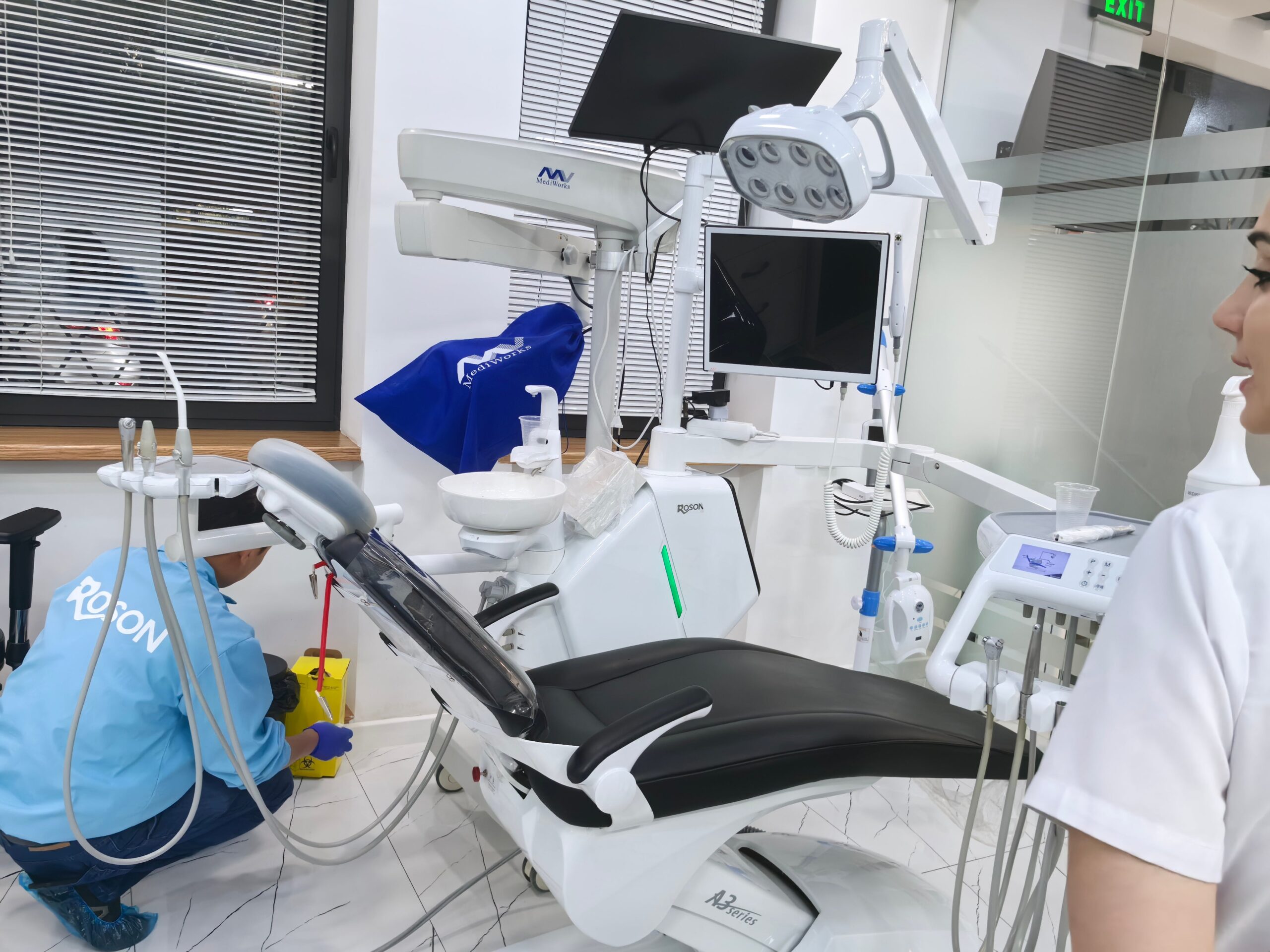
3. From Minor Oversight to Major Failure: The Compounding Cost of Deferral
A common misconception I encounter is that deferring the replacement of small, inexpensive parts is a good way to save money. In reality, this is a dangerous gamble that often leads to catastrophic, system-wide failures.
An oil-lubricated compressor’s piston and a simple intake filter serve as perfect examples. A worn-out piston ring, if ignored, can lead to oil blow-by, contaminating the compressed air and potentially damaging sensitive handpieces. A clogged filter not only raises energy costs but can also cause the compressor motor to overheat, leading to premature burnout and a multi-thousand-dollar replacement.
This principle of proactive care extends beyond just the compressor. The logic is identical to that of your most critical patient-facing equipment. As we’ve detailed in our guide on Calculating the ROI of Dental Chair Preventative Care, the small, consistent investment in maintenance always yields a higher return than waiting for a major breakdown.
4. An Actionable Framework for Proactive Compressor Maintenance
Shifting from a reactive to a proactive maintenance culture protects your investment and your revenue. It starts with a simple, repeatable schedule based on equipment run-hours and manufacturer recommendations, not just visual checks.
Expert Warning: The two biggest maintenance gaps in busy dental practices are inconsistent condensate management and ignoring air-dryer health. Moisture is the enemy of your pneumatic systems. Ensure the compressed-air dew point remains below approximately 3°C to prevent water from forming in handpieces and air lines.
Here is a proven checklist based on field service experience:
| Frequency | Task | Why It Matters |
|---|---|---|
| Daily | Check and drain the condensate collector. | Prevents moisture from entering the air lines, protecting handpieces from corrosion. |
| Monthly | Replace the compressor intake filter. | Ensures maximum airflow and efficiency, reducing motor strain and energy costs. |
| Every 3-6 Months | Change compressor oil (on lubricated units). | Maintains proper lubrication, reduces wear on moving parts, and prevents overheating. |
| Every 6 Months | Inspect belts for tension and wear; check bearings. | Prevents belt slippage or failure, which can cause sudden and complete shutdowns. |
| Every 6-12 Months | Replace the air dryer desiccant cartridge. | Guarantees dry, clean air, which is critical for patient safety and equipment longevity. |
Furthermore, maintaining a small inventory of critical spares is essential. A good rule of thumb is to stock consumables (filters, cartridges, belts) to cover at least 1.5 times the supplier’s typical lead time. Keeping one spare pressure regulator or solenoid can turn a week of downtime into a one-hour fix.
5. Upholding Compliance and Patient Safety
Finally, rigorous equipment maintenance is a cornerstone of regulatory compliance and patient safety. Well-maintained compressors deliver clean, dry, and uncontaminated air, which is critical for clinical procedures. Regulatory bodies and quality management systems, such as those outlined in ISO 13485:2016 and FDA 21 CFR Part 820, place a strong emphasis on equipment control and maintenance. A detailed maintenance log is not just good practice; it’s a crucial part of your compliance documentation, demonstrating a commitment to quality and safety.
Key Takeaways
Treating your dental air compressor as a strategic asset rather than a utility is fundamental to running a profitable and reliable practice. The costs of neglect are not hypothetical; they are real, measurable, and largely avoidable.
- Proactive maintenance is an investment, not an expense. The cost of routine service is minuscule compared to the financial impact of downtime and emergency repairs.
- Energy efficiency is tied to equipment health. A well-maintained compressor uses significantly less electricity, lowering your overhead every month.
- Reliability builds reputation. Consistent, predictable performance ensures you can deliver patient care without interruption, strengthening trust in your practice.
By implementing a simple, consistent maintenance schedule, you protect your equipment, your finances, and your peace of mind.
Disclaimer: This article is for informational purposes only and does not constitute professional technical advice. Always consult the manufacturer’s guidelines and a qualified service technician for your specific equipment.
About the Author