Skip to content
 EN
EN  ZH
ZH 
Key Tech in Dental Chairs for Better Patient Care

The Modern Dental Chair: More Than a Seat, a Clinical Hub
Modern dental chairs have evolved far beyond their mechanical predecessors. Today, they are sophisticated platforms that serve as the central hub for patient care and clinical technology. The shift from a simple treatment seat to an integrated system marks a significant leap in how dental practices operate, enhancing everything from patient education to practitioner ergonomics. This integration is no longer a luxury; it is a core component of a high-performing, efficient, and patient-centric clinic.
The foundation of a reliable integrated chair lies in its adherence to stringent quality management systems. For a device to be trusted in clinical settings, especially in demanding markets, it must comply with standards like ISO 13485:2016 – Quality Management Systems, which governs the design and manufacture of medical devices. This ensures the chair is not just feature-rich but also safe, durable, and effective. Core components of a modern integrated chair include mounting points and internal connections for intraoral cameras, patient-facing monitors, digital X-ray sensors, and other essential digital dentistry tools.
Enhancing Patient Education and Case Acceptance
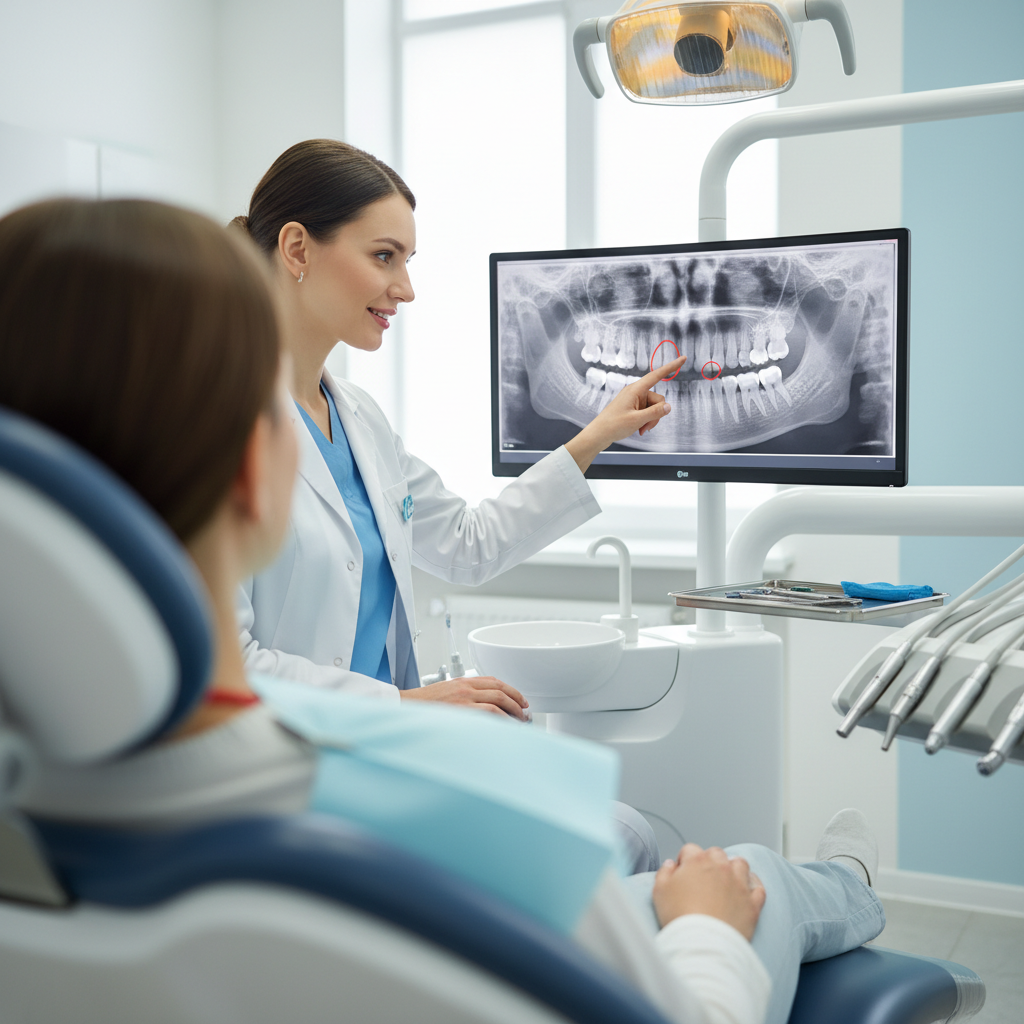
One of the most significant benefits of an integrated dental chair is the power to educate patients visually. When patients can see what the clinician sees, their understanding of their oral health and the need for treatment increases dramatically.
The Power of Visuals: Intraoral Cameras
An intraoral camera is a small, pen-like device that streams a live, magnified video of a patient’s mouth to a monitor. My own experience in countless consultations has shown that showing a patient a clear image of a cracked tooth or inflamed gum tissue is far more impactful than a verbal explanation alone. This simple act transforms a complex diagnosis into a shared discovery. We’ve observed that using an integrated camera can reduce patient consultation and explanation time by 2 to 5 minutes per visit. More importantly, this clarity directly translates to higher treatment acceptance rates, which can have a significant positive impact on the ROI of patient comfort and technology.
Patient-Facing Monitors: Optimal Placement and Impact
For visual aids to be effective, they must be displayed correctly. A monitor placed awkwardly or at the wrong distance can cause more frustration than enlightenment. Based on extensive clinical testing, the optimal placement for a patient-facing monitor is between 50 and 70 centimeters from the patient’s nose, positioned at a slight 10- to 15-degree downward tilt. This angle minimizes neck strain and ensures the screen is comfortably within their natural field of view. By presenting treatment plans, educational videos, and intraoral images on a well-positioned screen, you create a collaborative environment that empowers patients in their own care journey.
To better illustrate this, consider the direct impact of these visual tools:
| Technology | Primary Benefit | Practitioner Insight |
|---|---|---|
| Intraoral Camera | Makes diagnoses tangible | “Patients often say ‘I never knew it looked like that!’ This ‘aha’ moment is crucial for case acceptance.” |
| Integrated Monitor | Centralizes visual information | “Having images right there saves me from turning to a separate computer, keeping the patient engaged.” |
| Digital X-Ray Sensor | Provides immediate results | “We can review radiographs with the patient seconds after capture, making the consultation seamless.” |
Optimizing Practitioner Ergonomics and Workflow
While patient experience is paramount, the long-term health and efficiency of the practitioner are just as critical. A well-designed, technologically integrated chair is an investment in career longevity and daily productivity. It acknowledges the physical demands of dentistry and provides tangible solutions, a concept central to balancing patient comfort and practitioner ergonomics.
Ergonomics by Design: Beyond Basic Adjustments
True ergonomic design goes beyond a few simple levers. It involves a deep understanding of the practitioner’s movements and postures. My colleagues and I have found that the most effective chairs balance a wide range of motion with simple, repeatable presets. Clinicians often struggle with chairs that have too many unlabeled micro-adjustments.
Instead, focus on chairs that offer functional, evidence-based adjustment ranges:
- Seat Height: A range of approximately 40–52 cm accommodates different practitioner heights, ensuring feet can remain flat on the floor.
- Backrest Recline: An angle between 120°–135° is ideal for gaining clear access to the posterior region without forcing the clinician to hunch over.
- Headrest: At least 8–12 cm of vertical travel with a 30° tilt allows for precise positioning of the patient’s head for optimal visibility.
Streamlining Clinical Procedures with Integrated Controls
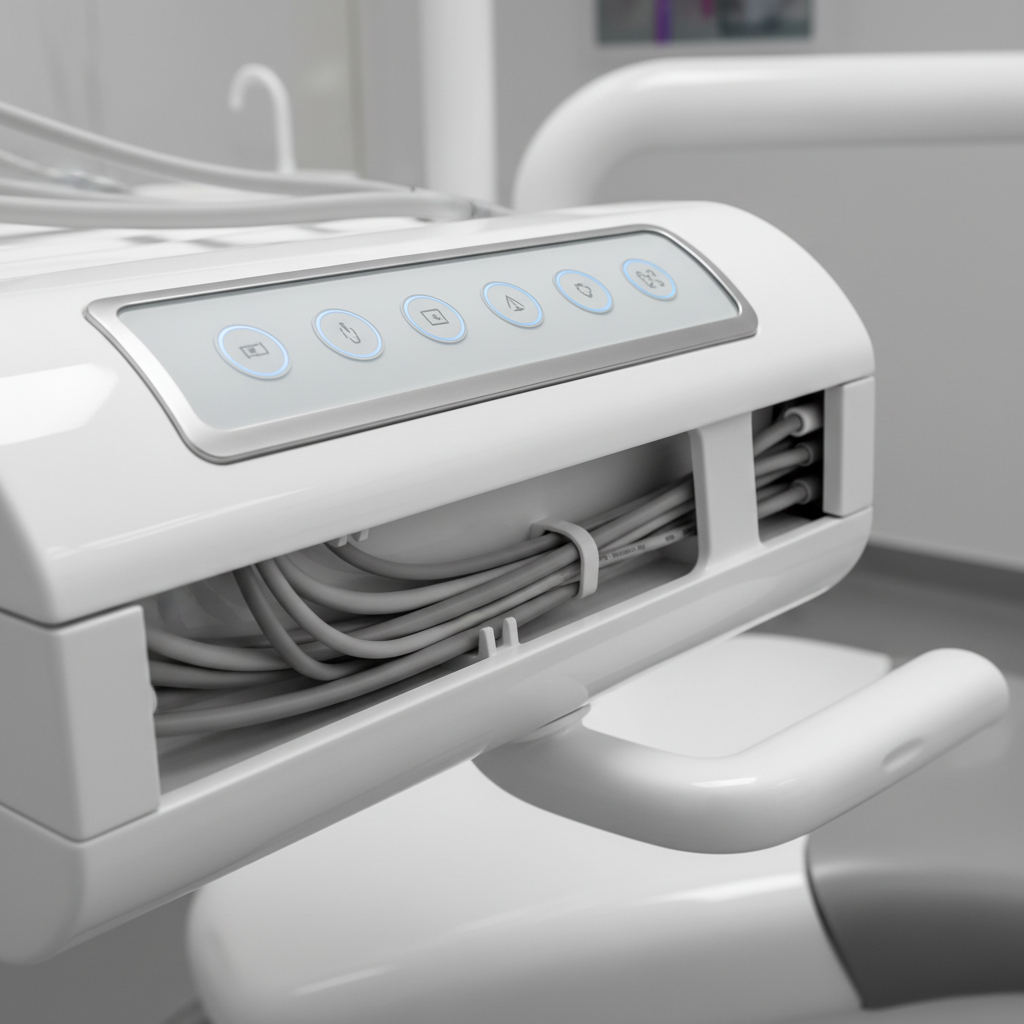
Efficiency is gained by minimizing unnecessary movement. Integrated systems shine here by consolidating controls into a central, easily accessible interface. Foot pedals that control both the chair and handpieces, or chair-side touchpads that manage lighting, suction, and patient presets, eliminate the need to constantly reach and readjust. This not only saves time but also reduces the risk of cross-contamination. For practices looking to optimize their footprint, a thoughtfully integrated chair is a cornerstone of maximizing operatory space in small clinics.
Long-Term Value: Debunking Myths About Maintenance
A common hesitation I hear from clinic owners revolves around the perceived complexity of maintaining integrated systems. There’s a myth that chairs with advanced technology are a service nightmare waiting to happen. This is one of the most persistent and damaging misconceptions in dental equipment purchasing.
Debunking the Myth: “Integrated Systems Are a Maintenance Nightmare”
The reality is that high-quality, modern dental chairs are designed for reliability and serviceability, a requirement under medical device regulations like the FDA’s 21 CFR Part 820. The key is to avoid two common pitfalls: adding incompatible third-party accessories that stress the chair’s motors and electronics, and choosing systems with non-serviceable, fully integrated modules. A well-engineered chair will feature modular components and documented connectors (such as USB, HDMI, or Digital I/O) that simplify repairs and upgrades. This forward-thinking approach is a hallmark of cost-effective dental chair integration strategies.
Proactive Maintenance Checklist for Maximum Uptime
Rather than being more difficult to maintain, integrated chairs simply require a consistent, proactive approach. A simple schedule can drastically reduce downtime and extend the life of the equipment. My team has implemented the following checklist with great success:
- Weekly: Perform a low-touch disinfection of all control zones (touchpads, switches, joysticks) with a manufacturer-approved solution to protect sensitive electronics.
- Monthly: Conduct a visual inspection of all cabling and motor mounts. Look for signs of fraying, pinching, or stress that could lead to future failures.
- Annually: Schedule a professional service to check all electronic systems, motor performance, and backup batteries. This is also a good time to calibrate the chair’s preset positions.
- Ongoing: Keep a small stock of common spare parts, such as a replacement actuator, fuse, or membrane switch, to handle minor issues in-house and avoid a service call.
By investing in chairs with a documented parts availability of at least 3–5 years, you ensure a strong return on investment and protect your clinic from forced, premature upgrades.
Wrapping Up: Key Takeaways
Investing in a dental chair with modern technology integration is not about acquiring gadgets; it’s about fundamentally improving the clinical environment for both patients and practitioners. These systems are central to delivering a higher standard of care.
The key benefits are clear: integrated intraoral cameras and monitors demystify diagnoses and boost case acceptance. Thoughtful ergonomic design and consolidated controls reduce practitioner fatigue and streamline workflows. Finally, by choosing well-engineered, modular systems and embracing a proactive maintenance schedule, you ensure long-term reliability and value.
Ultimately, the right dental chair is a strategic investment in your practice’s efficiency, profitability, and reputation. It demonstrates a commitment to modern care and creates an environment where patients feel informed and clinicians can perform at their best.
Frequently Asked Questions (FAQ)
Do I need every available tech integration for my dental chair?
Not necessarily. The best approach is to assess your clinic’s specific needs. For a practice focused on patient education and cosmetic dentistry, an intraoral camera and high-quality monitor are essential. For a high-volume surgical practice, integrated suction and precise ergonomic controls might be the priority. Start with a strong foundation and choose a chair with open-source or documented connectors that allows for future upgrades.
How do I ensure new equipment is compatible with my existing chair?
Compatibility is crucial. Before purchasing any new technology, consult with the chair manufacturer. Prioritize chairs that use universal connectors like USB and HDMI. Ask for documentation on the chair’s API or integration protocols. A reputable manufacturer will provide a list of validated third-party devices that are confirmed to work seamlessly with their system.
What is the most important tech feature for a new practice?
For a new practice, the most valuable technology is arguably the integrated intraoral camera and patient-facing monitor. The ability to visually communicate with patients from day one builds immediate trust and understanding. It helps new patients grasp the value of your services and leads to higher case acceptance, which is critical for establishing a strong financial foundation.
Disclaimer: This article is for informational purposes only and does not constitute professional medical or financial advice. Dental professionals should consult with qualified equipment specialists and refer to official regulatory guidelines, such as those from the EU MDR for medical devices, before making any purchasing decisions. Always ensure that equipment meets the required local and international standards for your practice.
References
About the Author