 EN
EN  ZH
ZH 
Balancing Affordability and Durability in Dental Chairs

Making a smart investment means not having to choose between price and performance. Learn how to evaluate dental chairs that offer both long-term durability and an affordable initial cost, ensuring you get the best value.
Beyond the Sticker Price: Understanding Total Cost of Ownership
When equipping a dental clinic, the initial purchase price of a dental chair is often the most scrutinized figure. However, a decision based solely on this number can be misleading. The true financial impact of your equipment is its Total Cost of Ownership (TCO), a framework that accounts for all expenses incurred throughout the asset’s lifespan. Experienced practitioners know the largest hidden cost is not the purchase price, but the revenue lost from operational downtime.
One of the most common mistakes is buying a chair on its upfront price alone. A cheaper unit might save you money today, but it can cost you multiples of that amount in future repairs, maintenance, and lost chair-hours. A single hour of downtime can mean hundreds of dollars in lost revenue, quickly erasing any initial savings.
Calculating Your Real Investment
To make an informed decision, you need a practical way to compare different options. A reliable heuristic for estimating the TCO is:
Replacement-Cost-Per-Year = (Purchase Price / Expected Lifespan in Years) + Annual Maintenance Cost + Estimated Annual Downtime Cost
Let’s break this down with a realistic scenario comparing two chairs. Assume a mid-range chair has a typical lifespan of 8–12 years and annual maintenance costs run about 3–6% of the initial price.
| Metric | Chair A (Lower Upfront Cost) | Chair B (Higher Durability) |
|---|---|---|
| Purchase Price | $8,000 | $14,000 |
| Expected Lifespan | 7 years | 12 years |
| Annual Maintenance (4% of price) | $320 | $560 |
| Estimated Downtime (Hours/Year) | 20 hours | 5 hours |
| Lost Revenue (@ $300/hr) | $6,000 | $1,500 |
| Annual Cost (TCO/Year) | ~$7,463 | ~$3,227 |
As the analysis shows, the “cheaper” chair costs more than double each year when reliability is factored in. This TCO model shifts the focus from a one-time expense to a long-term operational asset, which is critical for a clinic’s financial health.
Key Design Features That Signal Durability
Evaluating a chair’s durability goes beyond its surface appearance. You must inspect the underlying engineering and design. These features are strong indicators of a chair built for longevity and ease of service.
Modularity and Serviceability
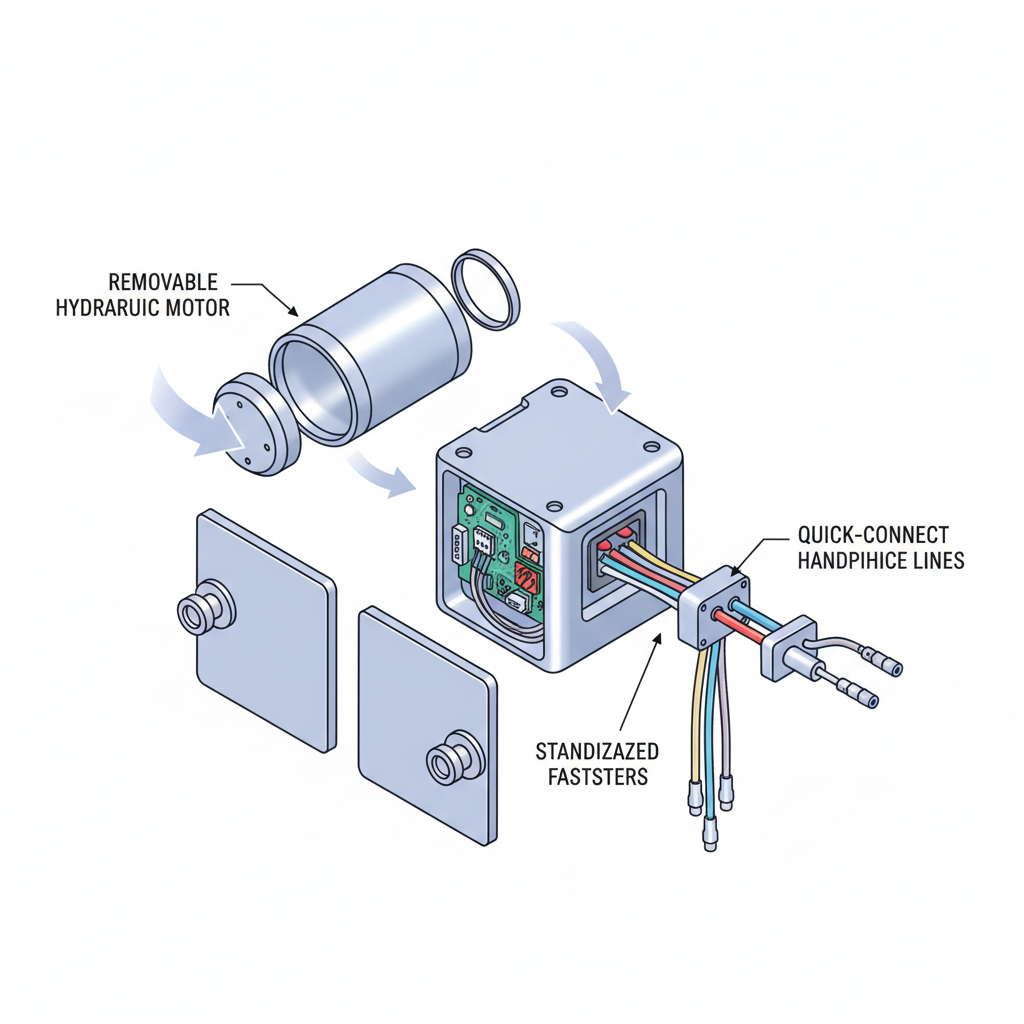
When a component fails, the speed of repair is paramount. A common frustration I’ve seen is with chairs built using welded subassemblies, where a minor failure requires replacing a large, expensive section. A well-designed, durable chair prioritizes modularity.
Look for chairs with accessible service panels, standardized fasteners, and components that can be swapped individually. Key areas include:
- Swappable Motors and Actuators: The lift and tilt mechanisms are high-wear components. The ability to replace just the motor or actuator without a complete teardown is a significant advantage.
- Independent Handpiece Lines: Fluid and air lines can degrade over time. Chairs that allow for quick, individual line replacement minimize repair time compared to those with integrated, hard-to-access harnesses.
Prioritizing chairs with these features shortens repairs from days to hours, directly reducing downtime costs.
Load and Motion Ratings
Every dental chair is rated for a specific maximum load and a certain number of motion cycles. Under-specifying these ratings is a frequent cause of premature failure. Ensure the chair’s specifications can comfortably handle the daily demands of your clinic, including patient weight and the frequency of adjustments. A chair that is consistently operated at the edge of its limits will inevitably wear out faster.
Essential Ergonomics for Clinic Productivity
Ergonomics isn’t a luxury; it’s a core component of a productive and safe clinical environment. Poor ergonomics can lead to practitioner fatigue and musculoskeletal issues, which directly impact efficiency and career longevity. For me, the real game-changer was realizing that proper equipment could eliminate the persistent neck and back strain I used to accept as part of the job.
Practitioner-Focused Adjustability
To accommodate a wide range of workflows and practitioner body types, look for chairs with a broad adjustment range. Based on extensive ergonomic studies, key benchmarks include:
- Backrest Tilt Range: A range of approximately 0 to 120 degrees allows for proper patient positioning for various procedures.
- Chair Height Adjustment: An adjustment range of roughly 420 mm to 760 mm is crucial to allow the practitioner to maintain a neutral, seated posture with feet flat on the floor.
When evaluating a new chair, it’s wise to test the reach envelope for the 95th-percentile practitioner. This ensures that instruments, controls, and the patient’s oral cavity are all comfortably within reach without twisting or overextending.
A Practical Framework for Proactive Maintenance
Extending the useful life of a dental chair and minimizing unexpected downtime relies on a proactive maintenance strategy. This is especially critical for clinics in resource-constrained settings where a service call can be both expensive and slow.
A simple in-house program can prevent the majority of common failures. Designate a staff member and train them on a few key checks.
Weekly Maintenance Checklist
- [ ] Check for Hydraulic Leaks: Inspect the base of the chair and all hydraulic lines for any signs of fluid.
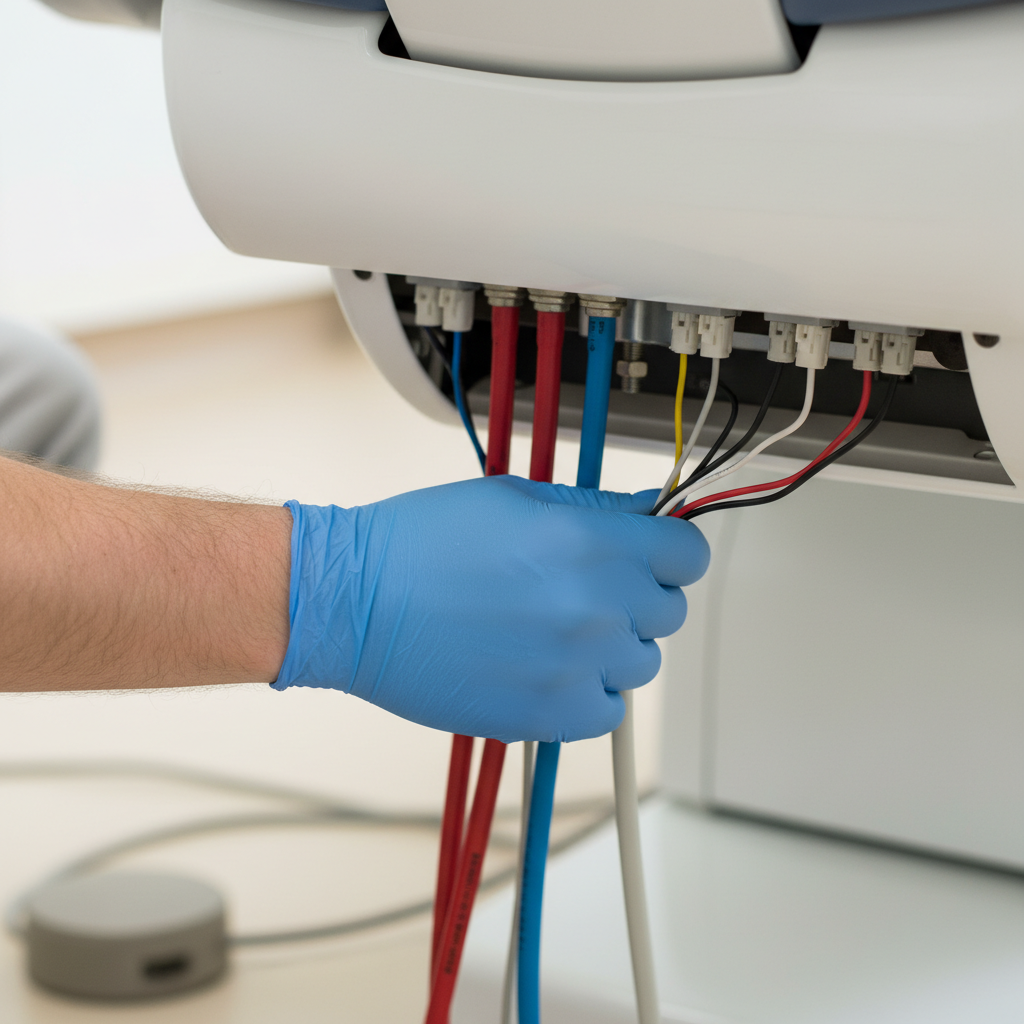
- [ ] Verify Electrical Connector Security: Gently ensure all accessible electrical connectors are firmly seated. Loose connections can cause intermittent failures.
- [ ] Inspect Upholstery: Look for small tears or seam separations, especially in high-contact areas. Repairing a small tear early prevents it from becoming a major upholstery replacement project.
- [ ] Test Foot Control Functions: Cycle through all functions on the foot pedal to ensure they are responsive.
Keeping a small kit of essential spare parts on hand can turn a potential week of downtime into a 30-minute fix. A basic kit should include a spare foot control, a common actuator, and a set of O-rings and seals.
Navigating Compliance and Certifications
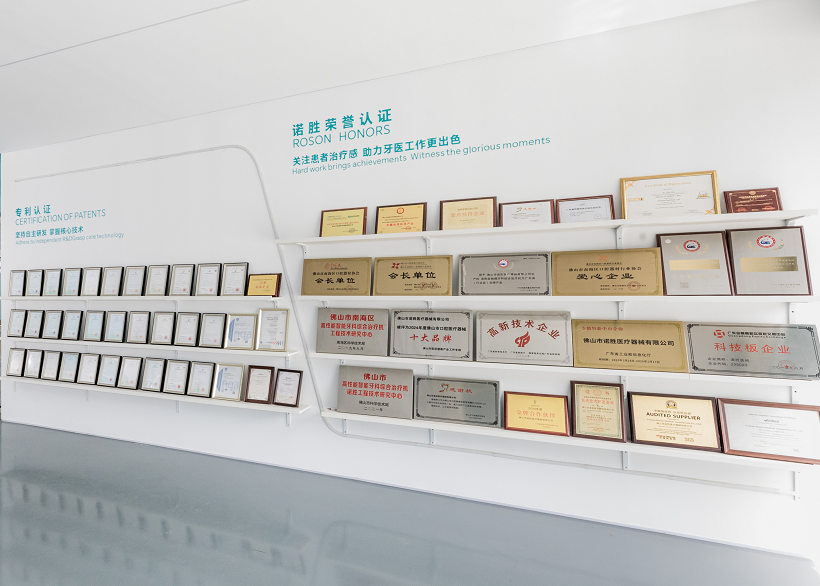
Certifications are not just bureaucratic hurdles; they are your assurance that a medical device meets rigorous safety, quality, and performance standards. For dental chairs, several key certifications are critical, particularly for clinics operating in or sourcing from international markets.
According to the International Organization for Standardization, compliance with ISO 13485:2016 signifies that the manufacturer adheres to a globally recognized quality management system for medical devices. This standard ensures consistency in design, production, and service.
For clinics in Europe, the CE Marking is non-negotiable. As outlined by the European Commission, this mark indicates that a product meets the high safety, health, and environmental protection requirements of the EU. The EU’s Medical Device Regulation (MDR) further details these stringent requirements, covering everything from product design to post-market surveillance. In the United States, similar quality system regulations are enforced by the FDA under 21 CFR Part 820, ensuring devices are safe and effective for patient use.
When evaluating a chair, always verify its compliance documentation. A reputable manufacturer will provide this information readily, demonstrating their commitment to global standards.
Key Takeaways for a Smart Investment
Choosing the right dental chair requires looking beyond the initial price tag and adopting a long-term perspective. A durable, serviceable chair is not an expense but an investment in your clinic’s productivity and financial health. By focusing on the total cost of ownership, prioritizing modular design and robust ergonomics, implementing a proactive maintenance plan, and verifying compliance, you can select a chair that delivers reliable performance and outstanding value for years to come.
Disclaimer: This article is for informational purposes only and does not constitute professional medical or financial advice. Equipment decisions should be made in consultation with qualified clinical and financial professionals. Always refer to manufacturer specifications and official regulatory guidelines when purchasing medical devices.
References
About the Author