 EN
EN  ZH
ZH 
ROI of Dental Chairs Designed for Easy Sterilization

An investment in a dental chair is often viewed through the lens of initial capital expenditure or patient comfort. However, for high-volume dental clinics, the true financial impact of a chair lies in its operational efficiency—specifically, how quickly and effectively it can be sterilized between patients. In a busy practice, the “hidden factory” of infection control can silently erode profit margins through extended turnover times and increased labor costs.
This article analyzes the Return on Investment (ROI) of selecting dental chairs designed specifically for easy sterilization. We will explore how design choices impact workflow velocity, the long-term savings of durable materials, and the quantifiable benefits of optimizing your operatory for infection control.
The Hidden Economics of Infection Control
Every minute a dental chair sits empty while being cleaned is a minute of lost revenue potential. While infection control is non-negotiable for patient safety and regulatory compliance, the time required to achieve compliance varies drastically based on equipment design.
The “Turnover Gap” in Clinic Operations
In many clinics, the difference between a streamlined turnover and a cumbersome one is measured in minutes, but calculated in thousands of dollars annually.
According to practitioner-level audits, selecting chairs primarily for aesthetics (e.g., complex stitching, plush folds) rather than cleanability can increase cleaning time per turnover by 25–60%. If a standard turnover takes 10 minutes, a complex chair might push this to 15 or 16 minutes. Across 10 patients a day, that is an hour of lost chair time daily.
Pro Tip: Conduct a “Stopwatch Pilot.” Measure the exact time your staff takes to clean your current chairs versus the target time. A healthy heuristic for a highly efficient clinic is a between-patient sanitization target of under 3–5 minutes (excluding instrument sterilization).
Regulatory Pressures and Compliance Costs
Adhering to standards such as ISO 13485:2016 is not just about paperwork; it requires physical equipment that supports rigorous quality management systems. Chairs that trap debris or resist disinfection increase the risk of failing compliance audits. Furthermore, the FDA 21 CFR Part 820 emphasizes the necessity of equipment that can be maintained and sanitized effectively to prevent contamination.
Design Features That Drive ROI
To maximize ROI, decision-makers must prioritize “Infection Control by Design.” This approach favors engineering that minimizes biofilm accumulation and simplifies the physical act of wiping down surfaces.
Seamless Upholstery vs. Stitching
The most critical surface on a dental chair is the upholstery. Traditional stitched leather may look premium, but seams are notorious harborers of bacteria and biofilm.
- The ROI Advantage: Medical-grade seamless upholstery or welded seams eliminate crevices where pathogens hide. This allows staff to wipe the surface in a single, continuous motion rather than scrubbing individual stitch lines.
- Data Point: Clinic observations suggest that rounded radii and seam gaps of <1 mm significantly reduce accumulation points. Aim for continuous surfaces on 80–90% of high-touch zones to maximize cleaning speed.
Hands-Free Operation
Reducing the number of surfaces a dentist or assistant touches during a procedure directly reduces the surface area that requires sterilization.
- Touchpoint Reduction: Foot-operated controls for chair positioning and light adjustments are essential. Audits indicate that hands-free controls can reduce touchpoints by approximately 30–50%, cutting the required surface wipes and associated material costs.
Comparison: Standard vs. Optimized Design
The following table contrasts a standard aesthetic-focused chair with one engineered for infection control efficiency.
| Feature | Standard Aesthetic Chair | Infection-Control Optimized Chair | Operational Impact |
|---|---|---|---|
| Upholstery | Stitched seams, deep folds | Seamless, vacuum-formed or welded | Reduces wiping time by ~30%; lowers biofilm risk. |
| Controls | Touchpad on delivery unit | Foot pedal + Hands-free sensor | Reduces cross-contamination points; saves barrier film costs. |
| Surface Geometry | Sharp angles, complex crevices | Rounded corners, smooth radii | Eliminates “dirt traps”; speeds up drying time. |
| Base Design | Exposed cables, textured plastic | Enclosed base, smooth powder coat | Prevents dust accumulation; easier floor mopping. |
For a deeper understanding of how standardization affects large-scale operations, refer to our guide on Benefits of Standardizing Chairs in Large Dental Clinics.
Material Durability: The Long-Term Savings
A chair that is easy to clean must also withstand the chemicals used to clean it. Disinfectants are harsh; they are designed to kill pathogens, but they can also destroy equipment.
Chemical Compatibility
Clinics typically use hospital-grade disinfectants containing quaternary ammonium compounds or diluted sodium hypochlorite.
- Common Mistake: A frequent procurement error is buying chairs with upholstery that is not rated for these specific chemicals. This leads to cracking and peeling within 12–24 months.
- The Fix: Verify upholstery compatibility with your specific infection control protocols. If upholstery cracks, it becomes a biological hazard and must be replaced. Planning for replacement cycles every 3–5 years for lower-grade materials is a hidden cost that premium, chemically resistant materials can delay significantly.
Research from ScienceDirect highlights that material degradation is a leading cause of premature equipment failure in clinical settings. Investing in materials tested against aggressive agents prevents early capital reinvestment.
Modular Maintenance
Durability also extends to serviceability. Chairs designed with modular covers and standardized fasteners allow for rapid repairs.
- Downtime Heuristic: Ensure your supplier offers a spare-parts lead time of under 4–6 weeks. For high-use clinics, a chair out of commission for a month due to a torn backrest is a significant revenue leak.
- Design Tip: Prioritize easy-to-remove magnetic or clip-on upholstery sets. This allows a clinic to swap out a damaged cushion in minutes rather than waiting for a technician.
Quantifying the Returns: A Calculation Framework
To present a business case to stakeholders, you need to convert “efficiency” into currency. The ROI of an easy-to-sterilize chair is derived from two main sources: Labor Savings and Opportunity Cost (Revenue).
The Formula
1. Labor Savings:
$$ \text{Savings} = (\text{Minutes Saved/Turnover}) \times (\text{Turnovers/Day}) \times (\text{Days/Year}) \times (\text{Staff Hourly Rate} / 60) $$
2. Revenue Opportunity:
If the time saved allows for one additional appointment per day (or even per week), the revenue impact is substantial.
Scenario Analysis
Let’s assume a clinic operates 250 days a year with 10 patients per chair per day. The staff wage is $30/hour ($0.50/minute).
- Scenario A (Standard Chair): 15 minutes cleaning time.
- Scenario B (Optimized Chair): 10 minutes cleaning time (5 minutes saved).
Annual Labor Savings Calculation:
$$ 5 \text{ mins} \times 10 \text{ patients} = 50 \text{ mins/day saved} $$
$$ 50 \text{ mins} \times 250 \text{ days} = 12,500 \text{ mins/year} $$
$$ 12,500 \text{ mins} \times $0.50 = $6,250 \text{ saved per chair/year} $$
Over a 5-year asset life, one optimized chair saves $31,250 in purely operational labor costs, likely exceeding the initial purchase price of the unit. This does not even factor in the potential revenue from utilizing those 200+ saved hours for billable treatments.
For more on how affordability and quality intersect, see our article on Affordable Chairs That Don’t Compromise on Comfort.
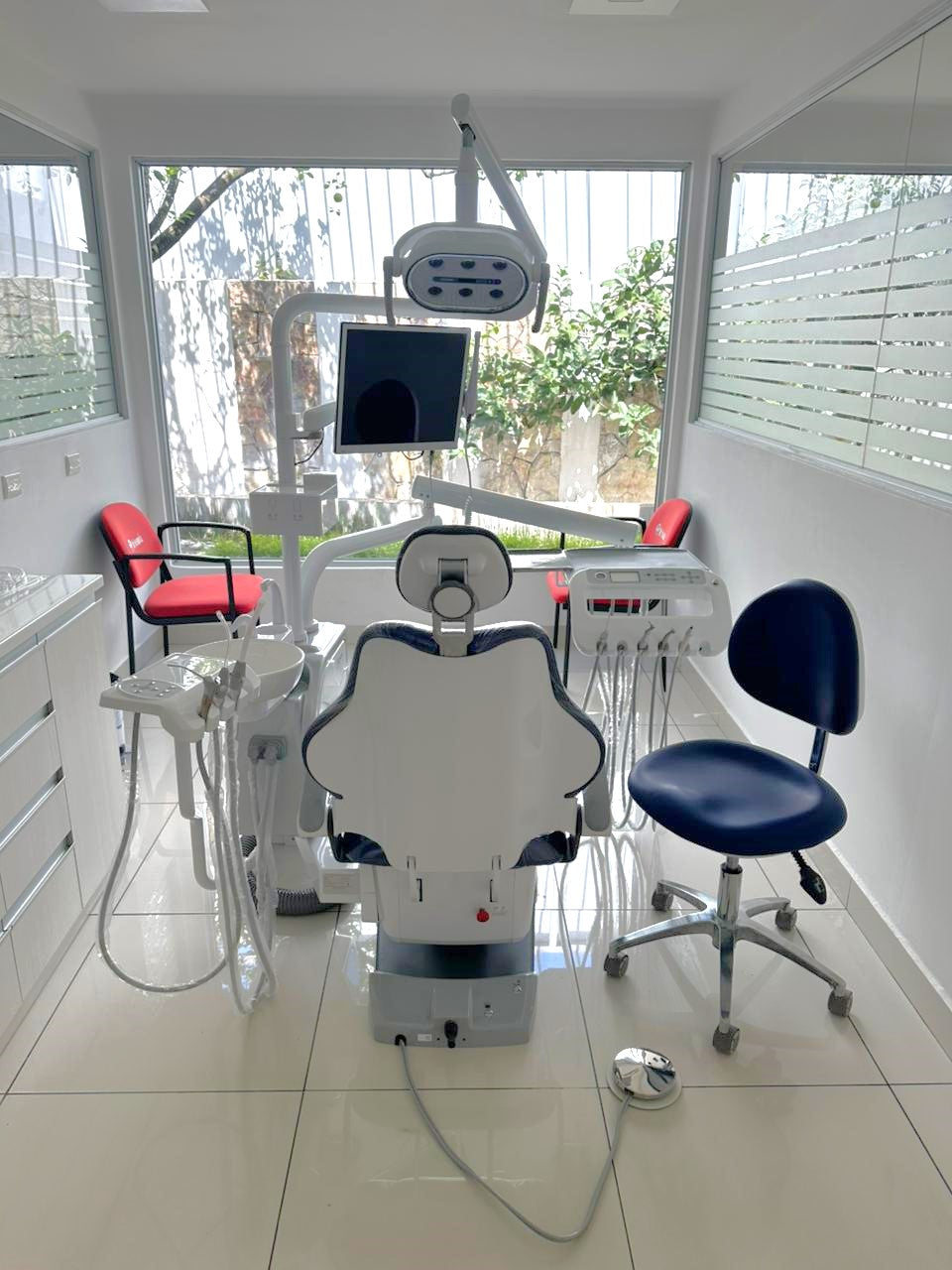
Blue dental chair and integrated dental unit with LED operatory light and dental handpieces
Common Misconceptions About Chair Hygiene
Myth: “All dental chairs are medical devices, so they are all equally easy to sterilize.”
Reality: While all chairs must meet basic safety standards to be sold, manufacturers prioritize features differently. A chair designed primarily for showroom appeal often features complex stitching, hidden crevices, and porous plastics that satisfy the eye but frustrate the hygienist. Industry data confirms that unless a chair is explicitly marketed with “seamless” or “hygiene-optimized” features, it likely defaults to standard construction methods that are harder to clean.
Strategic Implementation for Decision Makers
When upgrading or expanding your facility, take a holistic view of the equipment ecosystem.
- Audit Your Current Workflow: Use the stopwatch method to identify bottlenecks.
- Test Before You Buy: Do not just sit in the chair; try to clean it. Ask the sales rep to demonstrate the cleaning protocol.
- Check Certifications: Ensure the equipment aligns with EU MDR or FDA requirements if you operate in those jurisdictions.
- Demand Durability Data: Ask for upholstery rub-test results and chemical compatibility sheets.
Wrapping Up: Efficiency is the New Economy
The ROI of a dental chair is not found solely in its price tag, but in its daily performance. By selecting chairs designed for easy sterilization—characterized by seamless surfaces, hands-free controls, and durable materials—clinics can reclaim hundreds of hours annually. This efficiency reduces staff burnout, ensures compliance with rigorous standards like ISO 13485, and ultimately improves the bottom line.
Key Takeaways
- Time is Money: Reducing cleaning time by just 5 minutes per patient can save over $6,000 annually per chair in labor costs.
- Design Matters: Look for seamless upholstery and <1mm seam gaps to reduce biofilm risks.
- Hands-Free is Hygiene: Foot controls reduce touchpoints by up to 50%, lowering cross-contamination risks.
- Plan for Chemicals: Ensure materials are compatible with quaternary ammonium and sodium hypochlorite to avoid premature replacement.
Frequently Asked Questions (FAQ)
Q: Can I retrofit my existing dental chairs to be easier to clean?
A: You can often replace upholstered cushions with seamless kits, but you cannot easily retrofit the base design or control mechanisms (like adding foot pedals) without significant expense. It is often more cost-effective to prioritize these features during new equipment purchases.
Q: How often should dental chair upholstery be replaced?
A: With proper care and medical-grade materials, upholstery should last 5+ years. However, if you notice cracking or peeling, it must be replaced immediately to maintain infection control compliance.
Q: Does the color of the upholstery affect sterilization?
A: No, color does not affect hygiene, but lighter colors may make it easier to spot debris or fluid splashes, prompting more thorough cleaning.
Disclaimer: This article is for informational purposes only and does not constitute professional medical, legal, or financial advice. Regulations regarding infection control (such as those from the FDA, CDC, or ISO) change frequently. Always consult with a qualified infection control expert or legal counsel to ensure your clinic meets current local standards.
References
About the Author