 EN
EN  ZH
ZH 
Maximizing Your Dental Chair's Warranty for Maintenance

Shifting Your Mindset: From Repair Policy to Maintenance Partnership
A warranty is more than just a safety net for when things break; it’s a proactive tool for operational excellence and a cornerstone of your clinic’s financial health. Many practice owners see a warranty as a reactive measure—a phone number to call when a chair stops working. However, the most efficient and profitable clinics treat their warranty as an active partnership with the manufacturer, one that requires diligence, documentation, and a commitment to proper care.
Myth Debunked: “A Warranty Means I Don’t Need to Worry About Maintenance”
This is one of the most common and costly misconceptions in equipment management. In reality, a warranty is a two-way agreement. The manufacturer guarantees the equipment against defects, and in return, the user agrees to operate and maintain it according to specified standards. Neglecting routine maintenance, as outlined in your user manual, can be grounds for a voided warranty. Think of it like the warranty on a new car; if you never change the oil, you can’t be surprised when the engine fails and the manufacturer denies the claim. Proactive “warranty hygiene”—the practice of maintaining your equipment in a compliant state—is essential for protecting your investment.
The Role of Quality Standards in Your Warranty
A manufacturer’s ability to offer a strong warranty is built on a foundation of rigorous quality control. Reputable equipment suppliers adhere to internationally recognized standards to ensure their products are safe, reliable, and effective. For example, compliance with ISO 13485:2016 – Quality Management Systems demonstrates a commitment to a quality management system specifically for medical devices. Similarly, adherence to regulations like the FDA’s Quality System Regulation (21 CFR Part 820) in the United States and the EU MDR (Medical Device Regulation) in Europe ensures that everything from design and manufacturing to labeling and post-market surveillance meets strict requirements. When you choose a chair from a compliant manufacturer, you are investing in a product designed for longevity and backed by a system of accountability.
The Financial Impact of Proactive Warranty Management
Unexpected equipment downtime is a significant financial drain. It leads to cancelled appointments, frustrated patients, and idle staff. By integrating warranty compliance into your maintenance routine, you shift from a reactive repair model to a proactive uptime strategy. This approach not only ensures that claims are approved swiftly but also extends the operational life of your equipment. A well-maintained chair is less likely to fail in the first place, directly supporting your clinic’s bottom line. In fact, understanding how chair durability impacts your clinic’s financial health is key to making smart long-term investments.
Building Your Warranty-Compliant Maintenance Program
Turning your warranty into a powerful maintenance asset requires a structured, documented approach. It’s not about adding more work; it’s about formalizing best practices to ensure nothing falls through the cracks.
The Cornerstone: The Maintenance Log
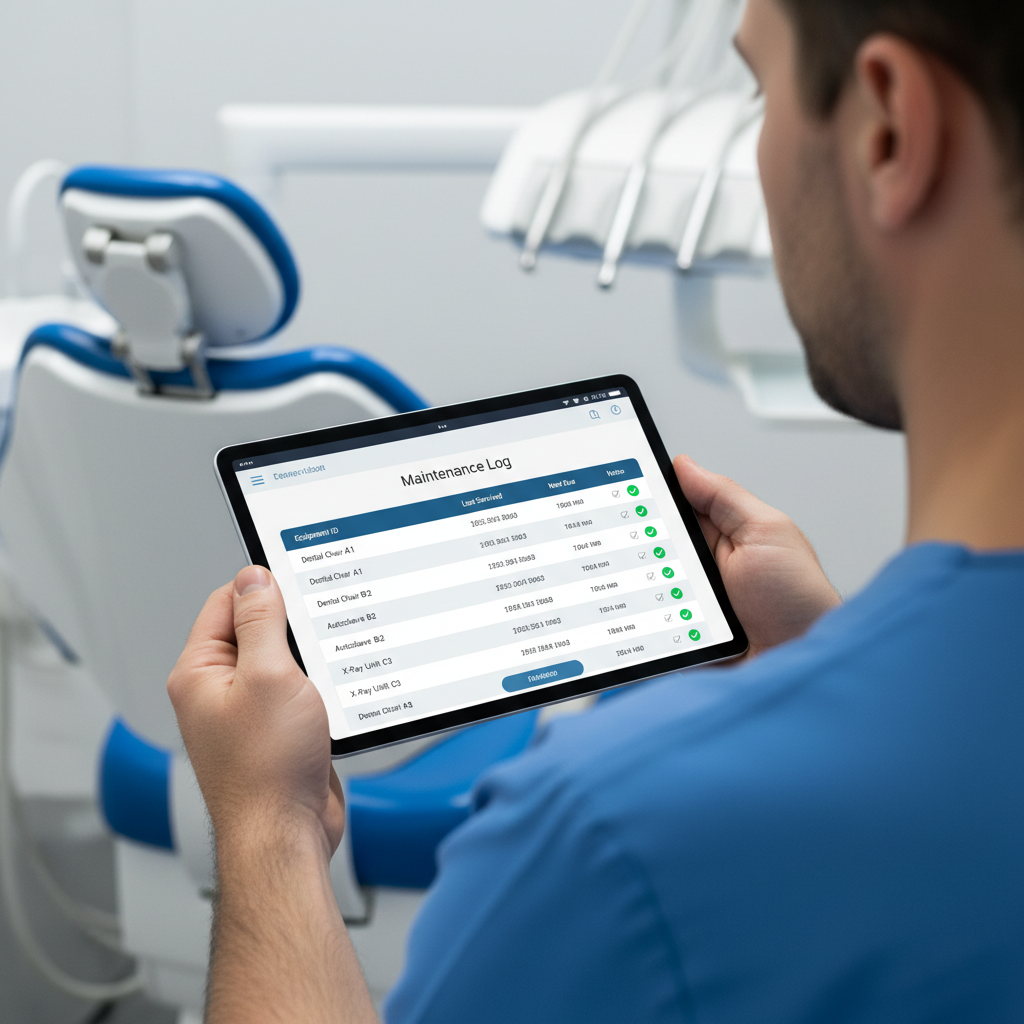
If you implement only one thing from this guide, let it be this: keep a dedicated maintenance log for each dental chair. We treat this log as the single source of truth for a chair’s entire service history. It’s the first thing a service technician will ask for, and it’s your strongest piece of evidence in a warranty claim. A vague report of “it’s making a noise” is far less effective than “On October 26th, during the weekly functional test, the chair’s backrest motor began making a grinding sound on descent, as noted by technician Sarah P.”
Your log should be detailed and consistent. I recommend a digital log or a dedicated binder kept near the equipment, containing:
- Date and Time: When the check or issue occurred.
- Equipment ID: The chair’s model and serial number.
- Action Taken: A clear description of the maintenance performed or the problem observed.
- Technician’s Name/Initials: Accountability is key.
- Photo/Video Evidence: A timestamped photo or short video is invaluable for documenting defects or the condition of a part.
A Practical Maintenance Schedule
Creating a routine is crucial. Based on my experience with countless clinics, a simple, tiered schedule is the most effective way to ensure compliance without overwhelming your staff. This schedule should be treated as a baseline and adjusted according to your manufacturer’s specific guidelines.
| Frequency | Tasks | Purpose & “Gotchas” |
|---|---|---|
| Daily | Visual Inspection & Basic Cleaning: Wipe down upholstery with approved cleaners. Check for visible damage to tubing, lights, and controls. | Purpose: Prevents buildup of contaminants and catches minor issues before they escalate. Gotcha: Using the wrong cleaning agent is a primary cause of upholstery damage. Refer to our dental chair upholstery cleaning guide for compliant material choices. |
| Weekly | Functional Tests: Operate all chair functions (lift, recline, programming). Test waterlines, suction, and cuspidor functions. | Purpose: Ensures all systems are operating smoothly under no load. Gotcha: Listen for unusual sounds (grinding, hissing) and check for jerky movements—these are early indicators of motor or hydraulic issues. |
| Quarterly | Minor Adjustments & Deeper Inspection: Check and tighten any accessible bolts or screws. Inspect O-rings and seals for signs of wear or cracking. Clean filters. | Purpose: Addresses normal wear and tear from regular use. Gotcha: Do not perform any adjustments that require specialized tools or disassembly unless you are a certified technician. This can easily void a warranty. |
| Annually | Certified Service Inspection: Schedule a full preventative maintenance inspection with a manufacturer-certified technician. | Purpose: This is often a mandatory requirement for keeping the warranty active. The technician can spot underlying issues and replace worn components. Gotcha: Don’t skip it to save money. The cost of an annual inspection is minimal compared to the cost of a major, non-warrantied repair. |
Stocking for Success: Essential In-House Spares
Even with the best warranty, some minor repairs can cause frustrating downtime while you wait for a part to arrive. I always advise clinics to maintain a small stock of “critical consumables.” These are inexpensive, user-replaceable items that can get you back up and running in minutes. Keeping items like extra fuses, suction tubing, O-rings, and even a spare foot control on hand can turn a multi-day outage into a ten-minute fix, all while your main warranty remains intact for major issues.
Avoiding Common Pitfalls That Void Your Warranty
Maintaining your warranty coverage is often about avoiding simple mistakes. Technicians frequently report that warranty claims are denied due to preventable errors made at the clinic. Here are the most common culprits.
The “Forbidden” List: Unauthorized Materials and Modifications
Your dental chair is a precision medical device, not a piece of household furniture. Using unapproved parts or chemicals can cause damage and will almost certainly void your warranty.
- Non-Approved Lubricants & Cleaning Agents: Generic lubricants can degrade plastic components and seals. Harsh chemical cleaners can destroy upholstery and finishes. Always use the products specified in the manufacturer’s manual.
- DIY Electrical Work: Never attempt to repair or modify wiring, foot controls, or circuit boards. This is a major safety risk and an immediate warranty void.
- Third-Party Parts: Fitting a component from another brand might seem like a quick fix, but it can cause compatibility issues and gives the manufacturer grounds to deny responsibility for any subsequent failure.
The Anatomy of a Successful Warranty Claim
When a problem does arise, a systematic and well-documented approach will lead to a much faster resolution. Haphazard claims processes are a common source of friction between clinics and service departments.
Step 1: Gather Your Documentation
Before you even pick up the phone, assemble your file. This is where your diligent record-keeping pays off. Your claim package should include:
- The Purchase Invoice: To confirm the warranty period.
- The Maintenance Log: To prove you’ve met your obligations.
- Clear Defect Evidence: Timestamped photos or a short video of the problem are invaluable. It helps the technician diagnose the issue remotely and ensures they arrive with the right parts.
Step 2: Streamline Communication
In my experience, communication breakdowns are a major cause of delays. I recommend designating one staff member—a lead assistant or office manager—as the “warranty owner.” This person becomes the single point of contact for all service communications, ensuring consistency and preventing information from getting lost. They should be prepared to provide the equipment’s serial number and all the documentation gathered in Step 1.
Step 3: Prepare the Equipment for Service
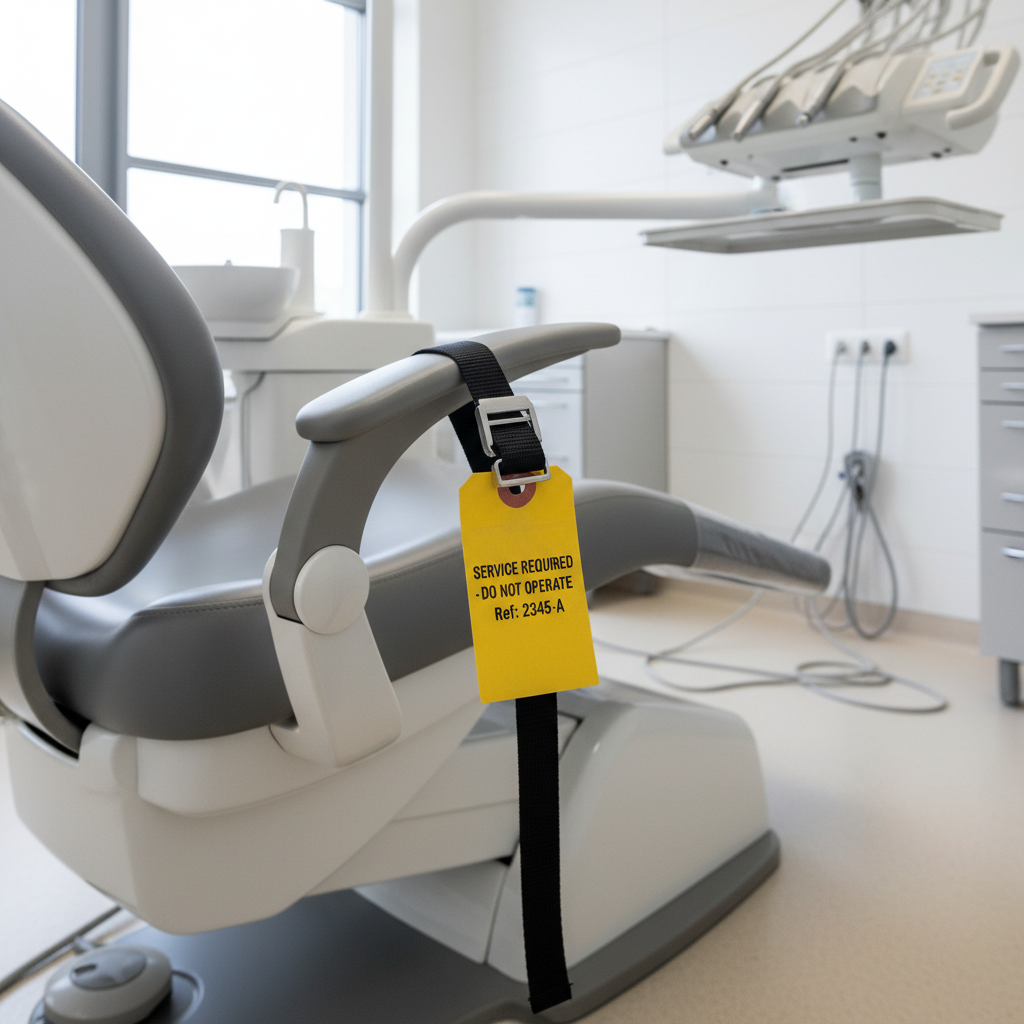
Whether a technician is coming to you or the chair needs to be shipped, proper preparation is crucial. For an onsite visit, ensure the area is clear and accessible. Power down the unit, lock any moving parts if possible, and use tags to label any loose components you’ve identified. If you have to ship a component, take photos of its condition before you pack it. This protects you from any potential claims of damage in transit.
Wrapping Up: Key Takeaways for Long-Term Value
Viewing your dental chair’s warranty as an integral part of your maintenance strategy is a simple shift in perspective that delivers significant returns. It minimizes costly downtime, extends the life of your equipment, and ensures the safety and satisfaction of your patients.
Here are the key principles for success:
- Treat Your Warranty as a Partnership: It’s a two-way street that requires your active participation in compliant maintenance.
- Documentation is Your Strongest Tool: A detailed maintenance log is non-negotiable. It is your proof of diligence and the key to swift claim resolution.
- Follow the Manufacturer’s Playbook: Use only approved cleaning agents, parts, and certified technicians for repairs to avoid voiding your coverage.
- Be Proactive, Not Reactive: A structured maintenance schedule prevents most common failures and is far less disruptive than emergency repairs.
By adopting these practices, you not only protect your warranty but also enhance the long-term value and ROI of your dental chair, turning a simple purchase into a lasting asset for your clinic.
Disclaimer: This article is for informational purposes only and does not constitute professional technical or medical advice. Always consult your equipment’s user manual and a certified technician for specific maintenance procedures and repairs. Adherence to manufacturer guidelines is essential for ensuring patient safety and maintaining warranty coverage.
About the Author