 EN
EN  ZH
ZH 
Decoding Dental Chair Warranties for Large Group Buys

Decoding Dental Chair Warranties: A Strategic Guide for Large Group Buys
A strong warranty is more than a piece of paper; it’s a foundational component of your investment in new dental chairs. For large clinics, dental schools, and training centers making significant capital expenditures, the warranty and its associated service agreement are critical predictors of long-term operational success and financial stability. This guide provides a detailed framework for evaluating these agreements, ensuring you secure not just a product, but a promise of reliability and support.
We will explore the essential elements of a comprehensive warranty, from parts and labor coverage to the service level agreements (SLAs) that minimize costly downtime. By understanding these nuances, you can protect your investment and ensure your facility operates at peak efficiency for years to come.
1. The True Cost of Downtime: Why Your Warranty is a Financial Tool
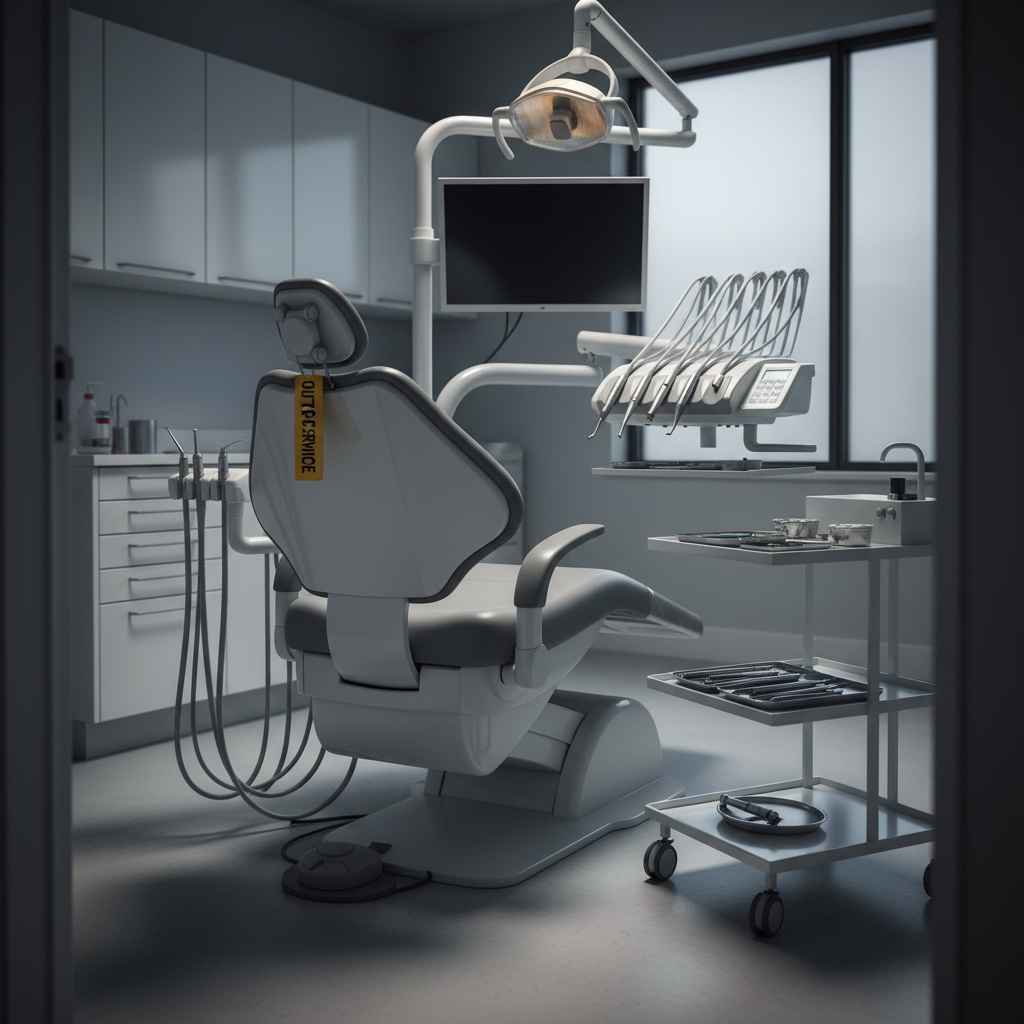
When procuring equipment, it’s easy to focus on the upfront capital cost. However, for high-traffic environments like large clinics and dental schools, the financial impact of equipment failure can quickly eclipse any initial savings. A single day of downtime on one chair can result in thousands of dollars in lost revenue, appointment cancellations, and damage to your institution’s reputation. This is where a robust warranty proves its value.
A comprehensive warranty is your primary defense against operational disruption. It ensures that when a problem arises, you have a clear, rapid, and cost-effective path to resolution. As detailed in our analysis of The Financial Impact of Dental Chair Reliability & Downtime, minimizing the period a chair is out of service is paramount. Experienced procurement managers find that a 1- to 3-day outage per chair can cost the clinic multiples of its daily revenue, making swift service an economic necessity.
2. Anatomy of an Effective Warranty: What to Scrutinize
Not all warranties are created equal. The difference between a great warranty and a poor one lies in the details. A vague or restrictive agreement can leave you facing unexpected costs and extended downtime. Here are the core components to analyze.
Coverage Scope: The Devil in the Details
The most common point of dispute in any warranty claim is ambiguity over what is covered. Before signing any agreement, demand absolute clarity on the following:
- Parts and Labor: Does the warranty cover the cost of replacement parts and the labor required for installation? Labor costs can be significant, and their exclusion can lead to major unforeseen expenses.
- Travel and Shipping: If a technician needs to travel to your site, are their travel time and expenses covered? Who pays for shipping parts to and from the service center?
-
Common Exclusions: Pay close attention to the exclusions list. Ambiguous terms like “normal wear and tear” can be used to deny claims. Insist on a specific list of what is not covered. Common items to clarify include:
- Upholstery
- Consumables (e.g., light bulbs, filters, fuses, O-rings)
- Damage from improper use or cleaning with unapproved chemicals
Warranty Duration and Service Level Agreements (SLAs)
While a long warranty period is attractive, the manufacturer’s commitment to timely service is far more critical. The Service Level Agreement (SLA) defines the timeline for support and is the true measure of a warranty’s strength.
Pro Tip: Target these SLA benchmarks in your service agreement:
- Initial Vendor Response: Under 4 hours.
- Remote Troubleshooting: Within 8 hours.
- Onsite Technician Dispatch: Within 24–72 hours, depending on your location.
A warranty covering mechanical and electronic failures for at least 24–36 months is a good industry benchmark. However, a five-year warranty with a one-week response time is far less valuable than a two-year warranty that guarantees a technician onsite within 48 hours.
3. Beyond the Warranty: Strategic Service and Parts Management
For large-scale operations, a proactive approach to maintenance and parts management is essential. This strategy should be developed in tandem with your warranty negotiation.
The Power of Standardization
Standardizing on a single model of dental chair across your facility is one of the most effective ways to streamline maintenance and control costs. Our field observations show that clinics and training centers that standardize their chairs can reduce repair times and spare part SKUs by 20% to 40%. This approach simplifies technician training, reduces the complexity of your parts inventory, and allows your team to become highly proficient at servicing the equipment. It also provides greater leverage when negotiating pricing and service terms with the manufacturer.
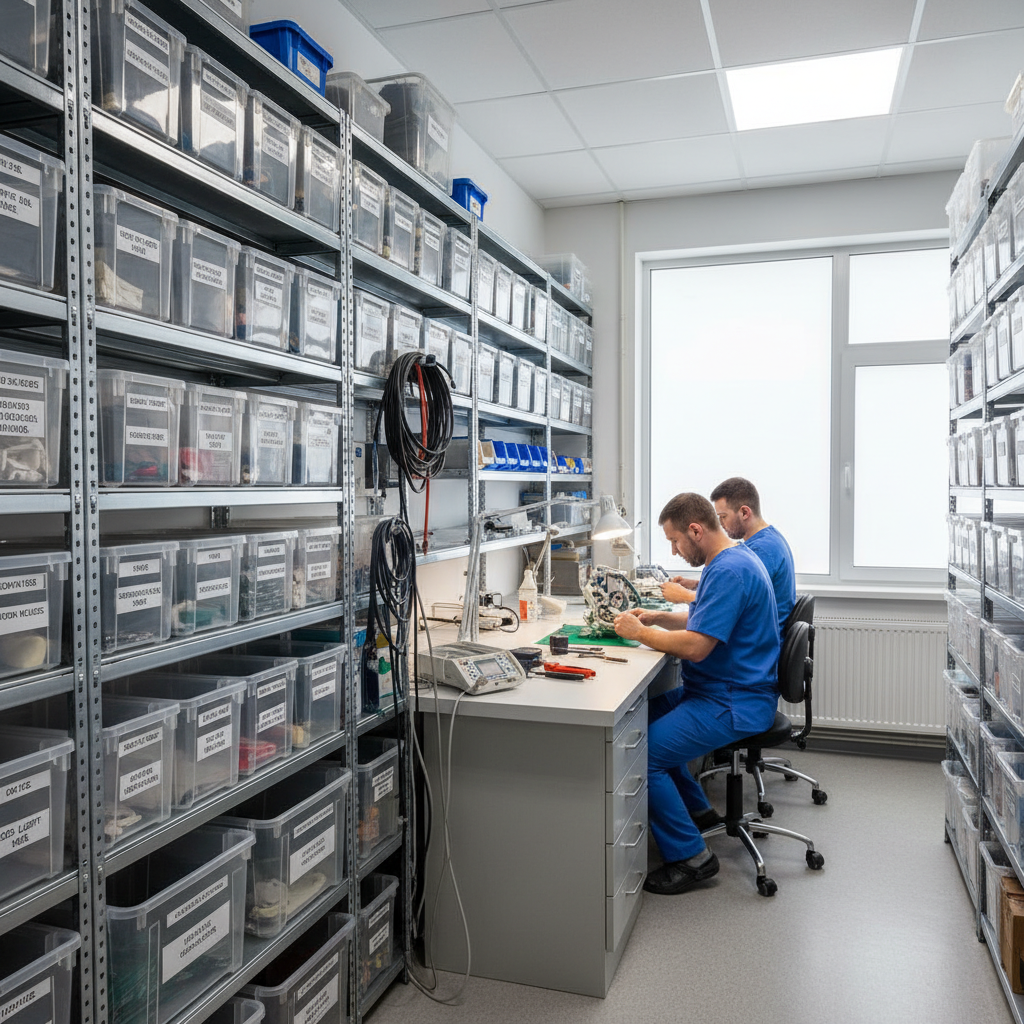
Building a Spare Parts Strategy
Even with the best warranty, waiting for a part to ship can mean unacceptable downtime. A well-planned local inventory of critical components is crucial.
- Rule of Thumb: Plan to keep a stock of spare parts equivalent to 10–20% of your total number of installed chairs.
- High-Throughput Environments: For busy clinics or schools, consider keeping one complete spare chair for every 8–12 units in operation. This allows for an immediate swap, ensuring zero downtime while the other unit is repaired.
- Lead-Time Caps: Your service contract should explicitly cap the lead time for critical components, ideally at less than two weeks.
Debunking a Common Misconception: The “Best” Warranty
A common myth in procurement is that the longest warranty is automatically the best. In reality, a warranty’s value is determined by its terms and the service infrastructure that backs it up. A 10-year warranty from a company with no local technicians or spare parts is effectively worthless. The best warranty is one that offers a reasonable duration backed by concrete, aggressive SLAs and a transparent list of inclusions.
4. Your Procurement Checklist: Evaluating Warranties and Service Agreements
To ensure you make an informed decision, use this structured checklist during your evaluation process. This tool will help you compare offers systematically and identify the true long-term value.
| Feature Category | Evaluation Criteria | Vendor A | Vendor B | Vendor C |
|---|---|---|---|---|
| Warranty Duration | What is the standard warranty period (in months) for mechanical and electronic components? | |||
| Coverage Details | Does the warranty fully cover parts, labor, and technician travel? (Yes/No/Partial) | |||
| Exclusions List | Is the list of exclusions specific and clear (e.g., lists exact consumables)? (Yes/No) | |||
| SLA: Initial Response | What is the guaranteed time for an initial response to a service request? (in hours) | |||
| SLA: Onsite Service | What is the guaranteed time for a technician to be onsite? (in hours) | |||
| Spare Parts | Does the vendor maintain a local stock of critical spare parts? (Yes/No) | |||
| Lead-Time Guarantee | Is there a contractual maximum lead time for non-stocked critical parts? (Yes/No, specify time) | |||
| Contract Cost | What is the annual cost of an extended warranty/maintenance contract as a % of the chair’s price? | |||
| Compliance & Quality | Does the equipment meet key regulatory standards like ISO 13485:2016? |
This structured approach moves the conversation beyond the initial purchase price to the total cost of ownership, which is the most important metric for any large-scale investment.
Key Takeaways
Choosing the right dental chairs for a large facility is a complex decision that extends far beyond the equipment itself. The warranty and service agreement are your assurance of operational continuity and financial predictability.
When making your next large group buy, remember these core principles:
- Prioritize Uptime: A detailed SLA is more valuable than a long but vague warranty period.
- Demand Clarity: Ensure all inclusions, exclusions, and service commitments are explicitly defined in your contract.
- Standardize for Efficiency: Leveraging a single chair model simplifies training, maintenance, and inventory management.
- Analyze the Total Cost: Factor in the cost of potential downtime and ongoing maintenance contracts, not just the upfront purchase price.
By treating the warranty negotiation with the same diligence as the product selection, you can secure a true long-term partnership that supports your facility’s success.
Frequently Asked Questions (FAQ)
1. Is an extended warranty worth the cost?
An extended warranty or maintenance contract typically costs 3-6% of the capital price per chair, per year. To determine if it’s worth it, compare this annual cost to the estimated daily revenue loss from a single chair being out of service. In most high-volume clinics, the contract is a valuable insurance policy against much larger financial losses.
2. Can we use a third-party technician for repairs?
This depends on the terms of your warranty. Some manufacturers void the warranty if service is performed by an unauthorized technician. Always clarify the policy on third-party repairs and get it in writing.
3. What does ISO 13485 or CE certification have to do with a warranty?
Certifications like ISO 13485:2016 relate to quality management systems in medical device manufacturing, while a CE Marking indicates conformity with health, safety, and environmental protection standards for products sold within the European Economic Area. These certifications demonstrate a manufacturer’s commitment to quality and regulatory compliance, which is often a strong indicator of product reliability and the trustworthiness of their warranty promises. Products that meet these standards, as well as regulations like the FDA’s 21 CFR Part 820, are built under stringent controls, reducing the likelihood of defects.
About the Author