 EN
EN  ZH
ZH 
Maximizing Durability in Dental Chair Upholstery

The Hidden Costs of Dental Chair Upholstery
The upholstery of your dental chair is more than just a component; it is a critical asset that directly impacts your clinic’s profitability, patient safety, and operational efficiency. While it may seem like a simple surface, it endures a relentless cycle of mechanical stress, chemical exposure from disinfectants, and constant friction. The wrong choice can lead to premature tearing, cracking, and foam breakdown, resulting in costly downtime, frequent replacements, and a diminished patient experience. In a busy practice, the lifespan of upholstery can be as short as 4–8 years, but with the right knowledge, this can be extended significantly.
This article provides a practical, in-depth guide to selecting and maintaining dental chair upholstery to maximize its service life. We will move beyond aesthetics to analyze the critical factors that define true durability, from material specifications and construction techniques to proven maintenance protocols that protect your investment.
Understanding Upholstery Materials: The Foundation of Durability
Selecting the right material is the first step toward long-term performance. While color and texture contribute to the clinic’s ambiance, the underlying technical specifications of the material determine its resilience against daily wear and tear. For dental environments, medical-grade vinyl is a common and practical choice due to its excellent cleanability and resistance to fluids.
Key Performance Metrics: Wear Layer and Foam Density
Two of the most critical, yet often overlooked, specifications are the thickness of the protective topcoat (wear layer) and the density of the underlying foam cushion.
- Wear Layer Thickness: This transparent topcoat is the primary shield against abrasion, scratches, and chemical damage. A thicker layer offers substantially more protection. In high-use clinical settings, a common failure point is topcoat abrasion, which exposes the underlying material to accelerated wear. For robust performance, look for a wear layer of at least 0.5–0.8 mm. Anything less may not withstand the demands of a busy practice.
- Foam Density: The foam provides comfort and support, but its density determines its ability to resist compression and maintain its shape over time. Low-density foam (below 30 kg/m³) can quickly become flattened and uncomfortable, a phenomenon known as “foam compression fatigue.” For a dental chair that sees frequent use, a medium-high foam density of 30–40 kg/m³ provides a durable balance of comfort and shape retention.
Construction Matters: Seams, Stitching, and Surface Integrity
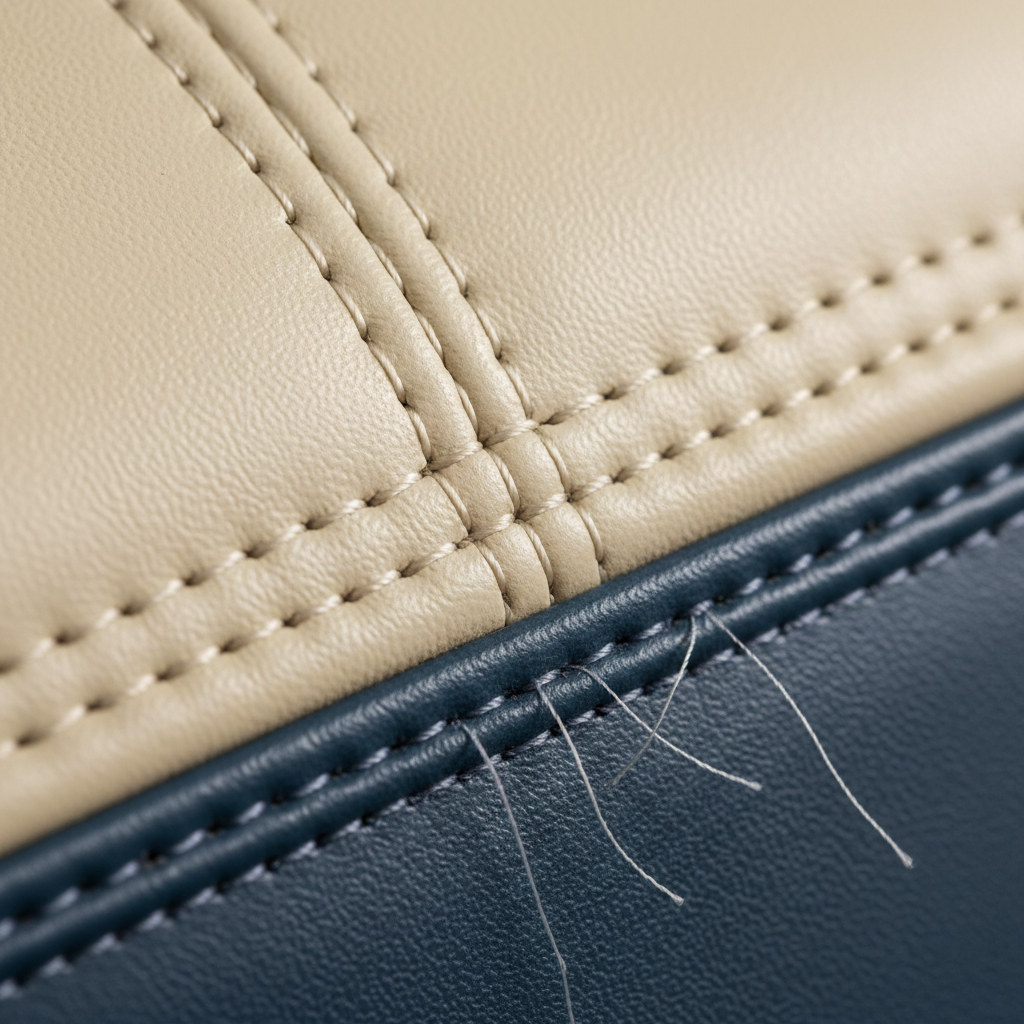
The most durable material will fail if the construction quality is poor. Seams are high-stress points that bear the brunt of patient movement and repositioning. How these seams are assembled is a primary indicator of an upholstery’s longevity.
The Critical Role of Seam Construction
I have often observed that the first point of failure in chair upholstery is a split seam, particularly at the headrest or the front of the seat. This is almost always due to inferior stitching.
- Single-Needle Seams: These are the most common and least durable. They create a single line of perforation, which can easily tear under repeated stress.
- Double-Stitched or Welded Seams: These methods provide far superior strength. Double stitching reinforces the seam with a second row of stitches, distributing the load and reducing the risk of tearing. Welded seams, which use heat or ultrasonic energy to fuse the material, create a seamless, fluid-proof bond that is exceptionally strong and ideal for infection control.
Designing for Infection Control
Effective infection control is non-negotiable in a dental setting. Upholstery surfaces must be smooth, non-porous, and free of unnecessary folds or textures that can harbor contaminants. This is not just a practical consideration but a regulatory one, aligning with the principles outlined in quality management systems like ISO 13485:2016. When evaluating upholstery, prioritize designs with minimal seams and smooth surfaces, as they are easier to clean and validate during infection control audits.
Proactive Maintenance: The Key to Longevity
Even the most durable upholstery requires proper care to reach its maximum lifespan. A consistent and correct maintenance protocol is essential for preventing chemical damage and preserving the material’s integrity.
The Myth of “Stronger is Better” in Disinfectants
A common and costly misconception is that any powerful, hospital-grade disinfectant is suitable for dental chairs. In reality, the wrong chemicals can cause irreversible damage, including cracking, discoloration, and hardening of the material. One of the worst mistakes a clinic can make is frequently switching between different disinfectant chemistries, such as cycling between alkaline and solvent-based cleaners. This chemical shock accelerates the degradation of the vinyl topcoat.
Always follow the chair manufacturer’s recommendations for approved disinfectants. Before implementing a new cleaning agent, it is crucial to perform a spot-test on a small, hidden area of the upholstery, like the underside of the footrest. This simple step can prevent widespread damage.
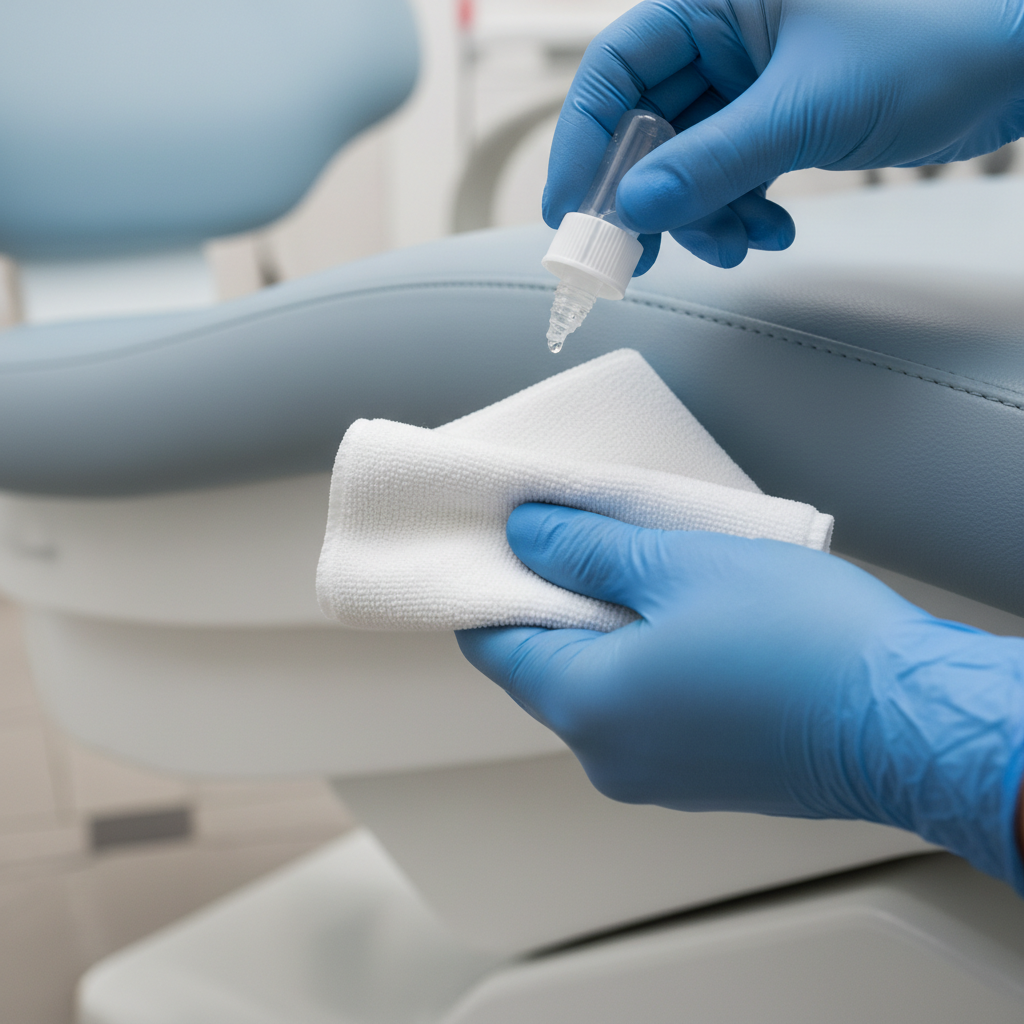
Upholstery Maintenance: Dos and Don’ts
To simplify daily care, here is a table outlining best practices for maintaining your dental chair upholstery.
| Do | Don’t |
|---|---|
| Do use a soft, non-abrasive cloth for cleaning. | Don’t use abrasive pads or brushes that can scratch the topcoat. |
| Do follow the dilution instructions for your approved disinfectant. | Don’t use undiluted disinfectants or household bleach. |
| Do wipe down the chair with a mild soap and water solution at the end of the day. | Don’t allow cleaning solutions to pool or sit on the surface for extended periods. |
| Do address spills and stains immediately. | Don’t use solvent-based cleaners (e.g., acetone, alcohol) unless explicitly approved. |
| Do stick to one type of disinfectant chemistry. | Don’t switch between different types of cleaners without consulting the manufacturer. |
Smart Purchasing and Long-Term Strategy
A durable chair is a smart investment. By looking beyond the initial price tag and considering long-term value, you can significantly lower the total cost of ownership.
Common Purchasing Mistakes to Avoid
- Aesthetics Over Performance: Choosing upholstery based solely on color or appearance without checking technical specifications like wear layer thickness or seam construction.
- Ignoring Maintenance Guidelines: Failing to review the manufacturer’s cleaning requirements, which can lock you into using expensive or hard-to-find proprietary cleaners.
- Deferring Repairs: Postponing small repairs, like fixing a minor tear, can allow moisture to penetrate the foam, leading to contamination and a much more expensive full replacement.
A Checklist for Evaluating New Upholstery
When purchasing a new dental chair or replacing existing upholstery, use this checklist to guide your decision:
- [ ] Material: Is it a medical-grade vinyl or equivalent material suitable for clinical use?
- [ ] Wear Layer: Does the topcoat have a thickness of at least 0.5 mm (0.8 mm preferred)?
- [ ] Foam Density: Is the foam density between 30–40 kg/m³?
- [ ] Seams: Are the seams in high-stress areas double-stitched or welded?
- [ ] Surface: Is the design smooth and easy to clean, in line with infection control standards like those required for CE Marking and EU MDR?
- [ ] Modular Design: Are key panels (e.g., headrest, armrests, seat) independently replaceable? This can drastically reduce future repair costs and downtime.
- [ ] Cleaning Protocol: Are the recommended disinfectants readily available and cost-effective for your practice?
Key Takeaways
Maximizing the life of your dental chair upholstery comes down to making informed choices and adhering to disciplined maintenance routines. True durability is not just about the material itself but is a combination of robust material specifications, high-quality construction, and consistent, proper care. By prioritizing a thick wear layer, appropriate foam density, and reinforced seams, you lay the groundwork for a long service life. Protecting that investment with a validated cleaning protocol further ensures that your chair remains safe, comfortable, and presentable for years to come, reflecting the high standard of care you provide to your patients.
Disclaimer: This article is for informational purposes only and does not constitute professional medical or safety advice. Always consult the manufacturer’s guidelines and adhere to your local regulatory requirements for cleaning, disinfection, and maintenance. Readers should consult with qualified professionals regarding their specific equipment and clinical environment.
References
About the Author