 EN
EN  ZH
ZH 
Factoring Spare Parts into Your Dental Chair's TCO

Beyond the Sticker Price: Defining the True TCO of a Dental Chair
The initial purchase price of a dental chair is just the starting point of its financial lifecycle. To make a truly informed investment, clinics and distributors must look beyond the initial invoice and evaluate the Total Cost of Ownership (TCO). TCO provides a comprehensive financial framework, calculating the full cost of an asset over its entire lifespan.
TCO = Initial Purchase Price + Lifetime Operating & Maintenance Costs – Resale Value
While operating costs like electricity are minimal, maintenance and repair are the variables that can dramatically inflate your TCO. The most significant hidden cost is downtime. A non-operational chair isn’t just an inconvenience; it’s a direct loss of revenue. If a chair generates an average of $400 per hour and is down for a full day, that’s a $3,200 loss before you even factor in the cost of the repair itself.
Experienced technicians offer a practical heuristic for financial planning: expect to budget 5–15% of the chair’s original purchase price for annual spare parts and service costs. A small clinic with lower patient volume might fall closer to the 5% mark. However, a high-volume practice, a training facility, or a clinic using more complex chair models should budget towards the 10–15% range annually to cover the increased wear.
Identifying Critical Failure Points and Planning Your Inventory
Anticipating failures is the key to minimizing downtime. While quality chairs are built for durability, all equipment has components that wear out. Based on extensive field service data, several parts consistently emerge as common failure points.
- Upholstery: Constant use, cleaning, and disinfection lead to wear, tears, and discoloration.
- Foot Controls: These are subject to constant physical stress and can suffer from both mechanical failure and electronic issues.
- Hydraulic Actuators & Motors: The core of a chair’s movement, these powerful components can degrade over a long service life.
- Handpiece Couplings & Hoses: Frequent connection and disconnection cycles cause wear on seals and connectors, leading to leaks or poor performance.
- Control PCBs (Printed Circuit Boards): The chair’s electronic brain can be susceptible to power surges or component failure over time, often leading to a total loss of function.
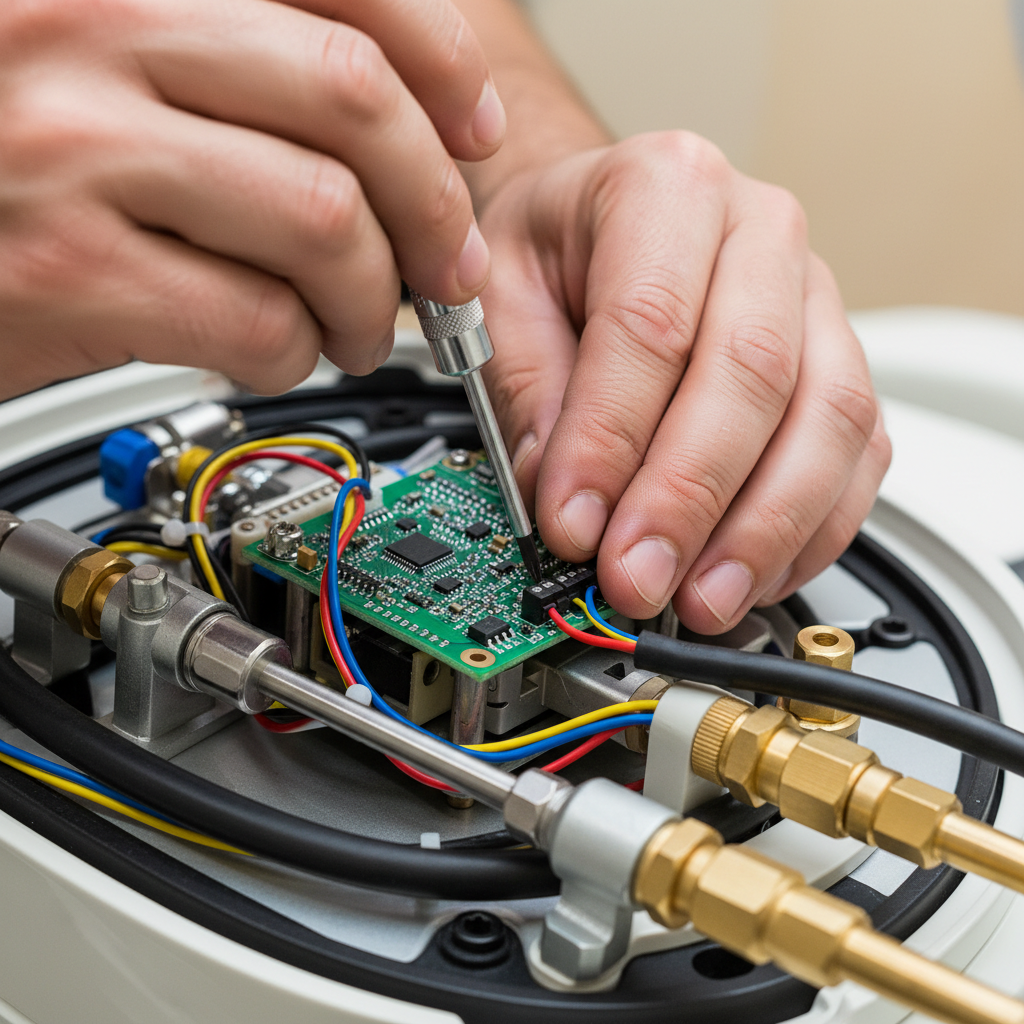
A reactive “order it when it breaks” approach is a recipe for extended downtime and lost revenue. A proactive inventory strategy is a core pillar of effective clinic management.
Myth Debunked: “I can just order parts when they break.”
One of the most dangerous misconceptions is that critical parts can be acquired instantly. Waiting for a part to fail before ordering it ignores the realities of shipping lead times, especially for components sourced internationally. Assuming parts from different models or brands are interchangeable is another common and costly mistake; proprietary designs mean that only Original Equipment Manufacturer (OEM) parts will fit and function correctly. The time lost waiting for a specific control board to arrive from overseas can cost a clinic thousands in revenue, far exceeding the cost of keeping a single spare unit on hand.
A Structured Approach to Spare Parts Inventory
To protect against downtime, implement a tiered inventory system based on part criticality. This ensures you have what you need when you need it, without overstocking.
| Part Category | Examples | Recommended Stock Level | Rationale |
|---|---|---|---|
| Critical (Single Point of Failure) | Main Control Board (PCB), Hydraulic Motor | 1 Unit Minimum | Failure of these parts renders the chair completely non-operational. Downtime is immediate and total. |
| High-Wear Consumables | Air/Water Valves, Seals, Suction Filters, Upholstery Covers | 2–3 Months’ Supply | These parts have a predictable wear-out rate. Stocking prevents frequent small orders and minor service delays. |
| Common Failure Items | Foot Control Pedals, Handpiece Hoses, Syringe Buttons | 1-2 Units | These items see heavy use and can fail unexpectedly. A quick swap minimizes disruption to patient flow. |
The Supplier Checklist: How to Vet a Manufacturer’s Service and Parts Program
Your due diligence shouldn’t stop at the chair’s features. A supplier’s commitment to long-term serviceability is just as important as the product itself. Before signing a purchase order, a manufacturer should be able to provide clear and confident answers to the following questions. This vetting process aligns with the principles of lifecycle management required by international quality standards like ISO 13485:2016, which ensures a focus on a medical device’s entire lifespan.
The Pre-Purchase Vetting Checklist:
- [ ] Request the Exploded Parts List: Can the supplier provide a detailed, diagrammed parts list with clear part numbers for every single component? A refusal or inability to do so is a major red flag.
- [ ] Confirm Part Lead Times: What are the guaranteed shipping lead times for critical and common parts? For critical components, a 24-48 hour delivery window for domestic customers should be the goal.
- [ ] Inquire about Minimum Order Quantities (MOQ): Are there restrictions on ordering single, inexpensive parts, or will you be forced to buy in bulk? You need the flexibility to order exactly what you need.
- [ ] Ask About Spare-Part Kits: Does the manufacturer offer pre-packaged kits for annual preventive maintenance or for common repairs, such as replacing all seals and valves at once?
- [ ] Verify Firmware & PCB Obsolescence Policy: What is the long-term support plan for electronic components? A reputable supplier will have a clear policy on how long they will stock and support control boards for discontinued models.
- [ ] Demand a Recommended Preventive Maintenance (PM) Schedule: The manufacturer should provide a clear, actionable PM schedule. This demonstrates a commitment to product longevity and is a key requirement under quality frameworks like the FDA’s Quality System Regulation for Medical Devices.
Navigating Global Standards and Long-Term Reliability
Regulatory compliance is a powerful indicator of a manufacturer’s commitment to quality that extends directly to spare parts. Certifications are not just a sticker on a box; they represent a rigorous system of design, manufacturing, and quality control.
For example, the CE Marking required for sales in the European Union indicates that the product—and by extension, its components—meets high safety, health, and environmental protection requirements. When you order a CE-certified replacement part, you can be confident it meets the exact same specifications as the original. This is crucial for maintaining both the chair’s performance and its regulatory compliance.
Using uncertified “gray market” or third-party parts is a significant risk. While they may be cheaper upfront, they can void your manufacturer’s warranty, create a safety hazard for patients and staff, and jeopardize your clinic’s compliance status. A failure caused by a non-OEM part could lead to far more extensive and costly damage to the chair’s systems.
Key Takeaways for a Smarter Investment
Investing in a new dental chair requires looking beyond the initial price tag. The true measure of a chair’s value is its total cost of ownership, with uptime and serviceability being the most critical factors. Downtime is the primary enemy of a clinic’s profitability, and a proactive spare parts strategy is your best defense.
Before you buy, use the supplier vetting checklist to ensure you are partnering with a manufacturer that stands behind its product for the long haul. A slightly higher initial investment in a chair backed by a robust and transparent parts program will almost always result in a lower TCO and a more reliable, profitable asset for your practice.
Frequently Asked Questions (FAQ)
Q: How much should I budget for dental chair maintenance annually?
A: A reliable industry benchmark is to budget 5-15% of the chair’s original purchase price for annual parts and service. High-volume clinics, which put more wear on their equipment, should budget towards the upper end of this range, between 10-15%.
Q: Is it safe to use third-party spare parts?
A: It is strongly discouraged. Using non-OEM parts can be risky, as they may not meet the precise specifications required for your chair. This can lead to further equipment damage, void your warranty, and create potential compliance issues with medical device regulations.
Q: How long should a quality dental chair last?
A: With a consistent preventive maintenance schedule and the use of genuine OEM spare parts for repairs, a well-constructed dental chair can typically provide 10 to 15 years of reliable service, and in some cases, even longer.
About the Author