 EN
EN  ZH
ZH 
Calculating the Total Cost of Ownership for Dental Chairs

Beyond the Sticker Price: A Practical Guide to Dental Chair TCO
A dental chair is the centerpiece of any operatory, a long-term asset that directly impacts clinical efficiency, clinician health, and patient experience. While the initial purchase price is a significant factor, it represents only a fraction of the total cost of ownership (TCO). A smarter investment requires looking beyond the initial invoice to evaluate the full lifecycle cost, including maintenance, repairs, operational expenses, and the financial impact of downtime.
Many clinics make the mistake of choosing a chair based on the lowest upfront cost, only to face escalating expenses and operational disruptions down the line. This guide provides a comprehensive framework for calculating the true TCO of a dental chair. By understanding these variables, you can make an informed decision that prioritizes durability, reliability, and long-term value, ensuring your clinic operates smoothly and profitably for years to come.
Deconstructing the Purchase: What Are You Really Paying For?
The initial price tag is a composite of design, materials, functionality, and regulatory compliance. Understanding these components is the first step in assessing long-term value.
Core Features vs. Optional Upgrades
Base model chairs provide essential functionality, but manufacturers often offer a range of upgrades. These can include integrated intraoral scanners, advanced lighting systems, or specialized upholstery. While tempting, each addition should be evaluated based on its potential return on investment. Will this feature genuinely improve procedural efficiency, enhance diagnostic capability, or extend the chair’s usable life? A mistake I often see is over-investing in features that are underutilized, adding to the initial cost without delivering tangible benefits.
The Non-Negotiable Cost of Compliance
In the medical device industry, quality and safety are paramount. Certifications are not just logos on a box; they are proof of rigorous testing and adherence to international standards. For chairs sold in Europe, compliance with the EU Medical Device Regulation (MDR) and the associated CE Marking are mandatory. These regulations ensure that the device is safe for its intended purpose and performs as specified. Similarly, a quality management system certified under ISO 13485:2016 demonstrates a manufacturer’s commitment to consistent design, production, and post-market surveillance. Investing in a compliant chair is a non-negotiable cost that protects your patients, your practice, and your legal standing.
The Hidden Costs: Maintenance, Repairs, and Downtime
Lifecycle costs are where the true price of a dental chair reveals itself. Reliability and serviceability are far more critical to your bottom line than a low initial price.
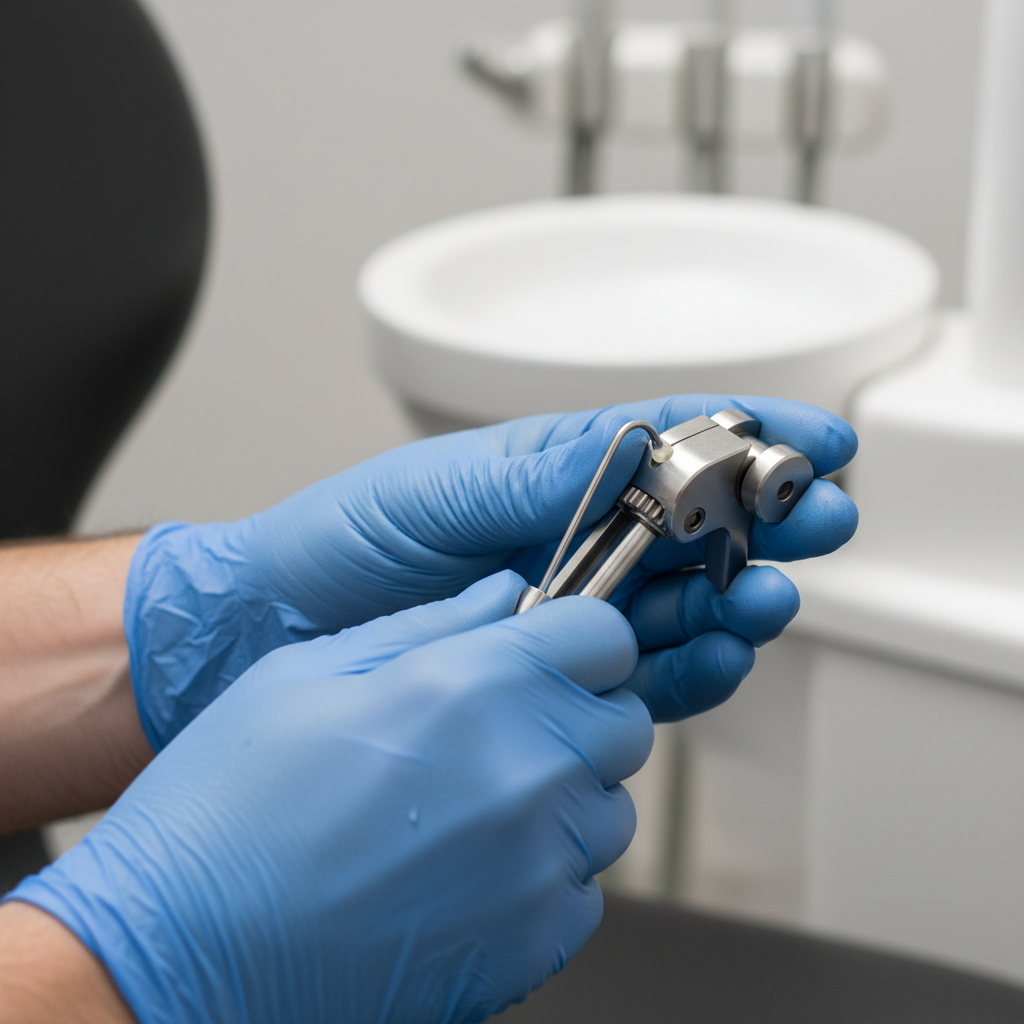
A common myth is that a cheaper chair saves money. In reality, lower-quality components often lead to more frequent failures. When a chair is out of service, the clinic isn’t just facing a repair bill; it’s losing revenue. For many busy practices, the lost revenue per hour can range from $150 to $500. A single day of downtime can easily erase any savings from the initial purchase.
Budgeting for the Chair’s Entire Lifespan
To accurately forecast TCO, you must budget for predictable maintenance and occasional major repairs. A practical approach is to use established industry heuristics to model these costs over the chair’s expected lifespan.
Sample Annual Maintenance & Repair Budget
| Cost Category | Recommended Budget (as % of Purchase Price) | Frequency / Notes |
|---|---|---|
| Routine Maintenance | 1–3% per year | Annual technician service, quarterly cleaning/lubrication, and monthly user checks. |
| Upholstery Replacement | 10–25% | Typically required every 4–8 years in a high-volume clinic. |
| Major Repairs Fund | 5–15% (over lifetime) | Set aside for unexpected failures of motors, hydraulic systems, or control electronics. |
Proactive maintenance is the key to minimizing unexpected failures. This includes performing monthly user checks, quarterly cleaning and lubrication, and scheduling an annual service with a qualified technician. Keeping a small kit of spare parts—such as foot controls, fuses, and common couplings—can also dramatically reduce downtime for minor issues.
Operational Costs and Ergonomic Gains
The daily operational impact of a dental chair extends to clinician well-being and productivity. These factors, while harder to quantify, have a direct effect on clinic throughput and profitability.
Ergonomics: An Investment in Your Team
Persistent neck and back strain are common complaints among dental professionals. I used to get persistent neck strain by 3 PM every day, and the culprit wasn’t my office chair, but my dental chair’s poor positioning. A chair with superior ergonomic adjustments is not a luxury; it’s a critical tool for reducing clinician fatigue and preventing work-related injuries.
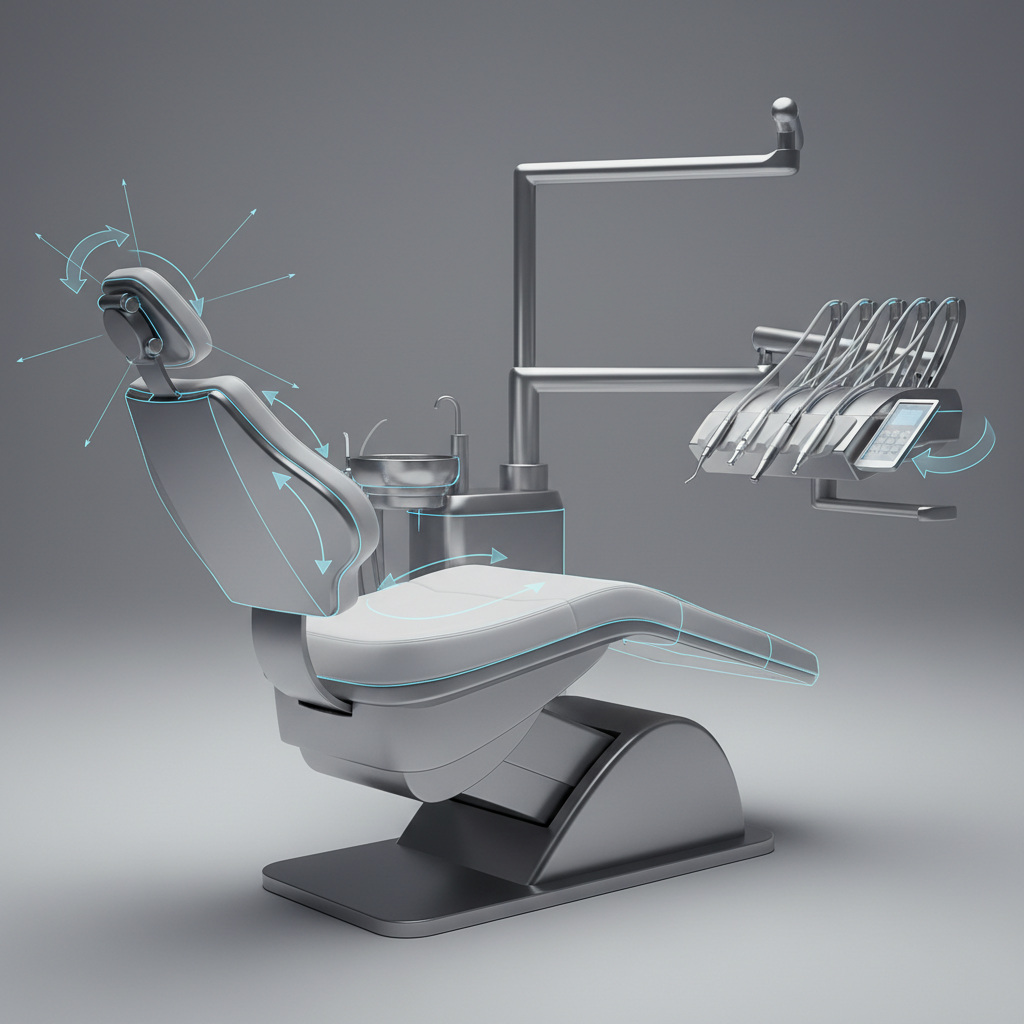
Features like an articulating headrest, adjustable seat tilt, and well-positioned instrument arms allow clinicians to maintain a healthy posture throughout the day. The small time savings from more efficient positioning on a per-procedure basis can compound into significant throughput gains over weeks and months. The real game-changer for me wasn’t just the adjustability, but the intuitive controls that made it fast and easy to switch positions between patients.
Maximizing Long-Term Value and Reliability
A dental chair should be a workhorse, not a liability. Focusing on durability, modularity, and manufacturer support ensures you get the most value from your investment.
Durability and Modular Design
The construction quality of a chair—from the frame and base to the hydraulic and electronic systems—is the foundation of its longevity. In markets where obtaining spare parts involves long lead times, chairs with modular subassemblies offer a distinct advantage. The ability to quickly swap out a faulty component rather than waiting for a specialized technician to perform a complex repair minimizes downtime and keeps the operatory running.
Warranty and After-Sales Support
A comprehensive warranty and a responsive service network are crucial components of TCO. Before purchasing, clarify the terms of the warranty, what it covers, and the process for initiating a service claim. A strong manufacturer or distributor relationship ensures that when issues do arise, you have a reliable partner to get your equipment back online quickly.
Key Takeaways
Calculating the total cost of ownership for a dental chair requires a shift in perspective—from focusing on the upfront price to analyzing the long-term value. A reliable, durable, and ergonomic chair is not an expense; it is a revenue-generating asset that forms the backbone of a successful dental practice.
To make the smartest investment, you must:
- Look Beyond the Sticker Price: Account for maintenance, repairs, and the cost of potential downtime.
- Budget for the Full Lifecycle: Use industry heuristics to set aside funds for routine service, upholstery, and major repairs.
- Prioritize Reliability and Uptime: A chair that is consistently operational is a chair that is consistently generating revenue.
- Invest in Ergonomics: Reduce clinician fatigue and improve procedural efficiency to boost long-term productivity and career longevity.
Frequently Asked Questions (FAQ)
What is a typical lifespan for a dental chair?
A well-maintained, high-quality dental chair can have a lifespan of 10-15 years, or even longer. However, factors like usage intensity, maintenance consistency, and the availability of spare parts can significantly influence this. Chairs in high-volume clinics may require more frequent updates, particularly for upholstery.
How important is regulatory compliance like CE or ISO?
Extremely important. Regulatory compliance, such as the CE mark in Europe or adherence to FDA regulations in the US, ensures the device has been rigorously tested for safety and performance. An ISO 13485 certification for the manufacturer indicates a robust quality management system, which is a strong predictor of product reliability.
Is it better to buy a new or a refurbished dental chair?
This depends on your budget and risk tolerance. A new chair comes with a full manufacturer’s warranty and the latest technology. A refurbished chair can offer significant cost savings upfront, but it’s critical to purchase from a reputable vendor who provides a warranty and a clear history of the refurbishment work performed. The TCO calculation for a refurbished chair should account for a potentially shorter remaining lifespan and a higher probability of needing repairs.
Disclaimer: This article is for informational purposes only and does not constitute professional financial or medical advice. The cost estimations provided are based on industry heuristics and can vary based on location, supplier, and specific equipment. Clinic owners should consult with financial advisors and equipment specialists to make decisions based on their unique circumstances.
References
About the Author