 EN
EN  ZH
ZH 
Long-Term Value: The ROI of a Durable Dental Chair

Beyond the initial purchase, the long-term value of a dental chair is where true ROI is found. A chair that is constantly out of service is not just an inconvenience; it’s a direct drain on your clinic’s revenue and reputation. Discover the key features and materials that signify a durable chair built for years of service, ensuring your investment pays off through reliability, low maintenance costs, and operational uptime.
This article provides a comprehensive framework for evaluating the total cost of ownership (TCO) for a dental chair. We will move beyond the sticker price to analyze the factors that truly define a chair’s economic impact on your practice, from material science to preventative maintenance schedules and the hidden costs of downtime.
Decoding Durability: What to Look For in a Dental Chair
A durable dental chair is the result of intentional design, quality materials, and robust manufacturing processes. Understanding these elements is the first step toward making a wise long-term investment. A chair’s longevity is not determined by a single feature but by the synergy between its frame, mechanical components, and upholstery.
Frame and Material Integrity
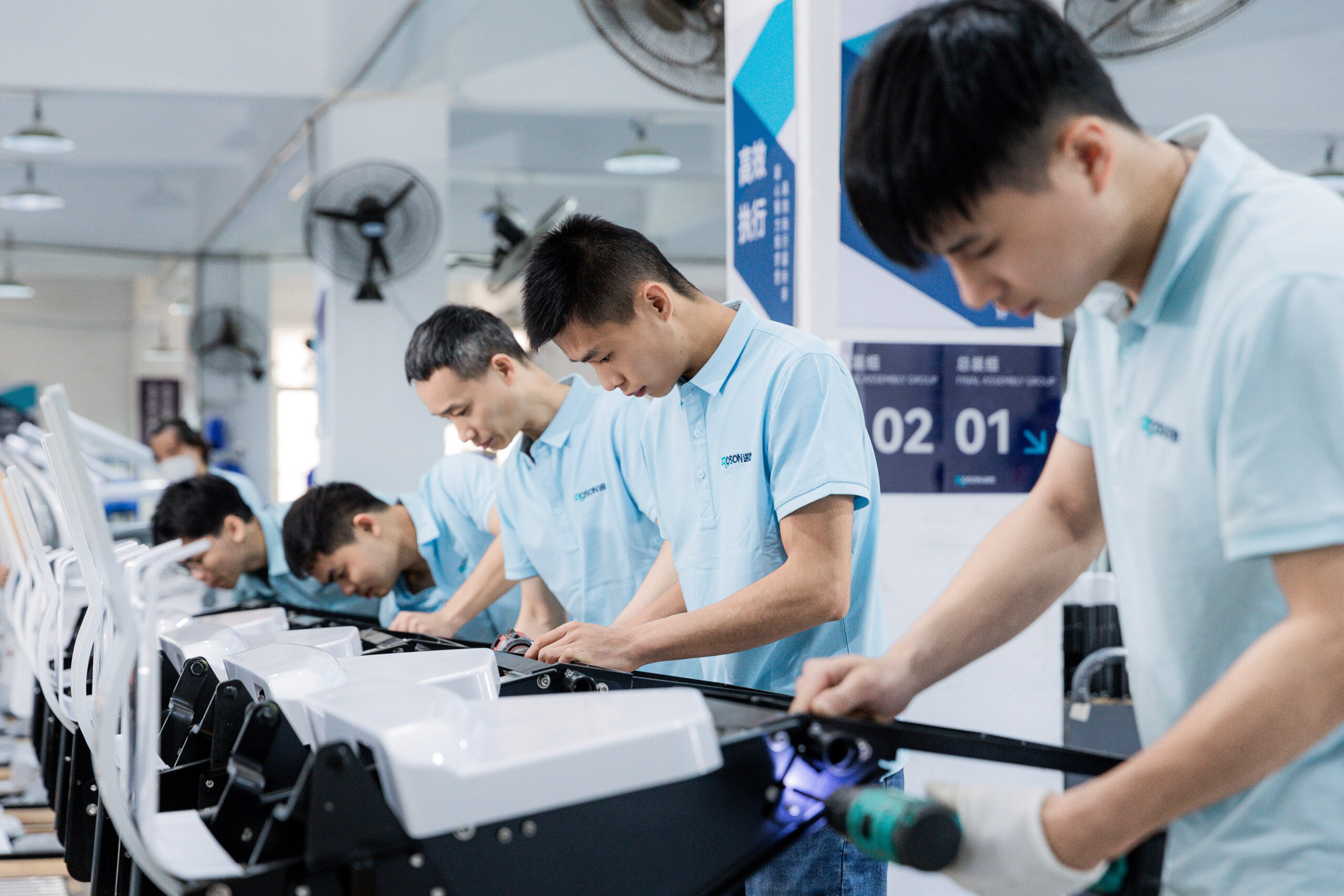
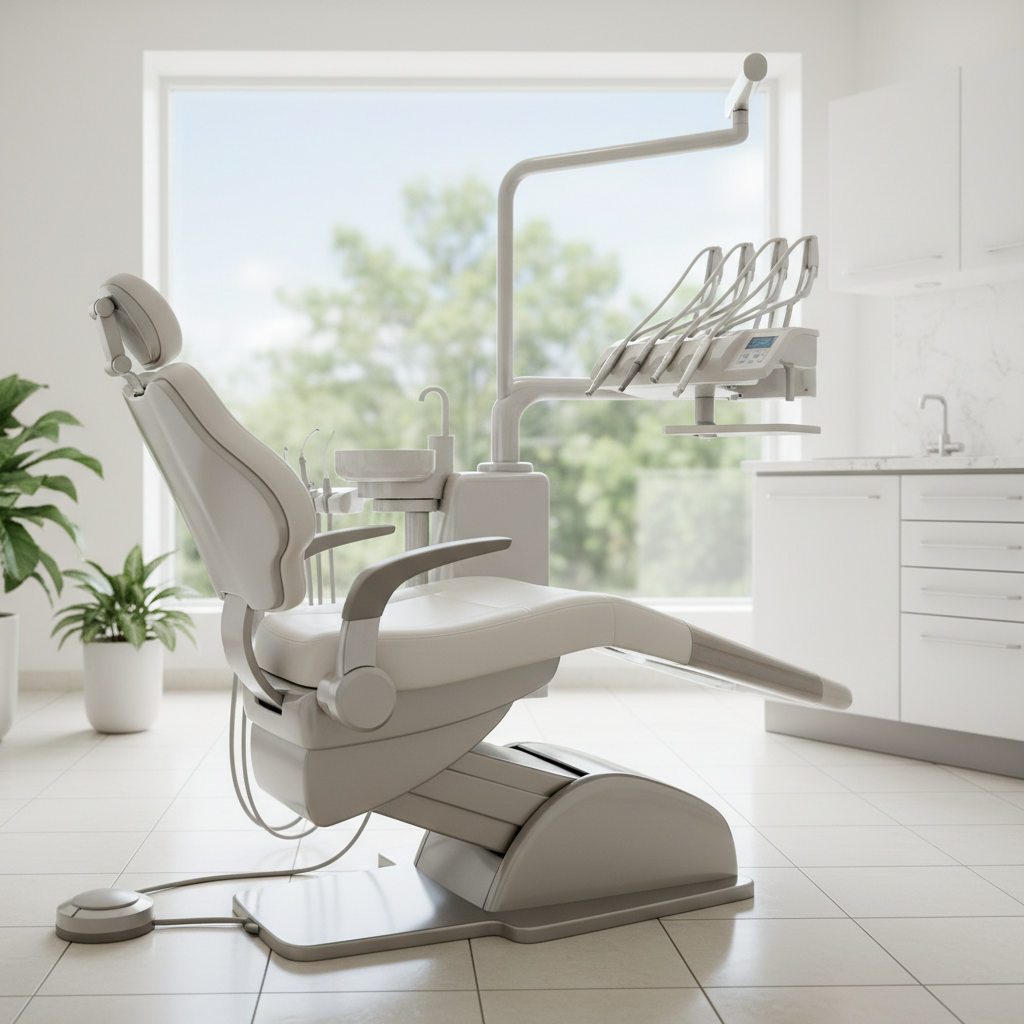
The foundation of any dental chair is its frame. Look for construction using high-grade, corrosion-resistant metals like powder-coated steel or cast aluminum. These materials provide the necessary rigidity to handle daily use and resist the degrading effects of cleaning agents and moisture common in a clinical environment. Manufacturing quality is equally critical. A chair produced within a rigorous quality management system, such as one certified under ISO 13485:2016 – Quality Management Systems, indicates that the manufacturer adheres to strict protocols for medical device production, ensuring consistency and traceability.
Core Mechanical and Electronic Components
The most frequent points of failure in a dental chair are its moving parts. The hydraulic system, electromechanical actuators, and foot controls are subjected to thousands of cycles per year. High-quality chairs use proven hydraulic systems with robust seals to prevent leaks and ensure smooth, quiet patient positioning.
A common mistake I often see is clinics overlooking the specifications of these core components. Ask potential suppliers about the testing and expected lifespan of the hydraulic lifts and actuators. A reliable manufacturer will have this data readily available. Deferring small repairs, especially on foot controls or switches, is a classic pitfall. What starts as a minor switch issue can cascade into a more complex and expensive electronic system failure, leading to significant downtime.
Upholstery and Surface Durability
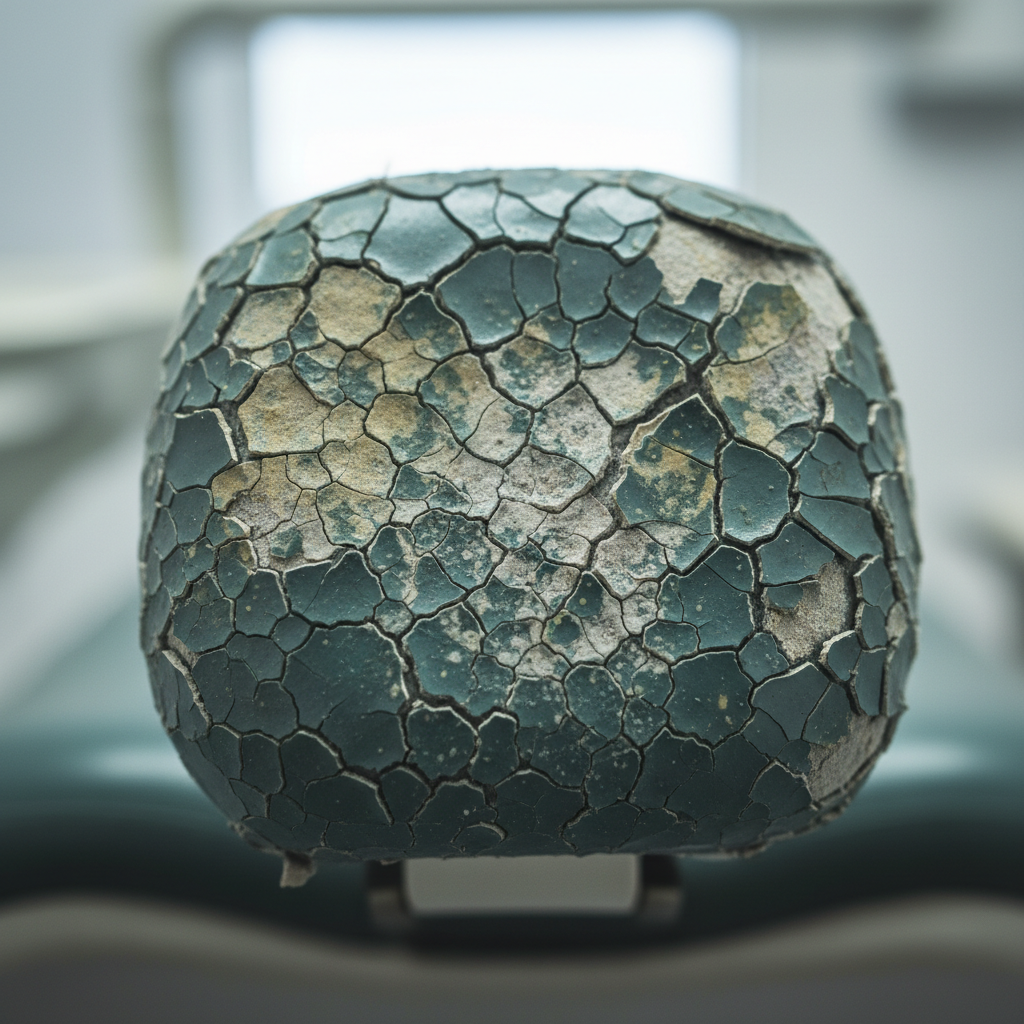
The chair’s upholstery is its most visible and vulnerable component. It must withstand not only constant physical wear but also repeated disinfection. Medical-grade vinyl or seamless upholstery is a common choice for its durability and ease of cleaning. However, not all cleaning agents are compatible.
One of the most frequent errors in clinic maintenance is the use of aggressive, high-concentration disinfectants containing phenols or bleach. While effective for sterilization, these chemicals can cause upholstery to become brittle, crack, and discolor prematurely. Always follow the manufacturer’s guidelines for approved cleaning agents to protect your investment.
The Total Cost of Ownership (TCO) Framework
True financial analysis of a dental chair extends far beyond its initial purchase price. The Total Cost of Ownership (TCO) provides a more accurate picture by accounting for all expenses incurred throughout the chair’s operational life. A lower-priced chair might seem attractive upfront, but it can quickly become the more expensive option if it requires frequent repairs and causes operational downtime.
TCO = Initial Purchase Price + Lifetime Maintenance Costs + Total Downtime Costs
Case Study: Calculating Cost-Per-Patient-Day
To illustrate this, let’s compare two hypothetical chairs. A simple cost-per-patient-day calculation can reveal the better long-term value.
- Chair A: Costs $8,000, has an expected lifespan of 7 years in a clinic seeing 20 patients per day.
- Chair B: Costs $12,000, has an expected lifespan of 12 years under the same patient load.
Here’s the calculation: Cost-Per-Patient-Day = Purchase Price / (Lifespan in Years * 260 Workdays * Daily Patients)
- Chair A: $8,000 / (7 * 260 * 20) = $0.22 per patient
- Chair B: $12,000 / (12 * 260 * 20) = $0.19 per patient
Despite its higher initial price, Chair B delivers better long-term value purely based on its extended lifespan and durability. This simple model doesn’t even account for Chair A’s potentially higher maintenance and downtime costs.
The Hidden Costs of Unplanned Downtime
Downtime is the most significant hidden cost. A non-functional chair means canceled appointments and lost revenue. To quantify this, you can use a simple formula:
Downtime Cost = (Lost Revenue Per Day) + (Repair Costs)
Consider a clinic where the average revenue per patient is $300. If a broken chair cancels just three appointments in a day, that’s $900 in lost revenue, plus the cost of parts and a technician’s labor. A single day of downtime can easily eclipse a year’s worth of preventative maintenance expenses.
A Practical Maintenance Strategy for Maximum Lifespan
Proactive maintenance is the key to maximizing your chair’s lifespan and minimizing unplanned downtime. A well-maintained chair can realistically last 7 to 12 years, but neglect can shorten that dramatically. Industry experience shows that a structured maintenance plan can prevent the vast majority of common failures.
Debunking the Disinfectant Myth
A common misconception is that any hospital-grade disinfectant is suitable for a dental chair. In reality, as mentioned earlier, harsh chemicals are a primary cause of premature upholstery and seal degradation. The damage is often slow and cumulative, leading to cracking and material failure long after the initial exposure. Always use manufacturer-approved, pH-neutral cleaners. According to guidelines from regulatory bodies like the FDA’s Quality System Regulation for medical devices, proper maintenance procedures are a component of a device’s intended use and overall quality control.
Preventative Maintenance Schedule
Implementing a simple, consistent maintenance schedule is the most effective action you can take. Here is a sample checklist based on best practices for a clinic with a moderate patient load.
| Frequency | Task | Purpose |
|---|---|---|
| Weekly | Wipe all surfaces with approved disinfectant. | Prevents buildup and material degradation. |
| Monthly | Visually inspect for leaks, damage, or wear. | Early detection of potential issues. |
| Monthly | Lubricate all pivot points and joints per manual. | Reduces mechanical wear and ensures smooth operation. |
| Biannually | Check hydraulic fluid levels and inspect seals. | Prevents hydraulic system failures. |
| Annually | Perform electrical safety testing. | Ensures patient and operator safety and compliance. |
Smart Spare Parts Strategy
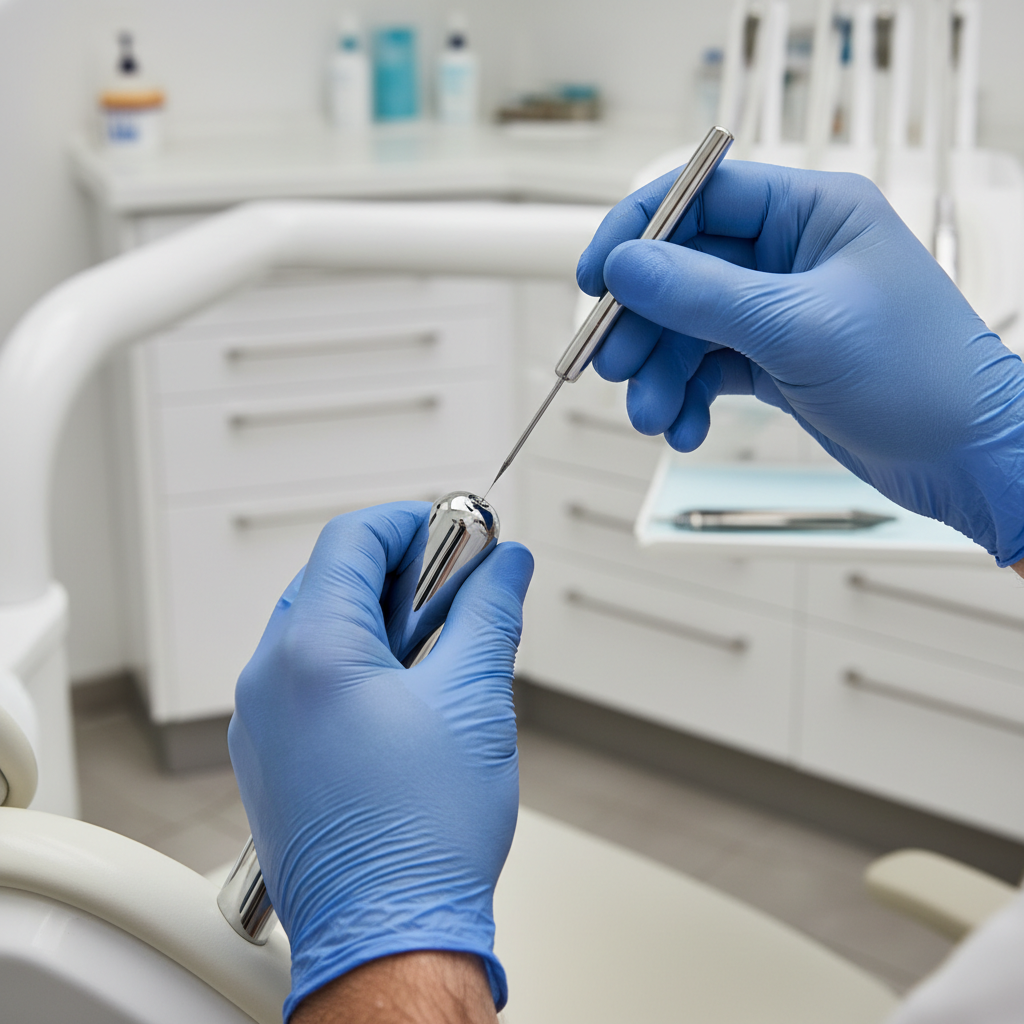
Even with perfect maintenance, some parts will eventually wear out. A smart spare parts strategy can reduce downtime by 60-80%. For most dental chairs, three components account for the majority of service calls:
- Foot Control / Switch: High-use item prone to electrical and mechanical wear.
- Hydraulic Seal Kit: Essential for preventing leaks and pressure loss.
- Upholstery Cover: Having a spare allows for a quick swap-out, avoiding downtime while a chair is being reupholstered.
Work with a supplier who can guarantee rapid access to these critical parts. This ensures that a common repair can be completed in hours, not days.
Regulatory Compliance: A Benchmark for Quality
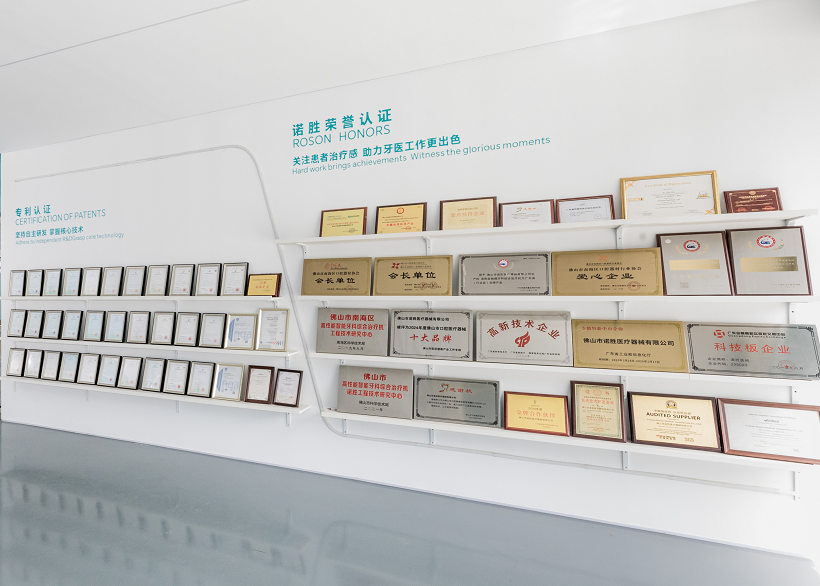
Regulatory certifications are more than just a requirement for market entry; they are a strong indicator of a manufacturer’s commitment to quality and durability. When a product complies with stringent international standards, it signals that it has undergone rigorous testing and is produced in a controlled, repeatable manner.
For example, the CE Marking indicates that a product meets the European Union’s high safety, health, and environmental protection requirements. Similarly, compliance with the FDA’s regulations in the United States ensures that medical devices are manufactured under a strict quality system. These certifications provide an extra layer of assurance that the chair you are investing in is not just functional but built to last, offering peace of mind and reinforcing the trustworthiness of your practice.
Key Takeaways
Choosing the right dental chair is a critical financial decision that impacts your clinic’s profitability and operational efficiency for over a decade. To maximize your return on investment, you must look beyond the initial sticker price.
- Focus on Durability: Prioritize chairs built with high-quality materials and robust mechanical components from manufacturers who adhere to quality standards like ISO 13485.
- Calculate the TCO: Use the Total Cost of Ownership framework to compare options. A more expensive but more durable chair is often the cheaper option long-term.
- Implement Proactive Maintenance: A structured maintenance schedule and a smart spare parts strategy are your best defense against costly, unplanned downtime.
- View Compliance as Quality: Use certifications like CE and FDA as reliable indicators of a well-designed and durable product.
By adopting this value-oriented approach, you can select a dental chair that serves as a reliable workhorse for your practice, delivering consistent performance and a strong return on investment for years to come.
Disclaimer: This article is for informational purposes only and does not constitute professional financial or medical advice. The calculations and scenarios provided are illustrative examples. Clinic owners should conduct their own detailed analysis based on their specific operational context and consult with qualified financial and technical professionals before making any purchasing decisions.
References
About the Author