 EN
EN  ZH
ZH 
Lift System Safety Features You Shouldn't Ignore

Patient and practitioner safety is paramount. In any dental clinic, the dental chair is the centerpiece of the operatory, and its reliable function is non-negotiable. We will examine the critical safety mechanisms in both hydraulic and electromechanical dental chairs, including anti-crushing systems, emergency stops, and the often-overlooked role of proactive maintenance.
The Foundation of Safety: Understanding Lift System Designs
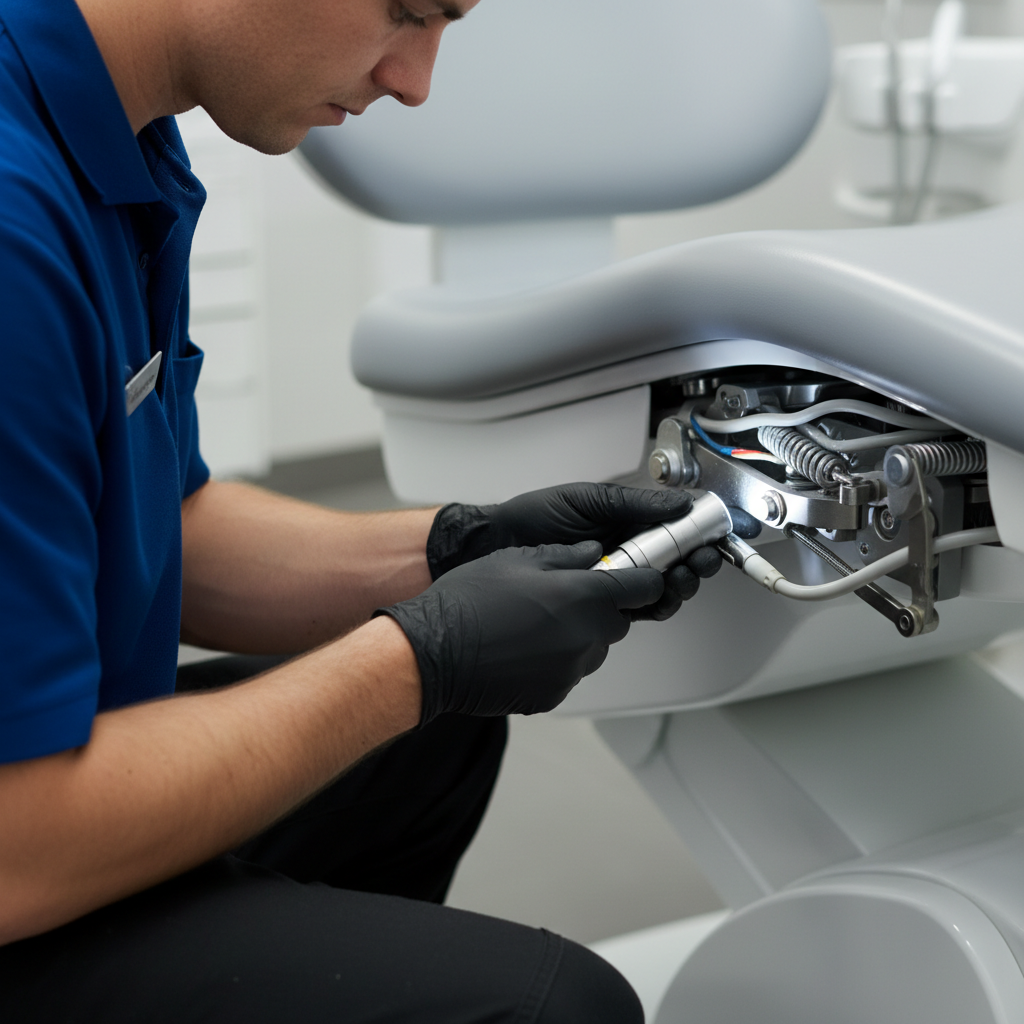
The lift system is the heart of any modern dental chair, responsible for the smooth, precise positioning of the patient. The two dominant technologies are electromechanical and hydraulic. While both achieve the same end goal, their operational principles, maintenance needs, and failure modes differ significantly. Understanding these differences is the first step in building a robust safety protocol for your clinic.
I have worked with both systems extensively and found that neither is inherently “better” than the other; they simply present different trade-offs. The choice often comes down to budget, desired “feel” during operation, and the clinic’s capacity for routine maintenance. A key aspect of ensuring long-term performance is understanding how chair durability impacts your clinic’s financial health, as premature failure can lead to costly downtime.
Hydraulic Lift Systems
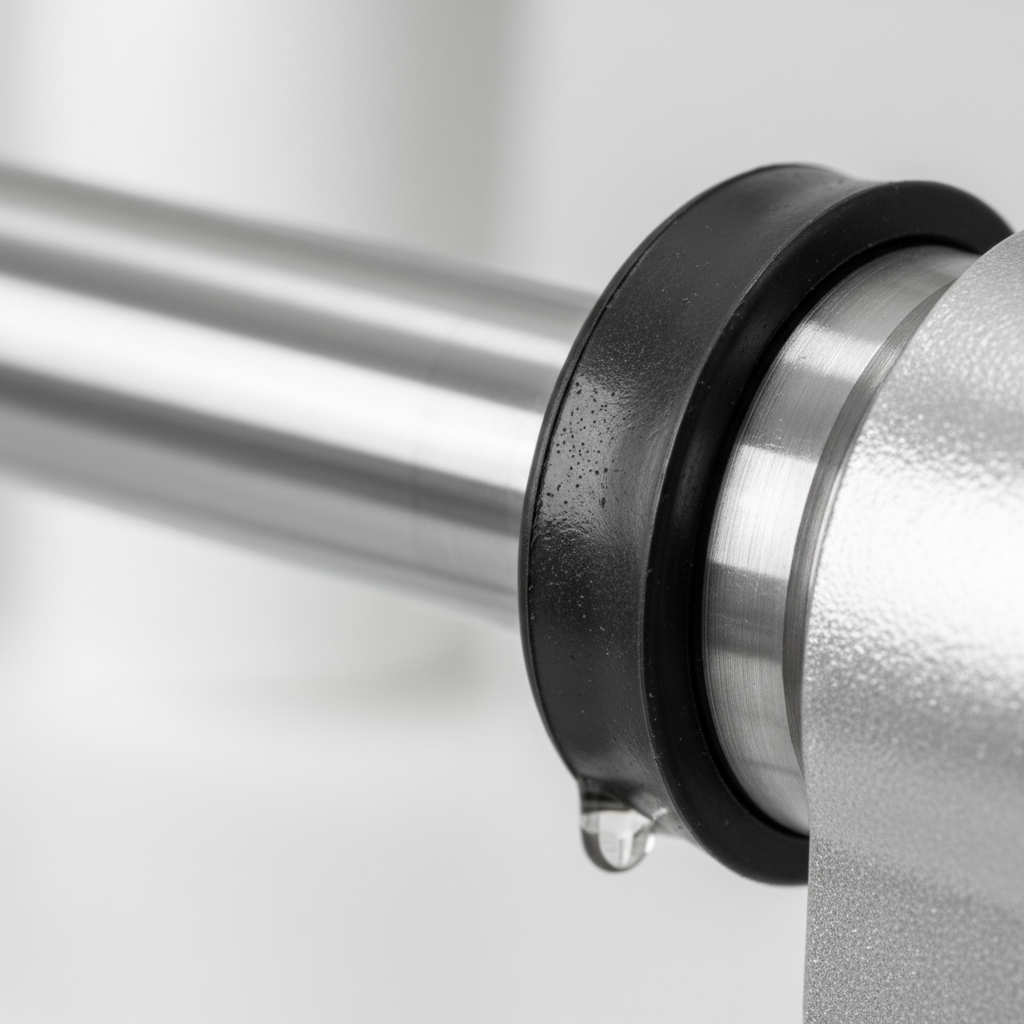
Hydraulic systems use a pump to move incompressible fluid into a cylinder, generating the force that lifts the chair. They are often praised for their exceptionally smooth and quiet vertical travel. However, they require vigilant maintenance to prevent fluid leaks and ensure consistent performance.
Electromechanical Lift Systems
Electromechanical systems rely on an electric motor connected to a screw-based drive (like a lead screw or ball screw) to raise and lower the chair. These systems offer highly repeatable and precise positioning. While they don’t carry the risk of fluid leaks, they have mechanical components like gearboxes and screws that wear down over time.
Technical Comparison: Hydraulic vs. Electromechanical
To make an informed decision, it’s helpful to compare the systems across several key operational and safety parameters. Our analysis, based on field service reports and technician feedback, provides the following breakdown:
| Feature | Hydraulic System | Electromechanical System |
|---|---|---|
| Smoothness | Exceptionally smooth, fluid motion. | Smooth, but can exhibit slight “stepping” at very low speeds. |
| Failure Mode | Progressive. Often begins with slow leaks, air in the lines (spongy feel), or gradual loss of lifting power. | More abrupt. Can be a sudden motor failure or gearbox seizure. Gradual wear is detectable via increased noise or motor current. |
| Maintenance | Requires quarterly inspection of seals, hoses, and fluid levels. Bleeding the circuit to remove air is a common task. | Requires inspection of gearbox, lead-screw lubrication, and backlash every 3-6 months. Monitoring motor current can predict failure. |
| Precision | Good, but can have minor drift over time. | Excellent, highly repeatable positioning due to the mechanical drive. |
| Emergency Lowering | Typically involves a manual valve release to lower the chair without power. | Often requires a manual crank or battery backup system. |
Critical Safety Mechanisms Explained
A modern dental chair is more than just a lift system; it’s an integrated piece of medical equipment with multiple safety layers. These features are designed to protect both the patient and the dental team from harm during operation.
Anti-Crush and Anti-Collision Systems
Perhaps the most critical active safety feature is the anti-crush system. This mechanism is designed to immediately stop the chair’s movement if it detects an obstruction, such as a stool, a piece of equipment, or the operator’s foot. These systems typically use pressure-sensitive switches or plates located on the chair base and, in some designs, on the backrest.
From experience, I can tell you a common and dangerous pitfall is improper sensor validation. After any service, especially a change to the upholstery or headrest, you must re-validate the contact sensor thresholds. A seemingly minor change can alter the pressure needed to trigger the safety stop, potentially rendering it ineffective.
Emergency Stop and Override Functions
Every certified dental chair must have a clearly marked, easily accessible emergency stop function. This allows any member of the dental team to instantly halt all chair movement. Equally important is the manual override procedure, which is used to move the chair in the event of a power failure. A critical but often-overlooked task is training new staff on how to use the manual override. We recommend including a simulated power-loss drill as part of every new employee’s onboarding.
Proactive Maintenance: The Key to Long-Term Reliability
Experienced clinic technicians consistently report that most lift-system incidents stem from poor maintenance and operator unfamiliarity, not catastrophic design flaws. A proactive maintenance schedule is the single most effective tool for ensuring safety and extending the life of your equipment.
Adhering to a strict maintenance protocol is also crucial for upholding the standards set by quality management systems. As outlined by ISO 13485:2016, a key standard for medical device quality, equipment maintenance and verification are fundamental to ensuring performance and safety throughout a device’s lifecycle.
Maintenance & Inspection Checklist
This checklist synthesizes best practices from field technicians for both hydraulic and electromechanical systems.
Daily / Weekly Checks:
- Visual Inspection (Daily): Look for any signs of fluid leaks (hydraulic), frayed cables, or loose covers.
- Functional Test (Weekly): Run the chair through its full range of motion (height, tilt, backrest). Listen for unusual noises (grinding, whining) and watch for jerky movements.
Quarterly Deep Inspections:
- Load Test: Place a typical patient weight (e.g., using sandbags or weighted containers totaling 75-100 kg) in the chair and run it through its full travel. Confirm that the speed remains consistent and that all limit switches function correctly.
-
Hydraulic Systems:
- Inspect all hydraulic seals and hoses for signs of cracking, brittleness, or weeping fluid.
- Check the hydraulic fluid level and top off if necessary.
- If the chair feels “spongy” or moves when in a locked position, bleed the circuit to remove air.
-
Electromechanical Systems:
- Check for backlash (play) in the gearbox and lead-screw assembly. Excessive play can indicate wear.
- If you have the tools, monitor the motor’s current draw. A steady increase over several months can signal impending motor or gearbox failure.
Long-Term Planning:
- Cycle Count: Log the chair’s cycles. We find that 10,000 cycles is a reasonable milestone to conduct a more thorough inspection of wear components on older chairs.
- Spare Parts: Keep critical spares on hand for 2-3 years of expected service. For hydraulic systems, this includes seals and hoses. For electromechanical systems, spare motor controllers and limit switches are wise investments.
Debunking a Common Myth: “New Chairs Don’t Need Checks”
A prevalent and dangerous misconception is that a new dental chair is exempt from rigorous safety checks upon installation. In reality, shipping and installation can introduce issues. Anti-crush sensor thresholds can be knocked out of alignment, and connections can loosen. It is imperative to validate all safety functions, especially the anti-crush sensors, during the initial installation and again after any modifications. This aligns with the stringent process controls required by regulations like the FDA’s Quality System Regulation for medical devices, which emphasizes verification and validation at all stages.
The Role of Global Standards in Ensuring Safety
For dental clinics operating in major markets, understanding regulatory compliance is essential for both safety and legal reasons. Certifications are not just logos on a label; they represent a manufacturer’s commitment to quality and safety, verified by a third party.
- CE Marking & EU MDR: For equipment sold in Europe, the CE mark is mandatory. It signifies that the product meets the high safety, health, and environmental protection requirements of the EU. The EU Medical Device Regulation (MDR) has further strengthened these requirements, demanding more rigorous clinical evaluation and post-market surveillance from manufacturers.
- FDA Regulations: In the United States, the Food and Drug Administration (FDA) governs medical devices. Manufacturers must adhere to strict quality system regulations that cover everything from design and manufacturing to labeling and post-market reporting.
Choosing equipment that meets these standards provides an additional layer of assurance that the lift systems and their safety features have been designed, tested, and manufactured to a high and verifiable standard. This focus on proven design is an important consideration when choosing comfortable and safe chairs for your clinic.
Wrapping Up: Key Takeaways
Ensuring the safety of your dental chair’s lift system is not a passive activity. It requires a clear understanding of the technology, a commitment to proactive maintenance, and continuous team training.
- Know Your System: Understand the differences between hydraulic and electromechanical systems to tailor your maintenance routine effectively.
- Trust But Verify: Never assume safety features are working. Regularly test anti-crush mechanisms, emergency stops, and limit switches.
- Maintenance is Mandatory: The majority of failures are preventable. Follow a strict daily, weekly, and quarterly inspection schedule. Logging cycles and keeping spare parts on hand can dramatically reduce downtime.
- Training is Essential: Your team is the first line of defense. Ensure everyone knows how to perform basic checks and, critically, how to operate the chair in an emergency.
By prioritizing these practices, you can create a safer environment for patients and staff while maximizing the lifespan and reliability of your clinic’s most important equipment.
Frequently Asked Questions (FAQ)
1. What is the first sign of a potential hydraulic lift failure?
A common early warning sign is a “spongy” or soft feel during movement, which indicates air has entered the hydraulic lines. You may also notice small puddles of fluid near the chair base, a clear sign of a seal leak.
2. How often should staff be trained on emergency override procedures?
All new staff should be trained during onboarding. We recommend a full team refresher drill, including a simulated power outage, at least once a year to ensure everyone is confident in the procedure.
3. Is an electromechanical chair safer than a hydraulic one?
Neither system is inherently safer than the other. Safety is a product of design quality, built-in features, and, most importantly, consistent maintenance and correct operation. Each system has different failure modes that must be understood and monitored.
4. Can I switch from a hydraulic to an electromechanical system?
Retrofitting a lift system is a complex task. When replacing a hydraulic lift with an electromechanical one, you must account for differences in torque and speed. This often requires adjusting the chair’s center-of-gravity settings and re-verifying all anti-pinch and anti-crush zones to ensure they still function correctly.
Disclaimer: This article is for informational purposes only and does not constitute professional engineering or safety advice. Always follow the manufacturer’s specific maintenance and operation guidelines for your equipment. For individuals with pre-existing health conditions, consult a qualified medical professional for any health-related concerns.
References
About the Author