 EN
EN  ZH
ZH 
Lift System Durability for High-Volume Clinics

Hydraulic vs. Electromechanical: Which Lift System Endures?
For a high-volume dental practice, the dental chair is the centerpiece of the operatory. Its failure is not just an inconvenience; it’s a direct hit to productivity, patient scheduling, and revenue. While features and ergonomics are important, the durability of the lift system is the foundation of a chair’s long-term value. This article provides a technical analysis of the two primary lift technologies—hydraulic and electromechanical—to help you select a workhorse chair built for the demands of a busy clinic.
We will explore the core mechanics, common failure points, and maintenance requirements of each system. By understanding these factors, you can make an informed decision that prioritizes uptime and minimizes the total cost of ownership, a crucial consideration explored in Balancing Affordability and Durability in Dental Chairs.
1. Understanding the Core Technologies
The choice between a hydraulic and an electromechanical lift system comes down to a trade-off between smoothness and precision. Both are capable of providing years of reliable service, but their operational principles and wear characteristics differ significantly.
Hydraulic Lift Systems
Hydraulic systems operate by using a pump to move incompressible fluid into a cylinder, creating the force that lifts the chair. Lowering the chair involves the controlled release of this fluid back into a reservoir.
- Advantages: Hydraulic lifts are known for their exceptionally smooth, quiet motion and high load capacity. They have fewer moving mechanical parts, which can lead to a longer operational life if properly maintained.
- Considerations: The primary vulnerability of a hydraulic system is its reliance on seals. Over time, seals can wear out, leading to fluid leaks. Performance can also be slightly affected by ambient temperature changes, which alter the viscosity of the hydraulic fluid. However, for sheer power and fluid movement, they remain a robust choice.
Electromechanical Lift Systems
Electromechanical systems use an electric motor connected to a screw or gear mechanism to raise and lower the chair. These systems are prized for their precision and consistent performance.
- Advantages: They offer highly repeatable and precise positioning, which can be beneficial for procedures requiring exact patient placement. They are not susceptible to fluid leaks, eliminating a potential source of contamination and maintenance.
- Considerations: These systems involve more moving mechanical parts, such as gearboxes and drive screws. My experience has shown that in high-use settings, this can lead to progressive wear, potentially creating noise or backlash (a slight jerking motion) over thousands of cycles. Encoder or sensor faults can also occur, disrupting position memory.
2. Durability Under Pressure: A Head-to-Head Analysis
In a clinic seeing dozens of patients a day, a dental chair lift can perform thousands of cycles per week. This level of use exposes the fundamental differences in how each system handles stress and wear. Our analysis shows that anticipating these patterns is key to ensuring reliability.
One of the most critical factors in longevity is selecting a chair rated for your clinic’s real-world demands. I always recommend planning for a 20–30% safety margin above the maximum expected load of the patient and any operators who may lean on the chair. Overloading is a primary cause of premature failure in any lift system.
Here’s a comparative breakdown based on common issues I’ve seen in the field:
| Feature | Hydraulic System | Electromechanical System |
|---|---|---|
| Primary Failure Mode | Seal wear leading to slow descent or fluid leaks. | Actuator gearbox backlash, encoder/sensor faults. |
| Early Warning Signs | Micro-leaks around fittings, a need to “top off” fluid, or a chair that won’t hold its position. | Audible changes in motor sound (whirring/grinding), increased current draw, or positioning errors. |
| Lifecycle Wear | Gradual degradation of seals and hoses. Hardening of seals in dry or hot climates. | Progressive wear on gearbox teeth and drive screw threads. |
| Environmental Factors | Can be sensitive to extreme temperature changes. Humid environments require corrosion checks on fittings. | Less sensitive to temperature, but dust and debris can accelerate wear on mechanical components. |
Understanding these differences is crucial to avoiding downtime, a factor that has a significant monetary value, as detailed in The Financial Impact of Dental Chair Reliability & Downtime.
3. Debunking a Common Myth: “Hydraulic Systems Are Outdated”
A prevalent misconception is that hydraulic systems are an older technology prone to leaks. While it is true that poorly maintained or low-quality hydraulic chairs can leak, this is not an inherent flaw of the technology itself. Modern systems, built to high manufacturing standards, use advanced sealing materials and designs that drastically reduce this risk. According to research in journals like ScienceDirect – Dental Equipment Whitepapers, advancements in polymer science have led to seals with superior durability and resistance to degradation. When properly maintained, a high-quality hydraulic lift is an extremely reliable and durable choice, often favored for its smooth and powerful operation in demanding surgical environments.
4. Proactive Maintenance: The Key to Uptime
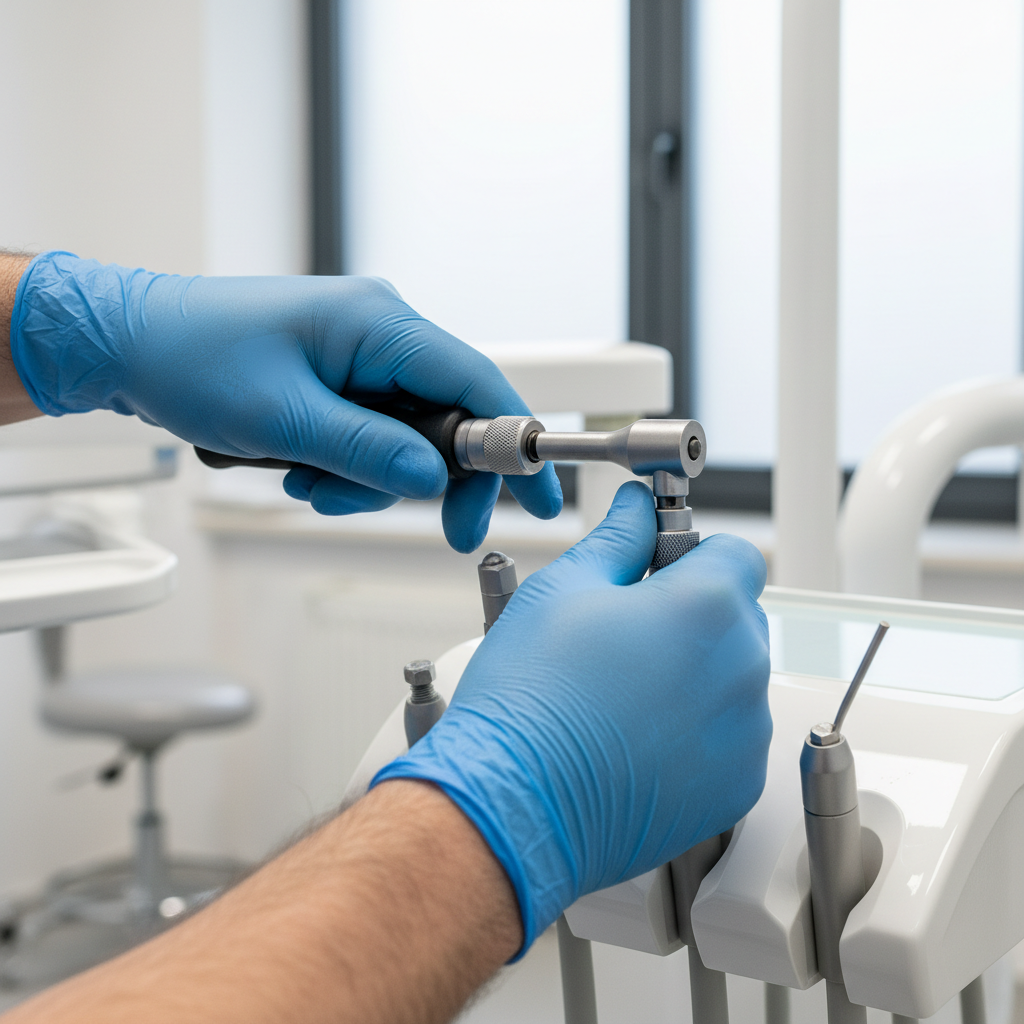
Regardless of the system you choose, a preventive maintenance schedule is the single most effective strategy for maximizing its life. Delaying minor repairs or inspections inevitably multiplies wear and leads to catastrophic, expensive failures. My advice is to implement a simple, documented service schedule.
Preventive Maintenance Checklist
- Weekly: Perform a visual inspection. Look for any signs of fluid leaks (hydraulic) or loose fasteners. Listen for any unusual noises during operation (electromechanical). Wipe down the base and protect it from dust and corrosion.
- Monthly: Check and tighten all accessible fasteners. For electromechanical systems, lubricate the drive screw according to the manufacturer’s specification. Using the wrong lubricant can attract contaminants and accelerate wear.
- Quarterly: Conduct a more thorough electrical and actuator inspection. For an electromechanical chair, monitor the motor’s current draw if you have the tools; a spike can signal impending failure. For a hydraulic chair, inspect all hoses and fittings for micro-leaks or hardening.
- Annually: Schedule a full service with a qualified technician. This should include a full inspection of the actuator, replacement of worn seals or brushes, and verification of torque specifications.
Keeping a small kit of spare parts like seals, fuses, and limit switches can turn a day of downtime into a 30-minute fix. This proactive approach is fundamental to achieving a high Long-Term Value: The ROI of a Durable Dental Chair.
5. The Role of Regulatory Compliance in Durability
Finally, don’t overlook the importance of regulatory certification. When a dental chair complies with stringent quality management standards like ISO 13485:2016 – Quality Management Systems, it signifies a commitment to high-quality manufacturing processes. Similarly, certifications like CE Marking for the European market or adherence to the FDA 21 CFR Part 820 regulations in the United States ensure that the device has met rigorous safety and performance criteria. These certifications are a reliable proxy for build quality and durability, as they mandate robust design verification and production controls.
Key Takeaways
Choosing between a hydraulic and electromechanical lift system is not about finding a “best” option, but the right option for your clinic’s operational intensity.
- Hydraulic systems offer smooth, powerful lifting and can be exceptionally durable, provided you adhere to a strict maintenance protocol to prevent seal wear and leaks.
- Electromechanical systems provide precision and consistency but require attention to mechanical wear, lubrication, and sensor integrity.
For any high-volume clinic, the ultimate lesson is this: durability is not just a feature you buy; it’s a result you create through informed selection and disciplined maintenance. A focus on robust engineering, backed by a proactive service plan, is the most effective way to ensure your dental chair remains a reliable asset, not a recurring liability. This philosophy directly impacts your clinic’s bottom line, a concept further explained in How Chair Durability Impacts Your Clinic’s Financial Health.
Disclaimer: This article is for informational purposes only and does not constitute professional medical or engineering advice. Always consult the manufacturer’s guidelines and a qualified technician for maintenance and repair. Individuals with pre-existing health conditions should consult a healthcare professional regarding ergonomic setups.
About the Author