Skip to content
 EN
EN  ZH
ZH 
Chair Lift Ergonomics for Dental Professionals

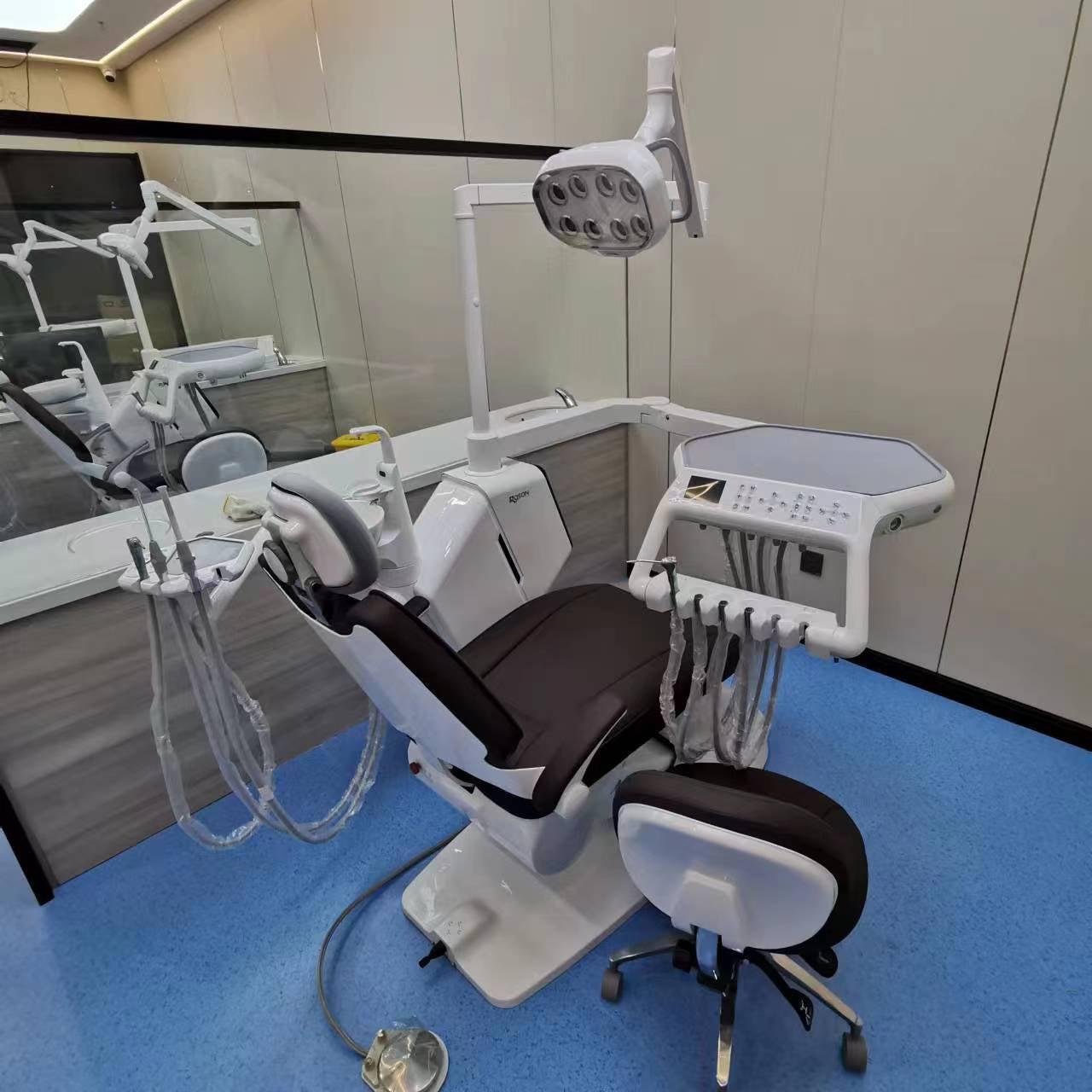
The lift mechanism of a dental chair is often the most overlooked yet critical component in a clinical operatory. While upholstery color and delivery unit configurations often dominate purchasing decisions, the lift system—the engine responsible for vertical movement and patient positioning—directly dictates the practitioner’s posture, the patient’s stability, and the long-term operational costs of the clinic.
For dental professionals and clinic managers, the choice between hydraulic and electromechanical lift systems is not merely a matter of preference; it is a calculation of reliability, maintenance workflow, and ergonomic precision. A system that drifts, jerks, or fails can disrupt delicate procedures and lead to chronic musculoskeletal strain.
This analysis dissects the engineering differences between these two primary technologies, evaluates their impact on daily ergonomics, and provides a decision framework based on durability and cost-effectiveness.
The Engineering Core: Hydraulic vs. Electromechanical Systems
To make an informed decision, it is essential to understand the mechanics beneath the chair base. Both systems aim to achieve the same result—smooth patient positioning—but they achieve it through vastly different physical principles.
Hydraulic Systems: Fluid Dynamics and Load Capacity
Hydraulic lifts operate by pumping pressurized fluid (oil) into a cylinder to extend a piston, which raises the chair. To lower the chair, a valve opens, allowing the fluid to return to the reservoir under the weight of the chair and patient.
- Operation: Known for exceptionally smooth start-and-stop transitions. Fluid is non-compressible, providing a rigid hold once the valve is closed.
- Load Capacity: Typically higher. Hydraulic systems are often found in bariatric-capable chairs or heavy-duty surgical tables.
- Failure Modes: The primary vulnerability is fluid leakage. Seals degrade over time, and a single failed O-ring can render the chair inoperable or create a mess in the operatory.
Electromechanical Systems: Precision and Simplicity
Electromechanical systems utilize an electric motor driving a screw gear (often a worm gear or spindle) to push the chair up or adjust the backrest.
- Operation: Provides consistent speed regardless of patient weight. Modern low-voltage DC motors have largely eliminated the noise and vibration once associated with older screw drives.
- Maintenance: These systems are “dry,” meaning there are no fluids to change or leak. Maintenance typically involves checking lubrication on the screw drive and ensuring fasteners are tight.
- Failure Modes: Motor burnout or stripped gears are potential issues, but these are often modular components that are easier to swap out than rebuilding a hydraulic cylinder.
Comparative Analysis: System Architecture
The following table outlines the operational trade-offs relevant to clinic owners focusing on durability and lifecycle costs.
| Feature | Hydraulic System | Electromechanical System |
|---|---|---|
| Movement Quality | Fluid, “floating” feel; very quiet. | Mechanical, precise; consistent speed. |
| Weight Capacity | Generally higher; excellent for heavy loads. | Standard range; sufficient for general dentistry. |
| Maintenance Profile | Complex; requires fluid checks and seal replacements. | Simplified; lubrication and visual inspection. |
| Environmental Risk | High (potential oil leaks). | Low (clean operation). |
| Repair Complexity | High; often requires specialized technicians. | Moderate; modular parts (actuators) are swappable. |
| Cost Efficiency | Higher initial and service costs. | Lower manufacturing and maintenance costs. |

Ergonomic Impact: The Hidden Health Factor
The choice of lift mechanism has a direct correlation with the practitioner’s physical health. According to the National Institute of Dental and Craniofacial Research (NIDCR), musculoskeletal disorders are a leading cause of early retirement in dentistry. The chair’s ability to position the patient precisely within the operator’s “safe zone” is the first line of defense.
The Vertical Travel Range
Experienced dental ergonomists advise prioritizing the lift’s vertical travel range over cosmetic features. A chair must go low enough to allow the operator to sit with thighs parallel to the floor during lower-arch work, and high enough for standing procedures.
- Heuristic: A seat-to-floor travel range of roughly 40–80 cm covers the vast majority of operator heights and patient sizes.
- The Problem: Chairs with too-narrow travel ranges often force the dentist to stoop forward or raise their shoulders, leading to Class IV movements (arm and shoulder strain) that accumulate over time.
Positioning Speed and Stability
The speed at which a chair adjusts is a critical workflow factor.
- Optimal Speed: A smooth full-travel adjustment time of about 3–6 seconds balances speed and control.
- The Risk of Speed: A common misconception is that “faster is always better.” However, a lift mechanism that moves too quickly can trigger a startle response in the patient or make fine positioning difficult. Conversely, a sluggish lift wastes valuable seconds during repositioning.
Common Misconception: “Drift is Normal”
Myth: It is normal for a dental chair to sink slightly (drift) over the course of an hour-long procedure.
Reality: Drift is a sign of failure. In hydraulic systems, it indicates a leaking check valve or seal. In electromechanical systems, it suggests a worn brake or gear slippage. A stable chair should maintain its position indefinitely. Accepting drift as “normal” compromises the precision of the dental work and forces the practitioner to constantly readjust, breaking focus.
Reliability and Maintenance Protocols
For clinics prioritizing cost-effectiveness and uptime, the maintenance requirements of the lift system are a deciding factor. Adhering to standards like ISO 13485:2016 ensures that medical devices meet consistent quality and safety requirements, but daily reliability depends on the clinic’s routine.
Pro Tip: The “Modular” Advantage
When comparing systems, prioritize predictable failure modes and ease of part replacement. In busy clinics, an electromechanical system with modular actuators is often superior to a hydraulic system. If an actuator fails, it can be unbolted and replaced as a single unit, often within an hour. A leaking hydraulic cylinder may require a complete teardown, bleeding of lines, and extensive downtime.
Essential Maintenance Checklist
To extend the lifespan of any lift system, implement the following schedule. This aligns with the principles of FDA 21 CFR Part 820, which mandates that manufacturers—and by extension, users—maintain equipment to ensure continued safety and effectiveness.
-
Weekly Visual Checks:
- Hydraulic: Inspect the base for any sheen of oil or droplets on the floor.
- Electromechanical: Listen for new grinding noises or “clicking” during operation.
- Both: Check that the chair responds instantly to foot control inputs without latency.
-
Monthly Fastener Audit:
- Vibration can loosen bolts over time. Check the linkage points where the lift mechanism attaches to the chair base and the seat frame. Loose fasteners are a primary cause of “wobbly” patient experiences.
-
Semi-Annual Lubrication (6–12 Months):
- Electromechanical: Clean and grease the worm gear or spindle screw. Dust and debris can mix with old grease to form an abrasive paste that wears down gears prematurely.
- Hydraulic: Check fluid levels if the reservoir is accessible (consult your manual).
-
Deep Service (1–3 Years):
- Schedule a professional inspection of the actuator brushes (for DC motors) or hydraulic fluid condition.
Cost-Benefit Analysis for Clinics
When evaluating the Dental Equipment Market, trends indicate a shift towards equipment that offers lower total cost of ownership (TCO) rather than just low initial purchase price.
Upfront vs. Lifecycle Costs
- Hydraulic: Often carries a higher premium due to the complexity of manufacturing precision valves and cylinders. The lifecycle cost can spike unexpectedly if a major leak occurs outside of warranty.
- Electromechanical: Generally offers a more competitive entry price. The predictable nature of wear (e.g., a motor running for X thousand cycles) allows for planned replacement rather than emergency repairs.
For high-throughput clinics, training centers, and distributors, the electromechanical route often provides the best balance of performance and financial predictability. The simplicity of the design aligns with the need for equipment that is durable, efficient, and cost-effective.
Wrapping Up
Selecting the right dental chair lift system is a foundational decision for any practice. While hydraulic systems offer legendary smoothness, modern electromechanical systems have closed the gap in comfort while offering superior maintainability and lower environmental risk.
Key Takeaways:
- Ergonomics First: Ensure the chair provides a vertical travel range of 40–80 cm to accommodate all working postures.
- Stability Matters: Reject any system that drifts; stability is non-negotiable for clinical precision.
- Maintenance Wins: Choose systems with accessible fasteners and modular actuators to minimize downtime.
- Workflow Optimization: Aim for a smooth, full-travel adjustment time of 3–6 seconds to balance efficiency with patient comfort.
By focusing on these engineering and practical fundamentals, dental professionals can secure equipment that supports their health and their business for the long term.
Frequently Asked Questions (FAQ)
Q: Which system is quieter, hydraulic or electromechanical?
A: Historically, hydraulic systems were quieter. However, modern electromechanical chairs using high-quality low-voltage DC motors are now virtually silent, making the difference negligible in a typical clinic environment.
Q: How often should I replace the hydraulic fluid in my dental chair?
A: This varies by manufacturer, but generally, hydraulic fluid does not need frequent changing unless contaminated. However, seals should be inspected during annual service intervals.
Q: Can I upgrade the lift motor if it becomes slow?
A: Generally, no. The motor and control box are tuned to the chair’s specific geometry and weight capacity. If a chair becomes slow, it is usually a sign of a failing component or lack of lubrication, not a need for an “upgrade.”
Q: What is the ideal weight capacity for a general dental chair?
A: A standard working load of 135 kg (approx. 300 lbs) is sufficient for most general dental procedures. Specialized clinics treating bariatric patients should look for heavy-duty hydraulic options rated for higher loads.
Disclaimer
This article is for informational purposes only and does not constitute professional medical, engineering, or financial advice. Equipment specifications and maintenance requirements vary by manufacturer. Always consult the user manual and a qualified service technician for your specific equipment. Dental professionals experiencing physical pain or strain should consult a medical professional.
About the Author