 EN
EN  ZH
ZH 
How Infection Control Features Build Patient Trust

The Unseen Feature That Builds Patient Trust: A Guide to Dental Chair Infection Control
Effective infection control is the bedrock of a safe dental practice. While compliance with health regulations is non-negotiable, the features and protocols you implement do more than just prevent disease transmission—they build patient trust. In an era where patients are more health-conscious than ever, visible hygiene features and clear protocols can significantly enhance your clinic’s reputation and reassure patients that their safety is your top priority.
This article explores the critical infection control features of modern dental chairs. We will examine how seamless surfaces, hands-free controls, and integrated disinfection systems work together to create a safer environment for both patients and clinical staff. More importantly, we will discuss how to make these safety measures visible, turning a clinical necessity into a powerful tool for building lasting patient relationships.
The First Line of Defense: Surface Integrity and Material Science
The surfaces of a dental chair are the most immediate point of contact and, therefore, a primary focus for infection control. The design and material composition of these surfaces can either simplify or complicate your hygiene protocols, directly impacting clinic efficiency and safety.
Seamless Upholstery: Eliminating Hidden Risks
I’ve seen many well-meaning clinics struggle with between-patient cleaning, and often the chair itself is the culprit. Upholstery with stitches, seams, or creases creates microscopic hiding places for bio-contaminants and fluids. These areas are notoriously difficult to clean and disinfect thoroughly, posing a persistent risk of cross-contamination.
A critical mistake is choosing materials that look comfortable but are porous. These materials can absorb fluids, leading to discoloration and microbial growth beneath the surface. This not only compromises hygiene but also accelerates the wear and tear on the chair, forcing costly replacements sooner than expected. Prioritizing chairs with seamless, non-porous upholstery is one of the most effective long-term decisions for both safety and financial health. This simple feature streamlines the wipe-down process, supports faster patient turnover, and aligns with the principles of durable equipment detailed in How Chair Durability Impacts Your Clinic’s Financial Health.
Material Compatibility: A Frequent and Costly Oversight
One of the most common procurement errors I encounter is clinics investing in a high-quality chair but failing to check the manufacturer’s disinfectant-compatibility list. Using incompatible or overly harsh chemical agents can cause the upholstery to crack, fade, or degrade prematurely. These micro-cracks, invisible to the naked eye, become new reservoirs for pathogens, undermining your cleaning efforts.
Adhering to manufacturer guidelines is a core component of a robust quality management system, as outlined in standards like ISO 13485:2016 – Quality Management Systems. This standard emphasizes the entire lifecycle of a medical device, including its maintenance. Always ensure your cleaning protocols use disinfectants specifically approved for your chair’s surfaces to maintain its integrity and protective qualities over the long term.
Engineered for Safety: Reducing Contact and Contamination
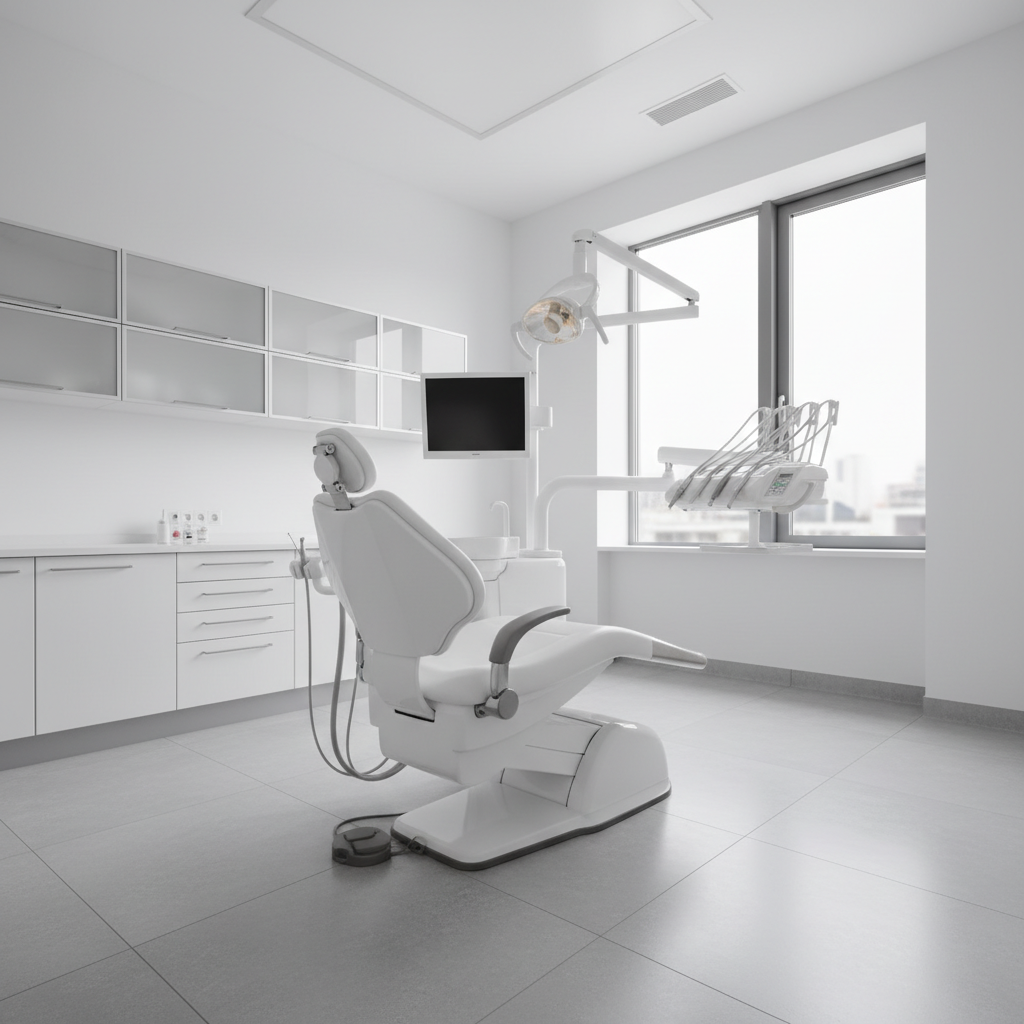
Beyond passive surfaces, modern dental chairs incorporate active design features that minimize cross-contamination by reducing the need for manual contact and automating critical hygiene processes.
Hands-Free Controls: Breaking the Chain of Transmission
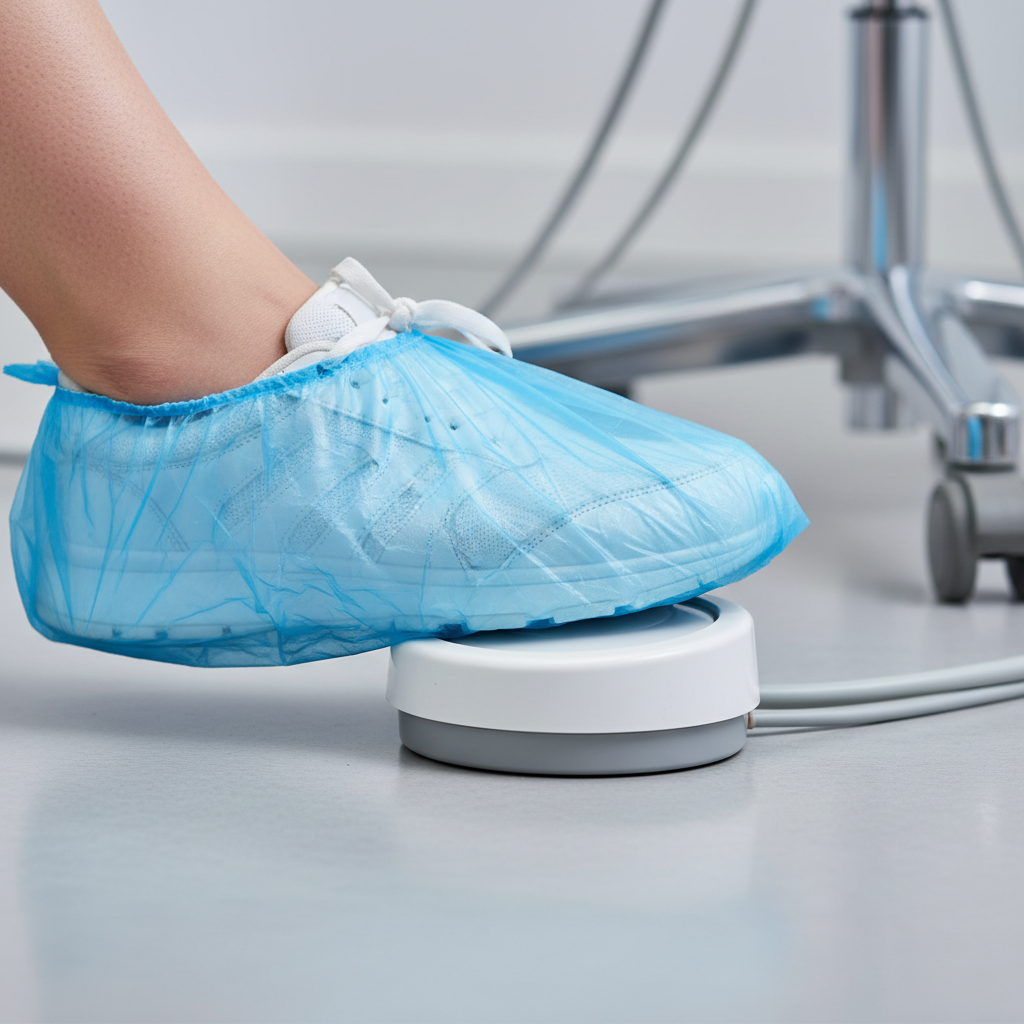
Every time a clinician touches a surface, there is a potential for pathogen transmission. Hands-free controls—such as foot pedals, elbow-operated buttons, or programmable chair presets—are engineered to reduce this risk. By allowing clinicians to adjust the chair’s position, operate the light, or activate instruments without using their hands, these features significantly lower the number of manual contacts during a procedure.
However, a common mistake is assuming these controls are foolproof. My experience in training clinical teams has shown that hands-free controls are only effective when integrated into a strict protocol. For example, staff must be trained to avoid touching non-sterile surfaces with their feet or elbows and to change gloves immediately if an accidental contact occurs. When used correctly, these systems streamline workflow, reduce glove changes, and create a visibly safer treatment environment.
Integrated Waterline Disinfection: A Non-Negotiable System
Biofilm accumulation in dental unit waterlines (DUWLs) presents a significant health risk. These complex systems of narrow tubing are an ideal environment for microbial growth if not managed properly. While manual flushing helps, integrated and automated waterline disinfection systems offer a more reliable and continuous solution.
Debunking a Common Misconception: A frequent myth is that automatic waterline dosing systems are a “set it and forget it” solution. This is a dangerous assumption. In practice, clinics that neglect regular maintenance see gradual water discoloration and an increase in patient complaints within months. These automated systems reduce the daily burden, but they still require diligent oversight, including monthly verification of the dosing mechanism and quarterly “shock” treatments to eliminate any persistent biofilm. This level of quality control is consistent with the stringent manufacturing and maintenance standards required by regulations such as the FDA 21 CFR Part 820.
Making Safety Visible: Protocols That Build Patient Confidence
The most advanced infection control features are only effective if patients perceive your commitment to their safety. Visible, consistent hygiene practices often do more to build trust than a list of technical specifications.
The High-Touch-Point Cleaning Protocol
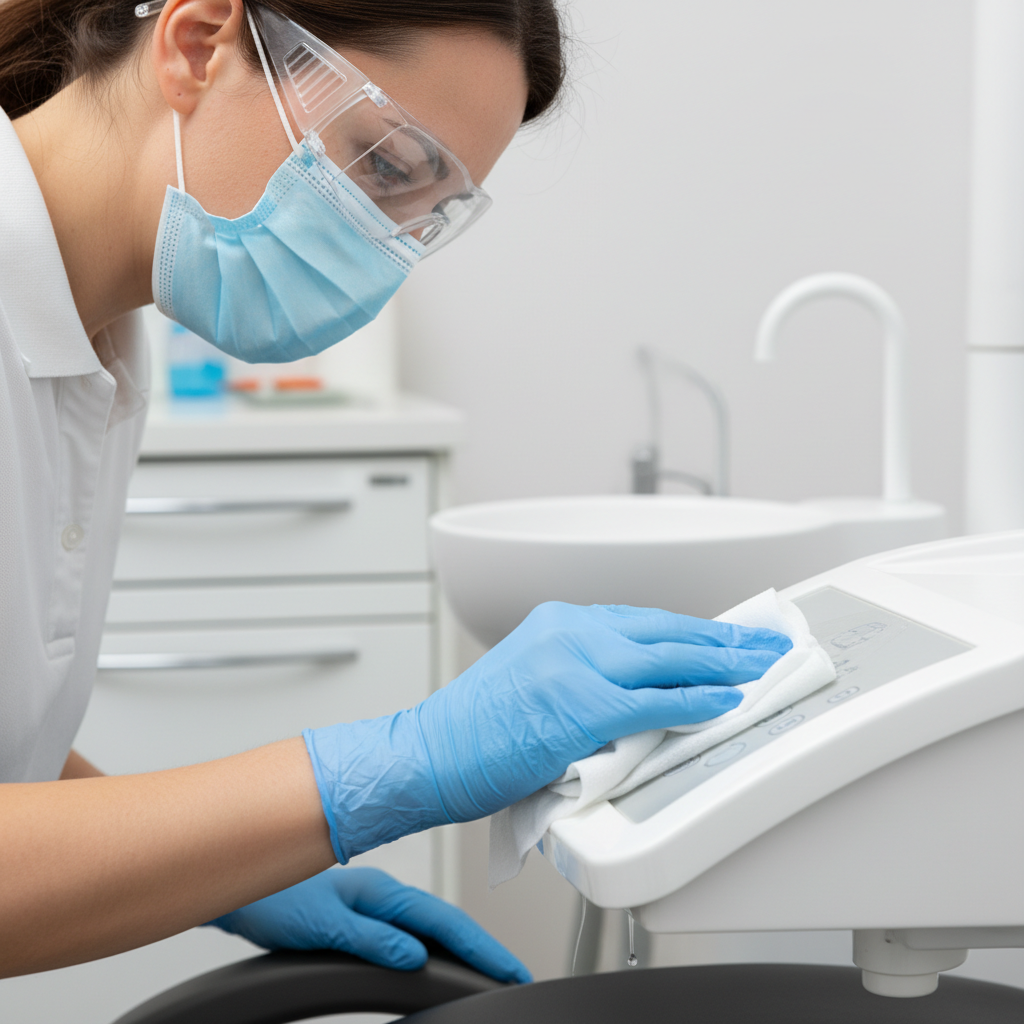
An efficient and effective cleaning protocol is crucial for minimizing turnaround time between patients while ensuring complete disinfection. Based on extensive clinical observation, focusing on 6-10 high-risk contact points is the most effective approach. When your team has an optimized workflow and easily cleanable surfaces, a thorough wipe-down should take approximately 1.5 to 3 minutes.
Here is a checklist designed to guide that process:
| Priority | Contact Point | Action Required |
|---|---|---|
| 1 | Headrest | Wipe down all surfaces, including adjustment levers. |
| 2 | Light Handles & Switch | Disinfect handles and any manual positioning controls. |
| 3 | Control Panel/Touchpad | Meticulously wipe all buttons and the screen. |
| 4 | Armrests | Clean the entire surface, top and bottom. |
| 5 | Instrument Tray & Edge | Disinfect the entire tray, paying close attention to the edges. |
| 6 | Chair Base & Foot Control | Wipe down the base and the entire foot control unit. |
This systematic approach ensures no critical area is missed and demonstrates a clear, professional commitment to hygiene.
Communicating Your Commitment
Patient trust is built on tangible evidence. A simple but powerful strategy is to perform your hygiene routines in the patient’s line of sight. Actions like placing sterile instrument packs on covered trays, visibly wiping down the chair, and removing disposable barriers in front of them speak volumes.
You can reinforce this with short, reassuring scripts. For example, as you wipe down the chair, you might say, “We thoroughly disinfect every surface for each patient to ensure your safety.” This direct communication, combined with visible action, is far more impactful than simply stating that your equipment meets certain standards, such as CE Marking, which, while essential for market access, is not a concept most patients understand.
Wrapping Up: Turning Infection Control into a Competitive Advantage
Investing in dental chairs with advanced infection control features is not merely about regulatory compliance; it is a direct investment in patient trust and your clinic’s brand reputation. Seamless upholstery, hands-free controls, and automated waterline systems are the technical foundations of a safe practice.
However, the true value emerges when these features are combined with visible, consistent protocols and clear communication. By making your commitment to safety tangible, you transform a clinical requirement into a powerful differentiator. Patients who feel safe are more likely to return, refer others, and become loyal advocates for your practice. When procuring your next dental chair, look beyond the basic specifications and prioritize the features that protect your patients and visibly demonstrate your unwavering commitment to their well-being.
Disclaimer: This article is for informational purposes only and does not constitute professional medical or regulatory advice. Dental clinics should consult with infection control experts and adhere to all local, state, and federal regulations regarding equipment and hygiene protocols.
About the Author