 EN
EN  ZH
ZH 
A Checklist for Evaluating Chair Infection Control

In the high-stakes environment of a dental clinic, the dental chair is more than a piece of furniture; it is the central hub of clinical operations and, critical to patient safety, a potential vector for cross-contamination if not properly managed. For B2B buyers—whether outfitting a high-volume training center or upgrading a private practice—evaluating a dental chair’s infection control capabilities is as vital as assessing its motor durability or price point.
While sleek aesthetics often catch the eye, the true markers of a safe, compliant dental unit are often found in the less visible details: the integrity of the waterline system, the engineering of anti-retraction valves, and the seamless construction of upholstery. Neglecting these features can lead to regulatory bottlenecks, patient health risks, and costly downtime.
This guide provides a rigorous, practitioner-grade checklist for evaluating the infection control features of dental chairs. We move beyond basic surface cleaning to explore the mechanical and structural requirements necessary to meet strict standards like ISO 13485 and FDA 21 CFR Part 820.
TL;DR: The Infection Control Evaluation Core
- Waterline Defense: Look for integrated flushing systems and accessible reservoirs to combat biofilm.
- Surface Logic: Prioritize seamless upholstery and smooth, non-porous paints that resist chemical corrosion.
- Mechanical Barriers: Verify the quality and accessibility of anti-retraction valves to prevent backflow.
- Touchless Tech: Evaluate foot controls and sensor-operated lights to minimize cross-contamination.
1. Waterline Integrity: The Invisible Battleground
The most critical infection control challenge in any dental unit is the Dental Unit Waterline (DUWL). The narrow bore of dental tubing creates an ideal environment for biofilm formation—a sticky layer of bacteria that can compromise patient health. When evaluating a chair, you must assess how the design facilitates the management of this risk.
Biofilm Management and Flushing Protocols
Regulatory bodies and health organizations are clear on the risks. According to the Centers for Disease Control and Prevention (CDC) Guidelines for Infection Control in Dental Health-Care Settings, dental water must meet the same standards as safe drinking water (fewer than 500 CFU/mL of heterotrophic water bacteria). Achieving this requires hardware that supports rigorous flushing protocols.
Practitioner Insight: In routine clinic use, we find that the most common failure point is not the disinfectant used, but the lack of mechanical flushing. A robust dental unit should allow for easy, high-volume flushing.
- Start-of-Day Flush: The system should handle a 1–2 minute flush of all lines (handpieces, air/water syringes) to clear stagnant water accumulated overnight.
- Between-Patient Flush: The design must facilitate a rapid 20–30 second flush to prevent cross-contamination between appointments.
The “Shock” Treatment Compatibility
Routine low-level disinfection is rarely enough. Your maintenance protocol must include a “shock” or intensive disinfection cycle, typically scheduled weekly or per the product label.
- Evaluation Check: Does the dental unit have an independent water bottle system? This feature is non-negotiable for infection control, as it allows you to isolate the chair from municipal water and introduce chemical shock treatments directly into the lines.
- Tubing Quality: Check if the manufacturer uses high-quality, chemical-resistant tubing. Low-grade tubing can degrade or become brittle when exposed to potent shock treatments, leading to leaks and further contamination risks.
Anti-Retraction Valves: The First Line of Defense
Anti-retraction valves are small mechanical components designed to prevent the “suck-back” of oral fluids (saliva, blood) into the handpiece tubing when the bur stops spinning. If these fail, cross-contamination is almost guaranteed.
Expert Warning: A common oversight in procurement is ignoring the accessibility of these valves. They are mechanical parts that will wear out.
- Maintenance Heuristic: You should validate anti-retraction valves quarterly through visual inspection and flow testing.
- Spare Parts Strategy: To avoid downtime, keep at least one spare anti-retraction valve per chair in your inventory. A failure here renders the chair unusable until fixed.
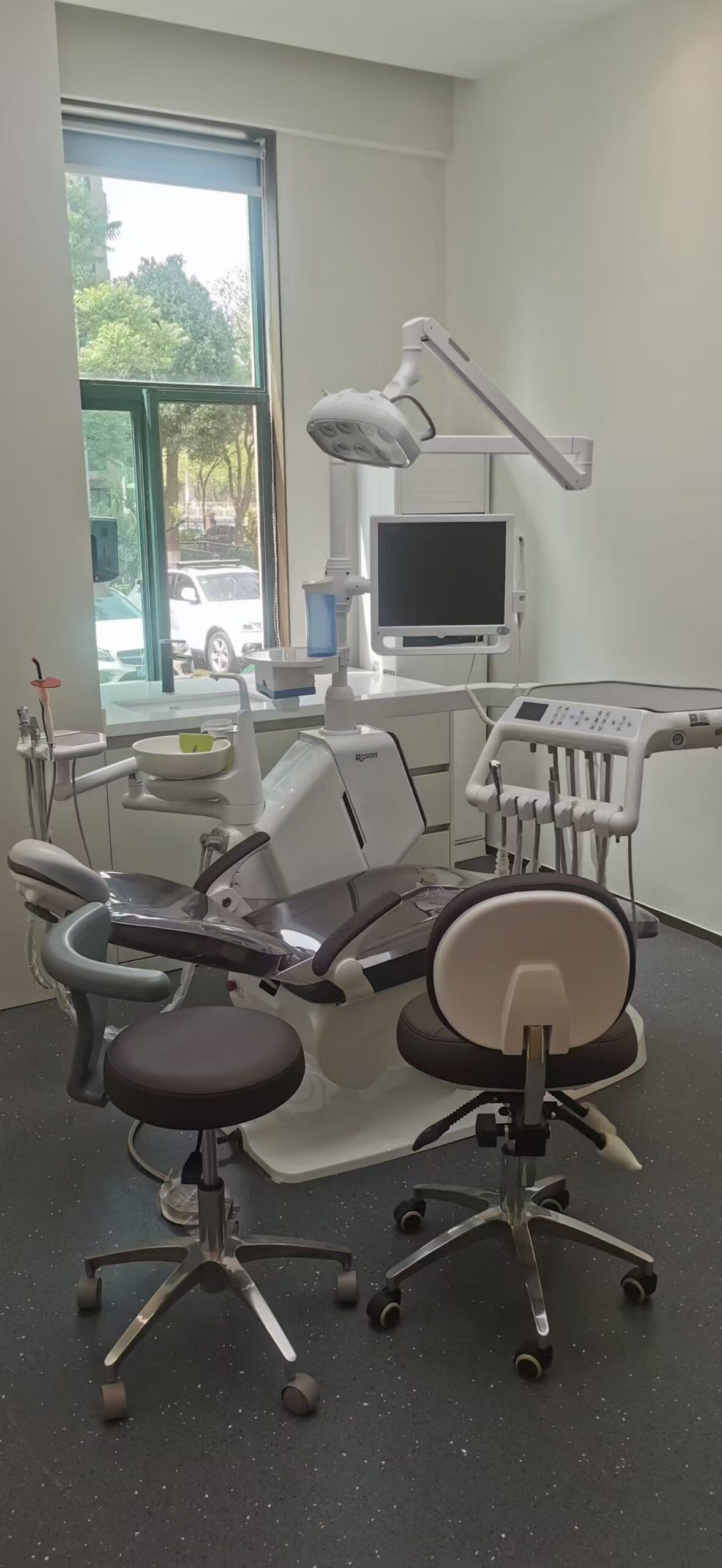
2. Surface Hygiene: Upholstery and Seams
The physical design of the chair plays a massive role in how effectively your staff can turn over a room. Complex seams, rough textures, and hidden crevices are traps for pathogens and debris.
Seamless Upholstery Design
When inspecting a chair, look closely at the upholstery. Traditional stitched leather might look luxurious, but needle holes create thousands of microscopic entry points for fluids and bacteria that cannot be effectively cleaned.
- The Standard: Opt for seamless, thermoformed, or vacuum-formed upholstery. These surfaces can be wiped down rapidly without worrying about liquid penetrating the foam core.
- Inspection Threshold: In older chairs or poor-quality units, flag upholstery for repair or replacement when seam gaps exceed ~2 mm or when the inner foam becomes exposed. At this stage, the surface is no longer cleanable.
Chemical Compatibility and Material Science
Not all “durable” materials are chemically resistant. A major cause of premature upholstery failure is the mismatch between clinic disinfectants and chair materials.
- Common Mistake: Using high-alcohol or harsh quaternary ammonium disinfectants on upholstery not rated for them. This leads to cracking, discoloration, and stickiness.
- The Fix: Always verify product compatibility. Test a small, inconspicuous area first. If the manufacturer’s label gives variable contact times, follow the longer end of the range for any textured surfaces to ensure efficacy, but be wary of leaving harsh chemicals on longer than necessary.
Hard Surfaces and Paint Quality
The metal and plastic surfaces of the dental unit (the base, the delivery arm, the light head) are touched frequently.
- Paint Finish: Look for smooth, high-gloss powder coating. Textured paints might hide fingerprints, but they also harbor dirt and are harder to disinfect.
- Control Panels: Membrane switches (flat buttons) are superior to mechanical raised buttons for infection control because they can be barrier-protected or wiped clean without moisture seeping into the electronics.
3. Minimizing Touchpoints: Hands-Free Operations
Reducing the number of times a clinician must touch the chair during a procedure directly reduces the chain of infection. Modern dental chairs should integrate hands-free technology as a standard feature, not a luxury add-on.
Foot Control Functionality
A comprehensive foot control is essential. It should allow the operator to:
- Adjust chair position (base up/down, backrest).
- Activate and adjust handpiece speed.
- Control the water coolant on/off.
- Switch the operating light on/off (if not sensor-controlled).
By moving these functions to the foot, you eliminate the need to touch the delivery unit with contaminated gloves.
Sensor-Operated Lighting
The overhead operating light is a frequent touchpoint. Look for lights equipped with motion sensors that allow the dentist to turn the light on/off and adjust intensity with a wave of the hand. This simple feature significantly reduces the risk of cross-contamination during procedures.
Automating the “Rinse” Position
Pre-programmed chair positions (like a “rinse” or “exit” button) allow the chair to move automatically without the dentist holding down a button. This efficiency reduces the time hands are in contact with the control pad.
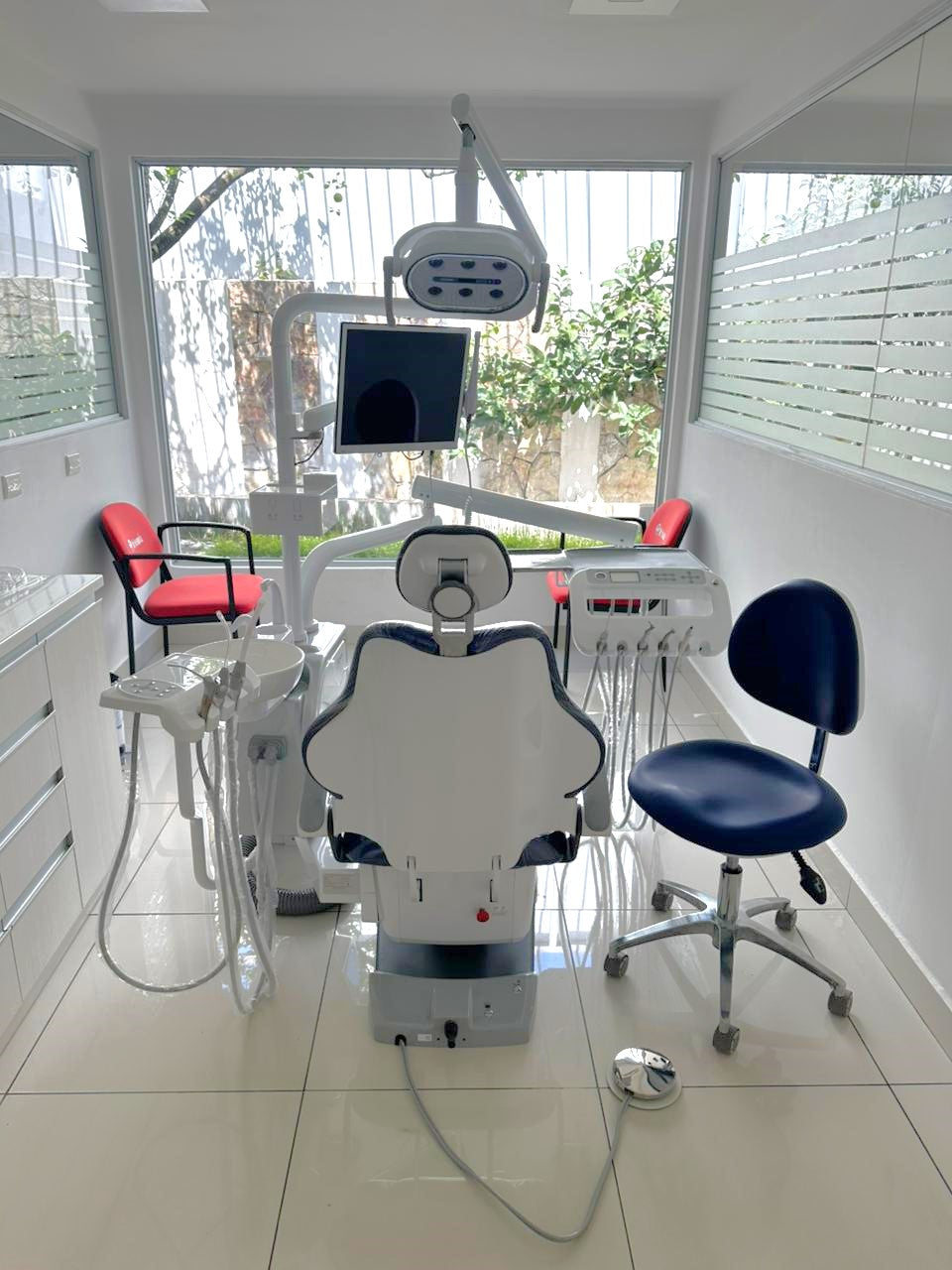
4. Maintenance & Durability: The Long-Term View
Infection control is not a one-time purchase feature; it is a discipline maintained over the life of the equipment. Reliability and ease of maintenance are therefore infection control features in disguise. If a chair is difficult to service, maintenance will be deferred, and safety will be compromised.
The Financial Reality of Reliability
Downtime is costly. As explored in our analysis of The Financial Impact of Dental Chair Reliability & Downtime, a single day of a chair being out of commission can cost a clinic thousands in lost revenue. But beyond revenue, a broken chair disrupts the infection control rhythm of the entire clinic, forcing staff to rush turnover in other rooms.
Spare Parts Stocking Strategy
For distributors and large clinics, reactive maintenance is a failure of planning. To maintain infection control standards (like functional valves and leak-free hoses), you must stock critical components.
- Handpiece Hoses: Keep replacement hoses equal to ~15–25% of your total chair count. These hoses are high-flex components that degrade over a 2–5 year cycle depending on patient volume. A leaking hose is a biohazard.
- Suction Traps: Consider visible calcification or discoloration in suction traps as a trigger for immediate disassembly and deep cleaning or replacement.
Misconception: “Self-Cleaning” Systems Replace Manual Protocols
Debunking the Myth: Some manufacturers market “self-cleaning” dental units. While automated flushing features are excellent aids, they do not replace the need for manual verification and shock treatments.
- Reality Check: Automated systems can still fail or become clogged. Relying solely on automation without manual periodic checks (like water quality testing) creates a false sense of security. Industry data suggests that even with automated systems, biofilm can re-establish within weeks if the chemical shock protocol is skipped.
Summary Checklist for Buyers
Use this decision matrix when evaluating your next dental chair purchase to ensure it meets high infection control standards.
| Feature Category | What to Look For | Red Flag (Avoid) |
|---|---|---|
| Water System | Independent water bottle; easy access for shock treatment; smooth bore tubing. | Direct municipal water connection only (no isolation bottle); inaccessible tubing. |
| Upholstery | Seamless, vacuum-formed; chemical-resistant material; easy to wipe. | Deep stitching; fabric-like textures; gaps >2mm between cushions. |
| Controls | Multi-function foot pedal; membrane touchpads; sensor-operated light. | Mechanical raised buttons; lack of hands-free light control. |
| Suction/Solids | Accessible filters; smooth suction lines; easy-to-clean solids collector. | Hidden traps that require tools to access; corrugated tubing that traps debris. |
| Documentation | Clear maintenance manual with approved disinfectant list. | Generic manual with no specific chemical compatibility data. |
Wrapping Up
Investing in a dental chair is an investment in your clinic’s safety culture. By prioritizing features that support rigorous infection control—like accessible waterlines, seamless surfaces, and hands-free operation—you protect your patients, your staff, and your business’s reputation.
Compliance with standards like ISO 13485 and EU MDR is not just about passing an audit; it is about ensuring that every patient sits in a chair that is safe, clean, and mechanically sound. Remember, the most expensive chair is not the one with the highest price tag, but the one that fails when you need it most.
For more on optimizing your clinic’s setup, consider reading about Cost-Effective Dental Chair Integration Strategies to balance budget and performance.
Frequently Asked Questions (FAQ)
Q: How often should I perform a “shock” treatment on my dental chair waterlines?
A: A “shock” or intensive disinfection should typically be performed weekly. However, always consult the manufacturer’s instructions for your specific dental unit and the water treatment product you are using. If water quality tests show >500 CFU/mL, immediate shock treatment is required.
Q: Can I use any surface disinfectant on my dental chair upholstery?
A: No. Using incompatible disinfectants (especially those with high alcohol content or harsh solvents) can cause upholstery to crack, peel, or become sticky. Always cross-reference the disinfectant’s active ingredients with the dental chair manufacturer’s approved list.
Q: How do I know if my anti-retraction valves are working?
A: You should perform a visual inspection and a simple flow test quarterly. If you notice water dripping from the handpiece after the foot control is released, or if you see fluid being sucked back into the tubing, the valve likely needs replacement.
Q: Why is a self-contained water bottle system better for infection control?
A: It allows you to isolate the dental unit from the municipal water supply (which can fluctuate in quality) and gives you full control over the water source and the administration of cleaning/shock chemicals directly into the lines.
Disclaimer: This article is for informational purposes only and does not constitute professional medical, legal, or regulatory advice. Dental practitioners should always consult with qualified infection control experts and adhere to local regulations (such as CDC, OSHA, or local health ministry guidelines) regarding equipment maintenance and patient safety.
References
About the Author